
Knuckle vs Twist Chain Link Fence: Choosing and Specifying the Selvage

For distributors and project buyers, selecting a chain link fence edge starts with its location and intended use. A clear selvage specification keeps the quotation, approved sample and delivered rolls aligned.
Selection route
Decide where the fabric will be used, compare the edge profiles, settle the supplier's offer, then carry the approved detail into the receiving check.
Quick Answer
Knuckle and twist describe how the wire ends are finished along a chain link fence. A knuckled edge folds the ends back; a twisted edge leaves projecting points. Start with the edge profile required at each fence location, especially where people can reach the mesh. For a folded finish on both edges, specify knuckle/knuckle. For a mixed finish, name the upper and lower edges separately in the installed position. A twist/twist arrangement needs an explicit project requirement and supplier confirmation. Record the selected edges with the fabric dimensions and coating, and agree the identified sample, photographs or drawing that will serve as the visual reference before production.
Table of contents
Start with the Fence Location
One site may need more than one fabric specification. A landscaped entrance, a sports boundary and a restricted service yard can have different requirements even when the fence colour and height match. Mark those areas on the layout before combining quantities into a purchase order.
Areas where people can reach the mesh
Along pedestrian routes and accessible boundaries, folded wire ends offer a profile without the projecting tips of a twisted edge. Review knuckled finishes with the project team, considering the upper edge, the lower edge and the areas beside gates where people pass close to the fence.
The useful purchasing question is: which edge profile has been selected for this location? Record that choice for each fence section. Keep any site-specific safety or access requirement with the drawing used to approve the material.
A boundary with a specified pointed edge
Some perimeter drawings call for a twisted finish at the top. Carry that detail into the fabric schedule and specify the bottom edge independently. If both edges are to be twisted, show both on the elevation and ask the supplier to confirm the proposed construction.
Where the design also includes separate strands of barbed wire, give those strands their own line in the material schedule. The fabric edge and the topping require different descriptions and quantities. Posts, extensions and supporting fittings belong with the chain link fence accessory schedule.
Replacement fabric beside an existing fence
For a replacement section, collect a close view of each existing edge together with the mesh dimensions and attachment details. Check whether the replacement should reproduce the original arrangement or follow a revised project specification.
Record fabric height separately from ground clearance, posts and any topping. Apply the measurement method required by the specified product standard and edition, and mark its reference points on the drawing. For a custom order without a specified method, agree how the finished folds or twisted ends are included before production.
Recognize the Edge Before Choosing the Code
Selvage is the finished boundary along the top and bottom of chain link fabric. In a knuckled finish, adjacent wire ends are bent back into loops. In a twisted finish, the ends are wound together and extend into points. These terms are illustrated in the Chain Link Fence Manufacturers Institute Product Manual.
Use a sample with several complete diamonds visible. Inspect its profile from the side as well as the face; this makes the folded returns or projecting ends easier to distinguish.
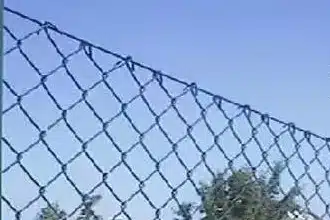
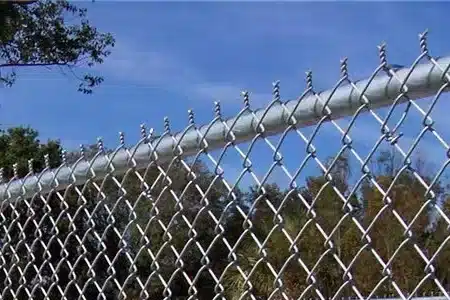
| Combination | Edge arrangement | Purchasing decision | Order description |
|---|---|---|---|
| Knuckle/knuckle — K/K | Folded ends on both edges | Select where the approved detail calls for a folded finish throughout | Knuckled upper edge; knuckled lower edge |
| Mixed knuckle/twist — K/T or K&T | One folded edge and one pointed edge | Assign the required finish to each installed position | Name the upper finish and lower finish individually |
| Twist/twist — T/T | Pointed ends on both edges | Use where both are expressly specified and the supplier confirms the configuration | Twisted upper edge; twisted lower edge |
Treat abbreviations as a convenient product label. The written upper/lower description remains the reference for installation orientation. Ask the supplier to use the same wording on its drawing and order acknowledgement.
Coating belongs in a separate field. A metallic or coloured surface can accompany different edge shapes; approve the finish and the selvage as two distinct product details.
Match the Selvage to the Attachment Detail
For a fence without a top rail, consider a knuckled upper edge where the selected arrangement feeds the top support wire through the folded returns. Show the wire path on the drawing. Other tension-wire arrangements connect the fabric with rings or ties; identify the chosen connection in the specification.
With a top rail, provide separate fabric-to-rail ties or clips suited to the edge finish. Include the terminal tension bars and bands in the accessory schedule. The CLFMI installation details illustrate rail ties and tension-wire connections as separate parts of the fence assembly.
Resolve These Differences Before Comparing Offers
Two quotations may list the same roll dimensions but describe different edge arrangements. Review the fabric line before comparing totals. The broader chain link fence buying guide covers mesh, wire, finish and accessories; the checks below address the edge-specific details.
| Wording or omission in the offer | Question to settle | Required clarification |
|---|---|---|
| “Knuckle edge” | Does this apply to one edge or both? | A separate description for the upper and lower edges |
| “Barbed top” | Is this the fabric's twisted edge or a separate wire topping? | Fabric selvage and topping listed separately |
| “K/T” with no elevation | Which finish faces upward after installation? | Installed orientation written beside the code |
| A height with no measurement detail | Where does the dimension begin and end? | Labelled reference points on the fabric drawing |
| One item number covering several fence zones | Do all those zones use the same edge combination? | Separate schedule lines for each distinct configuration |
Consider a distribution order containing fabric for a public-facing boundary and a service enclosure. If the approved edges differ, keep the two configurations on separate item lines even when mesh opening, colour and roll size are identical. Each line then receives its own quantity and package identification.
For repeat orders, retain the accepted edge detail with the product record. If the next supplier proposes a different finish, resolve that substitution before approving the revised quotation.
Approve a Sample That Shows Both Edges
For visual approval, provide a labelled full-height strip or photographs showing the overall fabric and close-ups of its upper and lower selvages. Identify the item and drawing revision. Where photographs are used, record the height and mesh measurements separately using the agreed inspection method.
Review three features:
- Edge form: the folds or twists correspond to the selected combination.
- Consistency: the finish repeats along the visible edge, including the shape and closure of the wire ends.
- Fabric dimensions: record the measured mesh opening and fabric height against the order specification and its tolerances.
For coated fabric, also examine the surface around the bends and twists. Record visible cracking, flaking or exposed areas for resolution against the agreed finish requirements.
The approval record should include the accepted sample reference, edge descriptions and any changes requested. When the supplier returns a revised sample, close the earlier comments against that revision so purchasing and receiving use the same reference.
Five Receiving Checks for Mixed Roll Orders
A clear label helps the warehouse direct each roll to the intended job or stock location. Keep the edge requirement visible in the item description rather than relying on colour or roll dimensions to distinguish similar products.
- Locate the correct item. Match the package identification to the order line and its stated edge combination.
- Inspect both fabric edges. Compare the upper and lower requirements with the approved sample or drawing.
- Check repeated edge details. Look along several visible positions for open folds, loose ends or inconsistent finishing, using the agreed sampling plan.
- Measure fabric height. Position the sampled fabric as required by the specified inspection method, measure between the stated reference points, and compare the result with the applicable tolerance.
- Separate specification errors from handling damage. Record an incorrect edge combination separately from an isolated bent tip or damaged coating, with the affected roll identification and photographs.
Keep disputed rolls identifiable while the supplier and buyer agree the next action. Record the disposition before issuing them to the site or adding them to saleable stock. This makes the follow-up specific to the affected items and keeps the remaining material traceable.
Add a Selvage Detail to Your RFQ
Use the following entry alongside the main fabric specification. Complete a separate entry when another fence section needs a different edge arrangement.
| Field | Buyer entry |
|---|---|
| Fence section or stock item | __________ |
| Intended use | __________ |
| Product standard and edition, if specified | __________ |
| Top attachment detail | Top rail / tension wire / other: __________ |
| Upper edge when installed | Knuckled / Twisted: __________ |
| Lower edge when installed | Knuckled / Twisted: __________ |
| Fabric height, measurement reference and tolerance | __________ |
| Mesh opening and measurement basis | __________ |
| Wire diameter and measurement basis | Metallic-coated wire / steel core / finished polymer-coated diameter: __________ |
| Coating and colour, where applicable | __________ |
| Roll length and number of rolls | __________ |
| Edge sample or drawing reference | __________ |
| Required roll/package identification | __________ |
| Delivery destination and terms | __________ |
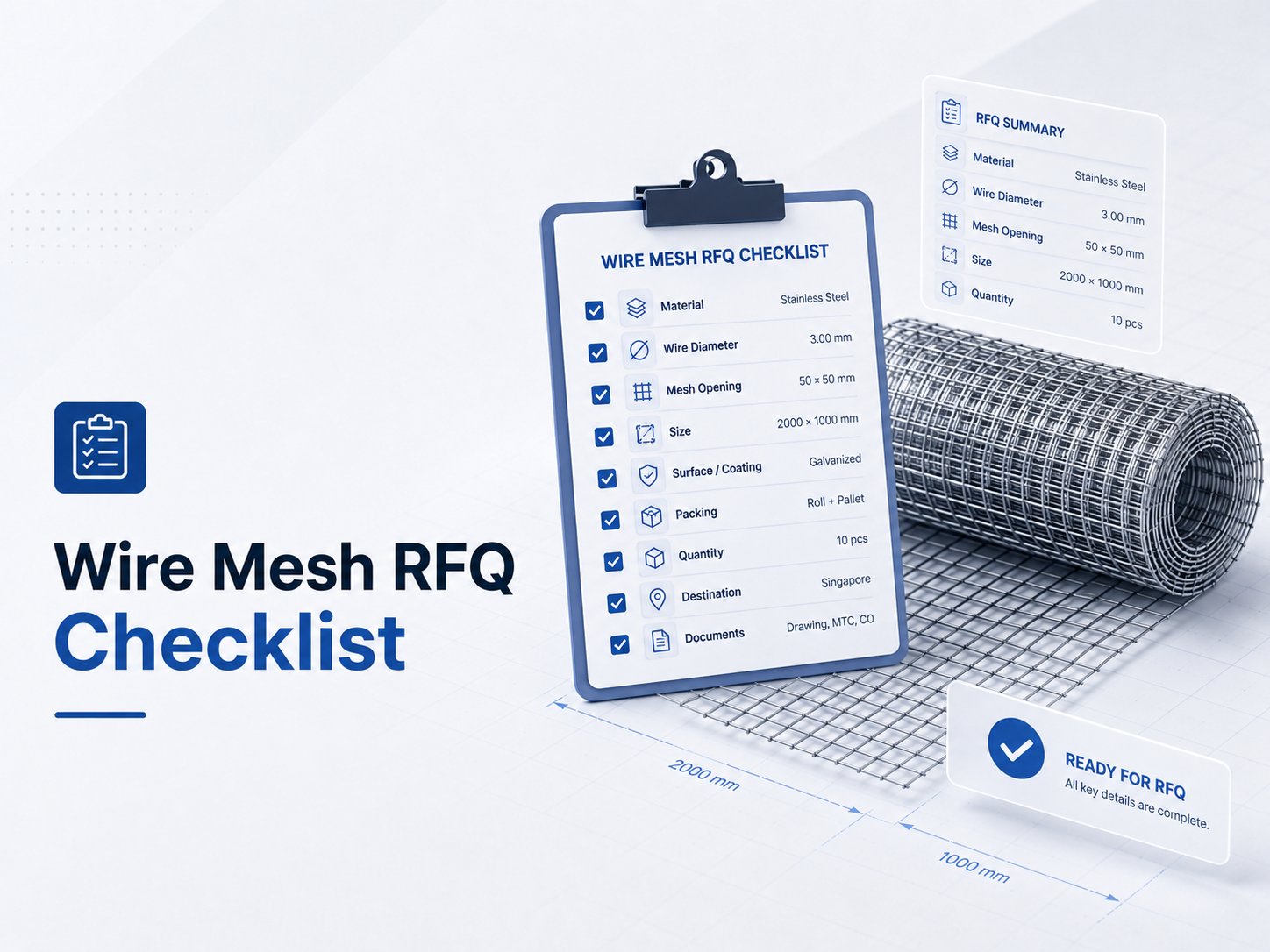
Include the same edge fields in the supplier's returned offer. For the rest of the fence package, use the Wire Mesh RFQ Specification Builder to organize the main product requirements and attach this selvage entry to the inquiry.
Frequently Asked Questions
Is twisted selvage the same as barbed wire?
Twisted selvage is formed from the ends of the chain link fabric itself. Barbed-wire topping is supplied separately and supported above the fence. Specify each item independently when a project requires both.
Does a PVC-coated fence have knuckled edges?
PVC describes the surface coating. The fabric may have folded or twisted ends according to the supplied configuration. Check the edge shape directly and record the coating separately.
Can fence height be used to choose the selvage?
Check the selvage provisions in the product standard and edition specified for the order, using the stated mesh size and fabric height. Record the upper and lower finishes explicitly. If a different arrangement is proposed, resolve it against the project requirements before acceptance.
What does K/T mean on a supplier's quotation?
It generally identifies a mixed arrangement with one knuckled and one twisted edge. Confirm the supplier's notation, then write the installed upper and lower finishes in full on the order.
Discuss Your Chain Link Fabric Requirement
ANJIA supplies galvanized and PVC-coated chain link fencing for distributors and project buyers. Send your selected edge arrangement with the fabric dimensions, finish, quantities and destination. Our team can review the specification and identify the details needed for a comparable quotation.
About ANJIA GROUP
ANJIA GROUP supplies wire mesh, fencing and related industrial products for global B2B buyers. Contact our team to discuss product specifications, matching accessories and export packing.
Discuss your sourcing requirements
Send your product requirements and any relevant drawings to our team.
Get a Free Business Quote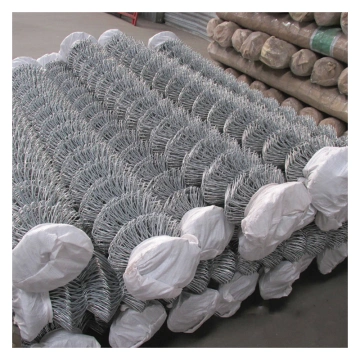 Chain Link Fence
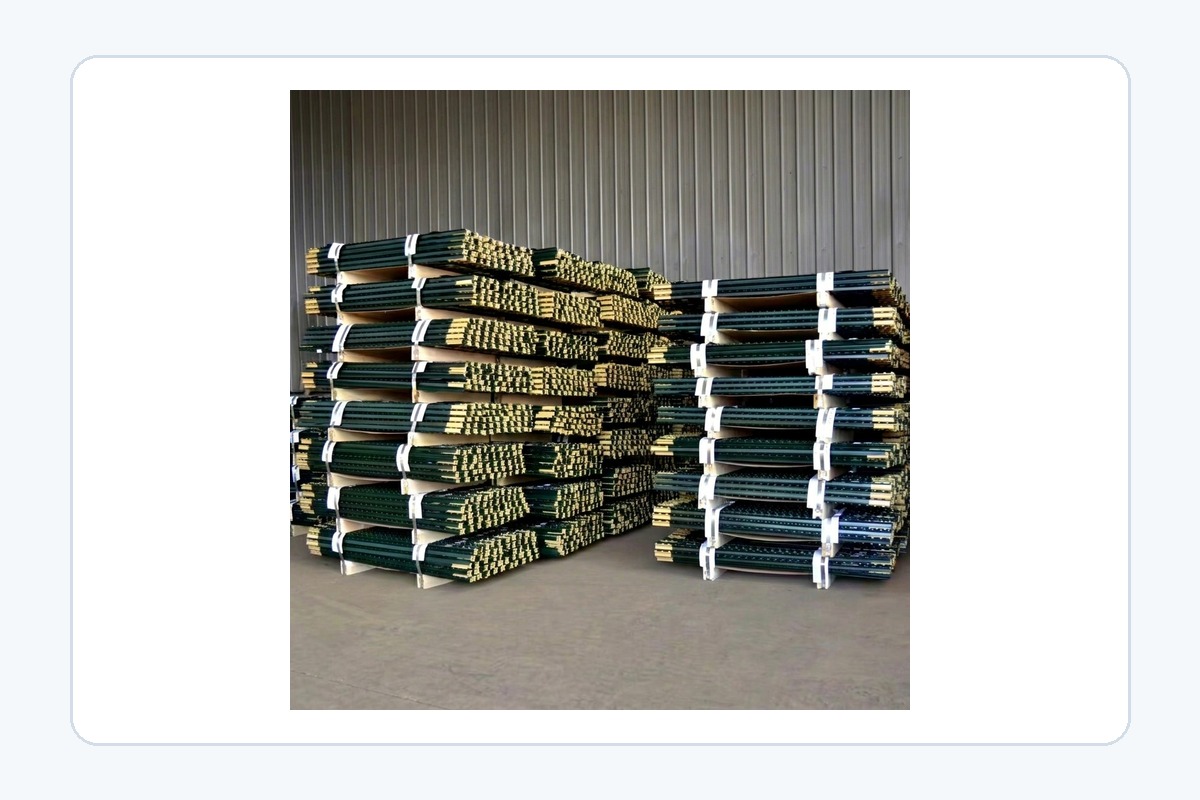 Fence Posts
 Wire Mesh RFQ Specification Builder
 Chain Link Material Calculator