
Chain Link Fence Fittings and Accessories: Posts, Tension Wire, Clamps and Packing Checks
Updated Jun 23, 2026
Use this chain link fence fittings checklist to confirm posts, rails, tension wire, clamps, caps, gate hardware, packing labels and RFQ details.
Table of contents
A chain link fence order is not complete if the buyer only confirms the mesh roll. Posts, top rails, tension wire, tension bars, clamps, caps, tie wire and gate hardware all affect whether the shipment can be installed smoothly after arrival.
For importers and project buyers, the real sourcing question is simple: can every component in the fence system be named, counted, packed and checked before the container is sealed? This guide gives a practical RFQ checklist for chain link fence fittings and accessories, with a focus on purchase orders, packing review and supplier communication.
For broader fence sourcing, buyers can also use the Fence Applications & Specifications hub and the guide to wire mesh export packing photos to connect component checks with shipment proof.

Why accessories should be checked before shipment
Chain link fence buyers often start with mesh opening, wire diameter, roll height, roll length and surface finish. Those details are important, but the fence is installed as a system. A correct mesh roll still cannot complete a project if key accessories are missing or packed without identification.
Common RFQ gaps include:
- post caps that do not match the post diameter;
- tension bars or tension bands left out of the quotation;
- tie wire or clips not counted clearly;
- gate hinges and latches treated as assumptions rather than line items;
- accessory bags packed without labels or quantity references.
The cost of a missing accessory is not only the unit price of that small part. It may create local purchasing work, installation delay, compatibility questions and extra communication between the buyer, installer and supplier. This is why experienced buyers ask for an accessory list before confirming production.
Main component groups in a chain link fence order
A practical chain link fence RFQ should separate the main component groups instead of using one vague line such as "complete fence set".
Chain link mesh or fabric
The mesh is the visible diamond-pattern fabric. Buyers should confirm wire diameter, mesh opening, roll width, roll length, surface finish and quantity. If the project needs a specific edge type or color finish, it should be written clearly in the RFQ.
Line posts
Line posts support the mesh along the fence run. The order should state post type, diameter or section, wall thickness, length, surface finish and quantity. Post quantity depends on the project layout, post spacing and installation plan, so it should be confirmed from drawings or buyer instructions.
Terminal posts
Terminal posts are used at ends, corners and gate locations. These are usually treated separately from line posts because they carry different load and connection requirements. Buyers should identify end posts, corner posts and gate posts instead of using one combined post count.
Top rail and rail connectors
Top rail gives the fence a cleaner top line and helps support the mesh. The RFQ should include tube size, finish, total length and any connectors or sleeves needed for joining sections. Rail ends and brace bands should not be assumed.
Tension wire and tie wire
Tension wire is often used near the bottom of the fence to reduce lifting. Tie wire or clips attach the mesh to posts and rails. These small items are easy to overlook, so buyers should ask suppliers to state the wire size, bundle format and quantity basis.
Tension bars, bands and clamps
Tension bars pass through the mesh at terminal points, while bands, clips or clamps hold the bar against the post. The required size and quantity depend on post diameter, fence height and layout. The safer RFQ approach is to list these parts as their own line items.
Caps and small fittings
Post caps, rail end caps, bolts, nuts, washers, brace bands and rail ends are small but important. Buyers should ask that fittings be sorted by type and packed with visible labels or packing references.
Gate frames and gate hardware
If the fence includes gates, the RFQ should not stop at "gate included". Gate frame, hinges, latch, drop rod, stopper and any special hardware should be listed separately. Gate hardware is one of the easiest categories to miss because it may be treated as a project assumption.
Accessory packing checks before loading
After the component list is confirmed, the next risk is packing. A complete packing check should show that the right accessories are packed in a way the buyer can identify later.
Buyers can request:
- fittings sorted into separate bags by component type;
- blank or buyer-approved labels showing component name, specification or quantity reference;
- cartons or master bags grouped by order or fence section if needed;
- bundled posts and rails with quantity marks;
- photos of accessory bags before cartons are closed;
- loading photos showing mesh rolls, post bundles, rail bundles and accessory cartons.
The goal is not to create a complicated document package. It is to make sure the buyer can match the physical goods to the purchase order, packing list and project layout.

How to write the RFQ
A strong RFQ should read like a bill of materials, not a product name.
Instead of:
Chain link fence, 1 container, please quote.
Use a clearer structure:
- chain link mesh: opening, wire diameter, height, roll length, finish and roll quantity;
- line posts: type, diameter or section, wall thickness, length, finish and quantity;
- terminal posts: end, corner and gate post quantities;
- top rail: size, length, finish and connector requirement;
- tension wire: wire diameter, finish, roll or bundle format and quantity;
- tie wire or clips: size, packing unit and quantity;
- tension bars and bands: matching post and fence size requirements;
- caps, bolts, rail ends and brace bands: separate accessory count;
- gates: frame size, hinge, latch and drop rod requirements;
- packing: bag labels, carton grouping, post bundles and loading photo requirement.
When the buyer does not have final accessory quantities, it is reasonable to provide a project sketch or fence layout and ask the supplier to propose a bill of materials for review. The final order should still be confirmed item by item.
Quick reference checklist
| Component group | What to confirm | Packing or omission risk |
|---|---|---|
| Mesh roll | Opening, wire diameter, roll height, roll length, finish | Usually clear, but edge and coating details may be missed |
| Line posts | Size, wall thickness, length, finish, quantity | Quantity depends on layout |
| Terminal posts | End, corner and gate locations | Easy to miscount if layout changes |
| Top rail | Tube size, length, connectors | Connectors and rail ends may be missing |
| Tension wire | Wire size, length, packing unit | Often omitted from simple RFQs |
| Tie wire or clips | Size, count, bundle or bag format | Quantity can be underestimated |
| Tension bars | Size and quantity by terminal point | Must match terminal post positions |
| Bands and clamps | Matching post size, bolts included | Small parts can be mixed or under-counted |
| Caps and bolts | Diameter and quantity | Wrong size can delay assembly |
| Gate hardware | Hinges, latch, drop rod, stopper | Frequently assumed but not listed |
Supplier proof buyers can request
For large or repeat orders, buyers can request simple proof before shipment:
- a photo of accessory bags before sealing;
- a packing list with component names and quantities;
- a photo of post and rail bundles;
- a loading photo showing the accessory cartons or bags;
- a short video sweep of the packed goods if the order is complex.
These checks do not replace formal inspection where required, but they help reduce common communication gaps.

FAQ
How do I calculate the correct quantity of chain link fence accessories?
Accessory quantities depend on the project layout, post spacing, gate openings, fence height and whether top rail, tension wire or security-top options are included. If the buyer does not have a final bill of materials, the supplier should review the layout and provide an accessory list for approval.
Can mesh and accessories be purchased from different suppliers?
Yes, but it increases compatibility work. Post caps must match post diameter, bands must match post size, and gate hardware must match the gate frame. If suppliers are different, the buyer should confirm dimensions and fitting compatibility before shipment.
Which accessory is most often missed?
Gate hardware, tension bars, bands, tie wire and small bolts are common risk points because they may be treated as assumptions. The best prevention is to list them as separate line items and ask for packing photos.
How should chain link fence accessories be packed?
Small fittings should be sorted by type, packed in labeled bags or cartons, and matched with the packing list. Posts and rails should be bundled. The exact packing method should match order size, product finish and destination handling conditions.
How can ANJIA help with a complete fence RFQ?
ANJIA GROUP can review mesh specifications, post and rail requirements, accessory categories and packing expectations before quotation. Buyers can send fence length, height, layout, gate requirements, finish and destination details through the ANJIA inquiry page for a clearer RFQ basis.
A complete fence order is a complete component list
For chain link fence sourcing, the buyer is not only buying mesh. The buyer is buying a system that must arrive with compatible posts, rails, wire, clamps, caps and gate hardware.
The safest purchasing process is to name each component, confirm quantity basis, request sorted accessory packing and review photos before loading. That creates a clearer order for the supplier and a more reliable shipment for the buyer.
About ANJIA GROUP
ANJIA GROUP supplies wire mesh, fencing and related industrial products for global B2B buyers. Contact our team to discuss product specifications, matching accessories and export packing.
Discuss your sourcing requirements
Send your product requirements and any relevant drawings to our team.
Get a Free Business Quote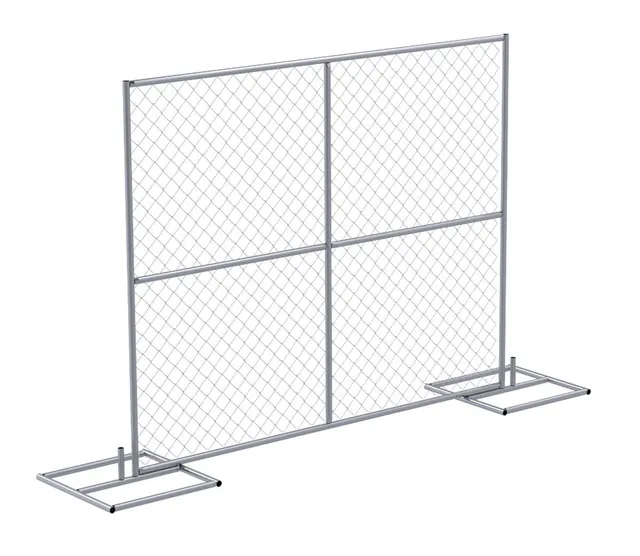 Chain Link Fence
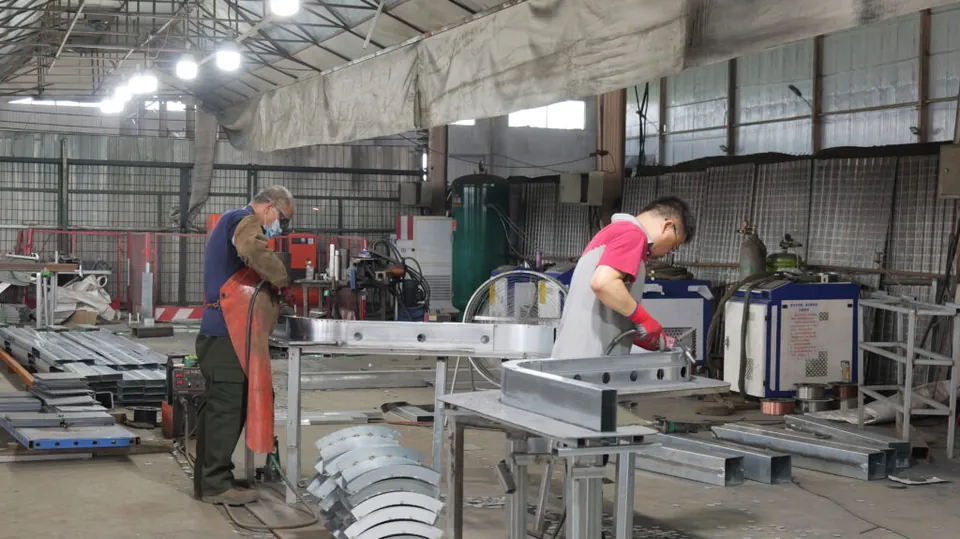 Fence Post
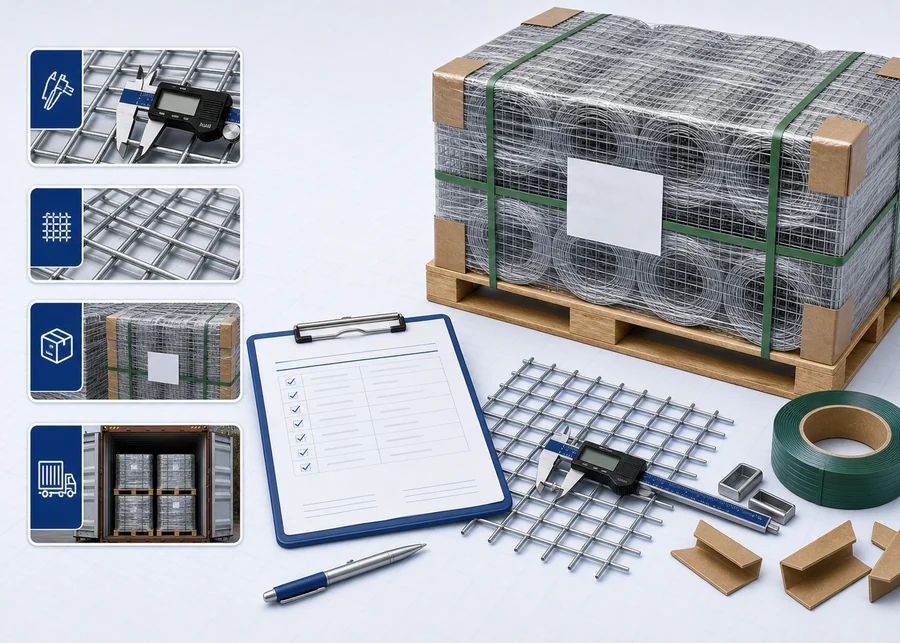 Factory, QC & Packing Reference Pack
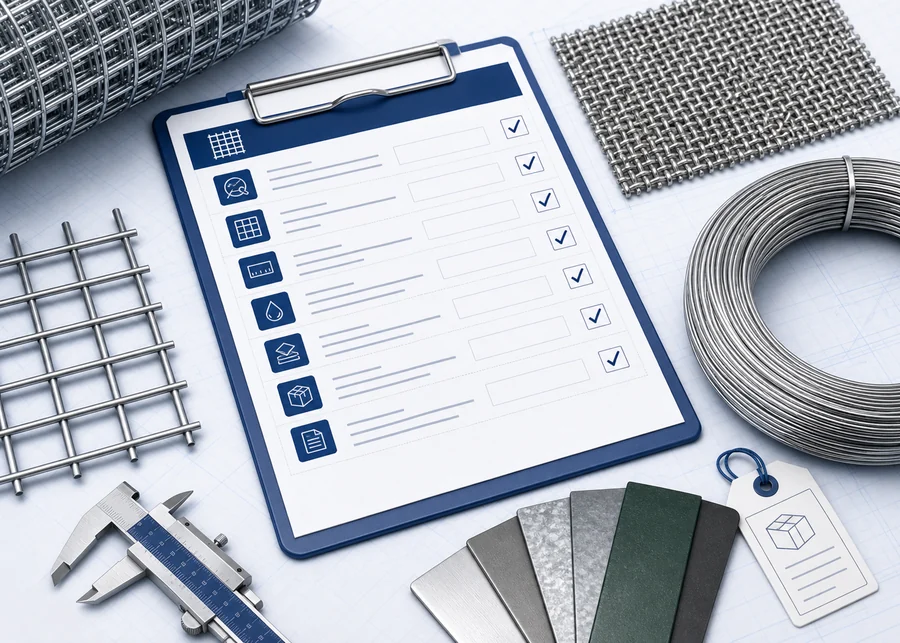 Wire Mesh RFQ Checklist