
Wire Mesh Export Packing Photos: What Importers Should Ask Suppliers to Show
Updated Jun 23, 2026
A practical photo checklist for importers reviewing wire mesh packing, pallet protection, accessories, loading proof and documents before shipment.
Table of contents

For wire mesh and fencing importers, packing is not a small detail after production. It is the stage where finished goods become a shipment that must survive warehouse handling, inland transport, container loading, ocean freight and destination unloading.
Many buyers ask suppliers whether they use "export packing" or "seaworthy packing." Those phrases are useful as a starting point, but they are not enough by themselves. A better sourcing question is: "What packing photos can you show for this order before shipment?"
This practical checklist explains the packing photo evidence importers can request for wire mesh rolls, panels, fence products, gabion accessories and mixed shipments. It does not prescribe one fixed packing method for every order. Different products, routes and buyer requirements need different packing plans. The goal is to help buyers review the right proof before the container leaves the factory.
For broader factory evidence, buyers can also review ANJIA factory video references and the wire mesh buying guides hub.
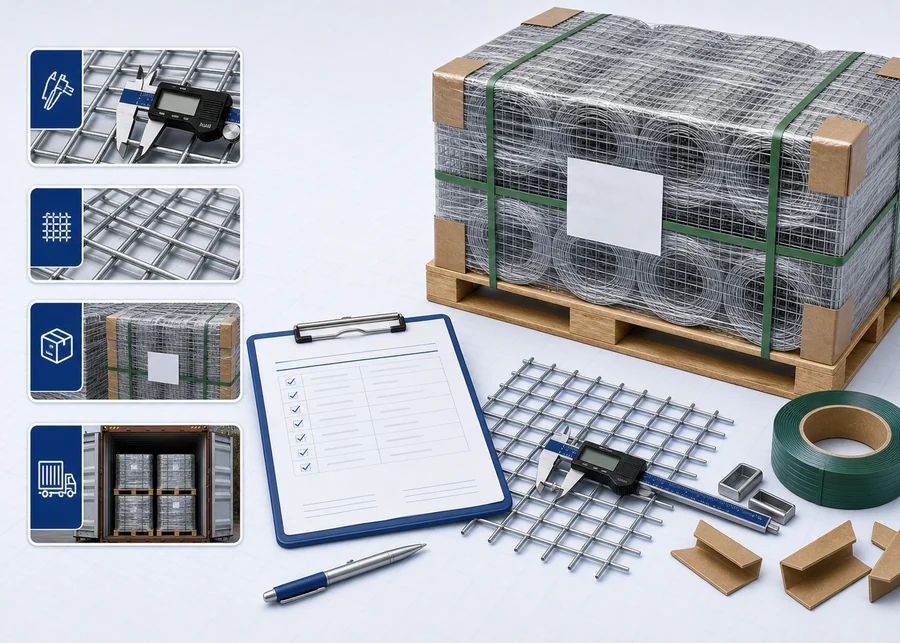
Proof-ready answer: A useful packing photo set should show product identity, package protection, accessory separation, loading overview and document matching for the same order. These photos support remote review, but they do not replace product inspection, material testing, weighing records or shipping documents when those controls are required.
Why packing photos matter before shipment
Packing photos help the buyer confirm what was actually done for a specific order. They are especially useful when the buyer cannot attend loading in person or arrange a third-party inspection.
A good packing photo record can help answer several practical questions:
- Are the correct goods being packed?
- Are rolls, panels and accessories identified clearly?
- Is the pallet or bundle strong enough for handling?
- Are small parts separated and labeled?
- Does the loading photo match the packing list?
- Are there visible risks before the container is sealed?
Packing photos do not replace product inspection, material testing or shipping documents when those are required. They are a visual control layer that supports communication between the buyer and supplier before shipment.
| Photo proof area | What the buyer should see | What it can help reduce |
|---|---|---|
| Identity | Product name, size, order mark, pallet or roll count. | Wrong-item and warehouse sorting risk. |
| Protection | Wrapping, edge protection, spacers, cartons, pallets or bundle control. | Handling damage and surface-scratch disputes. |
| Loading | Container sequence, mixed-product separation and final loaded view. | Receiving confusion and missing-package questions. |
Checkpoint 1: product labels and order identification
Before goods are wrapped or loaded, each roll, bundle, pallet or carton should be identifiable. The exact label format depends on the product and buyer requirement, but the photo should make the order easier to trace.
Useful label photos may show:
- product name or product category;
- size, mesh opening, wire diameter or other key specification;
- quantity or roll count when applicable;
- pallet, bundle or carton number;
- order reference, batch reference or buyer mark when agreed.
For public communication, suppliers should avoid exposing sensitive buyer information. If a packing label includes private customer names, contract numbers or destination details, the supplier can crop or mask the photo before using it for public-facing materials. For private order communication, the buyer may still need the complete record.
The buyer's review question is simple: "Can the goods be identified after arrival without opening every package?"
Checkpoint 2: pallet protection and wrapping
Wire mesh products are often heavy, rigid or easy to scratch during handling. Pallet and wrapping photos help the buyer judge whether the packing method matches the product format.

For palletized products, useful photos can show:
- pallets or frames under the goods;
- wrapping film, woven bag, paper, cardboard or other protective material;
- whether goods stay inside the pallet footprint;
- whether straps, bands or supports are positioned clearly;
- whether the top, edges and contact points are protected where needed.
The right packing method depends on the product. Welded mesh rolls, fence panels, gabion mesh, window screen, wire coils and accessory cartons do not all need the same structure. A buyer should not judge by one generic packing photo. The better approach is to ask for a packing photo that matches the product and shipping route.
If moisture protection, rust prevention, edge protection or special marking is important for the order, it should be written into the RFQ or purchase order before packing starts.
Checkpoint 3: panel bundling and stack stability
Rigid wire mesh panels and fence panels need stable bundling. If panels shift during transit, they can scratch coating, bend edges or create unloading problems at destination.
Useful panel bundling photos may show:
- aligned panel edges;
- strap positions across the bundle;
- corner or edge protection when used;
- spacer or support points;
- bundle height and forklift handling direction;
- whether protruding wire ends are controlled.
The photo does not need to look perfect. It needs to help the buyer evaluate whether the bundle is controlled. For example, uneven panels, loose straps, overhanging edges or torn wrapping can be early warning signs that should be discussed before the goods are loaded.
Buyers preparing panel or fence orders can start from the ANJIA product center and send the expected size, quantity, coating, packing and loading requirements through the inquiry page.
Checkpoint 4: accessories and small parts
Fence and project shipments often include accessories. Posts, clamps, bolts, brackets, tie wire, tension wire, caps, clips, tools or sample pieces may be small compared with the main product, but they can delay installation if they are missing or mixed.

Accessory photos can show:
- bags, cartons or bundles for small parts;
- quantity labels or item labels;
- how accessories are separated from main goods;
- whether accessory packages are placed in a controlled location;
- whether the packing list includes matching accessory quantities.
For a mixed shipment, the buyer should ask for one overview photo and several detail photos. The overview shows how the shipment is organized. The detail photos help confirm whether small parts are complete and traceable.
This is also where quality documentation becomes useful. Photos, packing lists and inspection records should support one another, not contradict one another.
Checkpoint 5: loading photos and final shipment proof
Loading photos are often the most important part of the packing record. They show the transition from packed goods to shipment.

A practical loading photo sequence may include:
- empty truck or container condition when relevant;
- goods waiting for loading;
- loading in progress;
- final loaded arrangement;
- container, truck or seal reference when needed for private order records.
For public pages, suppliers should be careful with container numbers, truck plates, customer marks and shipping documents. For private buyer communication, those details may be useful. For public SEO content, they should be cropped, masked or selected carefully.
The buyer should compare the loading photos with the packing list. If the packing list says there are a certain number of pallets, bundles or cartons, the photos should not tell a different story.
Checkpoint 6: document matching
Packing photos are strongest when they match the document set. The photo record and the paperwork should describe the same shipment.
Important matching points include:
- product names and descriptions;
- pallet, bundle or carton count;
- gross weight and volume when available;
- container or truck reference when applicable;
- packing list, invoice and other export documents;
- inspection, certificate or origin documents when required by the order.
Document requirements vary by destination, buyer, product and shipping route. A supplier should not promise every possible document for every order in a blog article. The practical step is to confirm which documents are required before production and packing are completed.
If buyers need raw material, pre-production or inspection checkpoints before packing, they can also review ANJIA raw material and pre-production checks.
Packing photo checklist for importers
The checklist below can be used before shipment. It is not a replacement for the order contract, but it helps buyers ask more specific questions.
| Photo checkpoint | What to request | Why it matters |
|---|---|---|
| Product labels | Roll, bundle, pallet or carton labels | Helps identify goods after arrival |
| Pallet protection | Wrapped pallet or bundle from more than one angle | Shows how goods are protected for handling |
| Panel or roll stack | Stack condition, strapping and edge position | Helps spot shifting or deformation risk |
| Accessories | Bags, cartons, labels and count reference | Reduces missing-part disputes |
| Loading overview | Goods before loading and final loaded state | Connects packing record with shipment |
| Documents | Packing list, invoice or required documents when applicable | Helps avoid mismatch before customs clearance |
Common signs that packing proof is too weak
Packing proof may be too weak if the supplier only sends one general photo that could belong to any order. Buyers should ask follow-up questions when they see:
- no visible product labels;
- no order or bundle reference;
- only close-up photos with no shipment overview;
- no accessory photo for a shipment that includes small parts;
- no final loaded photo;
- document details that do not match the photo record;
- blurred or incomplete photos that cannot support a review.
This does not always mean the supplier is unreliable. Sometimes the supplier simply needs a clearer photo checklist from the buyer. The key is to correct the missing evidence before the shipment leaves.
How to include packing photos in an RFQ
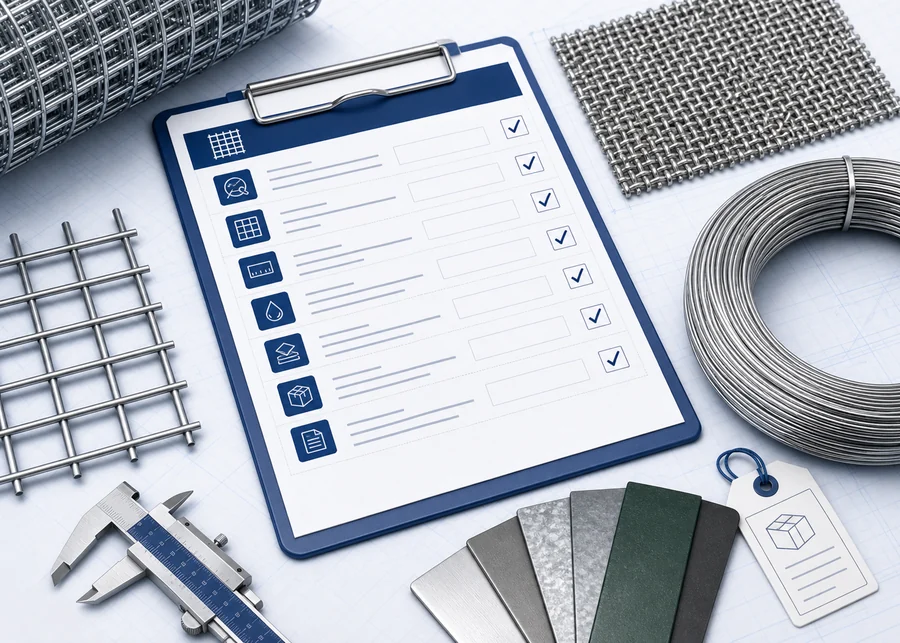
The best time to request packing photos is before the order is confirmed, not after the goods are already loaded. Buyers can include a simple packing-photo requirement in the RFQ:
- Product and specification photos before packing.
- Label photos for rolls, bundles, pallets or cartons.
- Packing and wrapping photos before loading.
- Accessory photos with quantity reference.
- Loading overview and final loaded state.
- Document copies or scans when applicable.
This does not need to be complicated. A short checklist helps both sides understand which evidence is important. It also gives the supplier time to arrange photos without interrupting the packing team at the last minute.
Buyers can send product type, quantity, packing requirement, destination and photo checkpoints through the ANJIA inquiry page. For video-style proof, the ANJIA video center provides examples of factory and shipment reference materials.
FAQ
How many packing photos should I ask for?
There is no fixed number for every order. A simple repeat shipment may need fewer photos, while a mixed product order or first cooperation may need more. The more important rule is coverage: labels, packing, accessories, loading and documents should all be addressed when they matter to the order.
Should packing photos show private order information?
For private buyer communication, order references may be useful. For public websites, brochures or social media, customer names, contract numbers, PI numbers, shipping marks and destination details should be cropped or masked unless the buyer has approved public use.
Can packing photos replace third-party inspection?
No. Packing photos are a communication and evidence tool. They do not replace third-party inspection, laboratory testing, product-specific compliance review or buyer acceptance procedures when those are required.
What if I find a packing problem in the photos?
Raise the issue before shipment. Problems such as missing labels, weak wrapping, unclear accessory packing or document mismatch are usually easier to correct before loading is complete.
Does ANJIA provide packing photos for export orders?
ANJIA GROUP can discuss order-specific packing photos, loading photos, video references and document checkpoints based on the product and buyer requirement. Buyers should state the required proof points during RFQ or order confirmation so the team can align the packing record with the shipment.
Packing proof is part of sourcing quality
For importers, packing quality is not only about cartons, pallets or wrapping film. It is about whether the supplier can show a clear, order-specific process before goods leave the factory.
A practical photo checklist helps buyers review product identity, packing protection, accessory completeness, loading status and document consistency. It also helps suppliers understand what evidence matters to the buyer.
If your next order includes wire mesh, fencing, gabion products, wire, screen or mixed accessories, prepare the packing proof requirement early. It can reduce misunderstandings, support remote review and make the shipment easier to verify before it leaves China.
About ANJIA GROUP
ANJIA GROUP supplies wire mesh, fencing and related industrial products for global B2B buyers. Contact our team to discuss product specifications, matching accessories and export packing.
Discuss your sourcing requirements
Send your product requirements and any relevant drawings to our team.
Get a Free Business Quote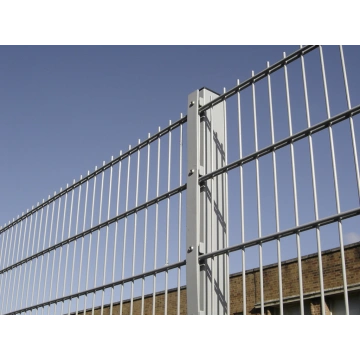 Wire Mesh and Fence Products
 Wire Mesh Products
 Factory, QC & Packing Reference Pack
 Wire Mesh RFQ Checklist