
Square Wire Mesh Buying Guide: Mesh Opening, Wire Diameter, Material, Roll Size and Packing

Updated Jun 23, 2026
Specify square wire mesh by opening, wire diameter, material, woven or welded construction, roll or panel size, packing, quantity and destination.
Table of contents

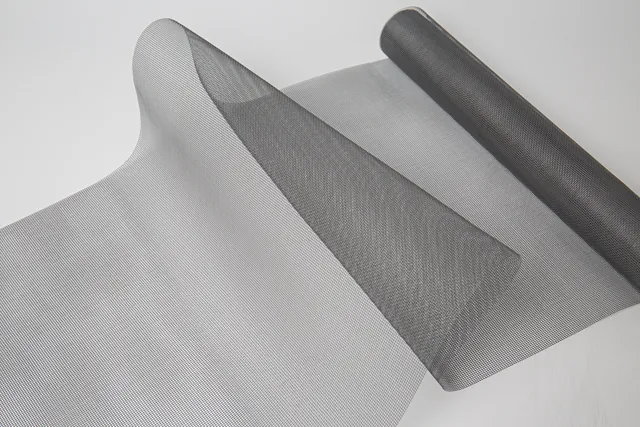
Square wire mesh is a wire mesh product with uniform square openings. It can be woven, where wires interlace over and under each other, or welded, where wires are joined at each intersection.
For buyers, the main risk is treating "square wire mesh" as one fixed product. Mesh opening, wire diameter, material, construction method, roll or panel size, edge condition and packing can all change the quotation and the final use.
This guide explains the specification points to confirm before requesting a square wire mesh quotation.
Quote-ready answer: A square wire mesh RFQ is strongest when it states opening, wire diameter, material, construction, format, quantity, target weight if known, packing and destination. Because metal cost is closely tied to weight, an expected roll weight, panel weight or total shipment weight gives the supplier a useful cross-check against the requested opening and wire diameter.
What buyers should confirm first
Prepare these details before comparing suppliers:
- Mesh opening in millimeters, or mesh count if your market uses that format.
- Wire diameter in millimeters, with BWG equivalent if needed.
- Material: low-carbon steel, galvanized steel, stainless steel or aluminum.
- Construction: woven square mesh or welded square mesh.
- Roll width and roll length, or panel size.
- Edge condition, trimming and tolerance needs.
- Packing: roll wrap, carton, pallet, panel stack or mixed packing.
- Quantity by specification and destination port.
Mesh opening and mesh count
Mesh opening is the inside distance between two adjacent wires. Mesh count is the number of openings per linear inch. The two terms are related, but buyers should not rely on mesh count alone because regional naming habits can differ.
| Opening reference | Approx. mesh count | Typical sourcing use | Buyer note |
|---|---|---|---|
| 2 mm | About 12 to 13 mesh | Fine screening and small openings | Confirm wire diameter and open area |
| 3 mm | About 8 to 9 mesh | Seed, grain and light screening | Ask for sample if separation size matters |
| 5 mm | About 5 mesh | General screening, cages and light protection | Common size range for distributors |
| 6 mm | About 4 mesh | Industrial screening and guards | Confirm woven or welded construction |
| 8 mm | About 3 mesh | General fencing and storage use | Check wire diameter and stiffness |
| 10 mm | About 2.5 mesh | Heavier fencing and construction-related use | Confirm whether panel form is required |
For export orders, millimeter opening is usually clearer than only saying "5 mesh" or "8 mesh." If both terms are used, write them together.
Wire diameter and mesh weight
Wire diameter affects strength, stiffness, weight per square meter and cost. For the same opening, a thicker wire usually makes the mesh heavier and more rigid.
| Wire diameter reference | Common buying context | RFQ note |
|---|---|---|
| 0.7 to 1.0 mm | Light screening and fine openings | Confirm if woven mesh is required |
| 1.2 to 1.6 mm | General rolls and distributor stock | Confirm roll size and weight |
| 1.8 to 2.5 mm | Fencing, guards and heavier use | Confirm whether panel or roll is practical |
| 3.0 mm and above | Heavy panels or industrial use | Confirm flatness, pallet packing and handling |
A low wire diameter can reduce weight, but it may also reduce stiffness or change handling during cutting, bending or installation. If performance is critical, ask for the full specification and samples.
When weight is available, ANJIA can compare the requested specification with theoretical weight, packing weight and shipment weight during quotation and pre-shipment review. This does not replace formal inspection or material testing, but it helps catch specification misunderstandings before the buyer approves production or repeat orders.
Material options
The material should match the environment, budget and buyer's documentation requirements. Do not assume that one material is always better.
| Material | Common buying reason | Buyer caution |
|---|---|---|
| Low-carbon steel | Budget indoor or temporary use | Rust protection may be limited without coating |
| Electro-galvanized steel | General distributor and light outdoor use | Confirm zinc layer and storage condition |
| Hot-dip galvanized steel | Outdoor, agricultural and construction-related use | Confirm coating requirement and surface finish |
| Stainless steel 304 | Corrosion resistance for industrial or clean-use applications | Confirm grade, weave and certificate requirement if needed |
| Stainless steel 316 | Higher corrosion-resistance requirement | Confirm chloride, marine or chemical exposure details |
| Aluminum | Lightweight or non-ferrous use | Confirm stiffness, wire diameter and market acceptance |
For grade selection, see the stainless steel wire mesh 304 vs 316 guide. For galvanized welded mesh sourcing, see the galvanized welded wire mesh buying guide.
Woven vs welded construction
Square wire mesh describes the opening shape, not the manufacturing method. Buyers should confirm whether the mesh is woven or welded.
| Item | Woven square wire mesh | Welded square wire mesh |
|---|---|---|
| Structure | Wires interlace over and under | Wires are welded at intersections |
| Flexibility | More flexible and roll-friendly | More rigid and flat |
| Typical format | Mainly rolls | Panels and some light rolls |
| Common use | Screening, sieving, storage and curved surfaces | Fencing, guards, shelves and construction-related panels |
| Buyer note | Confirm weave type and edge condition | Confirm weld strength, flatness and panel tolerance |
If the mesh needs to bend, roll or fit a curved surface, woven square mesh may be easier to handle. If the mesh needs to stay flat and rigid, welded square mesh may be more suitable.
Roll size and panel size
Square wire mesh can be supplied in rolls or panels. The format affects packing, loading, unloading and installation.
- Roll width, such as 1.0 m, 1.2 m, 1.5 m or a custom width.
- Roll length, such as 10 m, 15 m, 25 m or 30 m.
- Roll weight and core requirement.
- Panel width and length.
- Flatness and tolerance.
- Pieces per pallet, separator, banding and corner protection.
For mixed sizes, ask for total square meters, roll count or panel count, and an estimated loading plan before confirming the order.
Packing for export
Packing should protect the mesh and keep different specifications easy to identify after arrival.

Common roll packing options include kraft paper, PE film, woven bag, carton and pallet packing. Common panel packing includes stacked panels, separators, corner protection, steel or plastic banding and wooden pallets.
- Edge damage.
- Loose winding.
- Moisture staining.
- Panel bending.
- Mixed-specification confusion.
- Missing labels or unclear batch separation.
For broader packing logic, see the wire mesh fence export packing checklist.
Proof-ready context: For square wire mesh, packing evidence is most useful when it connects the product specification with visible shipment details. Buyers can ask for roll or panel overview photos, label close-ups, pallet photos and weight or package-count records where they apply. These records help confirm that the quoted opening, wire diameter, format and quantity are moving toward the same order, but they do not replace sample approval, formal inspection or material testing when the project requires those controls.
Market and application considerations
Different buyers may use square wire mesh for different purposes. A distributor may need mixed roll sizes and simple labels. A project buyer may need panel tolerance, drawings and packing photos.
| Buyer type | Common focus | What to confirm |
|---|---|---|
| Agricultural distributor | Roll size, galvanized finish and packing | Opening, wire diameter, roll count and market preference |
| Construction buyer | Welded panel size and stiffness | Engineering requirement, panel tolerance and unloading plan |
| Industrial screening buyer | Opening accuracy and material | Sample, weave type and inspection method |
| General distributor | Mixed specifications and price comparison | Label, pallet plan and SKU separation |
Avoid using a general market table as a fixed specification. The final choice should come from the buyer's target use, local requirements and sample review.
RFQ checklist
- Mesh opening in mm and mesh count if required.
- Wire diameter in mm and BWG if required.
- Material and surface finish.
- Woven or welded construction.
- Roll width and length, or panel size.
- Edge condition and tolerance requirement.
- Quantity by specification.
- Packing method and label requirement.
- Destination port and trade term.
- Any project, food-contact, fire, engineering or local document requirement to confirm.
A complete RFQ helps suppliers quote the same product and helps buyers compare price, packing, loading and delivery planning more reliably.
Frequently Asked Questions
Is square wire mesh the same as welded wire mesh?
No. Square wire mesh describes the opening shape. It can be woven or welded. Welded wire mesh specifically means wires are joined at intersections.
Should I specify mesh opening or mesh count?
For export orders, mesh opening in millimeters is usually clearer. If your market uses mesh count, provide both opening and mesh count.
Which material should I choose?
Low-carbon or galvanized steel is common for budget and general use. Stainless steel may be used when corrosion resistance or clean-use requirements matter.
Can square wire mesh be used for concrete reinforcement?
Welded square mesh may be specified for some construction-related applications, but suitability should be checked against project drawings and local requirements.
What should I send before asking for price?
Send mesh opening, wire diameter, material, woven or welded construction, roll or panel size, quantity, packing method and destination.
Conclusion
Square wire mesh should be specified by opening, wire diameter, material, construction method, roll or panel size, packing and destination.
For importers and distributors, the safest approach is to compare suppliers on the same specification and approve samples before bulk production, especially for new material grades, custom openings, mixed sizes or project-related orders.
About ANJIA GROUP
ANJIA GROUP supplies wire mesh, fencing and related industrial products for global B2B buyers. Contact our team to discuss product specifications, matching accessories and export packing.
Discuss your sourcing requirements
Send your product requirements and any relevant drawings to our team.
Get a Free Business Quote Square Wire Mesh
 Wire Mesh Products
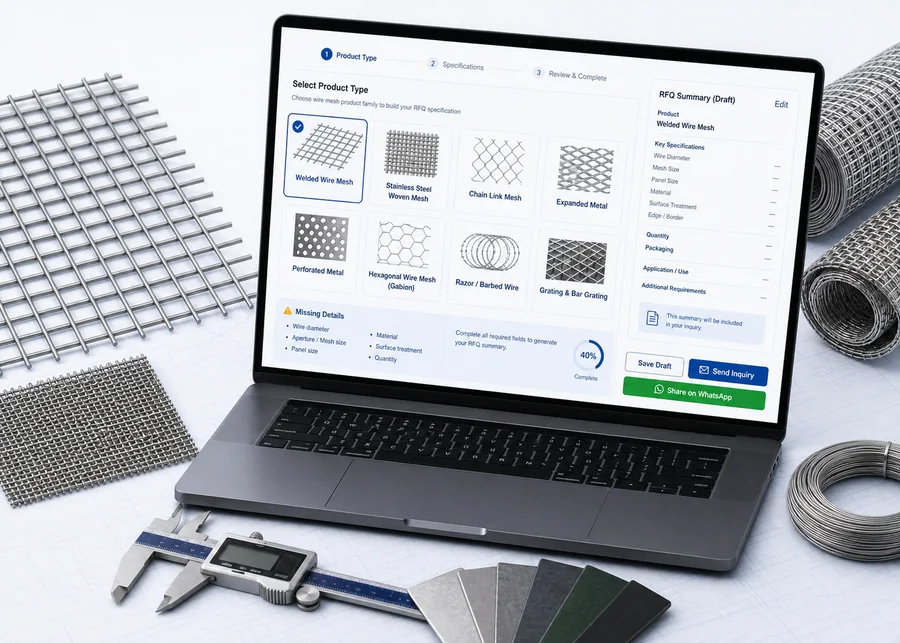 Wire Mesh RFQ Specification Builder
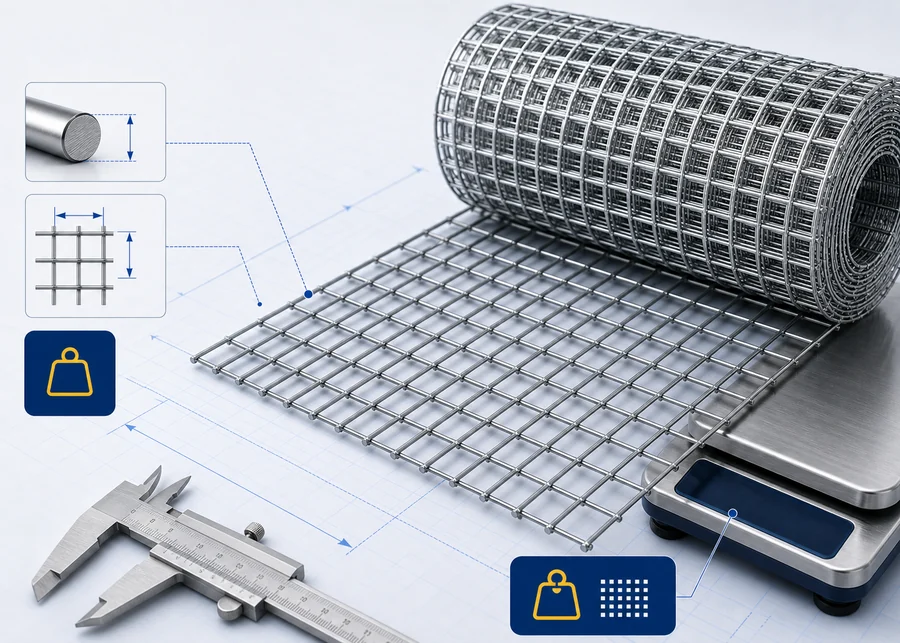 Wire Mesh Weight Calculator