
Fiberglass Window Screen Buying Guide: Mesh Count, Roll Width, Color, Weight and Packing

Updated Jun 23, 2026
Specify fiberglass window screen by mesh count, yarn or weight, roll width, roll length, color, packing, quantity and destination before comparing offers.
Table of contents

Fiberglass window screen is a common insect-screen material for residential windows, patio enclosures, ventilation openings and light commercial projects. It is lightweight, flexible and easy to handle, which makes it suitable for many roll-based distribution and installation workflows.
For buyers, the main risk is sending an RFQ that only says "fiberglass screen" or "window screen roll." Mesh count, yarn thickness, roll size, color, weight and packing can all vary between suppliers.
This guide explains the key specification points to confirm before requesting a fiberglass window screen quotation.
What buyers should confirm first
Prepare the basic specification before comparing prices:
- Mesh count, such as 18 x 16 or 18 x 18.
- Yarn diameter or weight per square meter.
- Roll width and roll length.
- Color, such as charcoal, black, silver gray or white.
- Core size and roll winding requirement.
- Packing: kraft paper, PE film, carton, pallet or mixed packing.
- Quantity by specification.
- Destination port and trade term.
If the screen will be used in a region with special insect, climate, fire, building-code or project requirements, confirm those requirements before ordering.
Mesh count
Mesh count is the number of yarns per linear inch in each direction. It is usually written as warp x weft, for example 18 x 16.
| Mesh count | Typical sourcing use | Buyer note |
|---|---|---|
| 14 x 14 | Budget screens and larger-insect areas | More airflow, larger openings |
| 16 x 16 | General residential and ventilation use | Common option for standard insect screening |
| 18 x 16 | Widely used residential screen specification | Balance insect screening, visibility and airflow |
| 18 x 18 | Denser visual screen and smaller opening | Confirm airflow and visibility expectations |
| 20 x 20 or finer | Small-insect or special project requirements | Confirm market requirement and sample before ordering |
Avoid quoting only "18 mesh." Always confirm both directions because supplier conventions can differ.
Yarn diameter and screen weight
Mesh count describes how many yarns are present. Yarn diameter and weight per square meter help buyers understand hand feel, stiffness and quotation basis.
| Item | What it affects | RFQ note |
|---|---|---|
| Yarn diameter | Opening size, stiffness and handling | Confirm in mm or by sample |
| Weight per square meter | Consistency and quotation comparison | Ask for g/m2, not only roll weight |
| PVC coating condition | Surface feel and appearance | Confirm smooth surface and color consistency |
| Fiberglass core | Base yarn structure | Confirm special composition needs if required |
Do not treat heavier weight as automatically better. A heavier screen may use thicker yarn, more coating or a different construction.
Roll width and roll length
Roll width affects installation waste, packing volume and landed cost. The correct width depends on the window, door or frame size in the target market.
| Roll width reference | Common use | What to confirm |
|---|---|---|
| Narrow rolls | Small windows, repair rolls and ventilation openings | Width, length and retail packing |
| Standard residential rolls | Windows and sliding doors | Local frame size and cutting waste |
| Wider rolls | Patio enclosures, large openings and project work | Roll handling, core strength and packing |
| Custom slit rolls | OEM or distributor programs | Tolerance, label and carton plan |
Common roll lengths include 30 m, 50 m and 100 m, but buyers should confirm the supplier's standard options.
Color options
Fiberglass window screen is commonly supplied in charcoal, black, silver gray, white and other colors. Color affects appearance, visibility and market preference.
| Color | Typical buying reason | Sourcing caution |
|---|---|---|
| Charcoal / dark gray | Lower reflection and good outward visibility | Confirm shade consistency between batches |
| Black | Strong visual contrast and premium appearance | Confirm market preference and heat exposure context |
| Silver gray | Common budget and reflective appearance | Confirm exact shade and coating feel |
| White | Light building color match | More visible from inside; sample review is important |
| Green / brown | Garden or special building color match | Confirm color sample before bulk order |
If a project needs a specific shade, request a physical sample or color card.
Fiberglass vs other screen materials
Fiberglass is often chosen for flexible, roll-based insect-screen applications. Other materials may be better when the project needs higher rigidity, pet resistance, security or non-combustible material.
| Material | Common buying reason | Buyer caution |
|---|---|---|
| Fiberglass screen | Lightweight, flexible and easy to install | Not a security barrier; confirm UV and climate requirements |
| Aluminum screen | More rigid metal screen feel | Can crease if handled roughly |
| Polyester screen | Higher tear-resistance in some applications | Confirm coating, weight and market acceptance |
| Stainless steel screen | Security, durability or special environments | Higher cost; confirm grade and mesh specification |
For a broader comparison, see Fiberglass vs Aluminum Window Screen. For stainless grade selection, see the stainless steel wire mesh 304 vs 316 guide.
Regional and market considerations
Different markets may prefer different mesh counts, widths, colors and packing formats. A distributor serving DIY retail may need smaller rolls, labels and cartons. A project buyer may need larger rolls, neutral packing and palletized loading.
- Target market and typical window size.
- Preferred color in that market.
- Retail packing or project packing requirement.
- Mesh count needed for local insect conditions.
- Any local fire, building or installation requirement.
- Whether samples must be approved before production.
Packing and loading
Window screen rolls are usually wound onto cardboard or plastic cores, then wrapped and packed for export. Good packing helps prevent edge damage, compression marks, moisture staining and mixed-specification confusion.
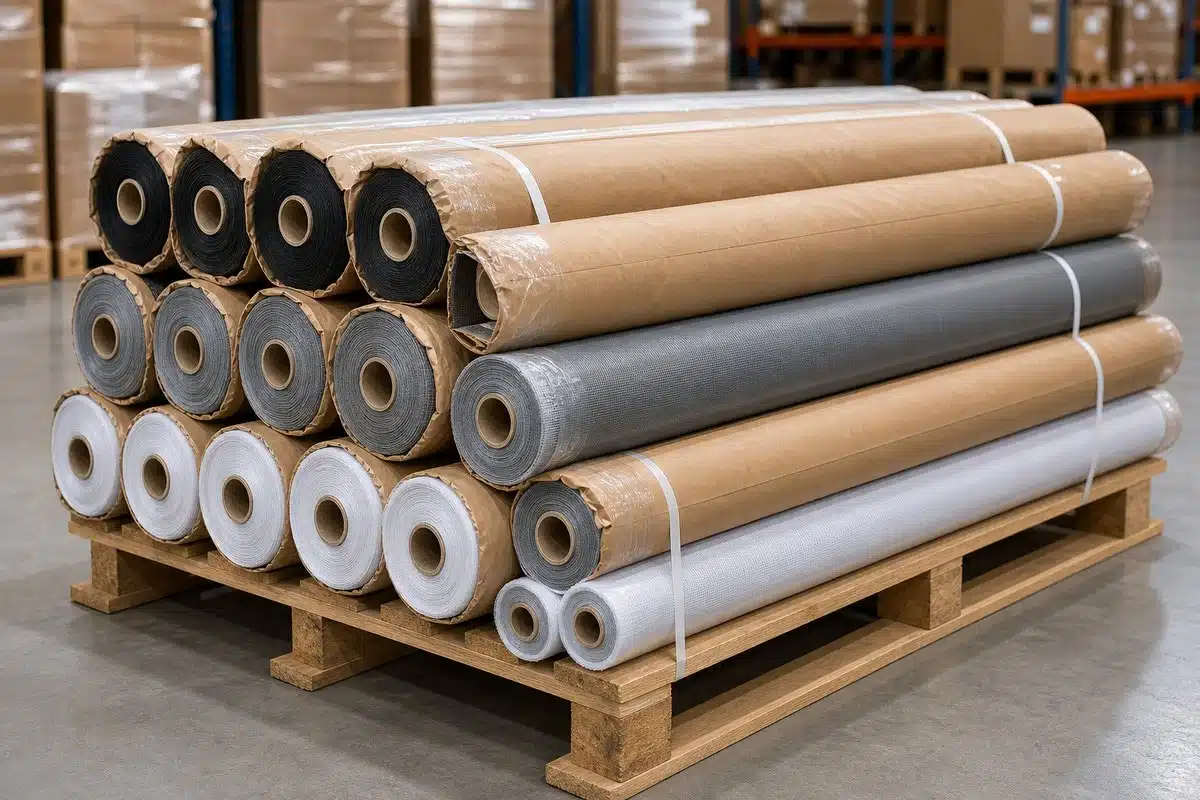
- Core material and inner diameter.
- Individual kraft paper or PE film wrapping.
- Roll label with mesh count, size, color and batch information.
- Carton packing or pallet packing.
- Pallet size and roll arrangement.
- Mixed-color or mixed-size separation.
- Loading photos and packing list.
For broader export packing logic, see the wire mesh fence export packing checklist.
Quality inspection checklist
- Mesh count in both directions.
- Roll width and roll length.
- Weight per square meter.
- Color consistency between rolls.
- Surface coating smoothness.
- Edge condition and winding tightness.
- Core condition and roll shape.
- Packing label and specification separation.
If a buyer requires a specific test method, fire rating, UV requirement or chemical composition document, it should be written into the RFQ and order confirmation.
RFQ checklist
- Mesh count, such as 18 x 16.
- Yarn diameter or target weight per square meter.
- Roll width and roll length.
- Color and sample requirement.
- Core type and inner diameter.
- Packing format: kraft wrap, PE film, carton or pallet.
- Label or barcode requirement if any.
- Quantity by specification.
- Destination port and trade term.
- Any local project, climate or compliance requirement to confirm.
A complete RFQ helps suppliers quote the same product and helps buyers compare price, packing, loading and delivery planning more reliably.
Frequently Asked Questions
What mesh count is commonly used for fiberglass window screen?
18 x 16 is a common residential insect-screen specification, while 16 x 16, 18 x 18 and finer counts may be selected for different market or project needs.
Is heavier fiberglass screen always better?
No. Weight should be compared with mesh count, yarn diameter, coating condition and hand feel.
What color should importers choose?
Charcoal and black are often chosen for lower reflection and good outward visibility. Silver gray and white may suit specific market preferences or building colors.
Can fiberglass screen be used as a security screen?
No. Standard fiberglass window screen is for insect screening and ventilation, not security protection.
What should I send before asking for price?
Send mesh count, weight or yarn diameter, roll width, roll length, color, packing, quantity and destination.
Conclusion
Fiberglass window screen should be specified by mesh count, yarn or weight, roll width, roll length, color, packing and destination.
For importers, the safest approach is to compare suppliers on the same specification and approve samples before bulk production, especially for new colors, custom width, retail labels or market-specific requirements.
About ANJIA GROUP
ANJIA GROUP supplies wire mesh, fencing and related industrial products for global B2B buyers. Contact our team to discuss product specifications, matching accessories and export packing.
Discuss your sourcing requirements
Send your product requirements and any relevant drawings to our team.
Get a Free Business Quote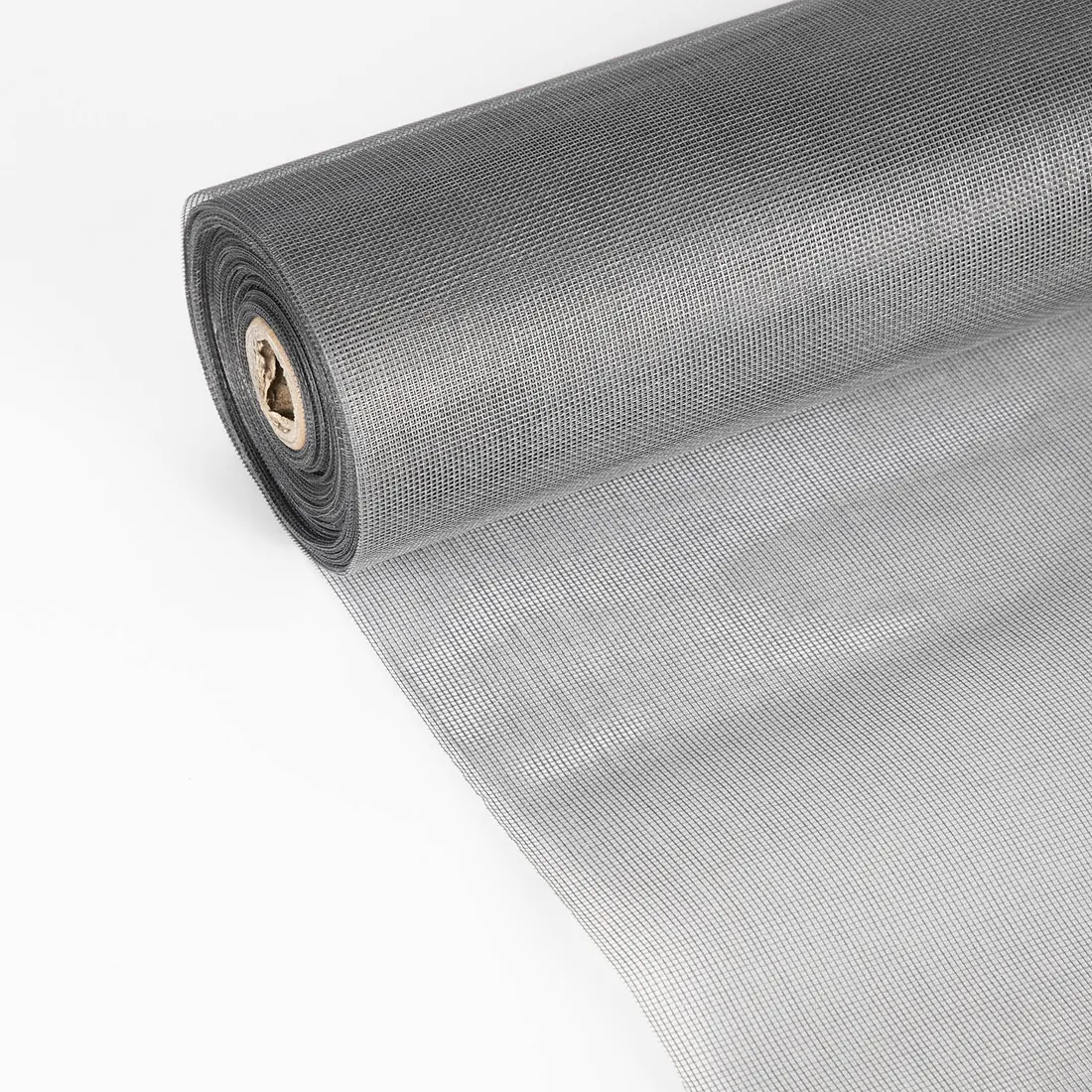 Fiberglass Window Screen
 Wire Mesh Products
 Wire Mesh RFQ Specification Builder
 Wire Mesh Weight Calculator