
Temporary Fence Use Cases: Construction Sites, Events and Short-Term Perimeters
A practical guide to temporary fence use cases, covering construction sites, events, road works, storage yards, rental operations and RFQ details.
Table of contents

Temporary fence is used when a project needs a clear boundary for a limited period and the panels may need to be removed, relocated or reused later. For importers, rental companies, contractors and event suppliers, the value is not only the panel itself. The value comes from matching the right panel, base, clamp, brace and packing plan to each use case.
This guide explains common temporary fence use cases, including construction sites, outdoor events, sports venues, pool construction zones, storage yards and rental operations. It also highlights the specification details buyers should prepare before asking for a quotation from a temporary fence supplier.
This article is a sourcing reference. It does not replace local installation rules, engineering review, site risk assessment or legal requirements. If a market requires a named standard or test method, the buyer should provide that requirement in the RFQ.
Why temporary fence use cases matter before quotation
Temporary fence panels can look similar in photos, but the correct order may be different from one market to another. A construction site may need heavier panels, concrete bases and bracing. An event site may need clean appearance, easy handling and compatible gates. A rental company may care most about repeat use, repairability and replacement parts.
Before comparing price, buyers should define the application. The use case affects panel size, mesh opening, wire diameter, frame tube size, base type, clamps, braces, gates, screen cloth, packing and container planning.
Main temporary fence use cases
Construction site perimeters
Construction sites use temporary fence to mark active work areas, separate pedestrian routes and organize access points. Buyers usually discuss welded mesh panels with frame tubes, concrete or plastic bases, clamps and sometimes braces or shade cloth.
The RFQ should state whether the site needs panels only or a complete system. For construction supply, bases and clamps are not small add-ons; they decide whether the panel line can be assembled consistently on site.
Road works and utility projects
Road works, pipe repair, utility maintenance and short civil projects often need fence panels that can be moved as the work zone changes. In these applications, handling speed and replacement parts matter. Buyers should confirm panel weight, base format, brace requirement, reflective accessories if needed and how panels will be stacked after each shift or project phase.
Outdoor events and festivals
Outdoor events use temporary fence to define venue boundaries, ticketed areas, backstage routes, equipment zones and queue lines. The fence may need a cleaner look than construction fencing, especially for parks, gardens, sports grounds and public venues.
For event buyers, important details include appearance, base footprint, gate layout, panel compatibility and whether panels should be easy for crews to move. For broader product comparison, buyers can also review the fence category.
Sports venues and tournament areas
Sports venues may use temporary fence for tournament routing, spectator separation, player zones, media areas, equipment storage or temporary entry control. These applications can involve repeated assembly and dismantling during a season, so panel compatibility, clamp function and stackable packing are important.
Pool construction and renovation zones
Pool construction, spa work and residential renovation sites may use temporary panels to separate a work area while the project is active. These applications may be subject to local pool barrier rules, so buyers should not assume that a general temporary fence panel is acceptable in every market.
Storage yards and short-term industrial areas
Temporary fence can help separate warehouse overflow areas, seasonal storage yards, equipment staging zones and short-term industrial work areas. In these applications, the buyer may need a mix of panels, gates, stabilizers, shade cloth and clear packing labels.
Rental and equipment hire operations
Rental companies need temporary fence panels that can work across many customer sites. Their priority is usually not the lowest unit price. They need repeatable dimensions, compatible bases and clamps, repairable parts, clear packing and a reliable supply of replacement panels.

Specification factors by use case
The table below is a discussion reference for importers and rental buyers. It is not a universal standard; final values should follow the buyer's market, project documents and confirmed order requirement.
| Use case | Main buyer focus | Specification points to confirm |
|---|---|---|
| Construction site | site perimeter, access control, rough handling | panel size, mesh, frame tube, base, clamp, brace, screen cloth |
| Road works | frequent relocation, visible boundary | panel weight, base format, stacking, replacement parts |
| Outdoor events | clean appearance, fast setup, crowd routing | coating color, gate layout, base footprint, clamp compatibility |
| Sports venues | routing, temporary zones, repeated setup | panel strength, clamp function, storage and transport method |
| Pool construction | local barrier requirement, gate control | target market, panel height, mesh opening, gate and local documents |
| Storage yards | short-term separation, equipment staging | perimeter length, gate points, shade cloth, labels and packing |
| Rental business | repeat use, compatibility, repairability | standard dimensions, base socket, clamps, spare parts and replacement plan |
Temporary fence vs permanent fence
Temporary fence is practical when the boundary is short-term, movable or project-based. Permanent fence systems are better when the boundary is expected to remain in place for a long time and the project wants fixed posts or a finished appearance.
| Option | Often fits | Buyer should check |
|---|---|---|
| Temporary fence | construction sites, events, road works, rental stock | panels, bases, clamps, braces, gates, packing and compatibility |
| 3D welded mesh fence | permanent residential or commercial boundaries | panel size, posts, coating, color and installation plan |
| Chain link fence | longer perimeter runs and flexible boundaries | mesh roll, wire diameter, posts, rails and accessories |
For product-level sourcing, compare temporary fence, 3D welded mesh fence and chain link fence before finalizing the order.
Procurement and packing considerations
Temporary fence orders often include more than panels. A complete container plan may include bases, clamps, braces, gates, shade cloth, labels and spare parts. Buyers should decide whether these items ship together or in separated bundles.
- What panel size and frame tube are required?
- Which base type is needed: plastic, concrete or another agreed format?
- How many clamps, braces and gates are required per panel quantity?
- Is shade cloth or debris netting included?
- Should accessories be packed in cartons, bags or palletized bundles?
- Are future replacement panels expected to match existing rental stock?
Loading quantity depends on the final panel size, wire, frame, base type and packing method. Buyers should confirm loading after the final specification is fixed rather than rely on a universal container number.
Quality control priorities
Temporary fence panels face repeated handling, transport and site assembly. Buyers should review frame welding, panel straightness, mesh opening, wire diameter, base socket fit, clamp function, surface treatment, gate compatibility, packing protection and accessory counts.
If a project requires a named standard, local rule or test report, it should be included in the RFQ and purchase order.
RFQ checklist
- Application or use case.
- Target market or project location.
- Panel height and width.
- Mesh opening and wire diameter.
- Frame tube size.
- Base type and quantity.
- Clamp, coupler, brace and gate requirement.
- Coating and color.
- Shade cloth or debris screen requirement.
- Quantity, packing method and destination.
- Photos, drawings or local requirements if available.
Buyers can send these details through the inquiry page for specification review.
FAQ
What are the most common temporary fence use cases?
Common use cases include construction site perimeters, road works, outdoor events, sports venues, pool construction zones, storage yards and rental operations. The right specification depends on the site and the buyer's local requirements.
Is temporary fence reusable?
Temporary fence is designed for removal and reuse, but real reuse depends on panel quality, handling, transport, storage, installation method and site conditions. Rental buyers should confirm compatibility, repairability and replacement parts before ordering.
What should be included with temporary fence panels?
Most projects need bases and clamps at minimum. Depending on the use case, buyers may also need braces, gates, shade cloth, debris netting, labels, spare clamps and replacement bases.
Is temporary fence better than chain link fence?
It depends on the application. Temporary fence is better for movable and short-term perimeters. Chain link fence is often better for longer runs where posts and a roll-installed fence are planned.
What should importers confirm before ordering?
Confirm use case, target market, panel size, mesh, wire, frame tube, base, clamps, coating, color, gates, packing, destination and any required local documents.
Conclusion
Temporary fence is useful because it can serve many short-term or movable perimeter needs: construction sites, road works, events, sports venues, pool construction, storage yards and rental operations. The same flexibility also makes specification clarity important.
Before comparing price, buyers should define the use case, panel format, bases, clamps, braces, gates, coating, packing and destination. Clear application details help the supplier quote a complete temporary fence system instead of only a panel.
About ANJIA GROUP
ANJIA GROUP supplies wire mesh, fencing and related industrial products for global B2B buyers. Contact our team to discuss product specifications, matching accessories and export packing.
Discuss your sourcing requirements
Send your product requirements and any relevant drawings to our team.
Get a Free Business Quote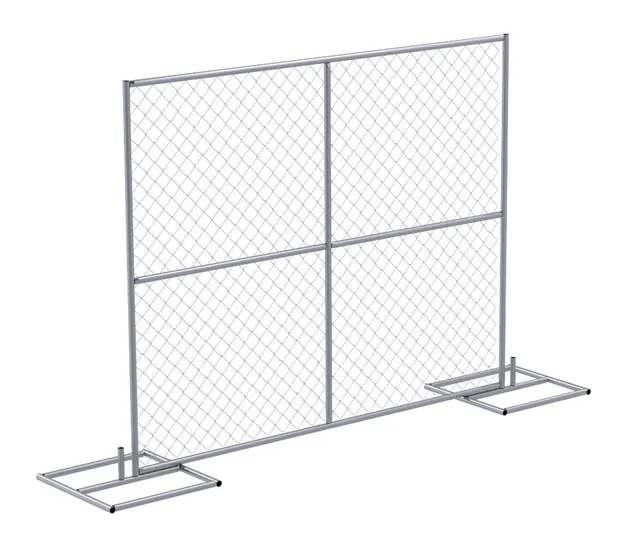 Temporary Fence
 Fence Products
 Fence Coating & Exposure Zone Selector
 Galvanized vs PVC Coated Wire Mesh Guide