
Cut Wire Specification and Packing Guide for Straight Cut Tie Wire Importers

Updated Jun 28, 2026
A practical RFQ, weight and packing guide for importers sourcing cut wire or straight cut tie wire.
Table of contents
Cut wire, straight cut wire and straight cut tie wire look simple, but import quotations can become unclear when the buyer does not separate diameter, cut length, material, surface treatment, bundle weight and packing method. A price per kilogram is only meaningful when those fields describe the same product.
This guide is written for importers preparing RFQs for cut wire used in binding, tying, packaging, construction support, agricultural tying or general hardware distribution. It focuses on measurable sourcing fields and shipment proof. It does not promise fixed tolerance, application performance or a universal lead time.
The practical goal is to make each inquiry quote-ready: confirm the product form, calculate or check weight, define packing, and keep photos and documents tied to the same specification.

Define the cut wire product scope first
Cut wire is wire supplied in pre-cut straight lengths instead of continuous coil or spool form. Buyers may call it cut wire, straight cut wire, straight cut tie wire, binding cut wire or cut-to-length wire depending on the market.
Before asking for price, confirm what the buyer actually needs:
- material, such as low-carbon steel, galvanized wire or black annealed wire;
- wire diameter or gauge;
- cut length and length tolerance basis;
- surface treatment or finish;
- bundle weight, piece count or packing unit;
- carton, sack, bundle or pallet packing;
- label fields and shipment proof needed before release.
If the buyer only says "cut wire price," suppliers may quote different assumptions. One offer may be based on black annealed soft wire, another on galvanized wire, and another on a different cut length or bundle weight. These differences affect material cost, packing labor, receiving count and end-use handling.

Confirm diameter, cut length and material
The three core fields are diameter, cut length and material. They control most of the real cost and receiving checks.
Wire diameter should be stated in millimetres, wire gauge or both. If the buyer uses BWG, SWG or another gauge system, the RFQ should say which gauge table is being used. Diameter also needs a measurement basis when coating is involved because before-coating and after-coating dimensions may not be identical.
Cut length should be written as a measurable length, not as a vague description such as "short tie wire" or "long binding wire." If the order needs different lengths, each length should have its own line item, label and packing unit.
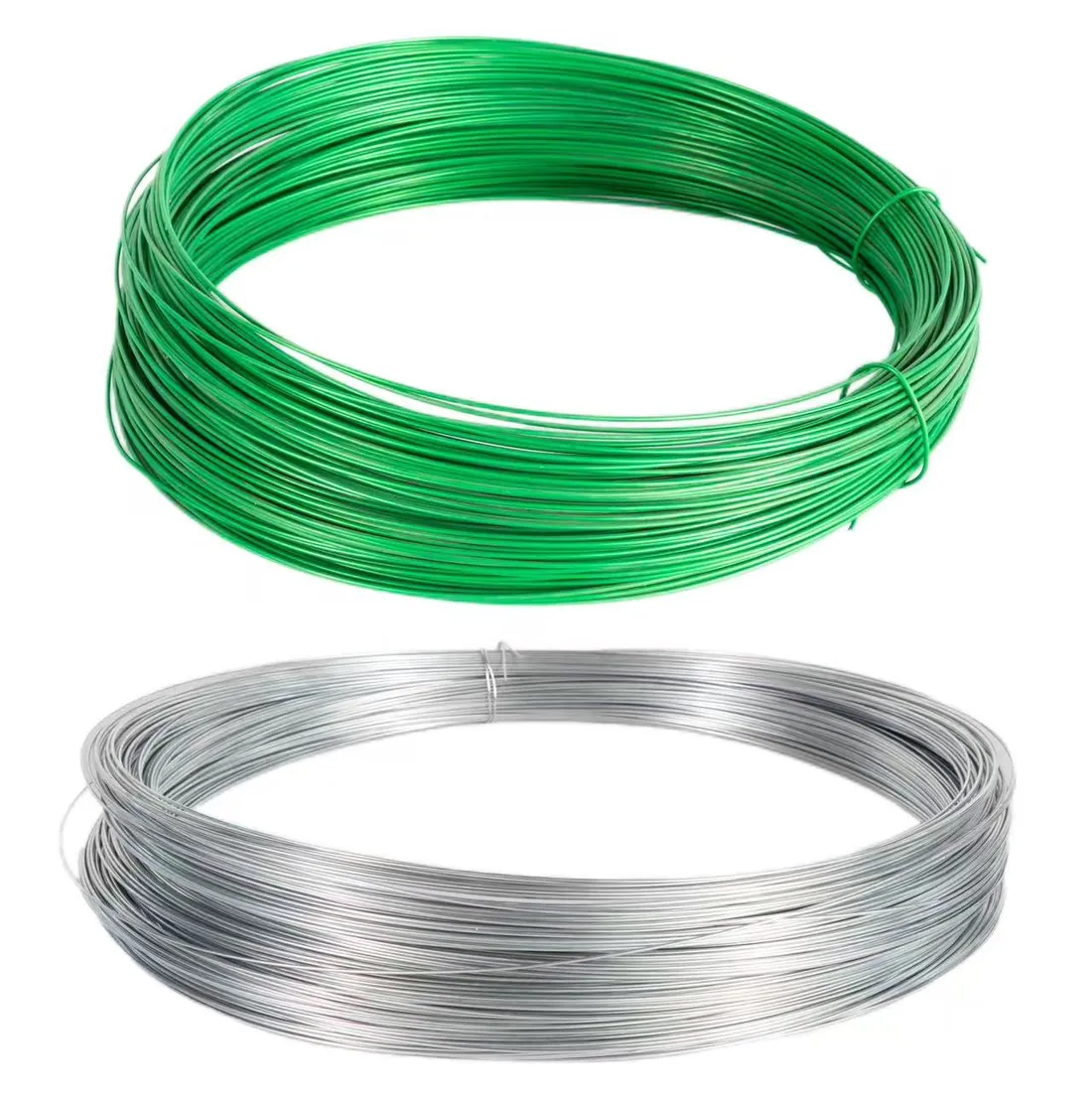
Material and finish should be clear. Black annealed iron wire is often discussed when softness and hand tying matter. Galvanized iron wire is discussed when a zinc-coated surface is needed. The buyer should still confirm whether the order is cut from black annealed, electro galvanized, hot-dip galvanized or another agreed wire basis.

Use weight as a specification cross-check
For cut wire, weight is one of the most useful ways to check whether the quotation and finished goods match the intended specification. Wire is a metal product, so diameter, length, material density and piece count are directly connected to theoretical weight. When the buyer knows the target bundle weight or total order weight, the supplier can quote with fewer assumptions.
Weight checks are useful at three stages:
- during RFQ, to compare whether two offers are based on the same material quantity;
- before shipment, to confirm bundle weight, pallet weight and packing-list consistency;
- during receiving, to cross-check whether the delivered bundles match labels and documents.
The buyer does not always know the exact piece count. In that case, the buyer can still ask the supplier to state theoretical bundle weight, actual bundle weight before shipment, gross weight, net weight and normal order-specific variation. If a buyer only compares unit price while ignoring weight, a lower quote may simply reflect thinner wire, shorter pieces, fewer pieces or lighter bundles.

RFQ fields buyers should send
The table below keeps a cut wire inquiry measurable. It can be used for straight cut tie wire, binding wire cuts, distributor stock or mixed wire hardware shipments.
| RFQ field | What to confirm | Why it matters |
|---|---|---|
| Product form | Straight cut wire, U type wire, tie wire or other cut-to-length format | Prevents quoting a coil wire or different wire form |
| Diameter | mm, BWG/SWG and measurement basis | Drives weight, cost and handling feel |
| Cut length | Exact length or length range by item | Controls piece count, packing and end use |
| Material | Black annealed, galvanized, stainless or other material | Affects surface, softness and cost |
| Surface treatment | Electro galvanized, hot-dip galvanized, black annealed, bare or buyer-defined finish | Helps align appearance and proof documents |
| Bundle weight | Target weight per bundle, carton or sack | Links quotation, packing list and receiving checks |
| Piece count | Required when buyer receives by pieces rather than weight | Helps avoid count mismatch |
| Packing method | Bundle, carton, sack, pallet or mixed method | Affects protection, loading and receiving |
| Label fields | Diameter, length, material, weight, item code and package number | Makes mixed shipments easier to inspect |
| Proof needed | Photos, weight record, label photo or inspection report | Sets a clear shipment-release boundary |
Packing formats and label control
Cut wire is commonly packed in tied bundles, cartons, woven sacks or palletized packages. The right format depends on length, diameter, bundle weight, handling method and receiving expectations.

For export orders, confirm:
- whether each bundle uses wire ties, film, carton or sack protection;
- target weight per bundle, carton or sack;
- number of bundles per carton, sack or pallet;
- whether different diameters or lengths are packed separately;
- whether labels show diameter, length, material, weight, package number and buyer item code;
- whether pallet overview, label close-up and loading photos are required.
Private buyer brands, PO numbers, barcodes and receiving codes should be hidden before images are reused for public marketing. Shipment photos support release review, but they do not replace receiving inspection or third-party inspection when the buyer requires one.
Compare cut wire with coil wire and spool wire
Cut wire is not the same buying decision as coil wire or spool wire. The buyer should choose format based on the way the wire will be used and received.
| Format | Best fit | Buyer should check |
|---|---|---|
| Cut wire | Fixed-length tying, binding, packaging or hardware use | Diameter, length, bundle weight, piece count and packing |
| Coil wire | Flexible length use, weaving, field work or further processing | Coil weight, inner/outer diameter, surface, unwinding and packing |
| Spool wire | Machine feeding, production line use or distributor spool supply | Spool size, wire level winding, weight per spool and carton packing |
If the buyer needs ready-to-use short pieces, cut wire reduces the need for local uncoiling and cutting. If the buyer needs continuous feed or field flexibility, coil or spool wire may be more practical. The RFQ should not mix these formats under one vague product name.

Pre-shipment weight and packing review
Before shipment, ask for proof that connects the same specification from production to packing:
- sample or batch photo showing wire finish and cut format;
- diameter measurement photo if required;
- cut length sample check;
- bundle weight photo or weight record;
- carton, sack or pallet label photo;
- packing-list line that matches the label fields;
- loading overview if the order is shipped by container.
These records should be treated as a release-support package, not as a guarantee of long-term application performance. If the buyer needs a formal tolerance report, coating test, material document or third-party inspection, that requirement should be agreed before production.
Common sourcing mistakes to avoid
Avoid these issues before asking for a final price:
- using "tie wire" without saying cut wire or coil wire;
- sending only a photo without diameter, length and material;
- comparing prices without bundle weight or theoretical weight;
- mixing black annealed and galvanized material in one item code;
- leaving label language, item code and package number until after packing;
- accepting packing photos that do not show labels or bundle count;
- assuming shipment photos replace receiving inspection;
- requesting tight tolerance after the quotation has been based on standard commercial supply.
Clear specification saves time because it reduces the number of assumptions a supplier must make before quotation.
Frequently asked questions
Is straight cut tie wire the same as cut wire?
Straight cut tie wire is usually a cut-to-length wire product used for tying or binding. In many RFQs it is treated as a type of cut wire. The buyer should still confirm diameter, cut length, material, bundle weight and packing method.
Should cut wire be bought by weight or by piece count?
Many export orders are priced and packed by weight, but some buyers receive by piece count. The safest approach is to connect both: define the diameter and cut length, agree the target bundle weight, and ask the supplier to state the expected or checked piece count when required.
Why does weight change when diameter or length changes?
Wire weight is directly connected to diameter and length. A small diameter change can create a visible difference in total weight when the order contains many pieces. This is why RFQ comparison should include theoretical weight or bundle weight, not only price per kilogram.
What packing proof is most useful?
Useful proof includes bundle overview, label close-up, weight photo, carton or sack arrangement, pallet overview and loading photo. The proof should match the packing list and hide buyer-sensitive details before public reuse.
Can cut wire ship with other wire products?
Yes, but each specification should be separated by item code, label and packing-list line. Mixed shipments should make receiving easy: different lengths, diameters or materials should not be visually mixed without clear labels.
Prepare a cut wire RFQ
For order-specific review, send wire diameter, cut length, material, surface treatment, target bundle weight, piece-count requirement, packing method, label fields, destination and proof needs through the ANJIA inquiry page. ANJIA can review the supply-side cut wire fields and packing proof before quotation or shipment release.
About ANJIA GROUP
ANJIA GROUP supplies wire mesh, fencing and related industrial products for global B2B buyers. Contact our team to discuss product specifications, matching accessories and export packing.
Discuss your sourcing requirements
Send your product requirements and any relevant drawings to our team.
Get a Free Business Quote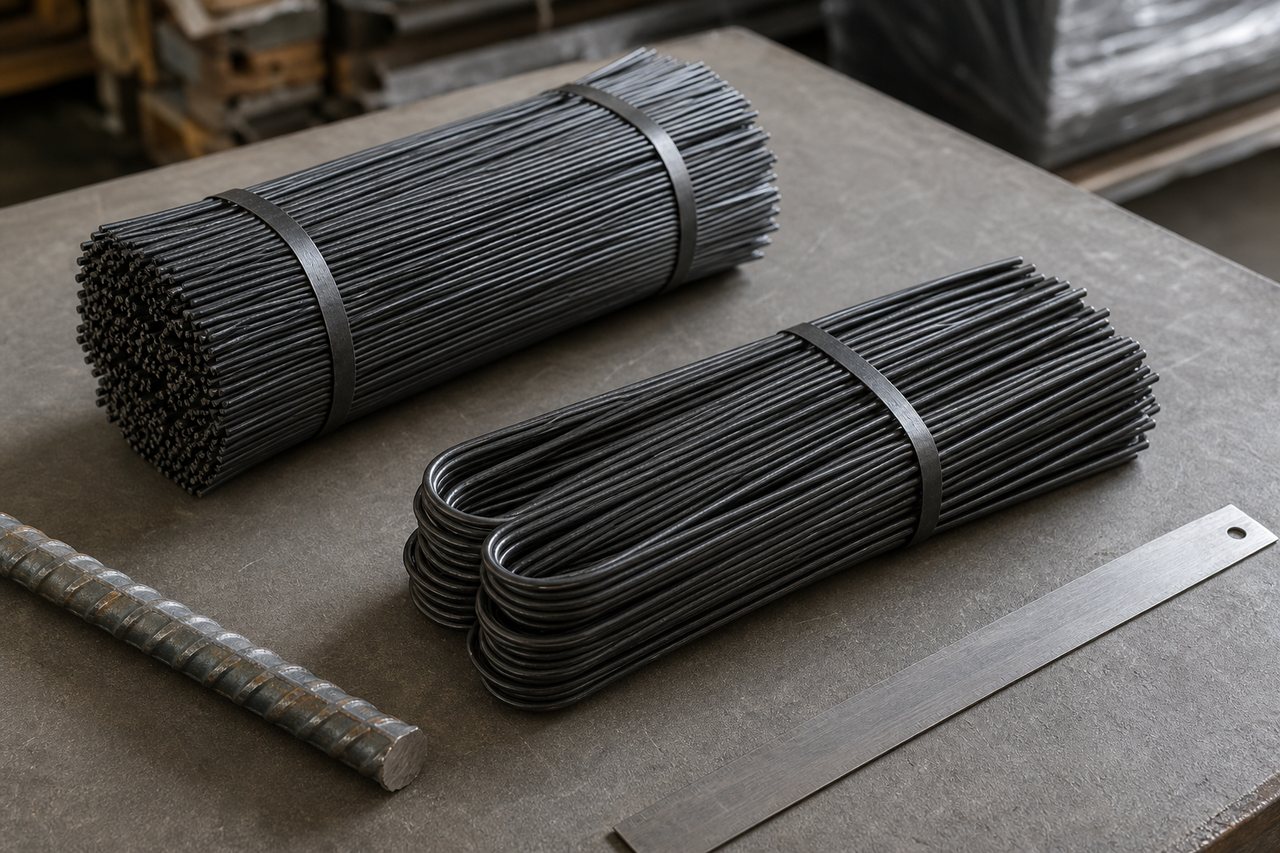 Cut Wire
 Galvanized Iron Wire
 Wire Mesh RFQ Specification Builder
 Wire Mesh Weight Calculator