
Brick Mesh Masonry Reinforcement: Specification and Packing Questions for Importers
Updated Jul 12, 2026
A practical RFQ and packing guide for importers sourcing brick mesh or masonry reinforcement mesh rolls and bundles.
Table of contents
Brick mesh masonry reinforcement inquiries should be handled as product specification and packing discussions first. Buyers need to confirm width, roll or strip format, opening, wire or strand size, coating, bundle weight, labels and shipment proof before comparing price.
This guide is written for importers sourcing brick mesh or masonry reinforcement mesh for brick and block wall projects. It does not provide engineering design, site approval or local code interpretation. If a project requires certified engineering documents, the buyer should provide those requirements before quotation.
The practical goal is simple: make the RFQ measurable, make packing traceable, and keep proof boundaries clear.

Define the brick mesh product scope first
The term "brick mesh" can refer to masonry reinforcement rolls or strips supplied for mortar joints, wall reinforcement, crack-control support or related building-material distribution. Product design may differ by market, so the buyer should not assume one universal structure.
Start with these questions:
- Is the buyer asking for brick mesh rolls, pre-cut strips, or another reinforcement format?
- What wall thickness, joint space or local market size does the buyer need to match?
- Is the product supplied as expanded brick mesh, welded mesh strip, or buyer-specified construction?
- What coating, material and surface finish are required?
- Does the buyer need product photos, sample approval, packing records or third-party inspection?
- Are there project documents that define requirements outside normal supplier quotation?
This keeps the supplier conversation practical. It also prevents a common mismatch: quoting a general wire mesh product when the buyer needs a narrow masonry reinforcement format.

Two common brick mesh forms buyers may see
In real sourcing work, brick mesh is not always one visual product. Buyers may see at least two practical forms in supplier discussions:
- Expanded brick mesh or small expanded metal strip: this is the small expanded-metal style shown in many product photos. Buyers should confirm aperture, strip width, roll length, material thickness and packing.
- Welded ladder-type brick mesh: this is a welded wire reinforcement strip or roll with longitudinal wires and transverse cross wires. Buyers should confirm longitudinal wire diameter, cross wire diameter, spacing, width, roll length and whether protruding wire ends are part of the requested design.
Both forms can be discussed under brick mesh or masonry reinforcement mesh depending on market wording. The buyer should send a drawing, sample photo or local market specification so the supplier does not quote the wrong structure.
Market names buyers may use
Different countries and buyers may use different names for similar masonry reinforcement products. These terms are useful for searching and RFQ routing, but they should not replace measurable specifications.
| Buyer wording | Usually means | What to confirm before quotation |
|---|---|---|
| Masonry mesh or masonry reinforcement mesh | General sourcing term for reinforcement mesh used in brick or block wall work. | Product form, width, opening, wire or strand size, coating, roll length and packing. |
| Brick reinforcement mesh or bed joint reinforcement | Project or construction wording for reinforcement placed in mortar joints. | Wall thickness, joint space, strip width, local drawing, material and surface treatment. |
| Masonry joint reinforcement | Specification-style wording for reinforcement used along masonry joints. | Whether the required route is expanded, welded ladder-type, truss-type or buyer-specified. |
| Brickforce or brick force | Market shorthand used by some buyers for brick wall reinforcement strip products. | Sample photo, local market size, roll or strip length, bundle count and label requirements. |
| Ladder mesh, truss mesh or ladder-type brick mesh | Welded wire reinforcement strip with longitudinal wires and cross wires. | Longitudinal wire, cross wire, spacing, width, roll length and whether wire ends should protrude. |
| Expanded brick mesh or expanded metal brick mesh | Small expanded metal strip route used as a masonry reinforcement or plastering support reference. | Thickness, aperture, strip width, roll length, coating, bundle weight and packing. |
| Blockwork reinforcement or wall reinforcement mesh | Application wording for reinforcement used in block wall or wall support discussions. | Wall type, project document requirements, format, coating and receiving inspection needs. |
For importers, distributors, contractors and project procurement teams, the safest RFQ wording is to include both the market name and the measurable product fields. For example: masonry reinforcement mesh, welded ladder-type, 100 mm strip width, confirmed wire diameter, roll length, galvanized finish and export packing requirement.

Specification fields buyers should confirm
Brick mesh is usually purchased through measurable fields. A supplier can quote more accurately when each field is separated.
Confirm:
- width of the roll or strip;
- roll length or strip length;
- opening or aperture pattern;
- wire, strand, rib size or cross-wire spacing depending on product design;
- material and coating;
- roll diameter, bundle size or strip count per bundle;
- unit weight, bundle weight or theoretical weight if used for cost checks;
- label and packing requirements.
If the buyer has a drawing or local market sample, it should be shared at the RFQ stage. A photo alone can help with visual matching, but it is not enough when width, opening and weight are cost drivers.

Roll, strip and bundle format
Format affects quotation, handling, packing and receiving checks.
| Format question | Why it matters | What the buyer should provide |
|---|---|---|
| Roll or strip | Changes production, packing and on-site handling | Required width, length and unit count |
| Opening pattern | Affects material usage and product fit | Opening size, aperture pattern or sample photo |
| Wire or strand size | Drives weight, cost and product feel | Measured size and tolerance if needed |
| Welded ladder spacing | Required for welded brick mesh formats | Longitudinal wire, cross wire and spacing |
| Coating | Affects appearance and corrosion context | Electro galvanized, hot-dip galvanized or other requirement |
| Bundle unit | Affects loading and receiving | Rolls per bundle, strips per bundle or bundle weight |
| Label fields | Prevents receiving mix-ups | Product name, spec, quantity, weight and buyer item code |
For import orders, the bundle unit is not a minor detail. It connects the quotation to the packing list, loading photos and receiving count.
Coating and material proof
Most brick mesh inquiries include galvanized material, but the buyer should still confirm the coating expectation. If the buyer needs a specific zinc coating, material document or coating check, it should be stated before production.
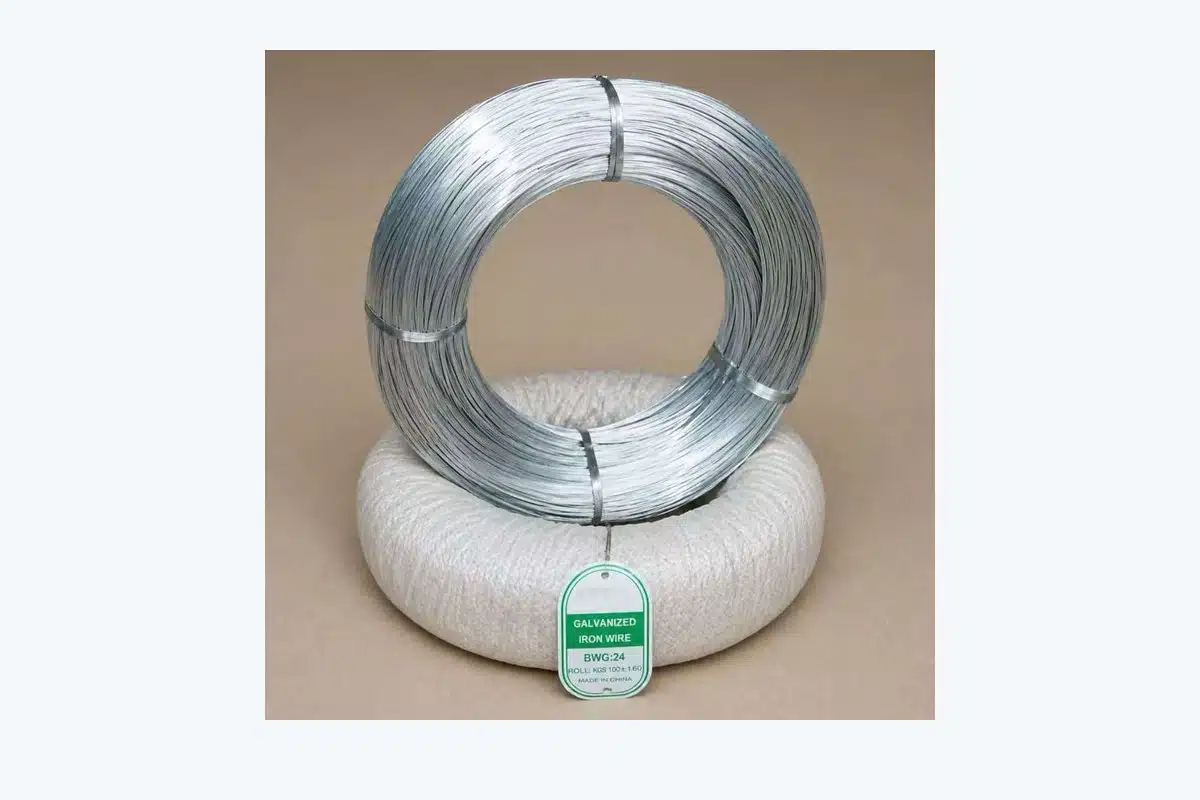
Useful questions include:
- Is galvanized iron wire or another material specified?
- Is the coating electro galvanized, hot-dip galvanized or buyer-defined?
- Does the buyer need a material certificate or coating measurement?
- Is visual appearance enough, or is a document required?
- Is the order for general masonry reinforcement supply or a project with separate engineering approval?
Material photos and labels support review. They do not replace agreed test documents when documents are required.
Weight checks reduce RFQ and receiving disputes
Weight is one of the most useful cross-checks for brick mesh because material usage is closely tied to width, opening, strand or wire size and length. When buyers only compare price per roll, they may miss differences in actual material quantity.
Ask the supplier to confirm:
- theoretical weight per roll, strip or bundle;
- actual bundle weight before shipment if required;
- gross weight and net weight on labels;
- tolerance or normal variation range;
- whether weight is checked by bundle or by pallet.
Weight does not prove product performance, but it helps identify specification drift, short roll length, changed wire or strand size, and packing-list mismatch.
Packing, labels and export proof
Brick mesh can be packed as rolls, bundles or palletized units. Packing must keep the material grouped, countable and protected during export handling.

Ask for packing proof that shows:
- roll or strip bundle arrangement;
- label close-up with product specification;
- bundle count and pallet count;
- gross and net weight if used;
- container loading overview if shipped by container;
- privacy-safe photos without buyer-sensitive PO or barcode data.
Photos help confirm organization before release. They do not replace receiving inspection after arrival.
When to compare welded wire mesh
Welded wire mesh may appear in the same sourcing discussion because both products are wire mesh construction materials. They should not be treated as the same product.

Use welded wire mesh as a comparison only when the buyer is discussing a broader construction mesh, panel or roll product. For masonry joint reinforcement, brick mesh width, aperture, roll or strip format and packing unit are usually the more relevant fields.
The product page link should support product understanding, not force an unrelated substitution.
What supplier checks can support a masonry reinforcement order
Supplier-side checks can support product review:
- product photos;
- sample approval;
- width, length and opening measurement;
- bundle weight check;
- label and packing-list matching;
- loading photos;
- material or coating documents where requested.
These records help confirm the supplied goods. They do not provide site design, engineering approval, local code interpretation or installation suitability. Buyers with project-level requirements should confirm those requirements with qualified project parties.
Common RFQ mistakes to avoid
Avoid these issues before asking suppliers for price:
- using only the phrase "brick mesh" without width and format;
- not stating roll length or strip length;
- comparing prices without weight or material quantity context;
- assuming a product photo proves coating specification;
- asking for project approval documents after production starts;
- mixing brick mesh with general mesh products in one item code;
- accepting packing photos that do not show labels or bundle counts.
Clear RFQ fields make quotation faster and reduce receiving disputes.
Frequently asked questions
Is brick mesh the same as general welded wire mesh?
No. Brick mesh is usually discussed as a masonry reinforcement product with narrow width, roll or strip format, and packing units suited to brick or block wall use. Some brick mesh can be welded ladder-type reinforcement, but general welded wire mesh covers a much wider range of panels and rolls.
What should be confirmed before quotation?
Confirm width, length, opening, wire or strand size, coating, format, bundle unit, label fields and whether sample or document proof is required.
Why is weight important?
Weight helps buyers cross-check material usage. If two offers have the same nominal width and length but very different weight, the buyer should review opening, wire or strand size, roll length and packing unit.
Can photos prove coating or project approval?
No. Photos can support visual review and packing proof. Coating or project requirements need agreed documents or qualified review when required.
Can brick mesh ship with other wire mesh products?
Yes, but each product should be separated by item code, label and packing-list line. Mixed loading should be supported by label photos and bundle counts.
Prepare a brick mesh RFQ
For order-specific support, send the width, length, opening, material, coating, roll or strip format, bundle weight target, label requirement and packing method through the ANJIA inquiry page. ANJIA can review supply-side brick mesh fields and export packing proof before quotation or sample approval.
About ANJIA GROUP
ANJIA GROUP supplies wire mesh, fencing and related industrial products for global B2B buyers. Contact our team to discuss product specifications, matching accessories and export packing.
Discuss your sourcing requirements
Send your product requirements and any relevant drawings to our team.
Get a Free Business Quote Brick Mesh
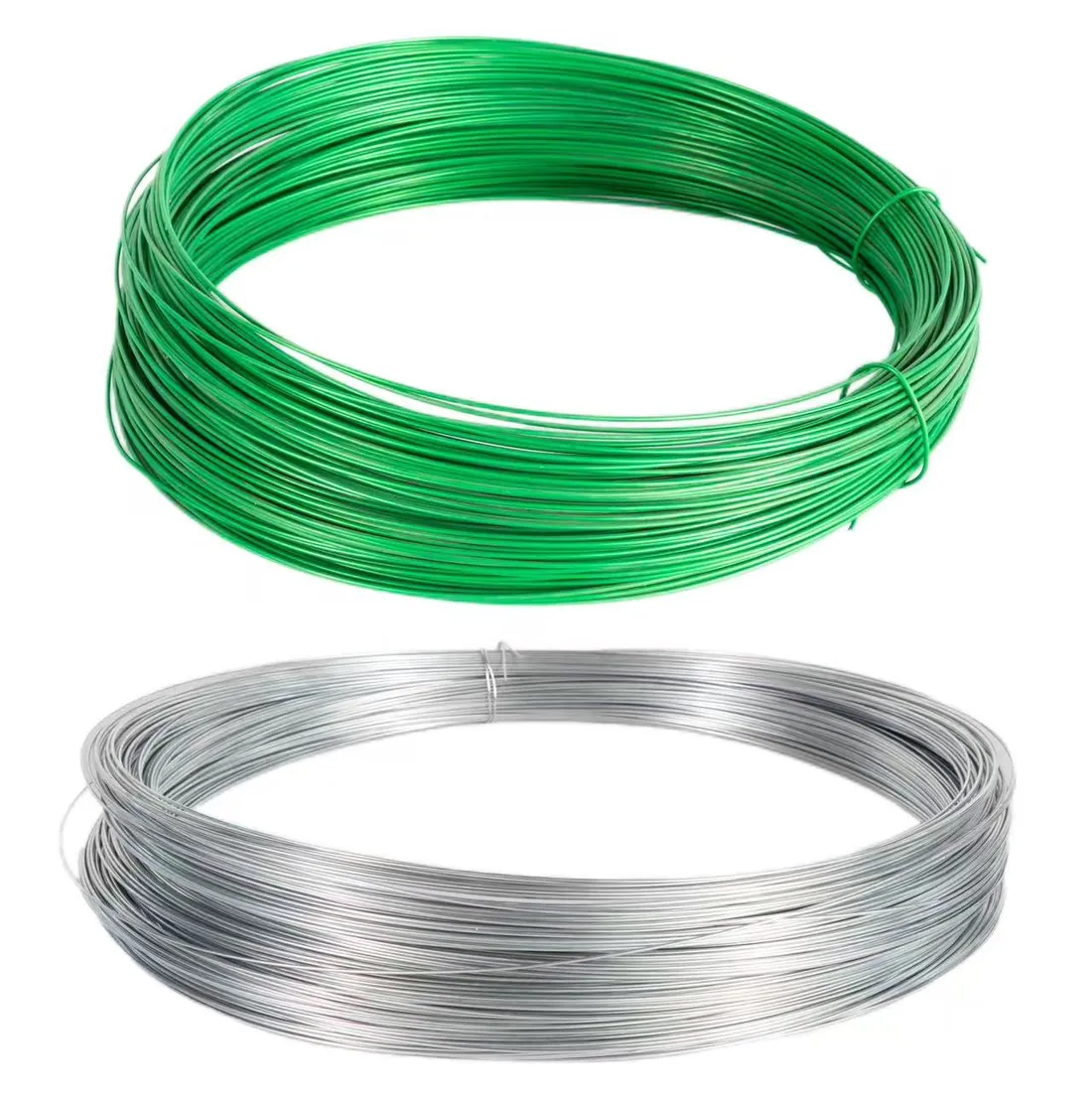 Galvanized Iron Wire
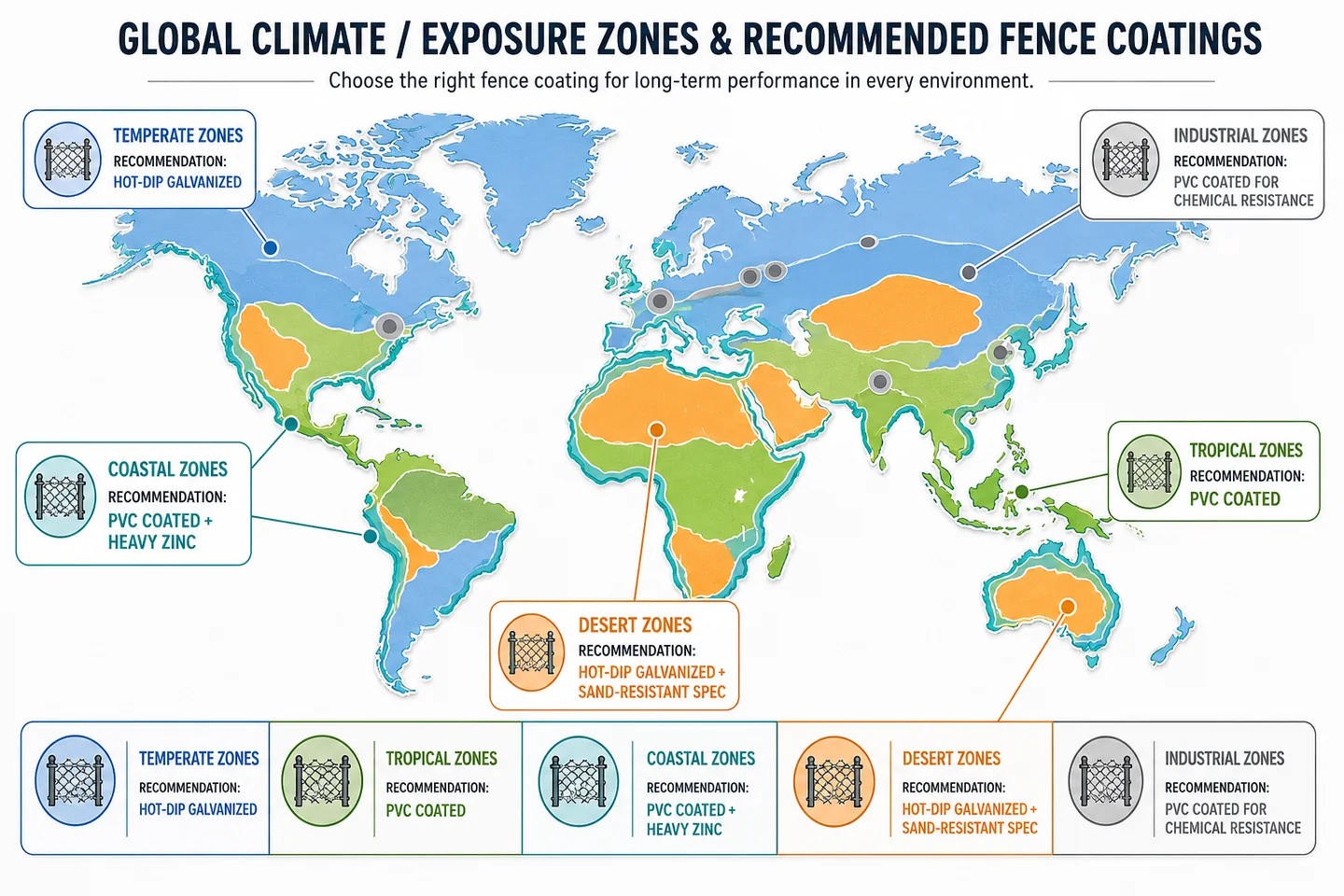 Galvanized vs PVC Coated Wire Mesh Guide
 Fence Coating & Exposure Zone Selector