
Fiberglass vs Aluminum Window Screen: Which Material Should Importers Choose?
Updated Jun 23, 2026
Importers usually compare fiberglass and aluminum window screen for the same reason: both products can serve residential windows, screen doors, patio screens and ventilation openings, but they do not behave the same in price, handling, visibility, durability o
Table of contents

Importers usually compare fiberglass and aluminum window screen for the same reason: both products can serve residential windows, screen doors, patio screens and ventilation openings, but they do not behave the same in price, handling, visibility, durability or packing.
Fiberglass screen is flexible, lightweight and usually easier to install. Aluminum screen is more rigid, more metallic in appearance and often selected when buyers want a stronger or longer-service screen. The better choice depends on the market, the installation channel and the specification your customers expect.
This guide compares fiberglass and aluminum window screen from a sourcing point of view, so buyers can prepare a clearer RFQ before asking for price.
Material and manufacturing difference
Fiberglass insect screen is woven from fiberglass yarn that is normally PVC coated. The coating gives the screen its color, flexibility and surface protection, while the fiberglass core gives the yarn its strength. The finished mesh is soft, flexible and easy to roll for export packing.
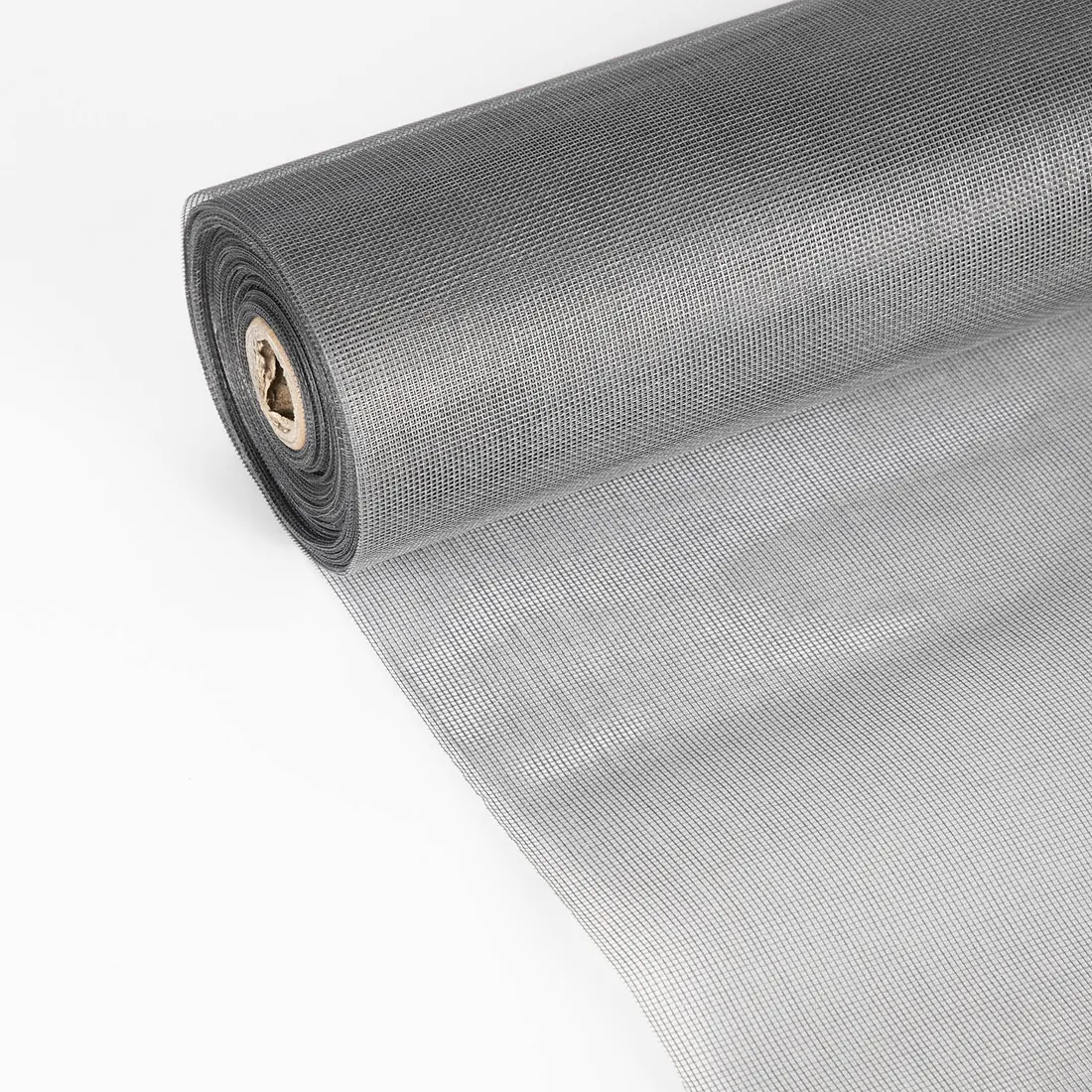
Aluminum window screen is woven from drawn aluminum alloy wire. It is more rigid than fiberglass and keeps its shape better after installation. Aluminum screen can be supplied in bright aluminum finish or painted finishes such as charcoal, bronze or white.
- Fiberglass: coated composite screen with good flexibility and lower cost.
- Aluminum: metal screen with better rigidity and higher material cost.
Mesh count and opening size
Both materials can be supplied in common insect screen mesh counts. The 18 x 16 mesh is one of the most common global specifications, but some buyers also use 16 x 16, 18 x 18, 20 x 20 or other fine mesh options.
| Mesh count | Fiberglass availability | Aluminum availability | Typical use |
|---|---|---|---|
| 14 x 14 | Common | Common | Larger insects and basic ventilation |
| 16 x 16 | Common | Common | General mosquito screen |
| 18 x 16 | Very common | Very common | Standard residential window screen |
| 18 x 18 | Common | Available in selected specs | Finer insect protection |
| 20 x 20 | Available | Less common | Fine insect screen |
| 20 x 24 | Available in selected specs | Rare | Ultra-fine mesh requirement |
Fiberglass usually gives buyers more flexibility in fine mesh counts because the yarn can be woven densely at a more competitive cost. Aluminum fine mesh can be produced, but it is usually more difficult and more expensive.
Cost comparison
Cost is one of the main reasons fiberglass screen dominates volume markets. At the same mesh count, fiberglass is usually the lower-cost option. Aluminum screen normally costs more because of raw material, drawing, weaving and finish requirements.
| Material | Relative cost reference | Buying note |
|---|---|---|
| Fiberglass screen, standard weight | Baseline | Lower-cost volume SKU |
| Fiberglass screen, heavier weight | Slightly higher than standard | Better hand feel and durability expectation |
| Aluminum screen, bright finish | Higher than fiberglass | Stronger metallic screen for selected markets |
| Painted aluminum screen | Higher than bright aluminum | Better glare control and color matching |
| Stainless steel screen | Much higher than both | For corrosion-sensitive or security-oriented requirements |
For distributors serving cost-sensitive markets, fiberglass often provides better landed cost per square meter. For premium residential, commercial, pet-resistant or long-service applications, aluminum can justify its higher price when customers understand the performance difference.
Durability and service expectation
Aluminum generally offers better long-term rigidity and resistance to tearing. Fiberglass is easier to handle, but the PVC coating can age under UV exposure, heat and outdoor conditions. Actual service life depends on material quality, coating, installation, climate and maintenance.
| Environment | Fiberglass screen | Aluminum screen | Practical sourcing note |
|---|---|---|---|
| Temperate residential markets | Common choice | Good premium option | Fiberglass is often enough for retail replacement demand |
| Tropical and humid regions | Common for volume orders | Useful for stronger projects | Confirm mesh count, coating and packing carefully |
| Coastal areas | Need better coating and realistic replacement expectation | Often preferred when compatible hardware is used | Avoid contact with unsuitable dissimilar metals |
| Hot and sunny regions | Choose better yarn and coating when required | Good rigidity and heat resistance | Samples and test reports help buyers compare |
For export orders, avoid asking only for "best quality." Ask for mesh count, yarn or wire diameter, weight, coating, color, roll size and packing details so the supplier can quote a comparable specification.
Installation and handling
Fiberglass screen is easier for DIY installation. It cuts with simple tools, bends easily and can be pressed into frame grooves with less effort. This makes it suitable for hardware stores, home centers and general repair channels.
Aluminum screen is more rigid. It can hold shape better across larger openings, but it is also easier to crease or dent during handling. Installation may require more careful cutting and frame work.
| Factor | Fiberglass screen | Aluminum screen |
|---|---|---|
| Flexibility | High | Lower |
| Cutting | Easy with scissors or utility knife | Usually requires stronger cutting tools |
| Installation channel | DIY and retail friendly | More suitable for professional installation |
| Large openings | May need good frame support | Holds shape better |
| Crease behavior | Flexible and forgiving | Can dent or crease permanently |
| Shipping weight | Lighter | Heavier |
Visibility and airflow
Screen visibility depends on mesh count, color and wire or yarn thickness. Dark fiberglass screens such as charcoal or black often appear less reflective from inside the room. Bright aluminum screen can show more metallic glare, especially in direct sunlight. Painted aluminum reduces glare but increases cost.
| Factor | Charcoal fiberglass | Silver-gray fiberglass | Bright aluminum | Painted aluminum |
|---|---|---|---|---|
| Outward visibility | Strong | Good | Moderate | Good |
| Reflection | Low | Moderate | Higher | Lower |
| Airflow at similar mesh count | Good | Good | Good | Good |
| Typical buyer channel | Residential and retail | Budget markets | Contractor and traditional markets | Premium residential or commercial |
Pet resistance and mechanical strength
If the screen will be exposed to pets, aluminum usually performs better than standard fiberglass. Fiberglass can tear when scratched repeatedly, while aluminum is more resistant to puncture and tearing. However, aluminum can still dent under impact, so it should not be described as a security screen.
Neither standard fiberglass nor standard aluminum screen should be used as an intrusion-resistant product. For security screen applications, buyers should evaluate stainless steel mesh or other dedicated products.
Regional buying logic
Different regions prefer different screen materials because the end users, price level, climate and installation habits differ.
| Market type | Common starting choice | Why buyers choose it |
|---|---|---|
| Price-sensitive retail markets | Fiberglass screen | Lower cost, lighter rolls, easier replacement |
| DIY hardware channels | Fiberglass screen | Easy cutting and installation |
| Premium residential markets | Fiberglass plus aluminum options | Buyers may want better appearance or longer-service options |
| Coastal or humid areas | Aluminum or better-grade fiberglass | Durability and corrosion questions become more important |
| Pet-owner markets | Aluminum or reinforced screen options | Better resistance to scratching and tearing |
| Commercial ventilation screens | Aluminum or stainless steel | Rigidity and project specification matter more |
Packing and container loading
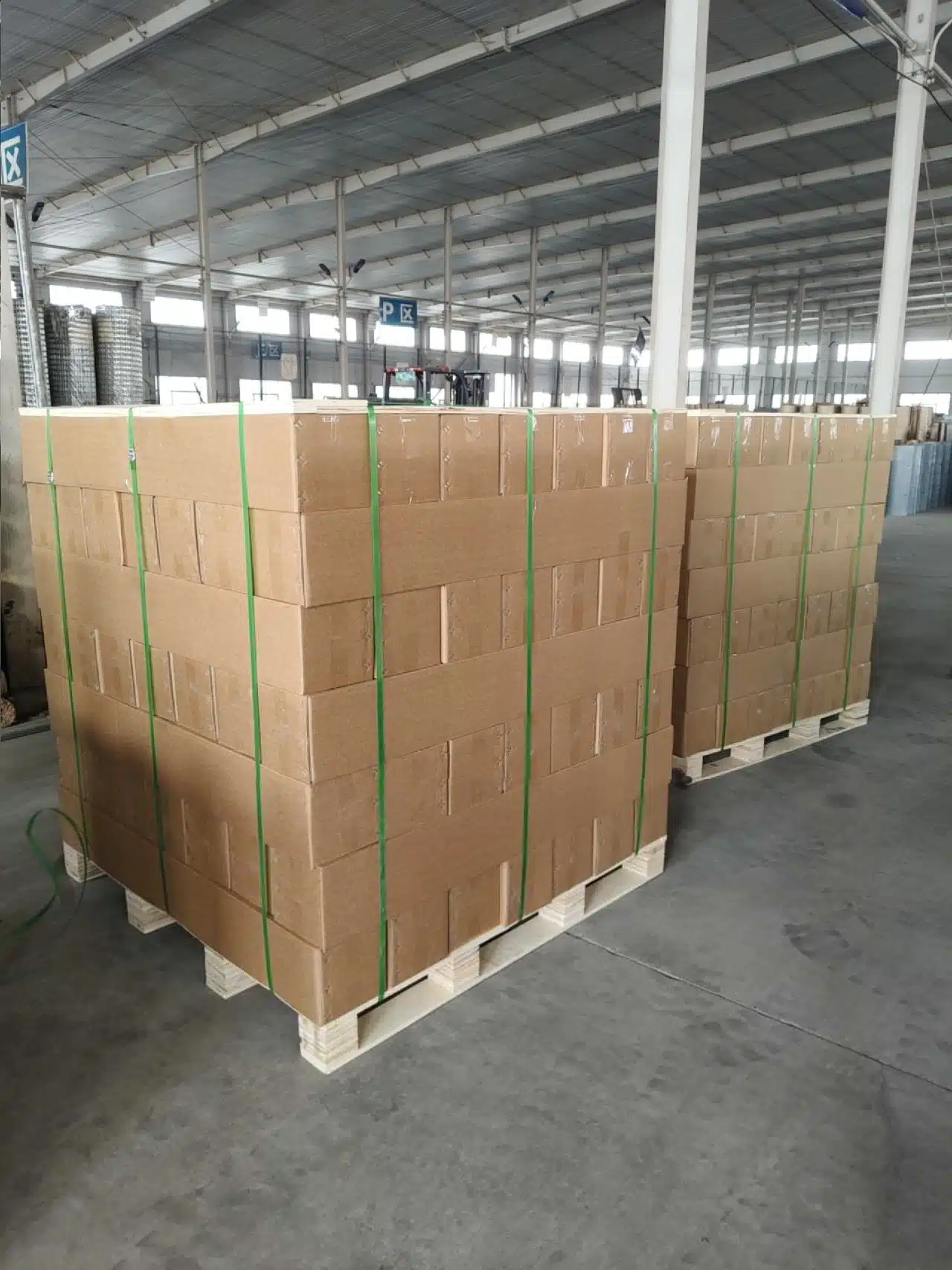
Fiberglass screen is lighter and more compact. Aluminum screen is heavier and should be packed more carefully to avoid deformation during handling.
| Packing factor | Fiberglass screen | Aluminum screen |
|---|---|---|
| Roll weight | Lower | Higher |
| Roll handling | Flexible and compact | More rigid, needs care |
| Carton packing | Common | Common, often with stronger protection |
| Pallet loading | High loading efficiency | Lower loading density than fiberglass |
| Mixed container | Practical when SKU plan is clear | Practical when cartons and labels are separated |
For mixed orders, ask the supplier to separate fiberglass and aluminum SKUs clearly by carton mark, pallet label and packing list. This reduces receiving mistakes when the container arrives.
How to choose between fiberglass and aluminum
Choose fiberglass window screen when:
- Your customers are price-sensitive.
- You sell through DIY or hardware retail channels.
- You need standard 18 x 16 and fine mesh counts.
- Container loading efficiency is important.
- Customers expect routine replacement after several years.
- Color options such as charcoal, gray, white or black matter.
Choose aluminum window screen when:
- Your customers value rigidity and longer service expectation.
- The application includes larger openings or professional installation.
- Pet resistance is a selling point.
- The project is in a coastal, humid or premium residential market.
- Bright or painted metal screen appearance is preferred.
- The buyer accepts a higher unit price for stronger material.
Upgrade to stainless steel or another dedicated screen when the requirement involves security, food processing, chemical exposure or special project standards.
RFQ checklist for a comparative quote
To compare fiberglass and aluminum screen properly, send the same basic information for both materials:
- Material: fiberglass PVC coated screen or aluminum screen.
- Mesh count: for example 18 x 16.
- Color or finish: charcoal, gray, bright aluminum, painted aluminum.
- Roll width and length: for example 0.9 m x 30 m or 1.2 m x 30 m.
- Weight or wire diameter if required.
- Packing: carton, label, barcode, pallet and carton mark.
- Quantity by SKU.
- Destination port and trade term.
- Sample requirement.
- Any retail label or OEM packing requirement.
When comparing quotations, check per-square-meter cost, carton quantity, roll weight, pallet plan and estimated loading volume. A lower roll price is not always the lowest landed cost if packing and loading efficiency are not equal.
Frequently Asked Questions
Can fiberglass and aluminum screen be mixed in one container?
Yes. Many buyers mix fiberglass and aluminum screen in one shipment. Ask for separate carton marks, pallet labels and a loading plan so your warehouse can receive the goods by SKU.
Which material is better for mosquito-control markets?
Mesh count and opening size are more important than material alone. Fiberglass is often selected for large-volume mosquito-screen demand because it is lower cost and available in fine mesh counts. Aluminum may be chosen for selected premium or contractor channels.
Does aluminum screen corrode in coastal markets?
Aluminum has natural corrosion resistance, but coastal installation still needs attention to finish, frame material and fasteners. Buyers should avoid unsuitable dissimilar metal contact and request material details when the project is near the sea.
Is aluminum always a better long-term investment?
Not always. Aluminum can last longer in some conditions, but its higher purchase price, installation method and market acceptance must be considered. For routine replacement retail markets, fiberglass may still be the better commercial choice.
What documents should buyers request?
For fiberglass screen, ask for material, weight, mesh count, color and relevant test reports when required. For aluminum screen, ask for alloy or material confirmation, wire diameter, finish and packing details. For special project requirements, documents should be confirmed before ordering.
Conclusion
Fiberglass and aluminum window screen are not direct substitutes in every market. Fiberglass is usually the volume product for cost-sensitive retail and DIY channels. Aluminum is better positioned as a stronger and more rigid option for premium, pet-resistant, coastal or contractor-driven demand.
For importers, the best approach is to compare both materials under the same mesh count, roll size, color, packing and destination terms. Clear RFQ details make quotations easier to compare and reduce problems after shipment.
About ANJIA GROUP
ANJIA GROUP supplies wire mesh, fencing and related industrial products for global B2B buyers. Contact our team to discuss product specifications, matching accessories and export packing.
Discuss your sourcing requirements
Send your product requirements and any relevant drawings to our team.
Get a Free Business Quote Aluminum Window Screen
 Window Screen, Wire and Nails
 Galvanized vs PVC Coated Wire Mesh Guide
 Fence Coating & Exposure Zone Selector