
Galvanized Iron Wire Buying Guide: Wire Gauge, Zinc Coating, Coil Weight, Packing and Use

Updated Jun 23, 2026
A practical galvanized iron wire buying guide covering wire gauge, hot-dip vs electro galvanized finish, zinc coating, coil packing, tensile or softness requirement and RFQ details.
Table of contents
Galvanized iron wire is used as binding wire, weaving wire, fencing wire and production input for many downstream products. It may look like a simple commodity, but two quotations for "GI wire" can still be based on different wire diameters, galvanizing methods, tensile conditions, coil weights and packing methods.
This guide helps importers, distributors, fencing suppliers and mesh manufacturers prepare a clearer RFQ before comparing galvanized iron wire prices.
Use weight as a GI wire quotation cross-check
Galvanized iron wire is usually quoted by weight, so weight should not be treated as a shipping detail only. Coil weight, spool weight, package weight and total order weight help the supplier check the relationship between wire diameter, galvanizing route, tensile condition, packing and landed cost.
If a buyer already knows the target weight from a previous purchase, it should be included in the RFQ together with diameter and coil format. If the buyer only knows length or coil count, the supplier should state the quotation basis clearly enough for comparison. A large difference in expected weight may indicate a different diameter, different coil length, different coating assumption or different packing scope.
For coating proof, photos can show surface appearance and packing condition, but they cannot prove zinc coating level by themselves. When a project or buyer standard requires coating records, the requirement should be stated before order. For general distributor stock, a clear coating route, sample approval, packing photos and label records may be enough for routine commercial review.
Before shipment, ANJIA can align packing photos, labels, package count and weight records with the order file when the buyer requests them. This helps the buyer prepare receiving checks, but final acceptance should still follow the agreed specification, purchase order and inspection arrangement.
What Galvanized Iron Wire Means
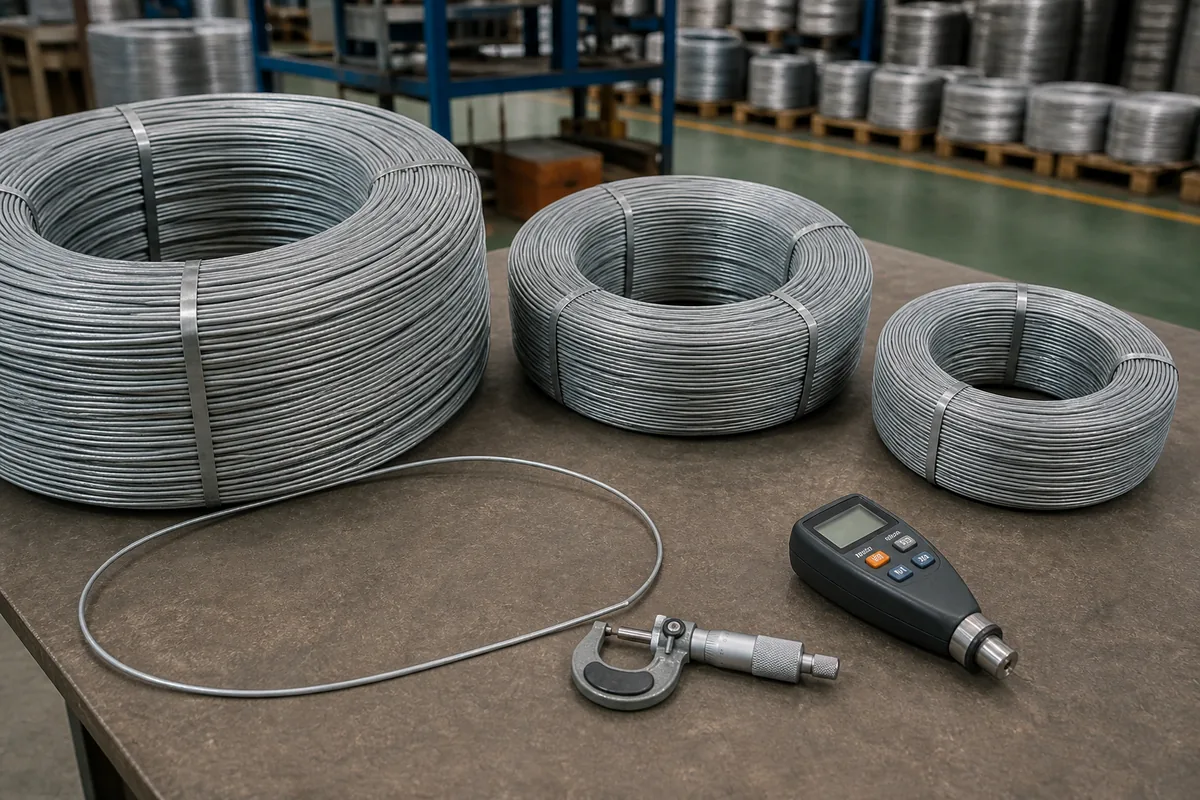
Galvanized iron wire, often called GI wire, is low-carbon steel wire with a zinc-coated surface for corrosion protection. It is usually supplied in coils, spools or reels before being used for binding, weaving, fencing, baling or further product manufacturing.
This guide focuses on galvanized wire coils and spools. It is different from galvanized welded wire mesh, finished fence panels or black annealed binding wire.
Wire Gauge and Diameter
Wire diameter is the first quotation field to confirm. Buyers may use BWG, SWG or metric millimeters depending on market habit, but the RFQ should avoid mixing standards without clarification.
For most orders, write the wire size in millimeters and include the gauge reference only when it is necessary for your market. If the wire will feed into a mesh weaving machine or barbed wire line, also confirm tolerance because small diameter differences can affect machine feeding and final product weight.
| Buyer Field | What to Confirm | Why It Matters |
|---|---|---|
| Wire size | Metric diameter and gauge reference if required | Changes weight, price and downstream processing |
| Tolerance | Standard tolerance or machine-feeding requirement | Important for weaving, twisting and repeat production |
| Application | Binding, fencing, weaving, barbed wire core or other use | Helps match diameter and wire condition |
Hot-Dip vs Electro-Galvanized Wire
Hot-dip galvanized wire and electro-galvanized wire can both be called galvanized iron wire, but the quotation basis is not the same.
Hot-dip galvanized wire is usually chosen when the buyer needs stronger corrosion resistance or outdoor exposure performance. Electro-galvanized wire is often selected for smoother appearance, lighter protection, indoor use or cost-sensitive binding applications.
The right choice depends on use environment, budget, surface expectation and the buyer's required coating basis. The RFQ should state whether hot-dip galvanized or electro-galvanized wire is required.
| Quotation Field | Hot-Dip Galvanized Wire | Electro-Galvanized Wire |
|---|---|---|
| Buyer use case | Outdoor, exposed, fencing or longer service expectation | Indoor, temporary, smooth surface or cost-sensitive use |
| Surface look | Often matte grey with heavier protective basis | Often brighter and smoother |
| RFQ note | Confirm coating basis and inspection record if required | Confirm intended use and coating expectation |
Zinc Coating and Inspection
Do not rely only on the word "galvanized". Ask the supplier to confirm the zinc coating basis being quoted and whether inspection records can be supplied if required.
If a project has a named standard or coating class, include it in the RFQ. If the order is for general distributor stock, it may be enough to confirm coating method, intended use environment and sample approval before bulk production.
Softness, Tensile Requirement and End Use
Galvanized wire can be supplied with different softness or tensile conditions. Binding wire should be easy to bend and twist. Wire used for tension, fence strand or further machine processing may need a different strength and straightness basis.
Instead of asking only for price, explain the final use: rebar tying, general binding, hexagonal mesh weaving, chain link fence weaving, barbed wire core, razor wire core, farm fencing, baling or other processing. This helps the factory quote a wire condition that matches the application.
Coil Weight, Spool Format and Packing
Coil weight affects handling, machine feeding, warehouse storage and export cost. Small coils are easier for manual use. Medium coils or spools are common for distributors and factory processing. Large coils are more suitable for continuous production lines but need proper handling equipment.
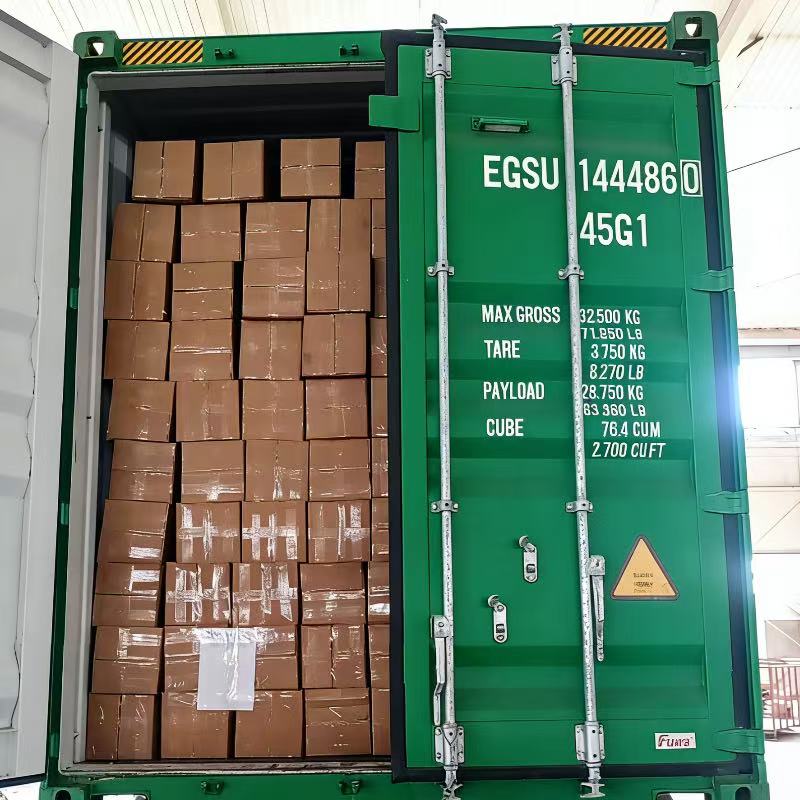
Packing should be part of the quotation, not an afterthought. Buyers should confirm inner wrapping, outer woven bags or cartons, pallet plan, labels, shipping marks and moisture protection if the goods will travel by sea or arrive in a humid destination.
| Packing Field | What to Ask | Why It Matters |
|---|---|---|
| Coil weight | Small coil, medium spool or large coil | Affects handling and machine feeding |
| Outer packing | Woven bag, carton, pallet or buyer label | Affects unloading, warehouse sorting and resale |
| Moisture protection | Inner film, desiccant or storage note if required | Important for sea shipment and humid destinations |
| Shipping mark | Neutral mark or buyer-specific label | Useful for distributors and repeated orders |
Match the Wire to the Application
Different applications need different combinations of diameter, coating, softness and packing.
- Binding and tying: focus on softness, coil size and easy handling.
- Hexagonal wire mesh weaving: focus on diameter consistency, coating basis and machine feeding format.
- Chain link fence weaving: focus on wire diameter, coil format and stable feed.
- Barbed wire or razor wire core: focus on wire condition, coating and tensile requirement.
- Farm or general fencing strand: focus on exposure environment, coating and roll or coil handling.
If the same project includes fencing or mesh products, read the welded wire mesh fence vs chain link fence comparison and the razor wire and barbed wire manufacturer checklist before finalizing product scope.
Galvanized Wire vs Black Annealed Wire vs PVC Coated Wire
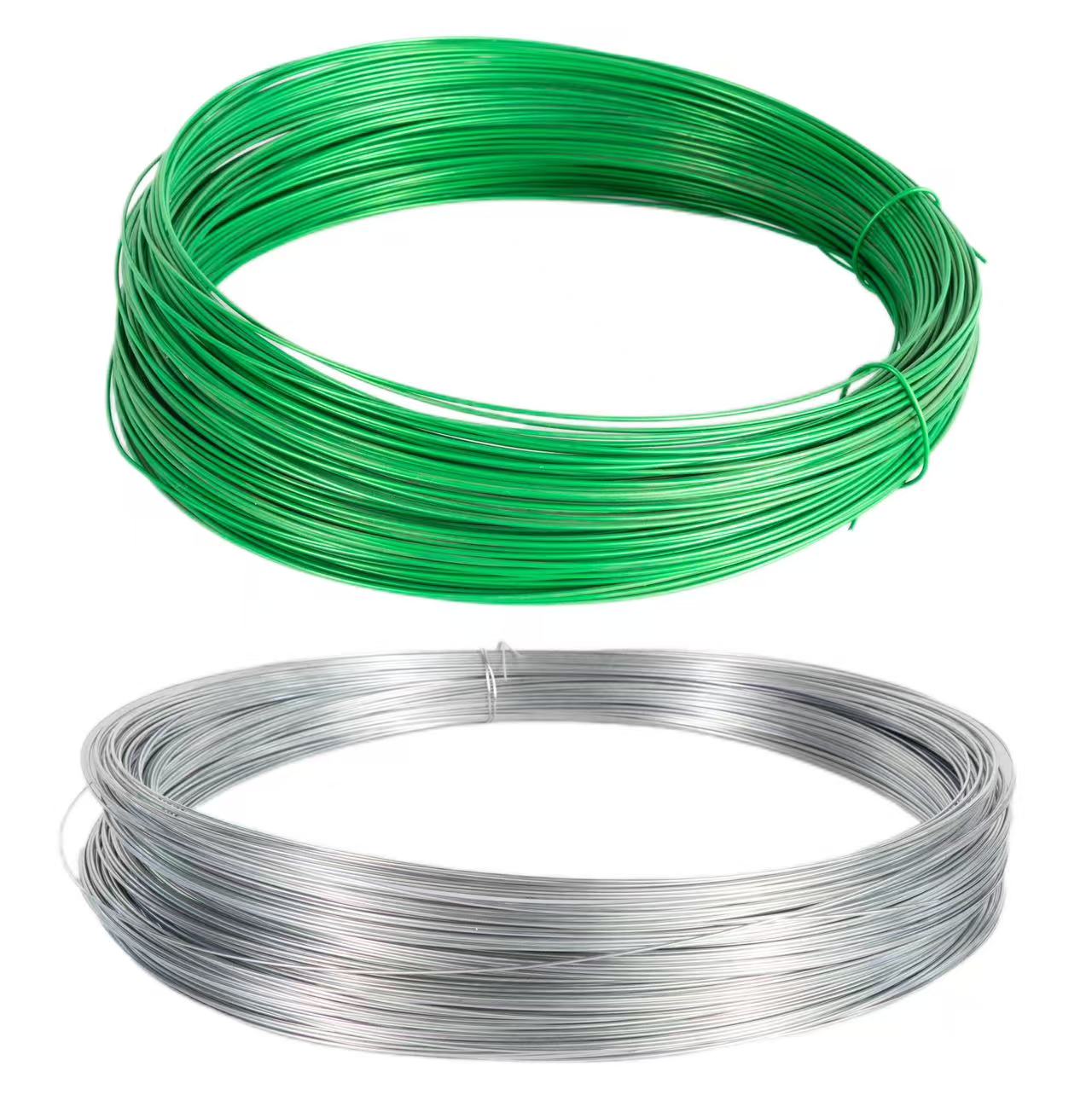
Galvanized wire is selected when the zinc surface protection is important. Black annealed wire is usually chosen when softness and tying efficiency matter more than exposed corrosion resistance. PVC coated wire adds a colored plastic layer and is often used when appearance or an extra protective barrier is required.
For buyers sourcing several wire products together, it is useful to ask whether galvanized wire, black annealed wire and PVC coated wire can be loaded together with separate labels.
GI Wire RFQ Checklist
Before requesting a galvanized iron wire quotation, send these fields:
| RFQ Field | What to Send |
|---|---|
| Wire diameter | Metric diameter or gauge reference |
| Galvanizing method | Hot-dip galvanized or electro-galvanized |
| Coating basis | Zinc coating requirement or project standard if required |
| Wire condition | Softness, tensile requirement or final processing use |
| Coil format | Coil weight, spool, reel, carton or pallet requirement |
| Packing | Inner wrap, outer bag, label, shipping mark and moisture protection |
| Order details | Quantity, destination, Incoterms and delivery schedule expectation |
| Documents | Samples, inspection records or loading photos if required |
The more clearly these fields are written, the easier it is to compare supplier quotations on the same basis. For a broader RFQ structure, use the wire mesh fence quotation checklist and adapt it to wire coil orders.
Frequently Asked Questions
Is hot-dip galvanized wire always better than electro-galvanized wire?
Not always. Hot-dip galvanized wire is usually selected for stronger outdoor protection, while electro-galvanized wire may be enough for indoor, temporary or cost-sensitive applications. The choice should follow the use environment and quotation basis.
What is the most important specification for GI wire price comparison?
Wire diameter, galvanizing method, coating basis, tensile or softness condition and coil format are all important. Price comparison is unreliable if any of these fields are unclear.
Can galvanized iron wire be used for rebar tying?
Yes, it can be used when zinc-coated binding wire is required. For many indoor or concrete-encased tying jobs, buyers also compare black annealed wire because it is soft and efficient for manual tying.
What packing should I ask for?
Ask for coil weight, inner wrapping, outer bag or carton, pallet plan, labels, shipping marks and whether moisture protection is needed for sea shipment or humid storage.
What should I send for a faster quotation?
Send diameter, galvanizing method, coil weight, softness or tensile requirement, packing, quantity, destination and final use. Photos, old order specs or drawings can help the supplier quote more accurately.
Conclusion: Quote the Same Wire Basis Before Comparing Price
Galvanized iron wire should be quoted by specification, not only by product name. Before comparing prices, confirm wire diameter, galvanizing method, coating basis, wire condition, coil format, packing, quantity and destination.
If you are preparing a repeated order or container-load purchase, send your target wire specification and application details so the supplier can quote the same wire basis.
About ANJIA GROUP
ANJIA GROUP supplies wire mesh, fencing and related industrial products for global B2B buyers. Contact our team to discuss product specifications, matching accessories and export packing.
Discuss your sourcing requirements
Send your product requirements and any relevant drawings to our team.
Get a Free Business Quote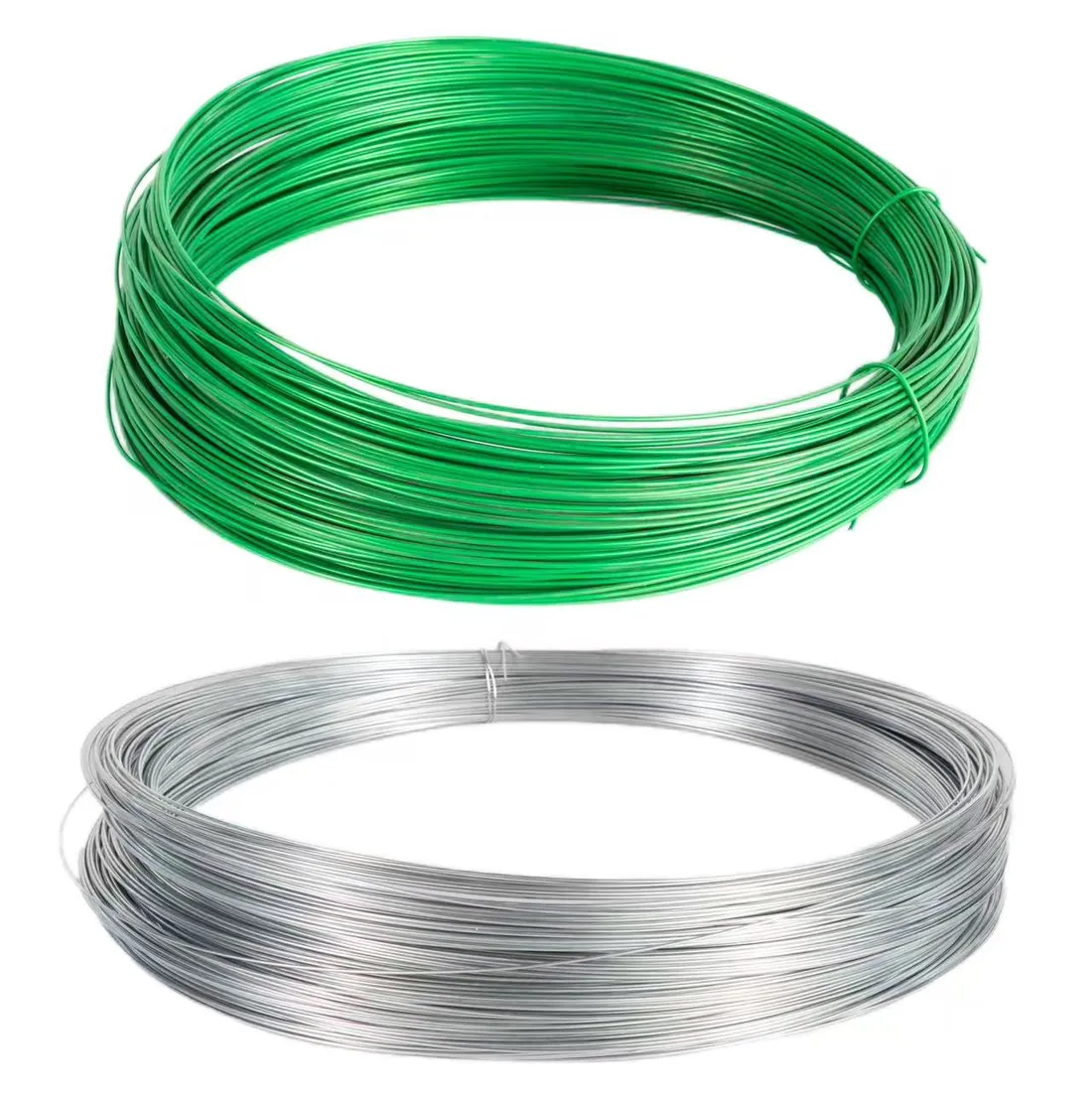 Galvanized Iron Wire
 Wire Mesh Products
 Wire Mesh RFQ Specification Builder
 Wire Mesh Weight Calculator