
Welded Wire Mesh Fence vs Chain Link Fence: How B2B Buyers Should Compare
Updated Jun 23, 2026
A practical B2B comparison of rigid welded mesh fence panels and flexible chain link fence rolls, with coating, packing and quotation checks.
Table of contents
Choosing between welded wire mesh fence and chain link fence is a common decision for importers, contractors, distributors and project buyers. Both products can work well, but they answer different purchasing problems.
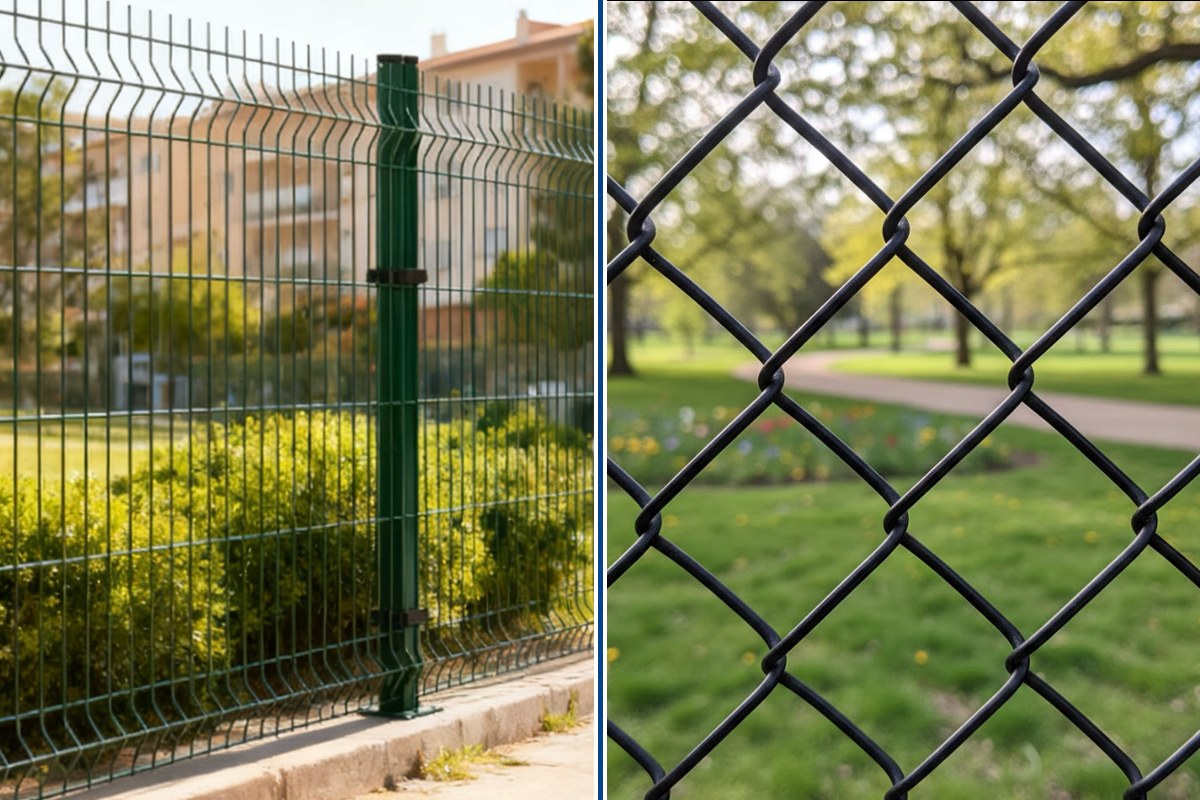
A welded wire mesh fence is a rigid panel system. It gives a cleaner appearance, easier panel-by-panel replacement and stronger shape control. A chain link fence is a woven roll system. It is flexible, economical and practical for long boundary lines, uneven ground and projects where visual finish is less critical.
The right choice is not about which fence is always better. It depends on project use, site condition, coating requirement, budget, packing plan and the way the buyer wants to compare quotations.
1. Quick Answer for Buyers
Use welded wire mesh fence when the project needs a neat perimeter, panel rigidity, repeatable appearance and clear accessory matching. Use chain link fence when the project needs a flexible roll fence, lower material cost, easier ground adjustment and simple long-distance boundary coverage.
| Buying Question | Welded Wire Mesh Fence | Chain Link Fence |
|---|---|---|
| Structure | Rigid welded panel | Flexible woven roll |
| Appearance | Clean, modern, uniform | Simple and utilitarian |
| Site adjustment | Needs accurate post spacing | Adapts better to uneven ground |
| Accessories | Posts, clips, clamps, gates | Posts, tension wire, tie wire, fittings |
| Typical quote basis | Panel size, wire, mesh, coating, post | Roll height, mesh opening, wire, coating, length |
2. Structural Difference: Rigid Panel vs Flexible Roll
Welded wire mesh fence panels are made by welding steel wires at each intersection. Many 3D fence panels also include V bends to improve panel stiffness. Because each panel is produced to a fixed size, the final fence line looks orderly when posts, clips and gates are matched correctly.
Chain link fence is made from interwoven wire formed into a diamond mesh. It is supplied in rolls and tensioned between posts during installation. This structure is easier to adapt to irregular boundaries and is often practical for large areas where the main need is demarcation rather than a premium architectural look.
3. Appearance and Project Image
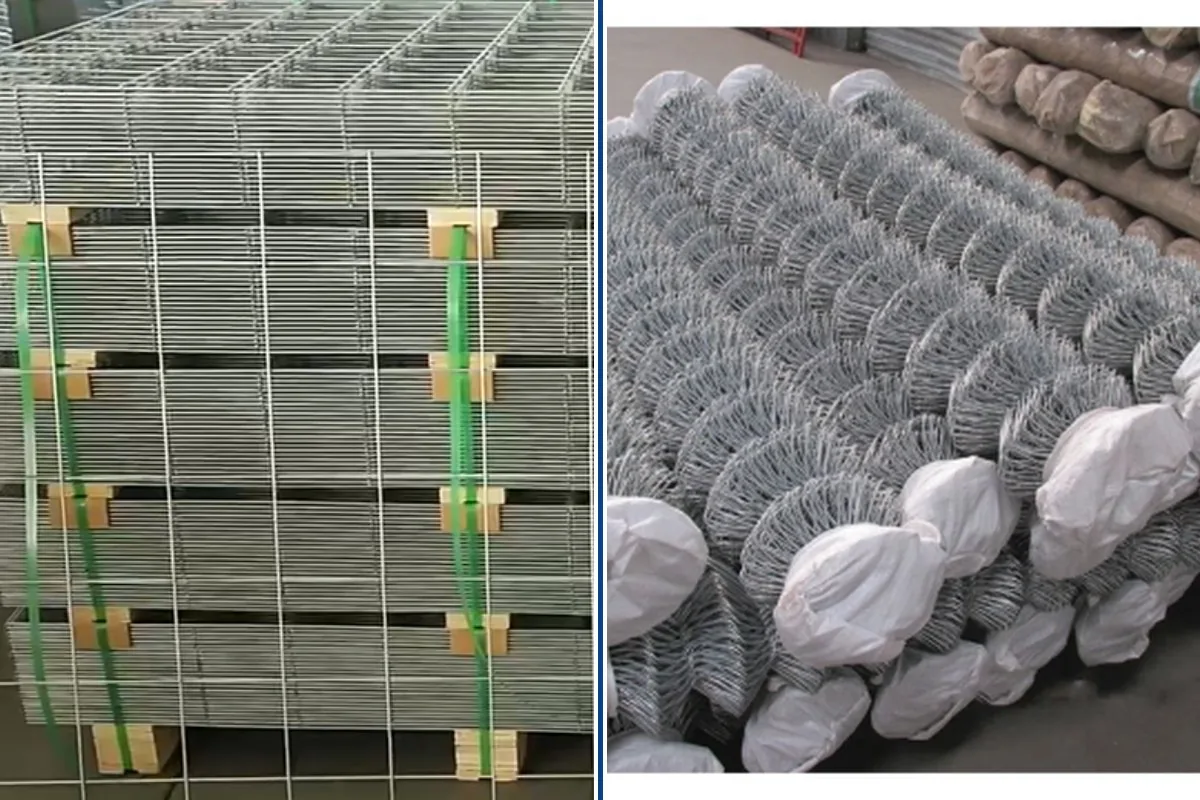
For commercial entrances, logistics parks, industrial compounds, schools, public areas and building perimeter projects, welded mesh panels often look more controlled. Powder coating can also help the fence match a building, gate or site color plan.
Chain link fence is more functional in appearance. It is widely used for yards, farms, sports fields, temporary boundaries and cost-sensitive projects. If privacy or a more finished look is required, additional options such as privacy slats or coating color should be discussed before quotation.
4. Coating and Service Life Should Be Compared Carefully
Coating is usually more important than the fence type itself. A heavy-duty welded panel with poor coating can fail earlier than a well-galvanized chain link fence. Buyers should compare coating method, zinc layer, topcoat, environment and packing protection instead of only comparing price per meter.
| Item | What to Ask | Why It Matters |
|---|---|---|
| Galvanizing | Before welding, after welding, or wire galvanizing basis | Different methods affect corrosion protection |
| Powder coating | Color, surface preparation and coating thickness basis | Important for appearance and outdoor durability |
| PVC coating | Core wire, PVC thickness and color | Common for chain link fence and coastal projects |
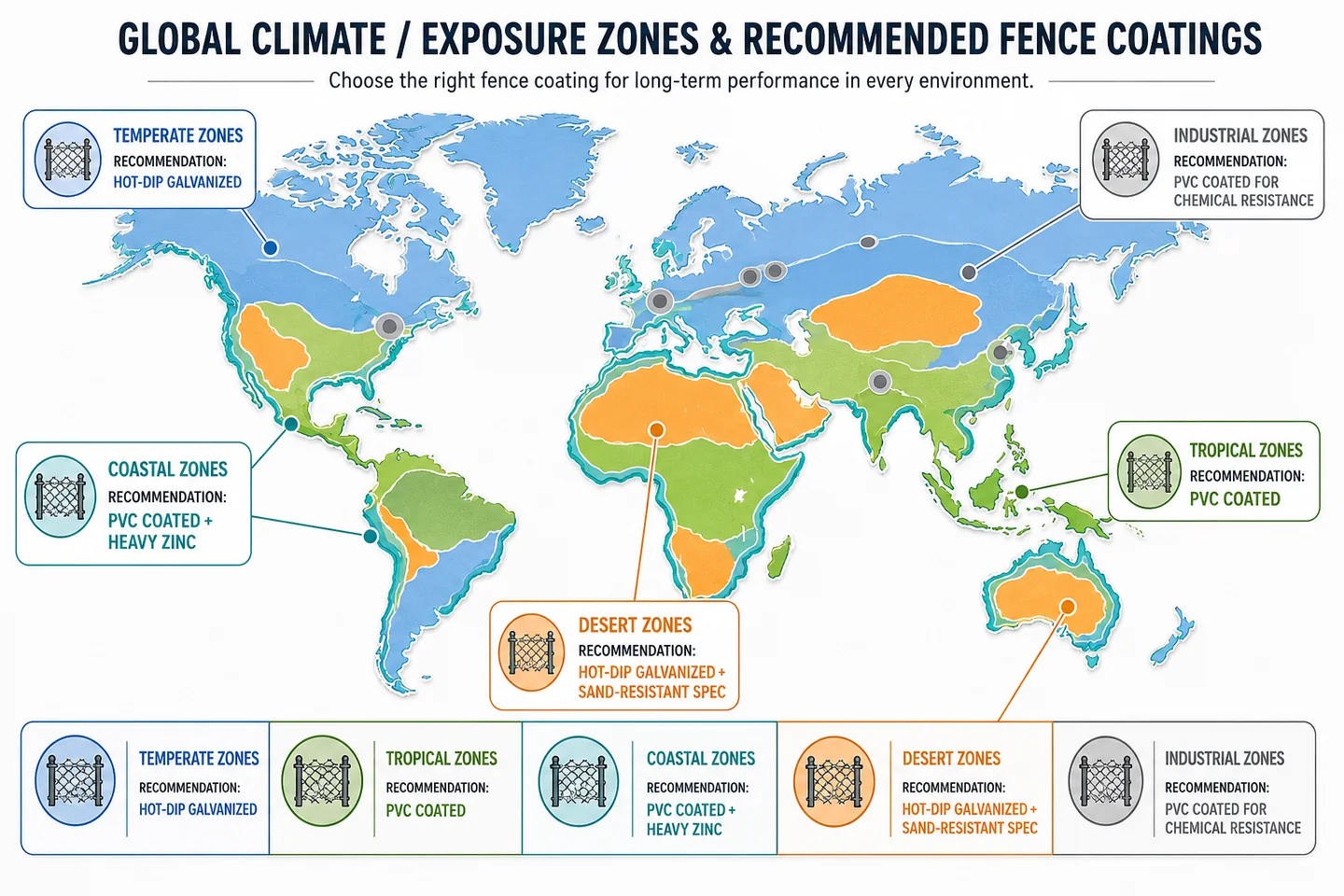
| Environment | Coastal, industrial, tropical or inland use | Coating choice should match exposure conditions |
| Inspection | Photos, coating checks or third-party inspection | Helps reduce mismatch between sample and shipment |
If a supplier gives a long service-life claim, ask what coating, environment and maintenance assumption supports it. For publication and procurement safety, treat service life as project-dependent rather than a fixed promise.
5. Installation and Site Conditions
Welded mesh panels are easier to install when the ground is prepared and post spacing is accurate. The installer usually fixes each panel to posts with clips, clamps or brackets. If the site has many slopes, corners or uneven sections, the buyer should confirm panel stepping, post height and gate position in advance.
Chain link fence requires tensioning. It can follow uneven ground more naturally, but the installation quality depends on post setting, tension wire, terminal posts, fittings and tie wire spacing. For export buyers, this means the quotation should include the right accessories, not only the mesh roll.
6. Packing, Accessories and Container Planning
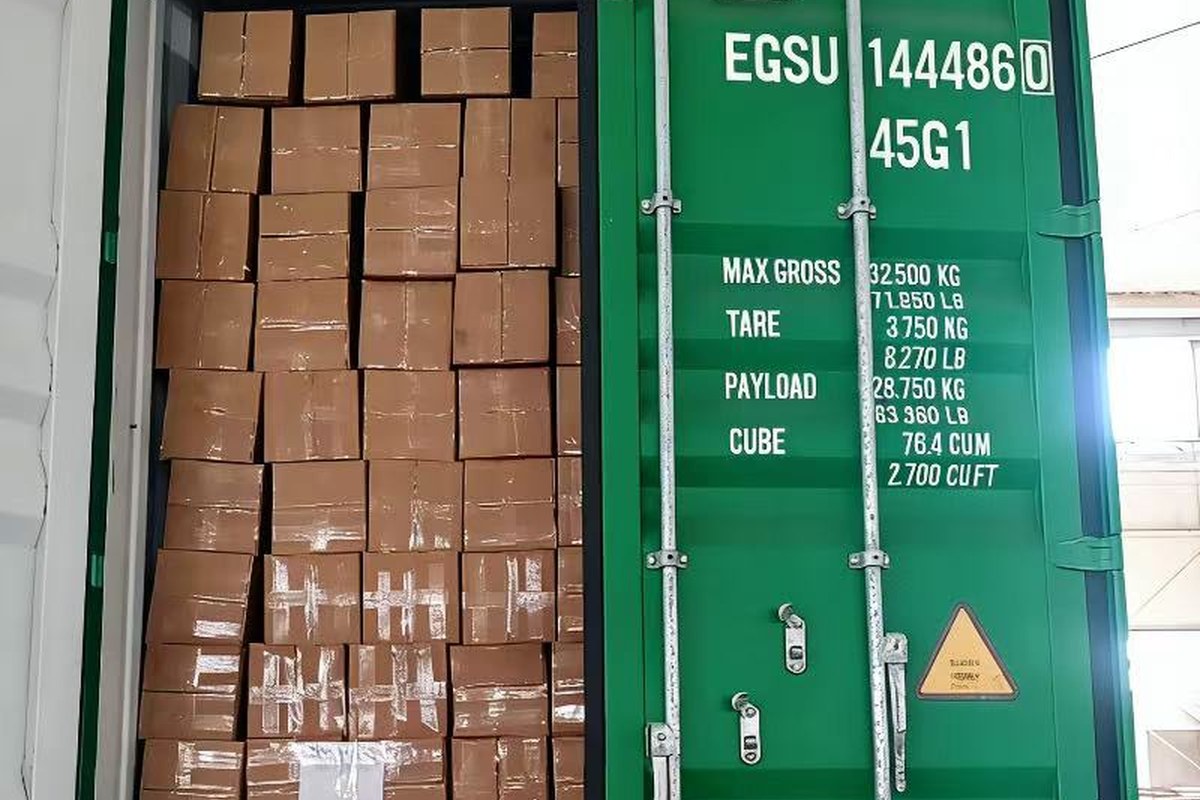
Fence orders often become difficult when the panel, post, gate and accessory scopes are not written clearly. For welded mesh fence, confirm panel quantity, post quantity, clips, bolts, gates and coating color. For chain link fence, confirm mesh rolls, posts, tension bars, tie wire, tension wire, clamps and gates.
For mixed-container orders, it can be reasonable to combine welded mesh panels and chain link rolls in one shipment if the loading plan is safe. The buyer should request packing photos, label details and a loading plan before shipment.
7. Application Suitability Matrix
| Project Type | Often Suitable Option | Reason to Check |
|---|---|---|
| Industrial perimeter | Welded mesh fence | Rigid panels, neat appearance and accessory matching |
| Logistics yard | Welded mesh or chain link | Choose by budget, visibility and maintenance expectation |
| Farm boundary | Chain link or field fence | Flexible roll fence may suit longer uneven boundaries |
| Sports field | Chain link fence | Flexible structure can absorb regular impact better |
| Commercial building | Welded mesh fence | Cleaner line and color matching are often important |
| Temporary works | Temporary fence or chain link | Reusability and fast boundary setup may matter more |
8. What to Send Before Asking for Price
To receive comparable quotations, buyers should send a clear RFQ instead of asking only for "best price". The minimum details are:
- Fence type: welded mesh panel, chain link fence, or both for comparison.
- Height, length and project quantity.
- Wire diameter and mesh opening, or target strength level if the exact size is not confirmed.
- Coating: galvanized, PVC coated, powder coated, or a project environment for recommendation.
- Post type, gate requirement and accessories.
- Packing requirement and destination port.
- Any drawings, photos, tender documents or previous supplier specifications.
If the buyer is still comparing options, ANJIA GROUP can prepare a side-by-side quotation basis so the welded mesh fence and chain link fence are not compared on incomplete specifications.
Frequently Asked Questions
Is welded wire mesh fence always stronger than chain link fence?
Not always. Welded mesh panels are more rigid, but strength also depends on wire diameter, mesh opening, post design, coating and installation quality. Chain link fence can still be practical for many boundary and sports applications.
Which fence is usually more economical for long boundaries?
Chain link fence often has a lower material cost for long boundary lines, especially where appearance requirements are simple. Welded mesh fence may be more suitable when the buyer values a cleaner look, panel rigidity and long-term site image.
Can welded mesh fence and chain link fence be shipped together?
Yes, if the loading plan is safe and the supplier confirms packing, weight distribution and accessory separation. Mixed-container sourcing can help buyers combine different fence zones in one purchase order.
What information should I send for a reliable comparison quote?
Send fence height, total length, mesh opening, wire diameter, coating, posts, gates, accessories, packing requirement and destination. If specifications are not fixed, send site photos or drawings so the supplier can propose a comparable basis.
Which coating should I choose for outdoor fence projects?
Outdoor projects usually need galvanizing, PVC coating, powder coating or a combination depending on environment. Coastal and humid areas normally require more careful coating selection than dry inland sites. Ask the supplier to explain the coating basis in the quotation.
Conclusion: Compare by Project Function, Not by Product Name
Welded wire mesh fence and chain link fence are both useful products, but they solve different sourcing problems. Welded mesh fence is usually selected for rigid panels, neat appearance and structured accessory matching. Chain link fence is often selected for flexible roll supply, long boundary coverage and cost-sensitive use.
For a fair comparison, buyers should send the same project information to the supplier and ask for a clear quotation basis for each option. That makes the final choice easier to explain internally and easier to verify before shipment.
About ANJIA GROUP
ANJIA GROUP supplies wire mesh, fencing and related industrial products for global B2B buyers. Contact our team to discuss product specifications, matching accessories and export packing.
Discuss your sourcing requirements
Send your product requirements and any relevant drawings to our team.
Get a Free Business Quote Chain Link Fence
 Fence Post
 Fence Coating & Exposure Zone Selector
 Galvanized vs PVC Coated Wire Mesh Guide