
Security Fence Specification Checklist for Industrial and Warehouse Buyers

Updated Jun 24, 2026
Prepare a clearer industrial security fence RFQ by confirming height, mesh aperture, panel rigidity, posts, gates, coating, accessories and packing.
Table of contents
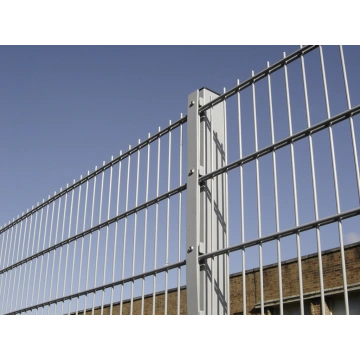
A security fence RFQ should not start with only a product photo. For industrial parks, warehouses, logistics yards and perimeter projects, buyers need to define the fence structure, height, mesh aperture, posts, gates, coating and accessories before comparing quotations.
The word "security" can mean different things in different projects. Some buyers need a stronger visual boundary. Some need a more rigid welded panel system. Some need narrow openings, higher posts, top extensions or matching gates. The supplier cannot price the correct scope unless these details are visible in the RFQ.
This checklist helps buyers prepare a practical specification. It does not claim that one fence design can guarantee security performance; the final choice should match the project drawings, local requirements and site risk assessment.
Quote-ready answer: A security fence RFQ is ready for supplier review when it connects site risk, fence height, mesh aperture, wire diameter, post fixing, gates, coating and packing in one specification. If the buyer can provide target panel weight or an accepted weight range, the supplier can also cross-check whether the requested rigidity and cost target are realistic.
Start by defining the security scope
Before choosing a panel, describe the site. A warehouse boundary, a public utility site and a temporary construction perimeter may require different fence height, panel rigidity and access control details.
Useful context includes project type, fence line length, expected height, gate locations, ground condition, whether the fence is permanent or temporary, and whether the buyer needs optional top protection such as barbed wire or razor wire arms.
| Decision area | Buyer input | Supplier review point |
|---|---|---|
| Site condition | Boundary type, exposure, ground fixing and gate positions. | Whether the panel, post and fixing method fit the project use. |
| Rigidity target | Height, aperture, wire diameter, bends or anti-climb panel type. | Whether the specification is strong enough without creating unrealistic cost or weight. |
| Shipment control | Packing, labels, accessories and loading photo request. | Whether the order can be checked before shipment and sorted after arrival. |
Specification checklist
| Specification item | Why it matters | What to confirm |
|---|---|---|
| Fence height | Height affects post length, panel weight, packing and project appearance. | Panel height, total installed height and top extension if needed. |
| Mesh aperture | Narrower openings may be preferred where climbing resistance or visibility control matters. | Opening size, wire diameter and panel type. |
| Panel rigidity | 3D bends, double wire or flat anti-climb panels have different stiffness and cost basis. | 3D fence, 358 fence, double wire fence or project drawing. |
| Posts and fixing | Post section, spacing and fixing method affect the complete system. | Post size, base plate or embedded post, spacing and fasteners. |
| Gates | Vehicle and pedestrian gates may require different frames, hinges and locks. | Gate size, quantity, opening direction and accessory needs. |
| Top protection | Some projects add arms, barbed wire or razor wire; others do not allow them. | Whether top extension is required and what type is acceptable. |
| Coating | Outdoor projects need a finish suited to environment and color requirement. | Galvanized, powder coated, PVC coated, color and use environment. |
| Packing | Panels and posts must be protected and easy to sort on arrival. | Pallet, bundle, label, mixed container and accessory packing. |
Panel type should match the project
For many industrial buyers, 3D welded fence is selected when a balance of rigidity, appearance and cost is needed. Flat anti-climb panels may be considered when smaller openings and a more rigid visual barrier are preferred. Double wire fence can be considered where panel stiffness is important.
The right option should be compared by project use, budget, site risk and installation method. A supplier can suggest options, but the buyer should confirm the final requirement with the project owner or engineer.
Gates and access points are part of the fence system
A perimeter fence often fails as a quotation when gates and access points are not described. Vehicle gates, pedestrian gates, hinges, locks, ground bolts and posts may change the total system cost.
If gate drawings are not ready, send approximate width, height and quantity first. Mark them as "to be confirmed" so the supplier can separate panel price from gate price.
Coating and environment
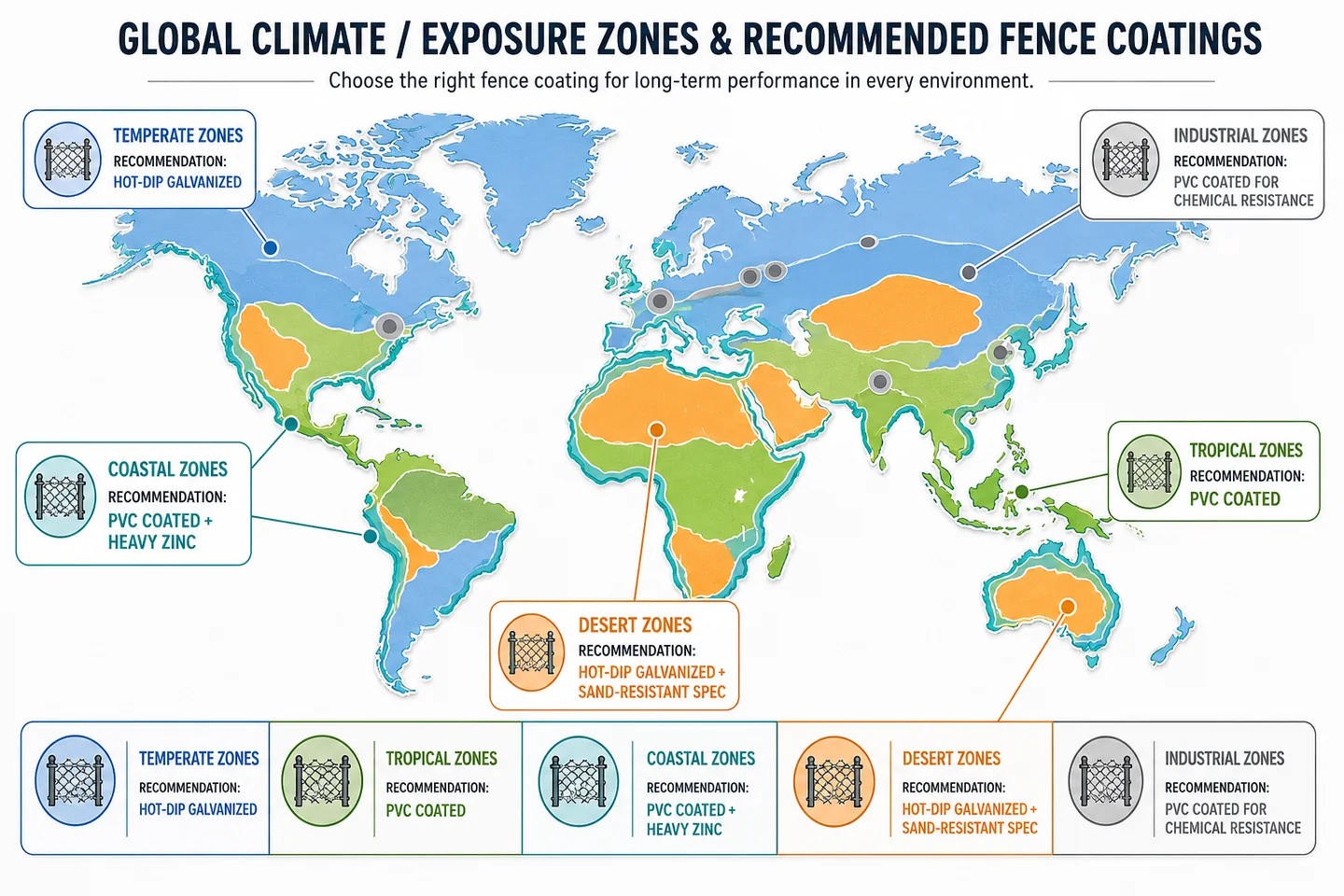
Security fence panels are usually used outdoors, so coating should be discussed early. The RFQ should mention whether the site is dry, humid, coastal, industrial or exposed to frequent handling. If the project requires a specific color, send the color reference.
If the project asks for coating thickness, adhesion testing, corrosion testing or a particular standard, do not leave it until after quotation. These requirements should be confirmed before production.
What proof buyers can request
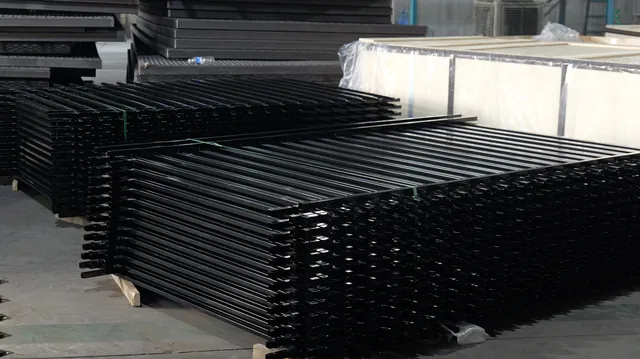
Before shipment, buyers can request photos or videos of panel production, finished panels, posts, gates, accessories, labels, packing and container loading. This helps confirm that the order scope matches the quotation.
For repeat B2B purchasing, keeping these records also makes it easier to reorder the same fence specification later.
Connect the security need with RFQ proof
The practical decision is to separate three questions before asking for final price. First, what risk is the fence expected to manage: general boundary control, warehouse access control, restricted-area separation or a temporary project perimeter? Second, which product details carry that requirement: height, aperture, wire diameter, panel bends or flat panel design, post size, gate width and top protection? Third, what proof does the buyer need before shipment: production photos, finished panel photos, accessory packing, label records, loading photos, coating documents or a formal inspection report?
For metal fence systems, weight is also a useful cost and specification cross-check. If the buyer knows the expected panel weight, post weight, bundle weight or total shipment weight, ANJIA can compare it with the requested height, wire diameter, post size and packing plan during quotation discussion. A large gap between the expected weight and the quoted specification can indicate that two suppliers are not pricing the same system.
| Buyer decision | RFQ field to confirm | Useful proof before shipment |
|---|---|---|
| Boundary or restricted-access role | Fence height, aperture, panel type and post fixing. | Finished panel and post photos tied to the order scope. |
| Cost and rigidity comparison | Wire diameter, post size, panel weight or expected shipment weight. | Specification sheet, weighing record or packing overview where available. |
| Receiving and installation preparation | Gate quantity, accessories, labels, pallet grouping and destination. | Packing list, accessory carton photos, label close-ups and loading photos. |
This proof package should support a buyer's decision, not overpromise site performance. Final security suitability still depends on project drawings, local rules, installation conditions and any inspection or engineering approval required by the buyer.
A simple security fence RFQ message
Hello ANJIA GROUP,

We need a security fence quotation for an industrial / warehouse project.

Project type:
Fence height:
Panel type or mesh opening:
Wire diameter:
Post type and spacing:
Gate quantity and size:
Top protection requirement:
Coating and color:
Total quantity:
Packing requirement:
Destination port:

Please help confirm whether the specification is complete for quotation.
FAQ
Which fence type is best for security?
There is no single best option for every project. Buyers should compare height, aperture, panel rigidity, post system, gates, accessories and local project requirements.
Can I add razor wire or barbed wire on top?
It may be possible for some projects, but local rules and project requirements should be confirmed first. If allowed, the post and arm design should be included in the RFQ.
Should posts and gates be quoted separately?
For clarity, they can be listed separately but should be included in the same project scope. This helps buyers see whether each supplier is quoting the complete system.
What inspection photos should I request?
Ask for finished panels, posts, accessories, coating appearance, labels, packing and loading photos. For special requirements, confirm test documents before production.
About ANJIA GROUP
ANJIA GROUP supplies wire mesh, fencing and related industrial products for global B2B buyers. Contact our team to discuss product specifications, matching accessories and export packing.
Discuss your sourcing requirements
Send your product requirements and any relevant drawings to our team.
Get a Free Business Quote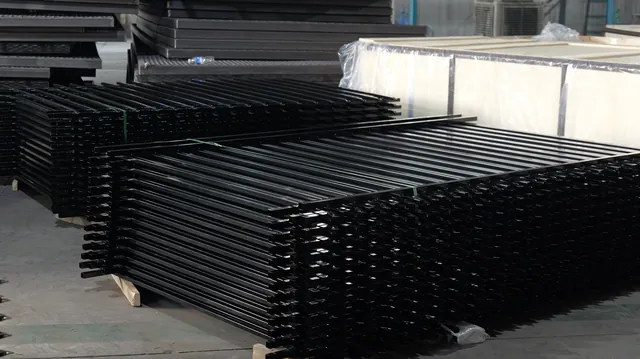 Fence Products
 Security Fence
 Fence Coating & Exposure Zone Selector
 Galvanized vs PVC Coated Wire Mesh Guide