
Custom Fence Panel Development: Drawing, Sample and Packing Questions
Updated Jun 24, 2026
A practical guide for distributors developing custom fence panels, covering drawings, samples, post connections, coating, accessories and export packing.
Table of contents
When a distributor or project buyer develops a custom fence panel, the first risk is usually not price. The bigger risk is that the buyer, supplier and factory floor are working from different assumptions. A reference photo may show the style, but it does not define panel height, mesh opening, post type, coating, accessories, label rules or packing method.
Custom fence panel development works better when the buyer treats the drawing, sample and packing plan as one connected file. The drawing defines what should be made. The sample checks whether the design can be reviewed physically. The packing plan protects the panel and accessories after production.
This guide explains which questions buyers should ask before a custom fence panel moves from idea to quotation, sample review and bulk order preparation.
Quote-ready answer: A custom fence panel request is ready for supplier review when the drawing, sample notes, post and accessory details, coating route and packing plan describe the same product. If one record is missing or outdated, the quotation may look fast, but the sample or bulk order can drift from the buyer's real requirement.

Start with the project use case before asking for a price
A custom fence panel should not be quoted from size alone. The supplier first needs to understand where the panel will be used and how it will be installed. A panel for a warehouse boundary, a school perimeter, a logistics yard, a temporary worksite and a high-security facility may all use welded mesh, but the important details are different.
Before requesting a quotation, buyers should prepare:
- project type and expected use;
- approximate fence run length;
- panel height and width target;
- preferred mesh opening or security level;
- post type and installation method;
- color or coating requirement;
- gate and corner requirements;
- expected packing, label and shipment method.
| Development file | Buyer check | Why it protects the order |
|---|---|---|
| Drawing | Dimensions, mesh opening, wire diameter, post connection and coating route match the latest requirement. | Prevents the sample or quotation from being based on an old reference photo. |
| Sample notes | Approved changes, rejected details and pending questions are recorded in writing. | Keeps sample approval from becoming a loose verbal decision. |
| Packing plan | Panel stack, accessory boxes, labels and pallet protection are confirmed before bulk production finishes. | Reduces handling damage and warehouse sorting problems after arrival. |
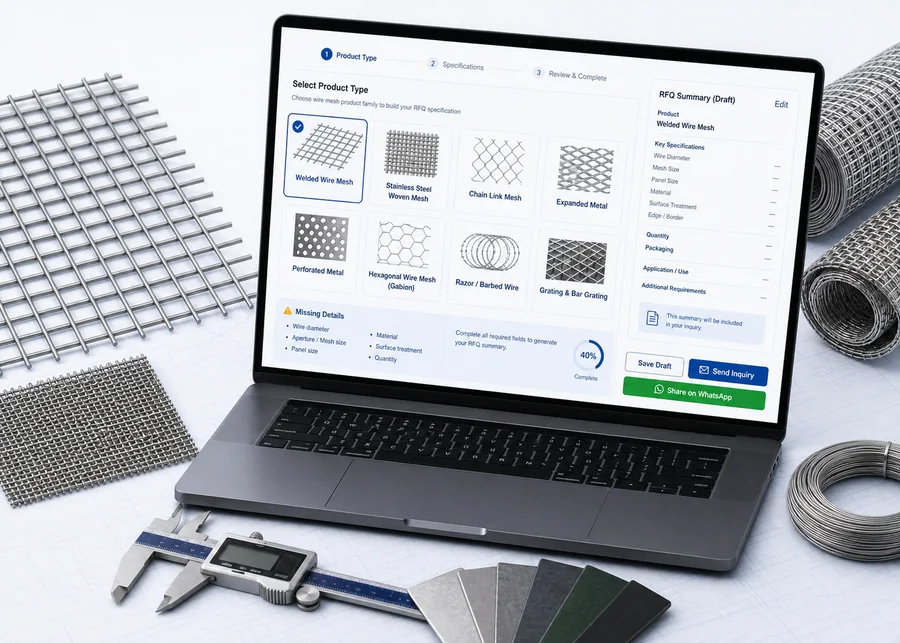
If the project is still at RFQ stage, the related guide on security fence project RFQ questions can help buyers organize site, gate, post and accessory information before the supplier prepares a formal quotation.
Turn the reference idea into a drawing checklist
A supplier can quote more accurately when the buyer provides a drawing or a structured sketch. The drawing does not need to be a perfect CAD file at the first discussion stage, but it should define the fields that affect material, production route, sample review and packing.

For custom fence panels, the drawing checklist should include:
- overall panel height and width;
- whether dimensions are outside-frame, inside-frame or clear opening;
- mesh opening and wire diameter;
- horizontal and vertical wire arrangement;
- V-bend, flat panel, double-wire or anti-climb layout if relevant;
- frame tube size, post profile and wall thickness if used;
- panel-to-post connection method;
- gate panel details if gates are included;
- coating route and color reference;
- accessory list;
- packing and label requirement.
When the buyer has only a photo, the supplier should help convert it into measurable fields before quotation. A photo can show style and appearance, but it does not confirm size, wire diameter, mesh opening, weld layout, coating or packing.
Define panel, post and connection details together
Many custom fence problems happen because the panel drawing and post details are treated separately. A panel may be correct by itself, but the system may still fail during installation if the post spacing, brackets, bolt holes or base plates do not match.

Buyers should confirm these connection details before sample approval:
- post profile: square, round, rectangular or special section;
- post length above ground and below ground;
- base plate or embedded post arrangement;
- bracket type and bolt size;
- hole location and direction;
- post cap style;
- whether clips, clamps or welded plates are used;
- whether the panel can be replaced without removing the post.
If the installation condition is not final, record the open question instead of hiding it. For example, "base plate details pending site confirmation" is safer than allowing the supplier to assume a standard base. A drawing can then be revised when the site method is confirmed.
Review coating and color as production requirements, not decoration
Coating is not only a visual choice. It affects corrosion resistance, appearance, handling risk, packing method and sample approval. Buyers should avoid vague terms such as "green coated" or "heavy galvanized" unless they are supported by an agreed color code, coating route or test method.

The order file should state:
- whether the panel is galvanized, powder coated, PVC coated or uses another finish;
- whether coating is applied before or after welding where relevant;
- color reference, such as a RAL code or approved sample;
- whether the sample color is only a visual reference or a production control item;
- whether touch-up, edge treatment or weld-area review is needed;
- how coating appearance will be checked before packing.
Do not treat coating thickness, salt spray result or outdoor life as generic claims. If the buyer needs a specific test or acceptance range, it should be written into the RFQ, purchase order or inspection requirement and confirmed by the supplier for that order.
Use the sample to confirm what the drawing cannot show
A physical sample helps buyers check details that are difficult to judge from a drawing. It may show panel stiffness, coating appearance, weld finish, bracket fit, cap style, label format and packing concept.
A useful sample review should compare:
- actual panel size against the signed drawing;
- mesh opening and wire diameter;
- post or frame fit;
- bracket and bolt alignment;
- coating color and surface condition;
- edge finish;
- accessory compatibility;
- label and packing concept if required.
The sample should not be treated as a loose reference. If the sample is approved, record the approval date, photos and any open changes. If a field changes after approval, update the drawing and order documents before bulk production starts.
Plan accessories before packing starts
Fence panels usually need accessories. Missing or mismatched accessories can delay installation even when the panels are correct.
Buyers should ask whether the order includes:
- post caps;
- clips, brackets or clamps;
- bolts, nuts and washers;
- base plates or anchors;
- gate hinges and latches;
- anti-climb extensions or arms where relevant;
- repair paint or touch-up items when agreed;
- spare parts percentage if the project requires it.
Accessory packs should be connected to the packing list. If a container includes several panel heights, colors or project zones, the accessory labels should make receiving and installation easier. The guide on wire mesh packing marks and shipping labels explains how labels, package numbers and receiving checks can support mixed shipments.
Decide the packing method before mass production
Packing is part of the specification for custom fence panels. It affects scratch risk, loading efficiency, unloading method and receiving checks.

Common packing questions include:
- Will panels be stacked on pallets, bundled, wrapped or loaded directly?
- Is the coating sensitive to scratches during handling?
- Are posts packed with panels or separately?
- Are accessories packed by panel set, by pallet or by project zone?
- Does the buyer require private labels or shipping marks?
- Should each bundle show product size, quantity and package number?
- Are loading photos required before shipment release?
For first-time custom orders, buyers should request packing photos before shipment. Packing photos do not replace inspection, but they can help confirm bundle condition, label placement and basic loading preparation. For final release checks, see the wire mesh pre-shipment inspection checklist.
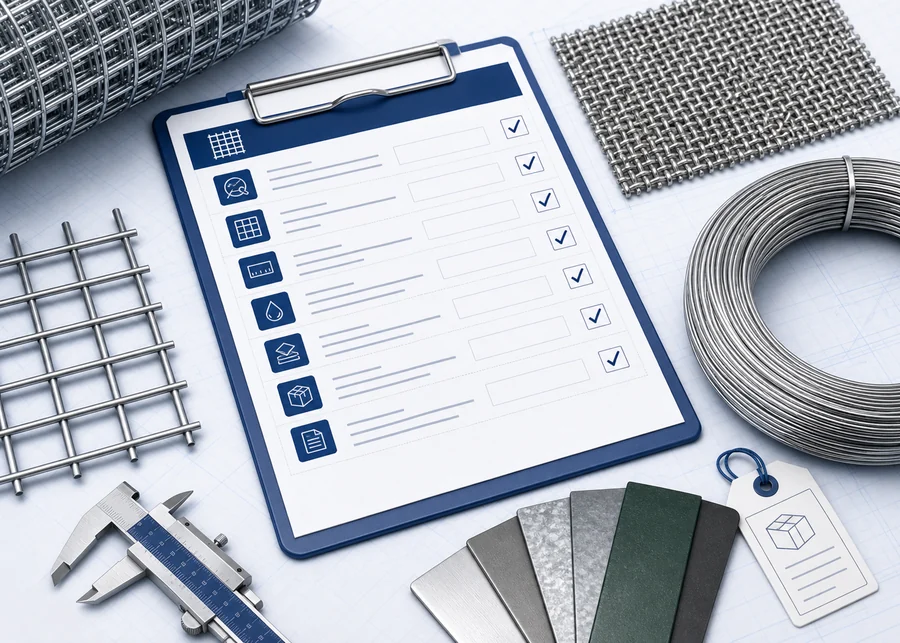
Development checklist table for custom fence panels
Use this table to decide which questions should be answered before quotation, sample approval and shipment preparation.
| Development stage | Buyer question | Supplier confirmation needed |
|---|---|---|
| Project use | Where will the fence be installed and what is the main function? | Recommended panel family, post type and information still needed |
| Drawing | Are height, width, mesh opening, wire diameter and frame details defined? | Drawing version and fields used for quotation |
| Post and connection | How does the panel connect to posts, gates, corners and base plates? | Bracket, bolt, hole and post arrangement |
| Coating | What finish, color and appearance standard should be used? | Coating route, color reference and review method |
| Sample | What must the sample prove before bulk production? | Sample scope, measurement points and approval record |
| Accessories | Which parts are included and how are they packed? | Accessory list, spare parts rule and package labels |
| Packing | How are panels protected and identified for shipment? | Bundle, pallet, label and loading-photo plan |
| Change control | What happens if a field changes after approval? | Updated drawing, PO and production instruction |
Common mistakes during custom fence panel development
The most common mistake is sending only a photo and asking for a final price. A photo can start the discussion, but it should be followed by measurable requirements.
Other frequent issues include:
- quoting panels without post and bracket details;
- approving color without recording the color reference;
- treating a sample photo as full sample approval;
- changing packing after production has started;
- mixing accessories from different panel sizes without labels;
- assuming the supplier can decide local compliance requirements;
- using chat messages instead of a revised drawing or order file.
These issues are avoidable when the buyer keeps one current drawing, one current sample record and one current packing instruction.
Frequently asked questions
What is the minimum information needed for custom fence panel development?
At minimum, provide the panel height and width, mesh opening, wire diameter, post type, coating or color, estimated quantity, installation method and destination. A reference photo is useful, but it should be converted into measurable drawing fields before final quotation.
Can a supplier confirm engineering feasibility from a sketch?
A sketch can start the discussion, but it is not enough for final feasibility, compliance or installation approval. The supplier can identify production questions and quotation assumptions, while the buyer or project engineer should confirm site design requirements where needed.
Should buyers approve a sample before bulk production?
For new designs, special colors, private labels, unusual post details or strict project requirements, a sample is useful. For repeat or standard designs, buyers may rely on an approved drawing and production photos, but the decision should match the order risk.
What should be checked on a fence panel sample?
Check panel size, mesh opening, wire diameter, post or frame fit, bracket alignment, coating appearance, edge finish, accessory compatibility and label or packing concept if relevant.
Can custom fence panels be mixed in one container?
They can, but the packing plan must be clear. Different sizes, colors, posts and accessories should be grouped and labeled so the buyer can receive and install them without confusion.
How should changes be handled after sample approval?
Any change to dimensions, coating, accessories, labels or packing should be recorded in an updated drawing, purchase order or production instruction. The supplier should not be asked to choose between old and new instructions in chat history.
Prepare a custom fence panel development request
Before sending a custom fence panel inquiry, prepare the drawing or sketch, reference photos, target size, post method, coating requirement, sample question list, accessory list and packing requirement. Mark open items clearly so the supplier can quote with assumptions instead of guessing.
ANJIA GROUP can discuss custom fence panel drawing review, sample questions, accessory lists and export packing requirements for order-specific projects. Send your current files and checklist through the ANJIA inquiry page for review.
About ANJIA GROUP
ANJIA GROUP supplies wire mesh, fencing and related industrial products for global B2B buyers. Contact our team to discuss product specifications, matching accessories and export packing.
Discuss your sourcing requirements
Send your product requirements and any relevant drawings to our team.
Get a Free Business Quote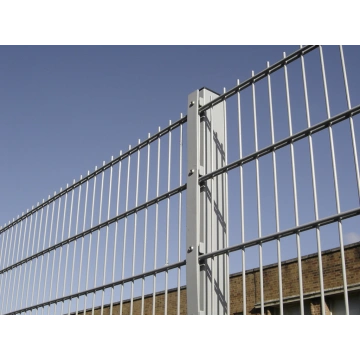 Wire Mesh and Fence Products
 Wire Mesh Products
 Wire Mesh RFQ Specification Builder
 Buyer Tools Hub