
Gabion Basket Sample Approval and Drawing Review Before Bulk Production
Updated Jun 23, 2026
Review the key gabion basket sample and drawing checkpoints before approving bulk production, from dimensions and coating to labels and packing.
Table of contents
Before a gabion order moves into mass production, project buyers often need to approve a sample, review a drawing, or compare both. This step helps the buyer, engineer and supplier confirm that the visible product details match the purchase requirement before raw material, accessories and packing plans are finalized.
For a gabion basket order, the approval review should not focus on appearance alone. Buyers should check basket dimensions, wire and coating details, mesh type, lacing wire or fasteners, labels, packing method and the sample photos that will be kept in the procurement record.
This guide explains what to review before approving bulk production, where a drawing is useful, and what still needs separate QC records or project-specific confirmation.

Why sample approval matters before bulk production
Gabion projects usually require many baskets to be installed in a planned sequence. If the dimensions, mesh opening, wire coating or packing format are misunderstood at the quotation stage, the issue can affect later receiving, storage and site assembly.
A sample approval review gives the buyer a practical checkpoint before the factory continues with the full order. It can help the buyer confirm:
- Whether the drawing matches the purchase order and project specification.
- Whether the physical sample or sample photos show the expected basket type.
- Whether the supplied lacing wire, spirals or fasteners match the assembly method.
- Whether labels, bundle marks and packing format are suitable for the buyer's logistics process.
- Whether any item needs clarification before bulk production begins.
This review is not a replacement for formal inspection, test reports or engineering approval. It is a buyer-side communication step that helps reduce avoidable specification mismatches.
Basket dimensions: what to confirm on the drawing
The first items to check are the external length, width and height of the assembled basket. Many gabion baskets are ordered in metric dimensions such as 2 m x 1 m x 0.5 m, 2 m x 1 m x 1 m or 1 m x 1 m x 1 m, but project documents may also require custom sizes.
On the production drawing, buyers should check:
- The three external dimensions.
- Whether dimensions refer to the assembled basket or flat panel size.
- The number and position of internal diaphragms, if required.
- The mesh opening and wire diameter called out on the same drawing.
- Any project-specific code, item number or bundle mark.
For longer baskets, internal diaphragms may be included according to the project drawing. The drawing should show where they are positioned, and the sample or sample photo should make it clear whether they are included. Buyers should avoid approving a drawing if the diaphragm requirement is unclear.
If the review is based on a physical sample, use a tape measure or agreed measurement method to compare the sample with the drawing. Small manufacturing tolerances may exist, so the acceptable range should come from the purchase document or project engineer, not from a general article.
Wire diameter and coating: keep the wording order-specific
Gabion baskets may use different wire diameters for mesh wire, edge wire and lacing wire. The drawing or specification sheet should list these items separately, because one number is not enough to describe the whole basket.
When checking wire and coating details, buyers should look for:
- Mesh wire diameter.
- Selvedge or edge wire diameter, where applicable.
- Lacing wire, spiral or C-ring wire diameter.
- Coating type, such as galvanized, Galfan-type coating or PVC coated wire when specified.
- Minimum coating requirement if the project document includes one.
- Color requirement for PVC-coated wire, if applicable.

Photos can show a selected measurement point, surface appearance or coating color. They cannot prove every unit in the production batch. If coating weight, tensile strength or material grade is important for the project, buyers should request the related test documents and make sure the document scope is order-specific.
The related guide on wire mesh quality certificates and test documents explains why certificates and test reports should be matched to the actual order instead of treated as generic proof.
Mesh type: welded or hexagonal
Gabion baskets are commonly discussed as welded gabion baskets or hexagonal woven gabion baskets. The two types look different, assemble differently and may be specified for different project needs.
Welded wire mesh gabion baskets use rigid panels with rectangular openings. Buyers should check panel flatness, weld-point appearance, mesh opening, panel edges and whether the fastener method matches the drawing.
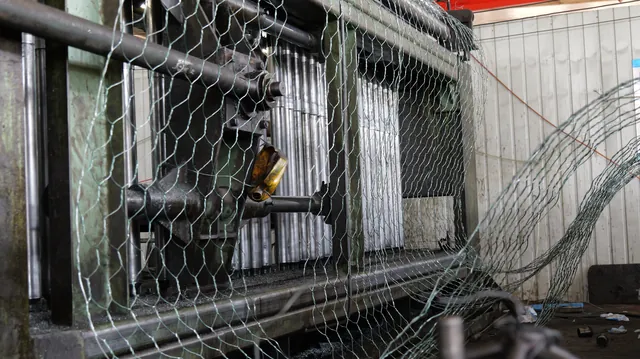
Hexagonal wire mesh gabion baskets use woven double-twist mesh with hexagonal openings. Buyers should check the mesh opening, twist condition, edge finish, lacing wire and the folded packing method.

The sample review should match the project specification. Switching between welded and hexagonal mesh, or changing the mesh opening, should not be treated as a small factory adjustment unless the project documents are updated and approved.
Lacing wire, spirals and fasteners
A gabion basket usually ships in a flat-packed form and is assembled before or during site installation. The assembly components are therefore part of the approval review, not an afterthought.
For welded gabion baskets, the drawing or packing list may include C-rings, lacing rings, helical spirals or other fasteners. Buyers should confirm the fastener type, quantity, wire diameter and how they are packed with the basket.
For hexagonal gabion baskets, lacing wire is commonly supplied for tying edges and diaphragms. Buyers should check the lacing wire diameter, coating type and quantity per basket or per bundle.

If the sample arrives with one assembly method while the drawing describes another, the buyer should pause approval and ask the supplier to clarify which method will be used for bulk production. This is especially important for distributors or project buyers who need consistent installation instructions for the site team.
Labels, item cards and traceability marks
Labels and markings help the buyer connect a physical basket or bundle with the order record. For some projects, they may also help warehouse teams separate sizes, coating types or item codes after arrival.
Before approving the sample, buyers should confirm:
- What information appears on the label or item card.
- Whether labels are placed on the basket, bundle strap, pallet or outer package.
- Whether item codes match the drawing and packing list.
- Whether sensitive buyer or project information should be hidden in public photos.
- Whether the label needs to remain readable during storage and handling.
ANJIA can discuss order-specific labels, bundle marks and photo records during the quotation stage. The exact label content should be confirmed before production so the packing team can prepare it consistently.
Folded packing and sample photos
Gabion baskets are often shipped folded or stacked to reduce packing volume. A buyer reviewing the sample should check how the basket folds, how accessories are packed, and whether the bundle format is practical for receiving and storage.
The sample photo set should show more than one angle when possible:
- Assembled basket or panel overview.
- Close-up of mesh opening and wire surface.
- Measurement point or selected caliper photo.
- Lacing wire, spirals, C-rings or fasteners.
- Folded bundle, straps and protective packing.
- Label or item card where traceability is required.

Sample photos are useful when a physical sample is not practical, but they should be read correctly. A photo shows a selected sample or moment. For the full order, buyers should combine sample photos with production updates, packing documents and, when needed, pre-shipment inspection.
For shipment-stage review, the guide on wire mesh container loading photos explains what buyers can check once products are packed and ready to load.
Sample approval checklist
| Review item | What to check | Buyer note |
|---|---|---|
| Basket dimensions | Length, width, height and diaphragm positions | Match the drawing and purchase order before approval. |
| Wire details | Mesh wire, edge wire and lacing wire diameter | Do not rely on one wire number for the whole basket. |
| Coating | Galvanized, PVC coated or other specified finish | Request order-specific documents if coating claims matter. |
| Mesh type | Welded panel or hexagonal woven mesh | The sample should match the project specification. |
| Assembly components | Lacing wire, spirals, C-rings or fasteners | Confirm quantity and packing method before production. |
| Labels | Item code, size, batch or project mark | Hide sensitive details in public photos when needed. |
| Packing | Folded panels, straps, bundle, pallet or loose packing | Check whether the format works for receiving and storage. |
| Photo record | Overview, close-up, measurement and packing photos | Photos support communication but do not replace formal QC. |
Questions to ask before approving bulk production
Before confirming the sample or drawing, buyers can send a short checklist to the supplier. Useful questions include:
- Does the drawing show assembled basket dimensions or flat panel dimensions?
- Are mesh wire, edge wire and lacing wire listed separately?
- Is the coating requirement linked to the project document or purchase order?
- Which assembly accessories are included, and how many are supplied?
- Will bulk production use the same packing format shown in the sample photo?
- What label content will appear on each bundle or pallet?
- Which photos will be provided during production, packing and loading?
These questions are easier to resolve before production begins. If they are left until the goods are packed, the buyer may have fewer practical options.
Frequently asked questions
Should I request a physical gabion sample or only sample photos?
For project orders, a physical sample is useful when the buyer or engineer needs to check dimensions, assembly components or surface condition directly. Sample photos can still support the procurement record, especially when the buyer needs quick communication before production. Many buyers use both when the order size or project risk justifies it.
Can a sample photo prove the full production batch?
No. A sample photo shows a selected item, angle or measurement point. It helps communication, but it does not prove every basket in the production batch. For formal batch verification, buyers should use agreed QC records, documents or inspection arrangements.
What is the most common mistake during gabion drawing review?
One common issue is treating a single drawing as complete when it does not clearly show all dimensions, wire types, mesh opening, accessories and packing notes. Buyers should ask for clarification before approval if any specification is missing.
Do welded and hexagonal gabion baskets use the same approval checklist?
They share many review points, such as dimensions, coating, labels and packing. The mesh-specific checks differ. Welded baskets need panel and weld-point review, while hexagonal baskets need woven mesh, twist and lacing-wire review.
Can ANJIA prepare labels and sample photos before production?
ANJIA GROUP can discuss order-specific labels, sample photos, drawing review and packing references before production. Buyers should include the item code, project reference, packing requirement and photo checklist when they send an inquiry.
Prepare a gabion sample approval request
A clear sample approval request should include the drawing, expected basket dimensions, mesh type, wire and coating requirements, accessory list, label needs, packing format and photo checkpoints. Buyers can also share prior project documents or a supplier checklist to reduce repeated clarification.
For broader project planning questions, buyers can also review the guide on gabion mesh project development questions and the application overview for gabion mesh applications. When the required details are ready, send the specification through the ANJIA inquiry page for order-specific review.
About ANJIA GROUP
ANJIA GROUP supplies wire mesh, fencing and related industrial products for global B2B buyers. Contact our team to discuss product specifications, matching accessories and export packing.
Discuss your sourcing requirements
Send your product requirements and any relevant drawings to our team.
Get a Free Business Quote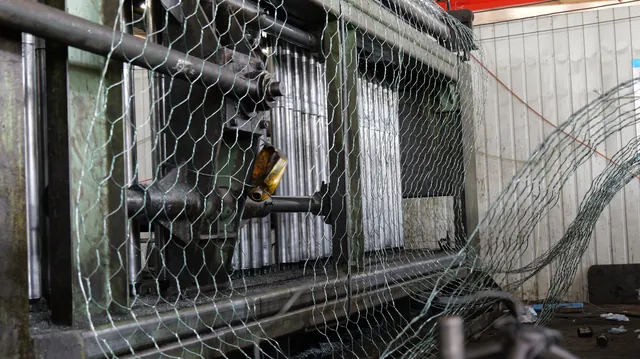 Gabion Basket
 Gabion Box
 Wire Mesh RFQ Specification Builder
 Buyer Tools Hub