
Palisade Fence Buying Guide: What Importers Should Confirm Before Placing an Order
Updated Jul 12, 2026
A practical palisade fence buying guide for importers confirming panel height, pale profile, rails, posts, coating, gates, packing and shipment proof.
Table of contents
For importers comparing perimeter fence quotations, the main question is not only whether a palisade fence looks stronger than another fence type. The more practical question is whether the quotation is based on the same panel height, pale profile, head style, rail system, post size, coating route, gate configuration, packing method and project information.
This palisade fence buying guide gives buyers a quote-ready checklist before price comparison starts. It is written for importers, distributors and project buyers who need to prepare an RFQ for palisade fence or sword fence panels without turning every detail into an engineering claim.
Use it as a sourcing framework. Final drawings, local project requirements, approved samples, inspection records and purchase documents should still control the order.
Where palisade fence fits a perimeter project
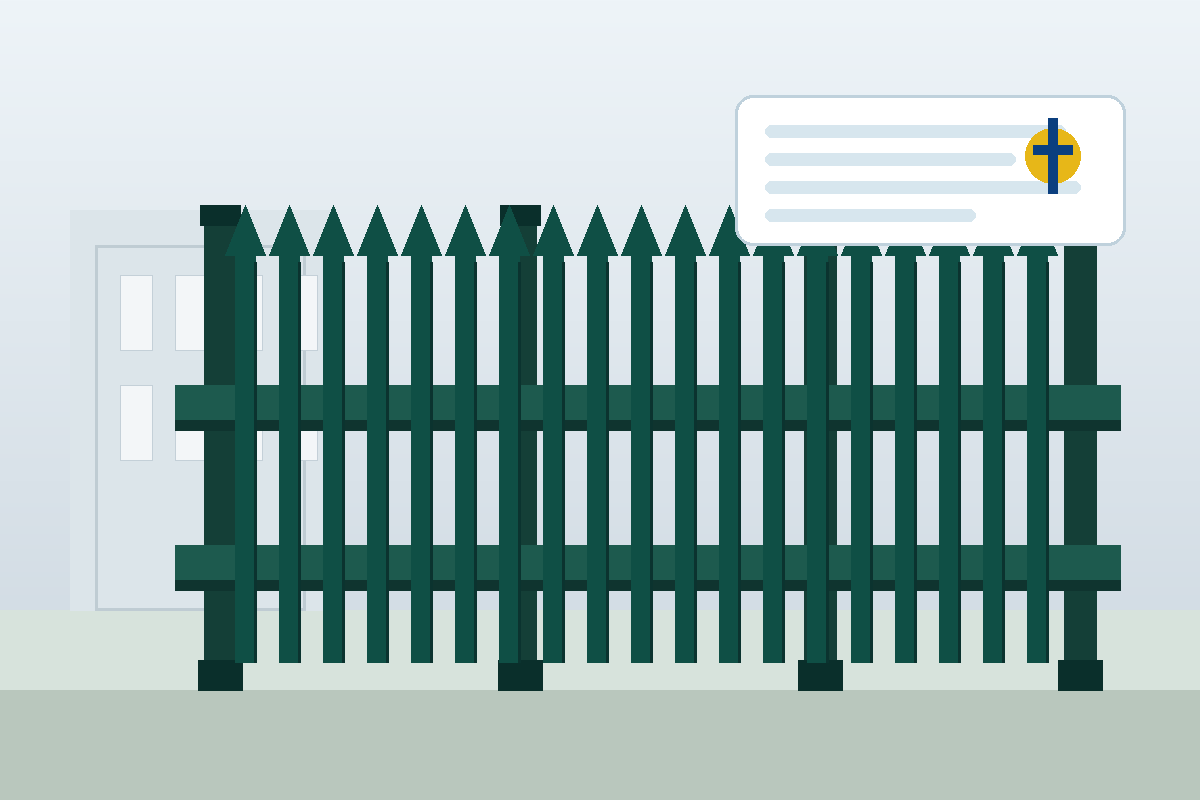
A palisade fence is usually selected when the buyer wants a rigid steel perimeter fence with vertical pales, horizontal rails and stronger visual deterrence than many light-duty fence styles. Buyers may describe it as palisade fencing, sword fence panels or steel pale fencing depending on local market language.
It can be suitable for industrial perimeters, warehouses, utility sites, logistics yards and other projects where a visible steel barrier is required. However, the article should not be read as a promise of security rating, anti-climb compliance, wind-load performance or local code approval. Those points depend on the project documents, site conditions and local requirements.
For RFQ preparation, start with the buyer's use case:
- new perimeter project, replacement fence or distributor stock;
- temporary sourcing comparison or final project quotation;
- required panel height and total fence length;
- gate opening, corner layout and post spacing assumptions;
- coating, color and packing requirements;
- destination country, port and delivery schedule expectation.
This context helps the supplier understand whether the inquiry is still at concept stage or ready for detailed quotation.
Confirm panel height, pale profile and head style
The visible part of a palisade fence is the vertical pale. A quotation should state the panel height, pale profile and head style clearly, because these details affect material use, appearance, packing and buyer acceptance.
Common buyer questions include:
- What panel height is required?
- Is the pale profile specified by drawing, sample or local market preference?
- Should the head style be single pointed, triple pointed, rounded, notched or another agreed design?
- Is the panel sold as loose pales and rails, assembled panels or a project-specific package?
- Are there any restrictions on exposed sharp edges in the destination market?
If the buyer is matching an existing project, a close photo and drawing are more useful than a short message such as "standard palisade fence." The supplier can then check whether the pale shape, rail position and fixing method are compatible with the requested order.
Specify rails, posts and mounting method
Palisade fence price can change when the rail and post system changes. A buyer comparing two offers should check whether both quotations include the same number of rails, post type, post length, base plate or in-ground installation assumption, bolts, fish plates and other fittings.
When discussing fence posts, confirm:
- post section and wall thickness if required by the project;
- in-ground post length or base-plate mounting method;
- corner, end and gate posts;
- bolt, bracket or fish-plate requirements;
- whether posts and fittings are packed with panels or listed separately;
- whether the supplier is quoting materials only or also considering project drawings.
For export orders, separating panel, post and accessory lines in the RFQ can make the packing list and receiving check easier. It also reduces the chance that small fittings are missed when the order is loaded.
Choose coating and color with clear order requirements
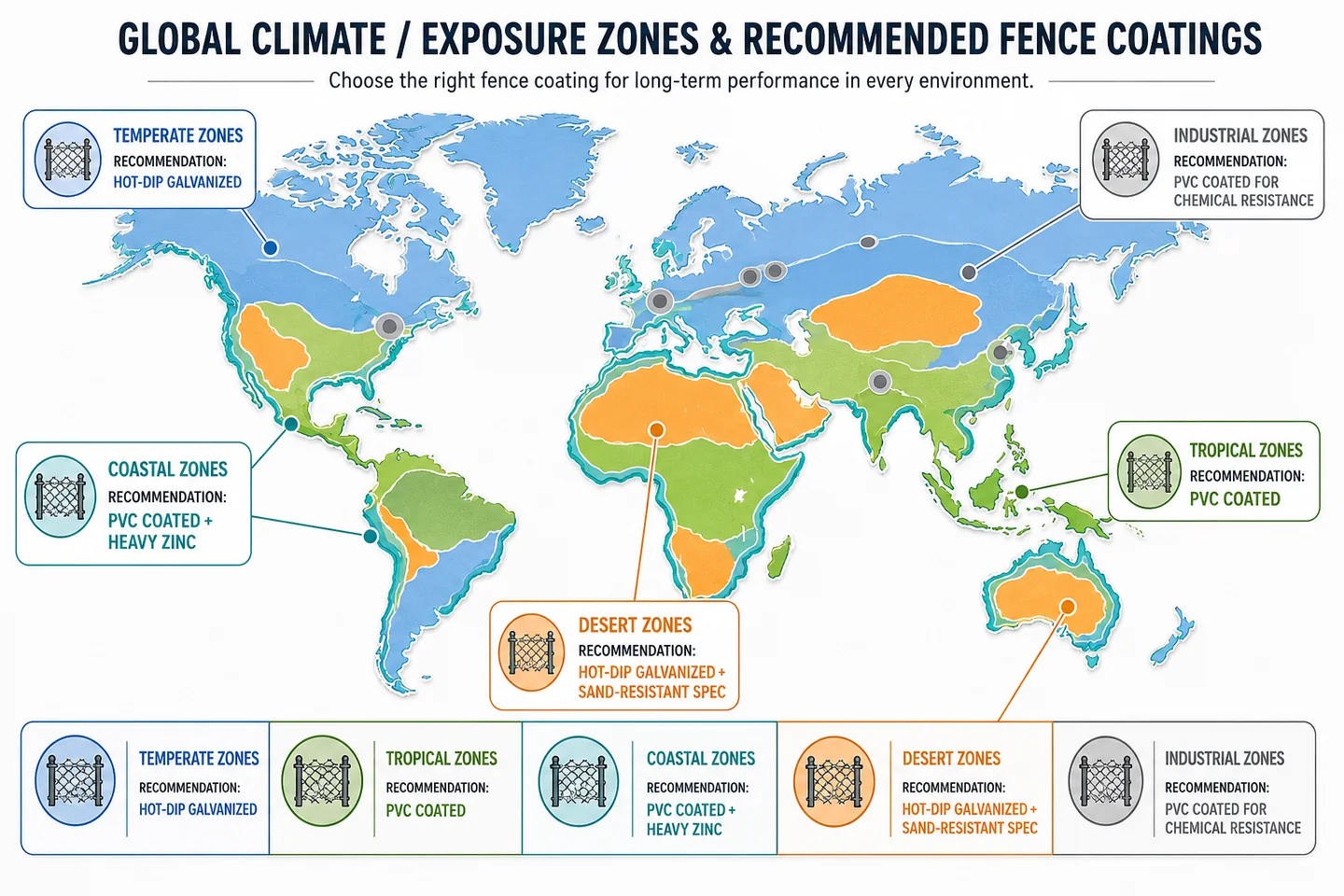
Surface treatment should be written as a specific order requirement, not as a broad promise such as "long life coating." Buyers may request galvanized finish, powder coating, painted finish or a combined route, but the exact route should be confirmed for the order.
Useful coating fields include:
- required finish route;
- color reference or RAL number if color matching matters;
- whether coating thickness, adhesion, salt spray or other documents are required;
- whether appearance photos before packing are needed;
- whether accessories should match the panel finish.
Coating photos can help buyers review appearance, color and obvious surface issues, but they cannot replace a formal test report when a project or buyer specification requires one. If the order needs a certificate or test document, that requirement should be listed in the RFQ before production.
Add gates, corners and site information early
A palisade fence order often includes more than straight panels. Gates, corners, end posts, wall connections, stepped ground and mixed heights can all change the quotation. If the buyer only asks for a per-metre price, the first offer may miss important project details.
Send the supplier:
- total fence length and panel height;
- drawing or simple layout sketch;
- number and width of gates;
- corner, end and slope information;
- post foundation assumption or base-plate requirement;
- requested accessories and spare parts;
- destination port and packing preference.
This does not require a perfect engineering drawing at the first inquiry stage. A practical sketch, site photo or project schedule can still help the supplier ask better follow-up questions.
Palisade fence RFQ decision table
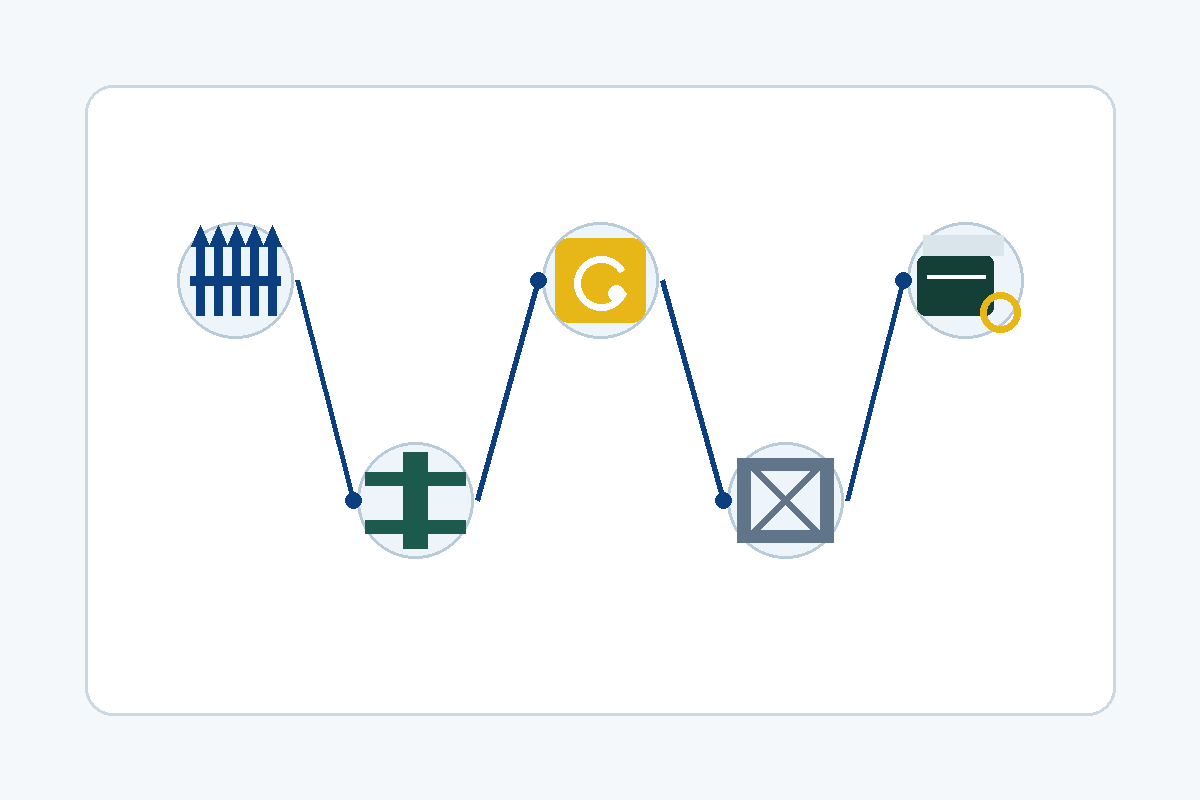
The table below is the minimum decision framework for a palisade fence quotation. It is not a substitute for project approval, but it helps buyers compare suppliers on the same basis.
| Decision field | What the buyer should confirm | Why it affects quotation | Proof or document to request |
|---|---|---|---|
| Application context | Industrial perimeter, warehouse yard, utility site, stock order or replacement project | Helps supplier understand project stage and expected configuration | Project sketch, site photo or product reference |
| Panel height | Required finished height and tolerance if defined | Changes pale length, rail position, post height and packing | Drawing, previous order record or sample reference |
| Pale profile | Profile type, head style and edge requirement | Affects material use, appearance and buyer acceptance | Close photo, drawing or approved sample |
| Rail system | Number of rails, rail section and fixing method | Affects rigidity, accessory count and packing | Panel drawing or quotation line item |
| Post system | Post size, wall thickness, base plate or in-ground length | Changes weight, installation assumption and packing list | Post drawing or specification sheet |
| Gates and corners | Gate quantity, gate width, corner and end posts | Prevents under-quoting of non-standard sections | Layout sketch and gate detail |
| Surface finish | Galvanized, coated, painted or other agreed route | Changes process, color, appearance and document needs | Finish requirement, color reference or test request |
| Accessories | Bolts, fish plates, clamps, caps and spare parts | Small items affect receiving and installation readiness | Accessory list and packing photo |
| Packing method | Bundle, pallet, protective wrapping, label fields and package count | Affects damage risk, loading plan and receiving check | Packing photo, label photo and packing list |
| Shipment proof | What photos or records should be shared before dispatch | Supports buyer release review without replacing inspection | Production, packing or loading photos as agreed |
Packing, labels and shipment proof
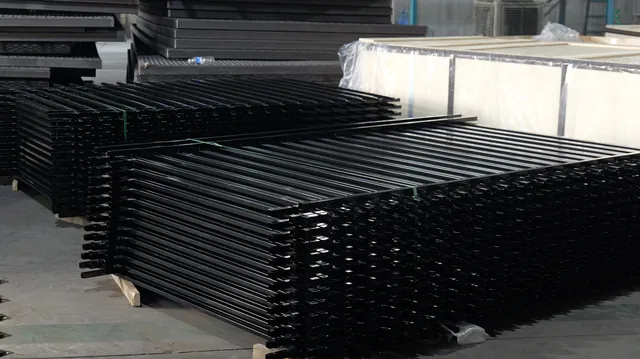
Packing deserves early attention because palisade fence components can include panels, posts, rails, gates and accessory packs. If the order contains several fence heights or colors, labels become especially important.
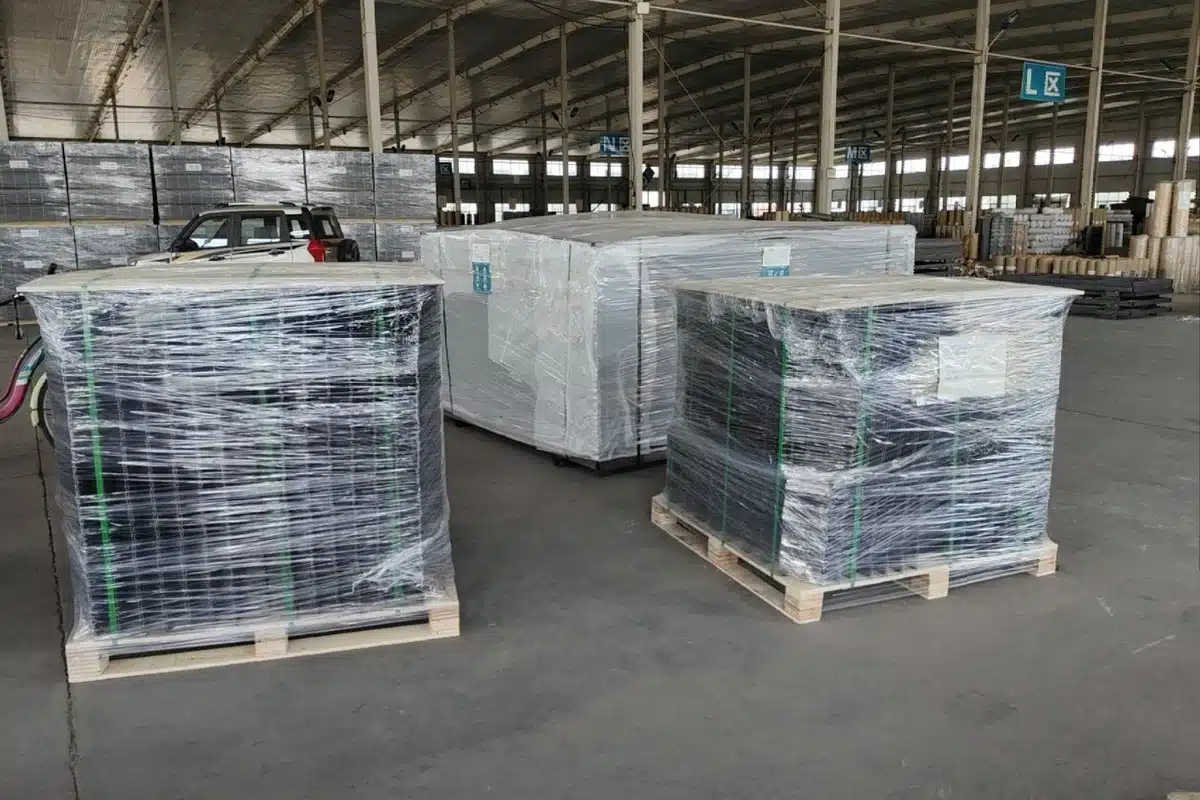
For export packing, confirm:
- whether panels are shipped assembled or as components;
- bundle quantity and package numbering;
- whether posts, rails and accessories are packed together or separated;
- protective wrapping, pallet or steel frame needs;
- label fields such as item name, size, color, package number and quantity;
- whether loading photos, close-up label photos or pallet overview photos are required.
For buyer-side receiving, the safest approach is to make the packing list match the physical package labels. Photos can support review, but private buyer brands, purchase order numbers and barcodes should be hidden before public or marketing use.
How to compare palisade fence with other fence types
Palisade fence is not automatically the right answer for every perimeter project. Buyers may compare it with security fence options such as 358 anti-climb fence, 3D welded mesh fence or chain link fence depending on appearance, installation method, budget, local preference and project rules.
A practical comparison should ask:
- Does the buyer need a strong visual steel barrier or an open mesh view?
- Is the project driven by appearance, cost, rigidity, delivery time or local standard?
- Are gates and corners simple or project-specific?
- Is the buyer comparing full delivered packages or only panel prices?
- Which proof documents are actually required for the order?
For a broader RFQ question set, the related guide on security fence project RFQ questions can help buyers collect project information before asking for a final price.
Common RFQ mistakes to avoid
The most common mistake is asking for "palisade fence price" without defining panel height, pale profile, post type, finish and packing method. This can produce a fast quotation, but the price may be based on assumptions that do not match the buyer's project.
Avoid these issues:
- comparing offers that use different panel heights or pale profiles;
- treating a product photo as a full specification;
- forgetting gates, corners, end posts and accessory packs;
- asking for a coating claim without defining the document or test requirement;
- changing color or packing after production planning has started;
- assuming every supplier includes the same posts and fittings;
- treating shipment photos as a replacement for inspection or project approval.
If the inquiry is for a custom development order, the guide on custom fence panel development explains how drawing, sample and packing confirmation can be organized before bulk production.
Frequently asked questions
What should be included in a palisade fence RFQ?
A palisade fence RFQ should include panel height, pale profile, head style, rail system, post type, mounting method, gate details, coating route, color, accessory list, packing method, destination and any required proof documents. Drawings, close photos and previous order records can reduce assumptions.
Is palisade fence always an anti-climb fence?
No. Palisade fence can provide a strong visual deterrent, but anti-climb performance, security rating and compliance depend on the exact design, site conditions and local project requirements. Do not treat a general product name as a certified security claim.
Should palisade fence be quoted by metre, panel or package?
Early comparisons may use a per-metre estimate, but final quotations should define panels, posts, gates, accessories, packing and destination. A per-metre number is not enough if one offer includes posts and fittings while another offer only prices panels.
What photos are useful before shipment?
Useful photos can include panel appearance, pale profile close-up, post and rail packing, accessory packs, labels, pallet or bundle overview and loading photos. These photos support review but do not replace inspection, drawings or required test documents.
Can ANJIA help review a palisade fence inquiry?
ANJIA GROUP can review order-specific palisade fence inquiries, drawings, sample references, packing requirements and export questions. The review is based on the information provided by the buyer and should be confirmed in the final purchase documents.
Prepare a quote-ready palisade fence inquiry
Before requesting a final price, prepare one clear RFQ list for panel height, pale profile, rails, posts, gates, finish, accessories, packing, destination and proof needs. Mark any uncertain field clearly so the supplier can quote with stated assumptions instead of guessing.
For order-specific support, send your drawing, site reference, sample photo, packing request or project list through the ANJIA inquiry page. The team can review which palisade fence fields need confirmation before quotation, sample preparation or production planning.
About ANJIA GROUP
ANJIA GROUP supplies wire mesh, fencing and related industrial products for global B2B buyers. Contact our team to discuss product specifications, matching accessories and export packing.
Discuss your sourcing requirements
Send your product requirements and any relevant drawings to our team.
Get a Free Business Quote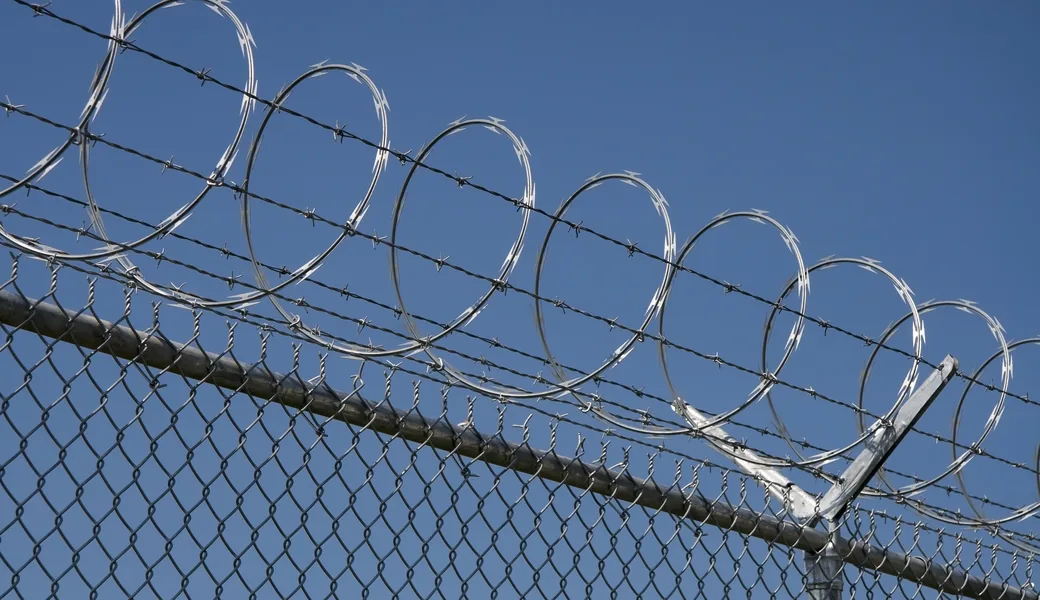 Palisade Fence
 Security Fence
 Fence Coating & Exposure Zone Selector
 Galvanized vs PVC Coated Wire Mesh Guide