
Double Wire Fence Specification Checklist: What Importers Should Confirm Before Ordering
A practical double wire fence specification checklist for importers comparing wire layout, mesh opening, posts, clamps, coating, packing and shipment proof.
Table of contents
When importers compare double wire fence quotations, the biggest risk is not only a higher price. The bigger risk is that two suppliers may be quoting different wire layouts, mesh openings, panel sizes, posts, clamps, coating routes or packing methods while using similar product names.
This double wire fence specification checklist helps buyers prepare a clearer RFQ before price comparison starts. It focuses on the fields that usually affect rigidity, material use, packing, container handling and shipment verification.
Use this checklist as a sourcing framework. Final drawings, approved samples, local project requirements, inspection records and purchase documents should still control the order.
Start by defining what double wire fence means in the RFQ
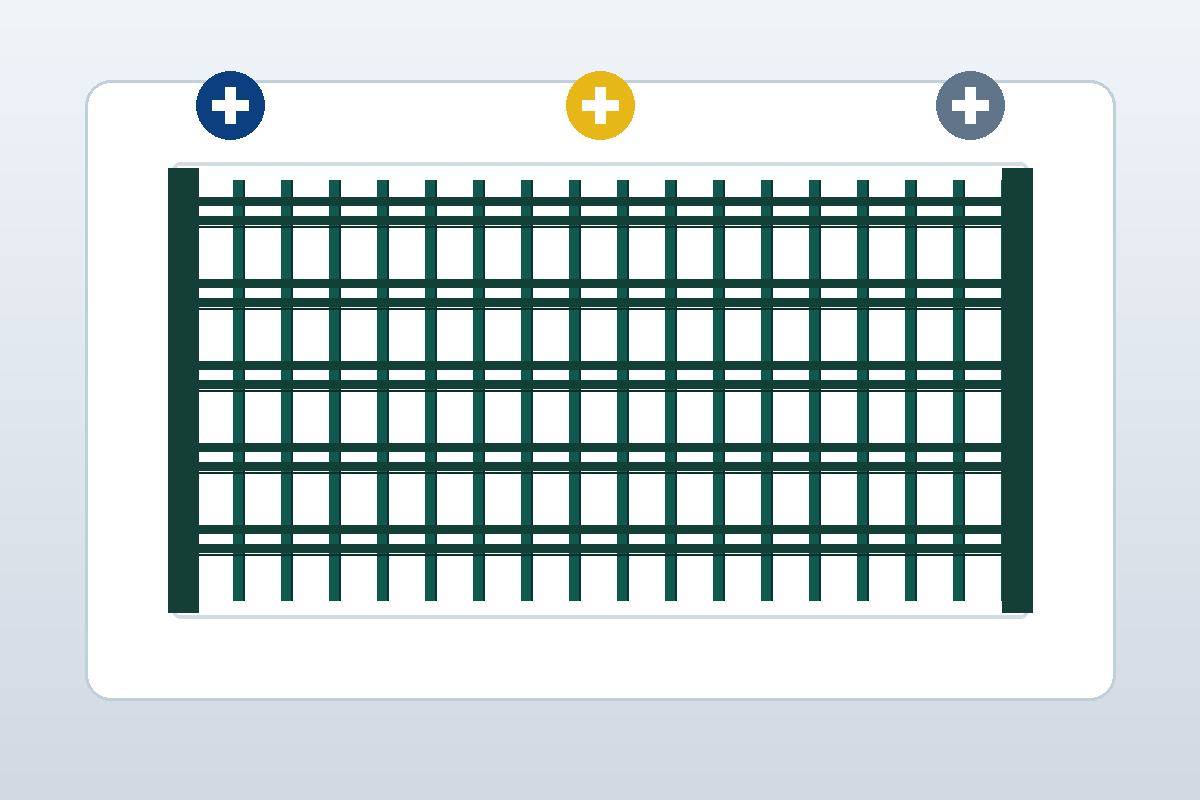
A double wire fence is a welded fence panel type that uses paired horizontal wires with vertical wires between them. Buyers may describe it as double wire panel, twin wire fence, 868 fence, 656 fence or double horizontal wire fence.
Those shorthand names are useful, but they are not enough for a final order. A buyer should still confirm the actual wire diameter sequence, mesh opening, panel height, panel width, post system and finish. A message that only says "868 fence" can still leave open questions about coating state, tolerances, panel format and accessories.
For the first RFQ, confirm:
- target application or project use;
- panel height, panel width and total quantity;
- wire diameter sequence and whether measured before or after coating;
- mesh opening and measurement method;
- post size, mounting method and clamp system;
- coating route, color and document requirements;
- packing method, labels and shipment proof needs.
Confirm wire layout and diameter sequence
Double wire fence specifications often use a three-number shorthand. For example, 868 usually means two horizontal wires with a heavier diameter and one vertical wire with a smaller diameter. 656 and 545 follow the same idea with different wire sizes.
The important point is not the shorthand itself. The important point is whether the quotation, drawing and sample all use the same sequence.
Ask the supplier to confirm:
- horizontal wire diameter;
- vertical wire diameter;
- whether diameter is measured before coating or after coating;
- whether all panels use the same wire layout;
- acceptable tolerance and inspection method if required;
- whether an alternative wire sequence is being proposed.
This is especially important when a buyer is trying to match a previous order. If the existing panel is heavier or lighter than the new quotation, the difference may come from wire diameter, mesh opening, coating route or panel size.
Specify mesh opening and panel size
Mesh opening affects visibility, rigidity, material consumption and buyer acceptance. Panel height and width affect post spacing, packing size and container planning. The RFQ should state these values in millimetres where possible.
Useful fields include:
- clear opening or center-to-center spacing;
- horizontal and vertical spacing;
- finished panel height and width;
- whether panel dimensions include bends, frame edges or special top/bottom treatment;
- number of panels per height or project section;
- whether the buyer will accept a supplier-recommended standard size.
Avoid writing only "standard mesh" or "normal panel size." Standards vary by market, factory and project. If the buyer needs compatibility with existing posts or site drawings, the drawing should control the panel dimensions.
Check posts, clamps and mounting method
The panel is only one part of the fence system. A double wire fence quotation should also define the fence posts, clamps, bolts, caps and mounting method. Otherwise, one supplier may include a complete system while another supplier prices panels only.
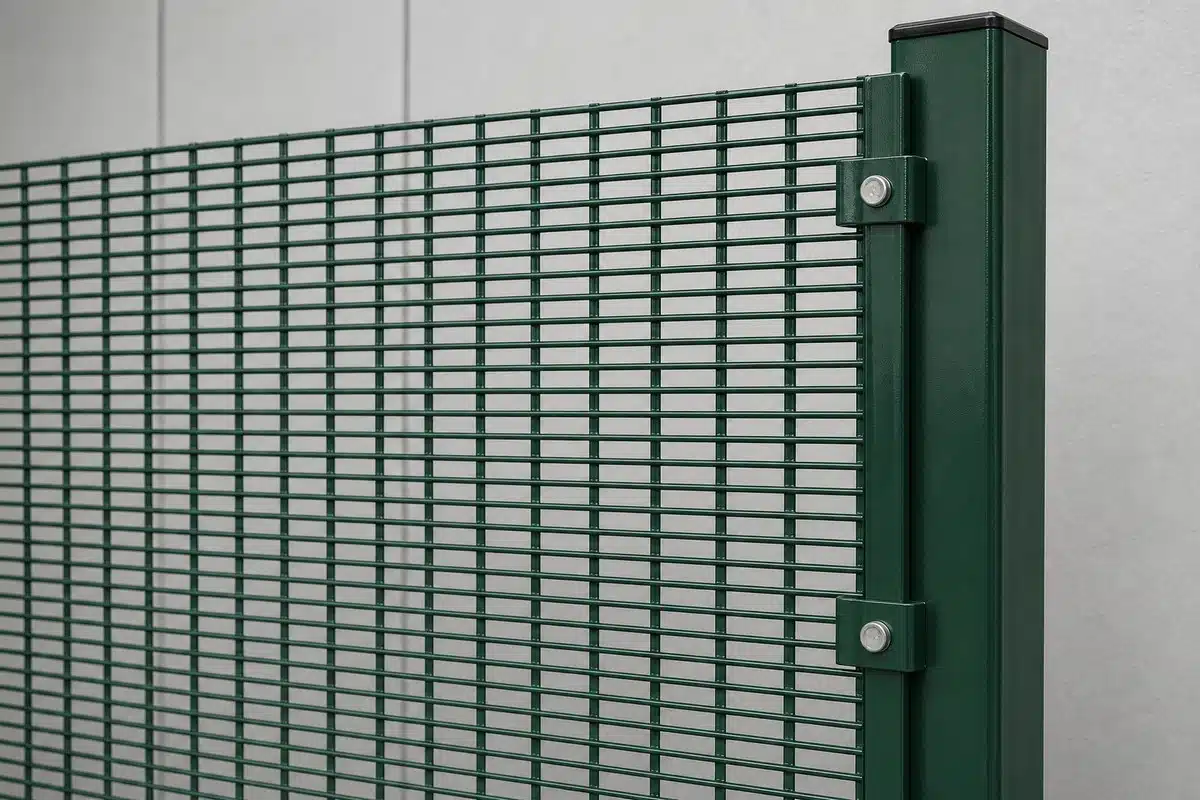
Confirm:
- post profile and size;
- wall thickness if required by the project;
- post length for in-ground installation or base-plate mounting;
- clamp, bracket or channel-post connection method;
- number of clamps or connection points per panel;
- whether bolts, caps and spare parts are included;
- whether gate, end and corner posts are priced separately.
Post spacing should not be treated as universal. It depends on panel width, site design, wind exposure, mounting method and project requirements. If engineering approval is required, the project documents should control the final post and foundation design.
Choose coating, color and document requirements
Surface treatment affects appearance, corrosion resistance, packaging care and document needs. Buyers may request galvanized finish, powder coating, PVC coating, painted finish or a combined route, but the exact route should be confirmed per order.

For coating and color, confirm:
- surface treatment route;
- color reference or RAL number if color matching matters;
- whether the finish is applied before or after welding;
- whether coating thickness, adhesion, salt spray or other reports are required;
- whether sample panels or coating swatches should be approved before mass production;
- whether accessories and posts need the same finish.
Photos can help review coating appearance and obvious color mismatch, but they cannot replace formal reports where a buyer or project requires test records. Avoid broad terms such as "best coating" or "long life finish" unless the acceptance method is defined.
Plan packing and container handling early
Packing affects product protection, loading efficiency, receiving checks and damage risk. Double wire fence panels are rigid, so buyers should confirm packing before production finishes rather than after the goods are ready.

Useful packing fields include:
- panels per bundle or pallet;
- pallet, steel frame, wooden support or bulk-loading preference;
- wrapping, corner protection and strap method;
- package dimensions and approximate package weight where available;
- label fields, package numbers and project references;
- whether posts, clamps and accessories are packed together or separately;
- loading photo, label photo and pallet overview requirements.
Container quantity should be treated as an estimate until panel size, packing method and mixed specifications are known. If the order contains several heights, colors or accessory kits, ask the supplier to separate the packing list by item and package number.
Double wire fence specification table
Use this table as a practical RFQ checklist before requesting a final quotation.
| Specification field | What the buyer should confirm | Why it matters | Proof or review method |
|---|---|---|---|
| Product name | Double wire fence, twin wire fence, 868, 656 or other agreed term | Prevents different product assumptions under similar names | Drawing, sample photo or product page reference |
| Wire layout | Horizontal wire diameter, vertical wire diameter and sequence | Drives rigidity, weight and cost | Drawing, caliper photo or sample record |
| Diameter state | Before coating or after coating | Prevents measurement mismatch during QC | Measurement method noted in RFQ |
| Mesh opening | Clear opening or center spacing in millimetres | Affects visibility, material use and buyer acceptance | Drawing or measured sample photo |
| Panel size | Finished height, width and quantity per size | Affects post spacing, packing and container plan | Project layout or panel schedule |
| Post system | Post size, wall thickness, length and mounting method | Changes system cost and installation assumptions | Post drawing or specification line |
| Clamp or bracket | Type, material, quantity and spare parts | Prevents missing connection hardware | Accessory list and packing photo |
| Coating and color | Finish route, color code and document needs | Affects appearance, protection and buyer approval | Sample, coating photo or test request |
| Gates and corners | Gate quantity, end posts, corner posts and special panels | Avoids under-quoting non-standard sections | Layout sketch or gate drawing |
| Packing and labels | Bundle, pallet, package number, label fields and loading proof | Supports shipment release and receiving checks | Packing list, label photo and pallet overview |
Sample and shipment verification checklist
Before mass production, a sample or approved drawing can help the buyer and supplier agree on the visible details. For repeat orders, previous shipment records can also be useful.
Ask whether the order needs:
- pre-production sample or sample photo;
- wire diameter and mesh opening measurement photos;
- panel height and width measurement photos;
- post and clamp fit check;
- coating appearance or document review;
- packing photo before loading;
- loading photos and container seal photo;
- packing list with bundle numbers and weights where available.
These records help reduce misunderstandings, but they do not replace on-arrival inspection or project-specific approval. If a third-party inspection is required, it should be arranged before shipment release.
Compare double wire fence with other fence types
Double wire fence is often compared with 3D welded mesh fence because both are welded fence panel systems. The main difference is that 3D welded mesh fence usually uses V-bends for rigidity, while double wire fence uses paired horizontal wires.
Buyers may also compare it with chain link fence for flexible perimeter fencing, temporary fence for short-term site control, or palisade fence when the project needs a different visual barrier style.
The right comparison depends on the buyer's actual decision frame:
- Is the project comparing panel rigidity or total installed cost?
- Is visibility through the fence important?
- Are posts, gates and accessories included in each quotation?
- Does the destination market expect a specific fence style?
- Are coating documents, packing photos or sample approvals required?
Use these alternatives only to clarify buyer fit. Do not treat one fence type as universally better for every site.
Common RFQ mistakes to avoid
Avoid these mistakes before placing an order:
- using 868, 656 or 545 without confirming actual wire diameters;
- asking for "standard panel size" without stating height and width;
- comparing panel-only prices with complete-system prices;
- forgetting clamps, bolts, caps, gate posts and spare parts;
- requesting coating claims without defining the proof document;
- changing color, packing or labels after production planning;
- assuming container quantity before the packing method is known;
- treating shipment photos as a replacement for inspection.
For broader fence project questions, see the guide on security fence project RFQ questions.
Frequently asked questions
What is the difference between 868 and 656 double wire fence?
The numbers usually describe the wire diameter sequence. 868 commonly refers to heavier horizontal wires with a smaller vertical wire, while 656 uses a lighter sequence. The buyer should still confirm the actual millimetre values, coating state and tolerance for the order.
Is double wire fence always more rigid than 3D welded mesh fence?
Not automatically. Double wire panels are designed around paired horizontal wires, while 3D welded mesh panels use bends to improve rigidity. Final rigidity depends on wire diameter, mesh opening, panel size, post system, clamps, mounting method and project conditions.
Should I request a sample before ordering double wire fence?
For new projects, custom sizes, color matching or repeat-order matching, a sample or sample photo can reduce risk. The sample should match the agreed wire layout, mesh opening, panel size, finish and post connection method.
How should double wire fence panels be packed for export?
Common options include pallet, frame, bundle or carefully controlled bulk loading. The best option depends on panel size, coating, container plan, destination handling and buyer receiving needs. Labels and package numbers should match the packing list.
Can ANJIA review a double wire fence RFQ?
ANJIA GROUP can review order-specific RFQ fields, drawings, sample references, post and clamp requirements, coating questions and packing needs. The final specification should be confirmed in the purchase documents before production.
Prepare a double wire fence RFQ checklist
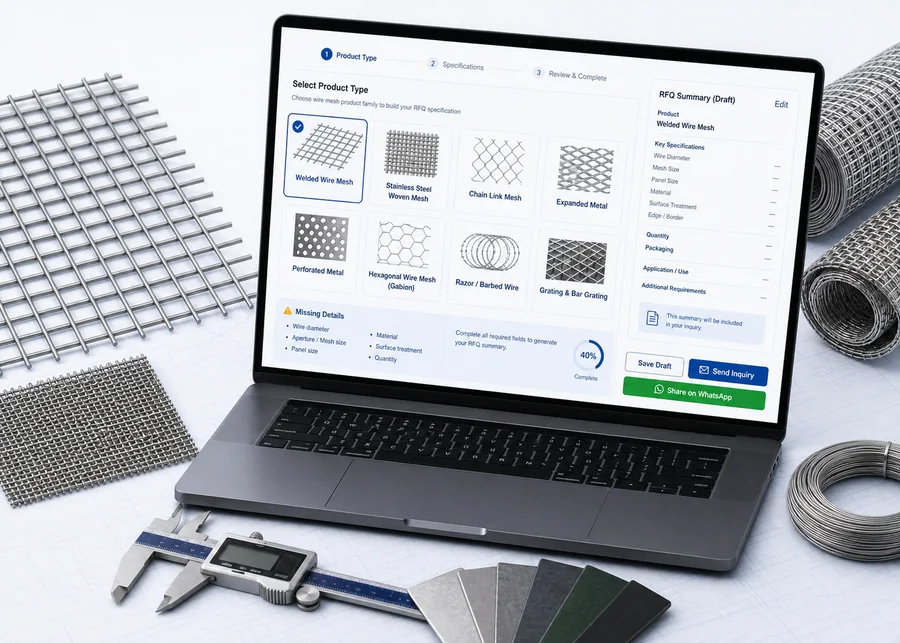
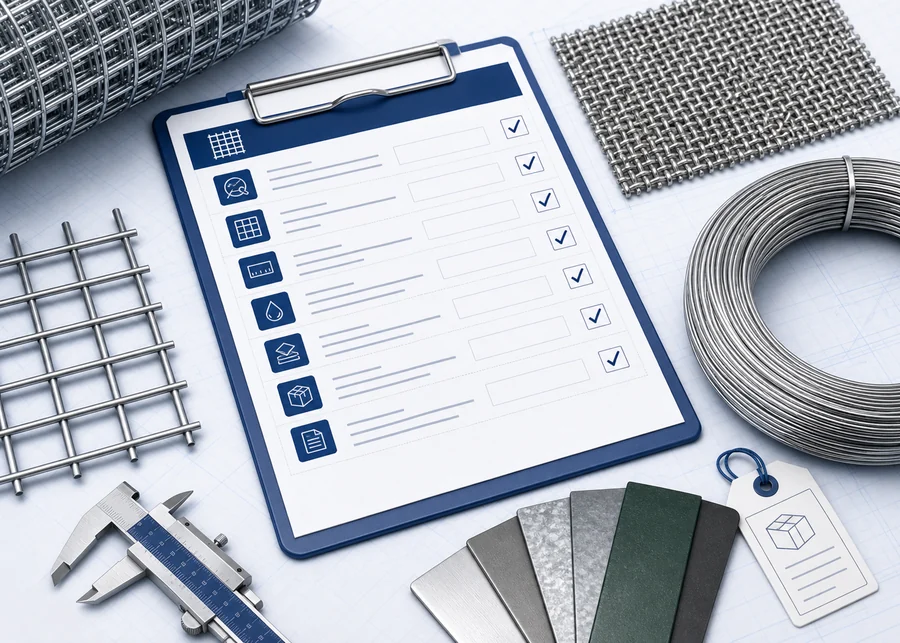
Before requesting a final price, prepare one clear RFQ checklist covering wire layout, mesh opening, panel size, posts, clamps, coating, color, gates, packing, labels, destination and proof needs. Mark uncertain fields clearly so the supplier can quote with stated assumptions rather than guessing.
For order-specific support, send your drawing, sample photo, panel schedule or packing request through the ANJIA inquiry page. The team can help review which double wire fence fields need confirmation before quotation, sample approval or production planning.
About ANJIA GROUP
ANJIA GROUP supplies wire mesh, fencing and related industrial products for global B2B buyers. Contact our team to discuss product specifications, matching accessories and export packing.
Discuss your sourcing requirements
Send your product requirements and any relevant drawings to our team.
Get a Free Business Quote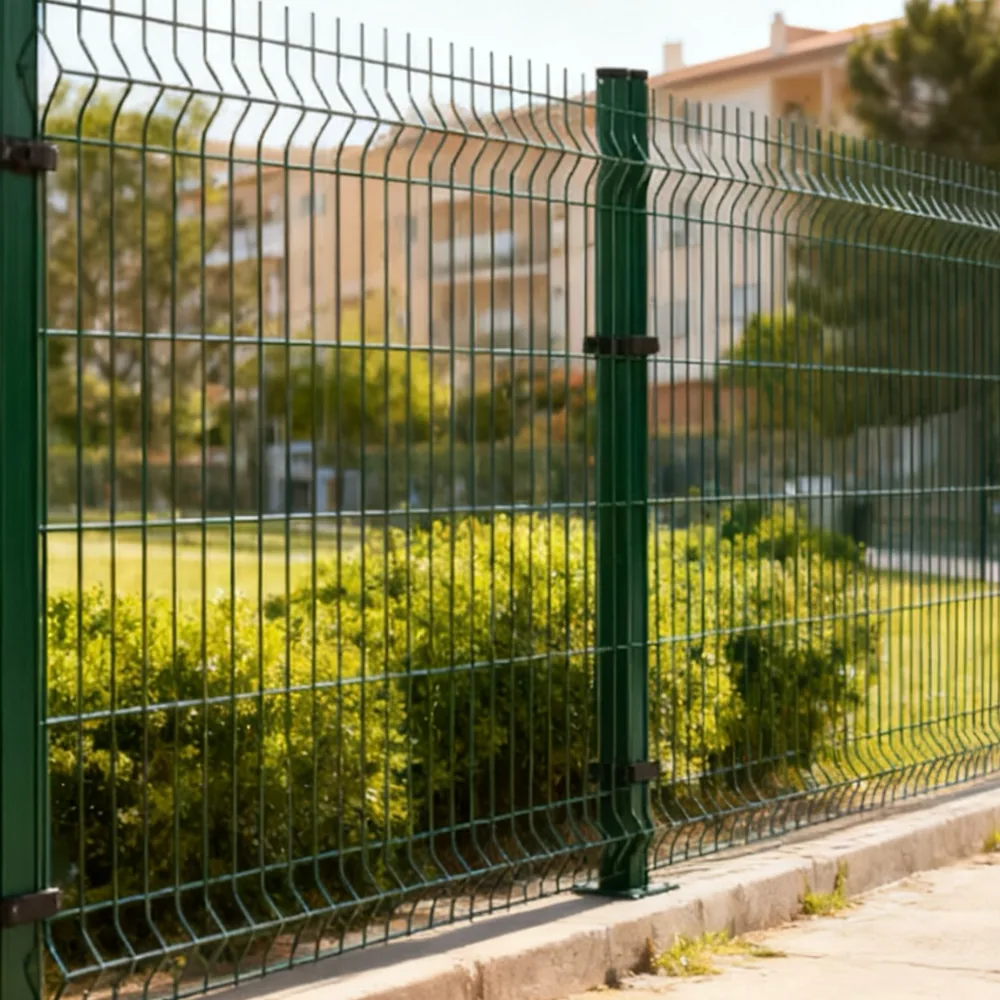 Double Wire Fence
 Security Fence
 Wire Mesh RFQ Specification Builder
 Wire Mesh RFQ Checklist