
Gabion Basket Sourcing Checklist: Wire Diameter, Coating, Stone Size, Drainage and Packing

Updated Jun 24, 2026
A practical gabion basket sourcing checklist covering wire diameter, coating, stone size, drainage, packing and RFQ details for project buyers and distributors.
Table of contents
Gabion baskets are widely used in civil engineering, erosion control and landscape projects. They can support riverbank protection, retaining walls, slope work and site drainage when the specification is selected correctly.
For buyers, contractors and distributors, the important point is simple: a gabion quotation is only comparable when the wire diameter, coating, mesh opening, stone size, drainage condition, accessories and packing scope are all clear. A low unit price may hide thinner wire, lighter coating, missing accessories or weak export packing.
Why wire diameter is the first spec to verify
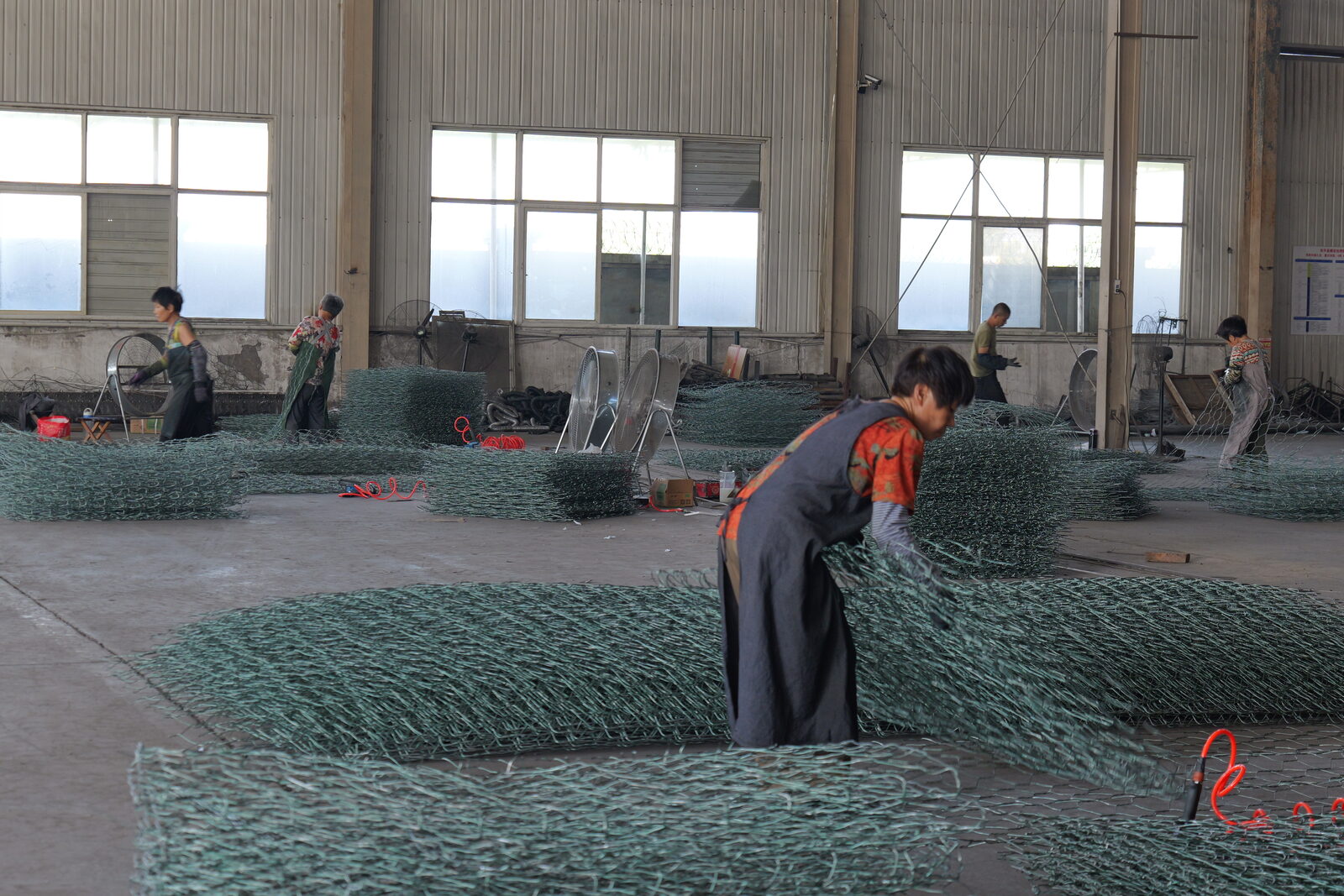
The wire diameter of a gabion basket directly affects its load resistance and shape stability after stone filling. Many gabion baskets use low-carbon steel wire in the 2.0 mm to 4.0 mm range, but the right choice depends on the application, site condition and project document.
For standard retaining walls and landscape features under moderate load, 2.7 mm to 3.0 mm mesh wire is often requested. For riverbank revetment, bridge abutment protection or coastal use, project documents may specify heavier wire such as 3.4 mm to 4.0 mm. Buyers should confirm both the mesh wire and the selvedge wire because the edge wire is usually thicker for reinforcement.
| Application | Mesh Wire Diameter | Selvedge Wire Diameter | Typical Use Case |
|---|---|---|---|
| Landscape / decorative | 2.0-2.4 mm | 2.4-2.8 mm | Garden walls and architectural features |
| Standard retaining wall | 2.7-3.0 mm | 3.0-3.4 mm | Roadside walls and terracing |
| Riverbank / erosion control | 3.0-3.4 mm | 3.4-3.8 mm | River revetment and channel lining |
| Heavy-duty / coastal | 3.4-4.0 mm | 3.8-4.5 mm | Breakwaters and bridge abutments |
Coating options: galvanized, PVC coated or Galfan
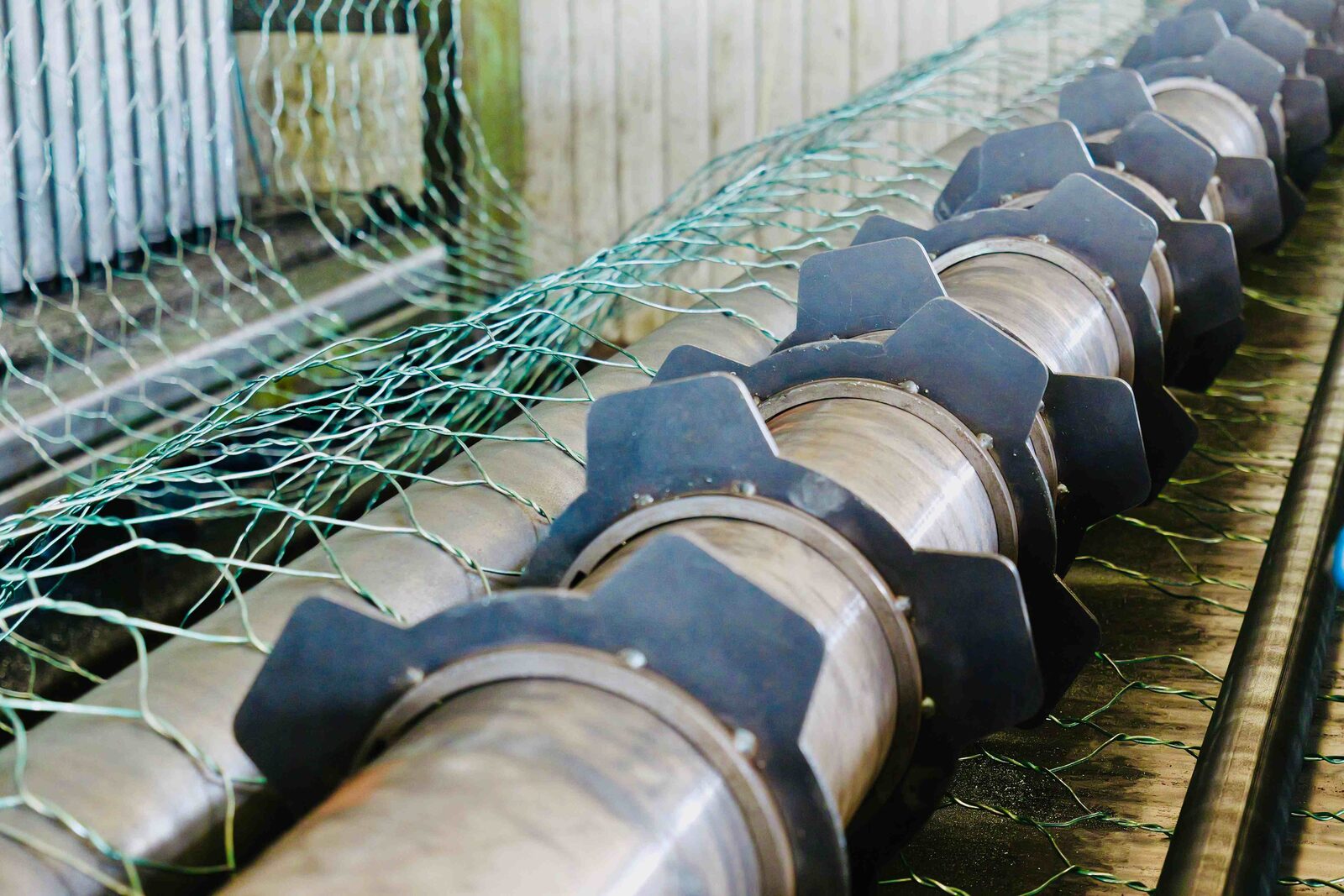
The surface treatment of gabion wire determines corrosion resistance and long-term maintenance pressure. Buyers sourcing gabion baskets in bulk should match coating type to the project environment instead of choosing only by unit price.
Hot-dip galvanized gabion baskets are common and cost-effective for normal atmospheric exposure. Zinc coating requirements vary by project, so buyers should ask the supplier to declare the coating weight or thickness and provide supporting inspection records when required.
PVC coated over galvanized wire adds a protective layer over the base coating. It is often selected for marine, chemical, humid or landscape projects where added protection and appearance matter. Buyers should confirm PVC thickness, color, adhesion and whether the quoted wire diameter includes the coating layer.
Galfan, or zinc-aluminum alloy coating, is commonly discussed for infrastructure projects where improved corrosion resistance is needed. If Galfan is specified, ask for coating documents and confirm the exact alloy/coating requirement with the project documents.
| Coating Type | Buyer Should Confirm | Best-Fit Environment | Cost Position |
|---|---|---|---|
| Electro-galvanized | Coating weight and project suitability | Indoor or temporary use | Lowest |
| Hot-dip galvanized | Zinc coating weight or thickness | Inland and normal soil exposure | Moderate |
| Heavy galvanized | Higher zinc coating requirement | Humid or longer-service projects | Moderate-high |
| PVC coated + galvanized | PVC thickness, color and adhesion | Marine, chemical or landscape use | Higher |
| Galfan | Zn-Al coating document and test basis | Infrastructure and limited-access sites | Higher |
Buyers comparing PVC coated gabion mesh and galvanized gabion baskets should also review total lifecycle cost, shipment handling and installation conditions. For related mesh structure details, see our hexagonal wire mesh buying guide.
Mesh opening, stone size and basket dimensions
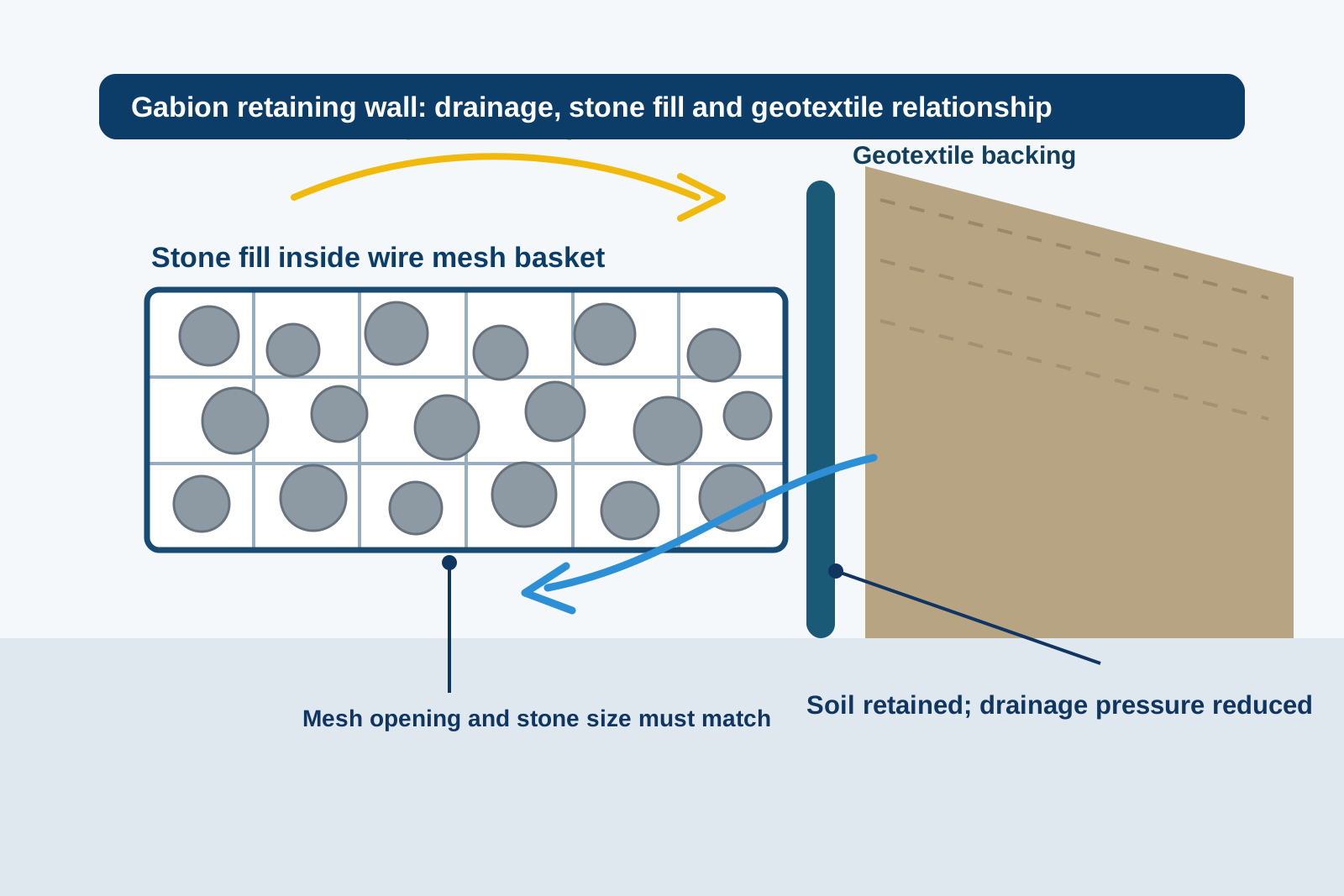
Wire diameter alone does not define the product. Mesh opening, stone fill size and basket dimensions must work together. If the stone is too small for the mesh opening, it can fall through or shift. If the stone is too large, it may leave excessive voids and reduce packing density.
A common buying reference is that the minimum stone dimension should be larger than the mesh opening, and the maximum stone dimension should not exceed the basket thickness. For a common 80 x 100 mm mesh opening, many projects use stone in the 100-200 mm range, but site documents should always be checked.
| Basket Size (L x W x H) | Mesh Opening | Stone Size Reference | Volume | Common Application |
|---|---|---|---|---|
| 1.0 x 1.0 x 0.5 m | 60 x 80 mm | 80-120 mm | 0.50 m3 | Small retaining walls and gardens |
| 2.0 x 1.0 x 0.5 m | 80 x 100 mm | 100-200 mm | 1.00 m3 | Standard retaining walls |
| 2.0 x 1.0 x 1.0 m | 80 x 100 mm | 100-200 mm | 2.00 m3 | Large retaining walls and bridge work |
| 3.0 x 2.0 x 0.3 m mattress | 80 x 100 mm | 100-150 mm | 1.80 m3 | Riverbed and channel lining |
| 6.0 x 2.0 x 0.3 m mattress | 80 x 100 mm | 100-150 mm | 3.60 m3 | Large-scale erosion control |
Gabion mattresses, also called Reno mattresses, are low-profile baskets used for wider erosion-control surfaces. They are different from box-type gabions used in retaining structures. If the project document says mattress, box or welded gabion box, the quotation should follow that exact product type.
Drainage performance buyers often overlook
One advantage of gabion structures over solid concrete walls is natural permeability. Water can pass through the stone fill and leave the structure, helping reduce hydrostatic pressure. This benefit depends on correct site design, suitable stone grading and proper backing material.
Stone grading matters because consistent void spaces allow water to move. Too many fine particles can clog the voids over time. Geotextile backing is often specified behind gabion retaining walls to reduce soil migration while allowing drainage. Internal diaphragms help divide the basket into cells and reduce stone migration.
This article is a sourcing checklist, not an engineering design manual. Buyers should confirm site drainage, stone fill, foundation and retaining-wall details with project engineers or local documents before ordering.
Packing, loading and shipment
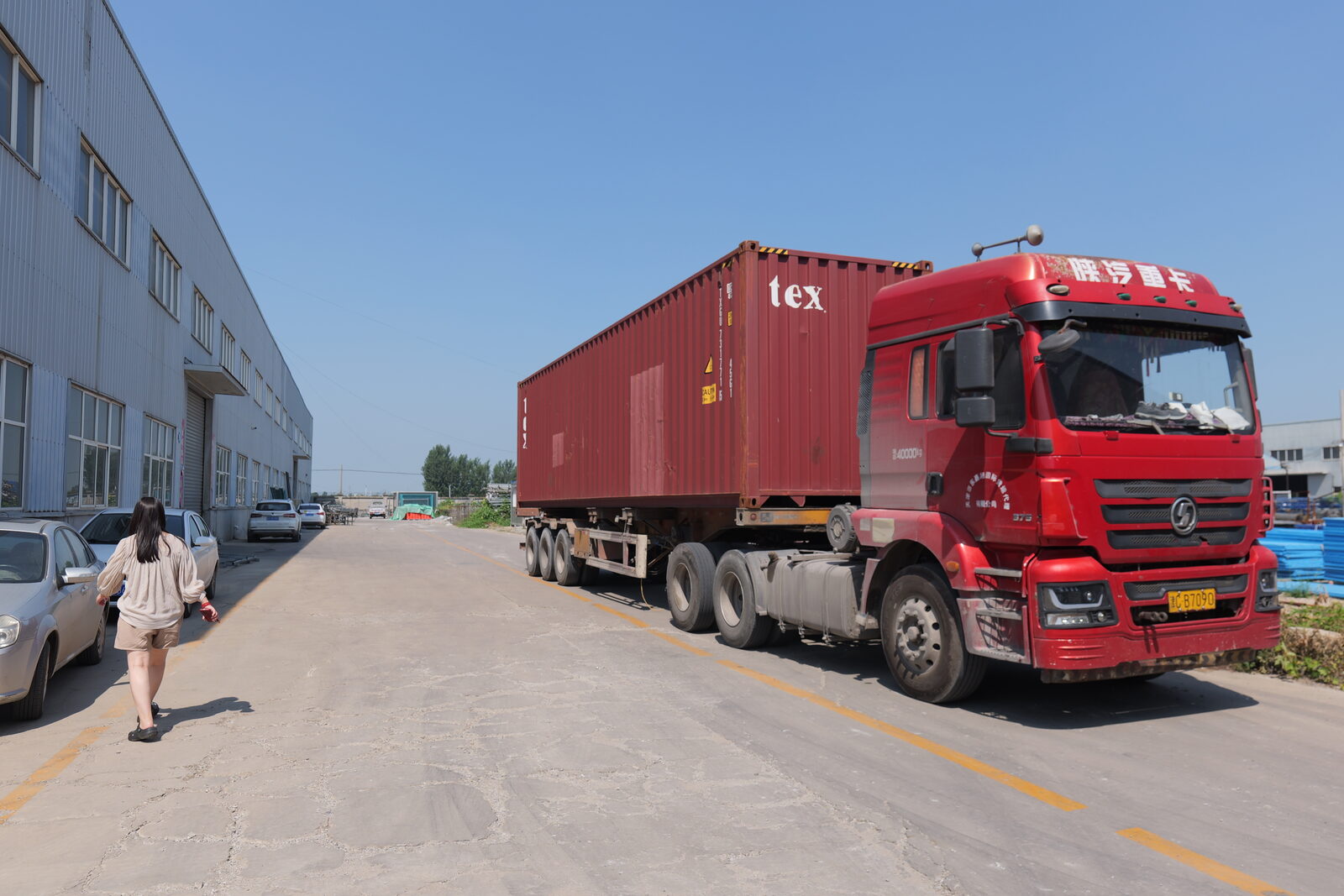
Gabion baskets are usually shipped folded and bundled to improve container utilization. Packing details affect the landed cost and the condition of the coating when goods arrive. This is especially important for PVC-coated and Galfan products, where damage at fold points can become a corrosion starting point.
Before placing a bulk gabion order, ask the supplier to confirm:
- whether the quote includes pallets, steel bands, PE film or woven bag wrapping;
- how many baskets can be loaded in a 20GP or 40HC container;
- whether lacing wire, C-rings, spiral binders or geotextile are included;
- what loading photos or packing proof can be supplied before shipment;
- the port of loading and expected production timeline.
| Packing Method | Protection Level | Loading Efficiency | Best For |
|---|---|---|---|
| Standard bundle + steel band | Basic | High | Galvanized gabions and inland transport |
| PE film wrapped + pallet | Medium | Medium | PVC-coated products and ocean freight |
| Individual woven bag + pallet | High | Lower | Premium coating and project orders |
| Custom crated packing | Maximum | Project-dependent | Large mattresses or special-size products |
For more packing checks that also apply to gabion and fence shipments, read the wire mesh fence export packing checklist.
Standards and documents to request
Gabion products for civil engineering projects may reference standards such as EN 10223-3 for double-twisted hexagonal wire mesh or ASTM A975 for gabion and revetment mattress applications. The exact standard depends on buyer market, project document and product type.
When comparing suppliers, buyers can request the following documents where applicable:
- mill test certificates for base wire;
- coating test reports for zinc coating weight, PVC thickness or relevant surface treatment;
- dimensional inspection reports for mesh opening and basket size;
- photos or inspection records for packing and loading;
- company quality documents such as ISO-related records when needed.
A reliable manufacturer should be able to explain which documents apply to the ordered product and which must be confirmed by a third-party inspection or project engineer.
How to compare gabion suppliers
Price is important, but a fair comparison requires the same specification basis. A gabion basket quoted with lighter wire, lower coating or missing accessories is not the same product as a basket quoted with heavier wire, stronger coating, complete lacing accessories and export packing.
Buyers should compare suppliers by production capability, coating consistency, customization support and packing experience. Factory-direct suppliers can usually provide clearer answers about wire diameter, mesh opening, coating process, folded packing and container loading plan.
| Area | What to Ask | Risk Signal |
|---|---|---|
| Product type | Woven basket, mattress or welded gabion box | Supplier uses one name for all types |
| Wire and coating | Mesh wire, selvedge wire, coating weight and PVC thickness | Only gives total weight or vague coating |
| Accessories | Lacing wire, C-rings, spiral binders, geotextile | Accessories missing from quotation |
| Packing | Bundle method, pallet, wrapping and loading quantity | No packing photos or loading plan |
| Documents | Material, coating and dimensional reports | Documents refused or mismatched |
Frequently Asked Questions
What wire diameter is standard for gabion baskets used in retaining walls?
For many standard retaining walls up to moderate height, 2.7 mm mesh wire with 3.0-3.4 mm selvedge wire is commonly requested. For higher loads, hydraulic exposure or coastal use, heavier wire may be required. Always confirm the project specification before ordering.
How do I calculate how many gabion baskets I need?
Calculate the total structure volume and divide it by the volume of one basket. For example, a 50 m retaining wall that is 2 m high and 1 m deep is about 100 m3. If each basket is 2.0 m3, the basic quantity is 50 baskets before waste or site allowance. Final quantity should follow the project drawing.
What is the difference between woven and welded gabion baskets?
Woven gabion baskets use double-twisted hexagonal wire mesh and can flex with settlement. Welded gabion baskets use rigid welded panels and create a cleaner architectural appearance. Woven gabions are often selected for erosion control and civil engineering, while welded gabions are common in landscape and architectural projects.
Can I order custom gabion basket dimensions?
Yes. Factory-direct suppliers can usually discuss custom basket length, width, height, wire diameter, mesh opening and coating. Custom orders may require minimum quantity and extra production time, so buyers should send drawings or clear specifications before asking for price.
What accessories are needed for installation?
Common accessories include lacing wire, C-rings, spiral binders and sometimes geotextile fabric. Some quotations include accessories, while others list them separately. Buyers should confirm accessory scope before comparing prices.
Conclusion: a complete specification protects your price comparison
The most common gabion sourcing mistake is comparing quotations based on different specifications. A supplier quoting thin electro-galvanized wire will naturally look cheaper than one quoting heavier hot-dip galvanized or PVC-coated wire, but the two quotations do not represent the same project value.
Before sending an RFQ, confirm the basket type, mesh wire, selvedge wire, coating type, coating weight or thickness, mesh opening, basket size, stone size requirement, diaphragm spacing, accessories, packing method and destination.
If you are preparing a project or container-load order, send your gabion basket specifications to ANJIA GROUP. Our team can help confirm product type, quotation basis, packing method and shipment details before production.
About ANJIA GROUP
ANJIA GROUP supplies wire mesh, fencing and related industrial products for global B2B buyers. Contact our team to discuss product specifications, matching accessories and export packing.
Discuss your sourcing requirements
Send your product requirements and any relevant drawings to our team.
Get a Free Business Quote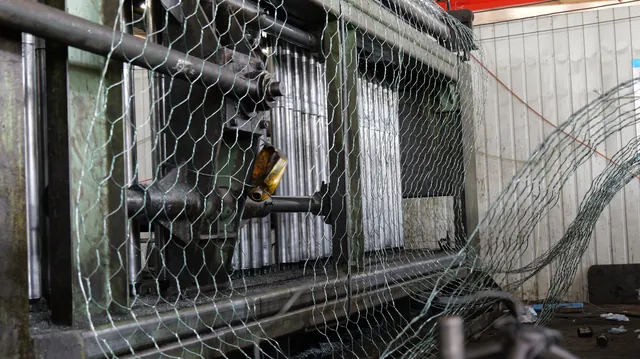 Gabion Basket
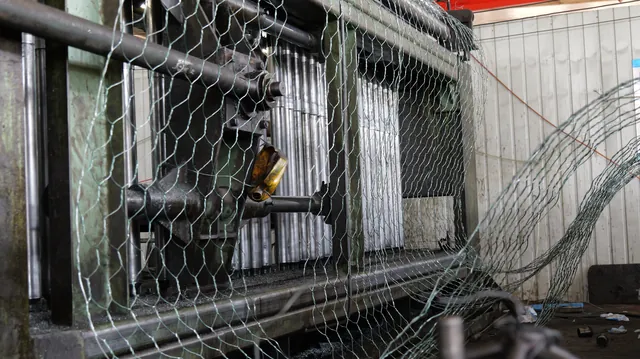 Gabion Box
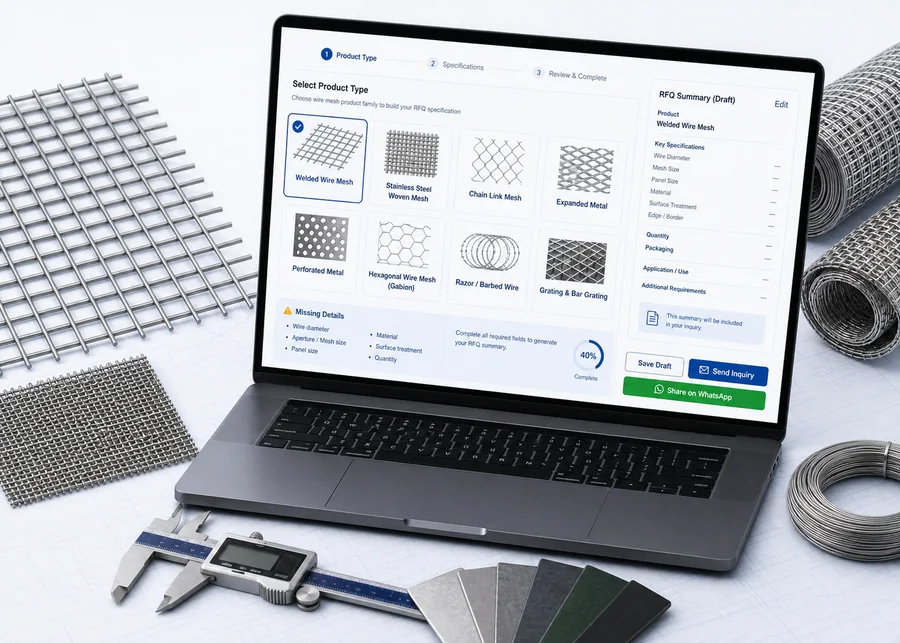 Wire Mesh RFQ Specification Builder
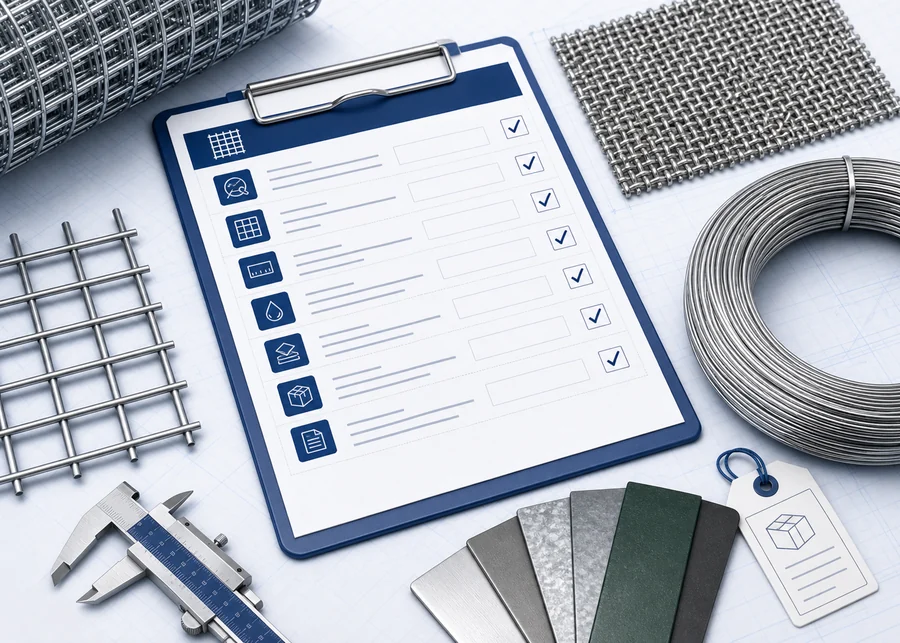 Buyer Tools Hub