
Barbed Wire Buying Guide: Wire Gauge, Zinc Coating, Twist Type, Roll Weight and Packing

Updated Jun 23, 2026
Define wire diameter, coating, twist type, barb spacing, roll length, roll weight, packing and destination before comparing barbed wire quotes.
Table of contents
Barbed wire is still one of the most common materials for farm boundaries, stock fencing, distributor inventory and general perimeter projects. It looks simple, but a vague inquiry such as "galvanized barbed wire, 50 rolls" is not enough for a reliable quotation.
The final price and product suitability depend on line wire diameter, barb wire diameter, zinc coating, twist type, barb spacing, roll length, roll weight, packing and destination. This guide explains what buyers should confirm before comparing barbed wire quotations.

What Buyers Should Confirm First
Before asking for price, confirm whether the supplier is quoting by roll, by meter, by kilogram or by ton. A roll with the same product name can have a very different weight if the wire diameter, barb spacing or roll length changes.
Buyers should also confirm whether the quotation includes export packing, pallet, label, loading photos and documents. These details affect landed cost and receiving efficiency, not only the FOB unit price.
Line Wire and Barb Wire Are Not Always the Same
Barbed wire has two main wire parts: the line wire and the short barb wire. The line wire carries tension between posts. The barb wire forms the sharp points at regular intervals. These two wires may use different diameters, so both should be written in the RFQ.
For example, a buyer may request 2.5mm line wire with 2.0mm barb wire, or 2.5mm line wire with 2.5mm barb wire. Both may be called "2.5mm barbed wire" in casual communication, but the weight and price are different.
| Quotation Field | What to Send | Why It Matters |
|---|---|---|
| Line wire | Gauge and metric diameter | Controls tension, weight and roll cost |
| Barb wire | Gauge and metric diameter | Affects barb strength, appearance and material usage |
| Wire condition | Low carbon, high tensile or project-defined basis | Helps supplier match production route |
| Measurement basis | Metric diameter preferred | Avoids gauge conversion mistakes between markets |
Zinc Coating and Surface Finish
Most export barbed wire orders use galvanized wire. The important question is not only "galvanized or not", but what coating basis the buyer expects. If a project document or tender has a required coating class, zinc weight or test method, send that information before quotation.
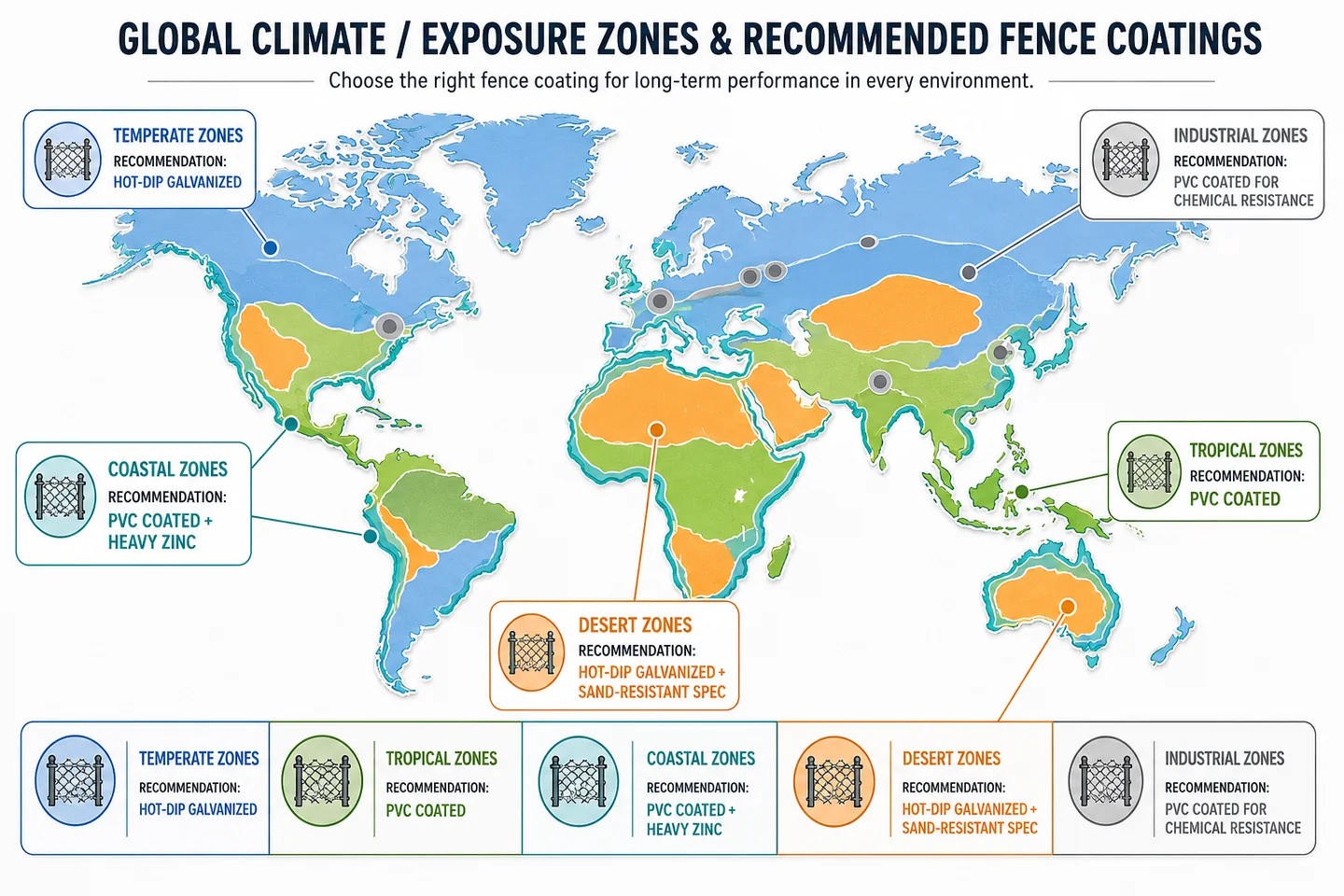
For general distributor and farm supply orders, buyers often compare standard galvanized options by wire diameter, coating expectation and target market. For coastal, humid or long outdoor exposure environments, it is better to ask the supplier to confirm the available coating document and sample policy before confirming bulk production.
PVC coated barbed wire can also be requested when the buyer needs a colored outer layer. In that case, confirm the core wire diameter, finished diameter, color, coating surface and packing method. For coating material context, see the PVC coated wire buying guide and galvanized iron wire buying guide.
Twist Type: Single, Double or Traditional
The twist type affects appearance, barb stability, production cost and buyer preference in different markets.
Single twist is usually chosen when cost is the main concern and the application is light farm or temporary boundary use.
Double twist uses two line wires twisted together. It gives a firmer structure and is common for commercial perimeter and distributor stock orders.
Traditional twist is requested in some markets for a more familiar appearance and stable barb pattern. If your customers are used to a certain look, include a photo or sample reference in the RFQ.
| Twist Type | Buying Context | RFQ Note |
|---|---|---|
| Single twist | Cost-sensitive farm or boundary use | Confirm roll length and barb spacing carefully |
| Double twist | General perimeter, commercial stock and stronger structure | Compare the same wire diameter and coating basis |
| Traditional twist | Market-specific appearance requirement | Send photo or sample reference if possible |
Barb Spacing
Barb spacing is the distance between two adjacent barbs on the line wire. Common requests include 3 inch, 4 inch, 5 inch or 6 inch spacing, but the correct spacing depends on the buyer market and use.
Tighter spacing means more barbs, higher material usage and heavier rolls. Wider spacing can reduce weight and cost, but may not match the buyer's expected deterrence level. Always write the spacing in inch or millimeter, and keep the same spacing when comparing quotations.
Roll Length, Roll Weight and Loading Plan
Roll length and roll weight should be specified together. Some buyers order by roll count, while others order by ton or container load. If only the roll count is given, suppliers may quote based on different roll lengths or weights.
Common export rolls may be packed as 150m, 200m, 250m, 300m or other agreed lengths. The actual roll weight depends on wire diameter, coating, twist type and barb spacing.
| RFQ Item | Recommended Detail |
|---|---|
| Roll length | Meters per roll |
| Approx. roll weight | Target kg per roll if your warehouse needs a handling limit |
| Total quantity | Rolls, tons or container plan |
| Loading request | Palletized, loose loading or mixed container with other products |
If the order is container-based, request packing photos or a loading plan. This helps confirm whether the roll size and packing method are practical for unloading at destination.
Export Packing
Barbed wire is sharp, heavy and easy to tangle if packed carelessly. Packing quality affects product condition, unloading safety and warehouse handling.

Common export options include waterproof wrapping, woven bag wrapping, palletized rolls, steel banding and carton or label requirements. Loose loading can save packing cost, but it increases manual unloading work. Palletized packing is usually cleaner for distributor and project orders.
Buyers should ask whether pallet cost, label, wrapping and loading photos are included in the quotation. This prevents a low unit price from becoming a higher landed cost later. For wider shipment planning, use the wire mesh fence export packing checklist.
Barbed Wire RFQ Checklist
To receive comparable quotations, send the following information:
| # | RFQ Field | What to Send |
|---|---|---|
| 1 | Line wire | Gauge and metric diameter |
| 2 | Barb wire | Gauge and metric diameter |
| 3 | Surface | Galvanized, PVC coated or other surface requirement |
| 4 | Twist type | Single, double or traditional |
| 5 | Barb spacing | Distance in inch or millimeter |
| 6 | Roll size | Roll length and target roll weight |
| 7 | Quantity | Rolls, tons or container plan |
| 8 | Packing | Pallet, wrapping, label and destination port |
Frequently Asked Questions
What information is most important for a barbed wire quote?
Line wire diameter, barb wire diameter, coating basis, twist type, barb spacing, roll length, quantity, packing and destination are the key details.
Is galvanized barbed wire enough for outdoor use?
Galvanized barbed wire is widely used outdoors, but the expected coating basis should match the market, climate and project requirement. If the environment is humid, coastal or long-term outdoor exposure, ask the supplier to confirm coating document and sample options.
Can barbed wire be shipped with fence products?
Yes. Barbed wire rolls are often shipped with chain link fence, field fence, temporary fence, galvanized wire or other fencing products. The loading plan should separate sharp rolls, fabric rolls, panels and accessories clearly.
What is the difference between barbed wire and razor wire?
Barbed wire uses twisted strands with short barbs. Razor wire uses blade tape around a core wire. Barbed wire is common for farm, boundary and general perimeter use. Razor wire is normally selected for stronger restricted-access perimeter requirements. For supplier checks, see the razor wire and barbed wire manufacturer checklist.
How can I compare prices from different suppliers?
Compare the same wire diameter, coating basis, twist type, barb spacing, roll length, packing and destination. If one supplier quotes pallet packing and another quotes loose loading, the prices are not directly comparable.
Conclusion: Make the Quotation Basis Clear
Barbed wire sourcing becomes much easier when the buyer defines the quotation basis clearly. A short message such as "galvanized barbed wire" leaves too many assumptions open. A complete RFQ with wire diameter, coating, twist type, barb spacing, roll size, packing and destination helps suppliers quote faster and makes prices easier to compare.
For bulk barbed wire orders, send your specification, packing preference, quantity and destination before asking for price.
About ANJIA GROUP
ANJIA GROUP supplies wire mesh, fencing and related industrial products for global B2B buyers. Contact our team to discuss product specifications, matching accessories and export packing.
Discuss your sourcing requirements
Send your product requirements and any relevant drawings to our team.
Get a Free Business Quote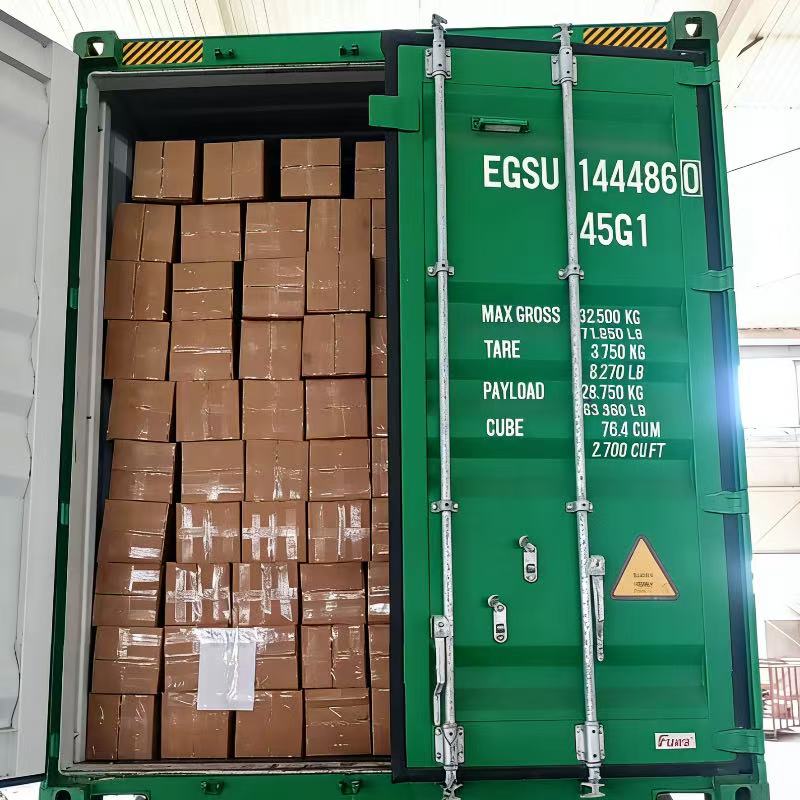 Barbed Wire
 Razor Wire
 Fence Coating & Exposure Zone Selector
 Galvanized vs PVC Coated Wire Mesh Guide