
Anti-Glare Fence RFQ Guide for Road and Facility Barrier Projects
Updated Jun 25, 2026
A practical RFQ guide for buyers sourcing anti-glare fence panels with posts, coating, packing and proof records.
Table of contents
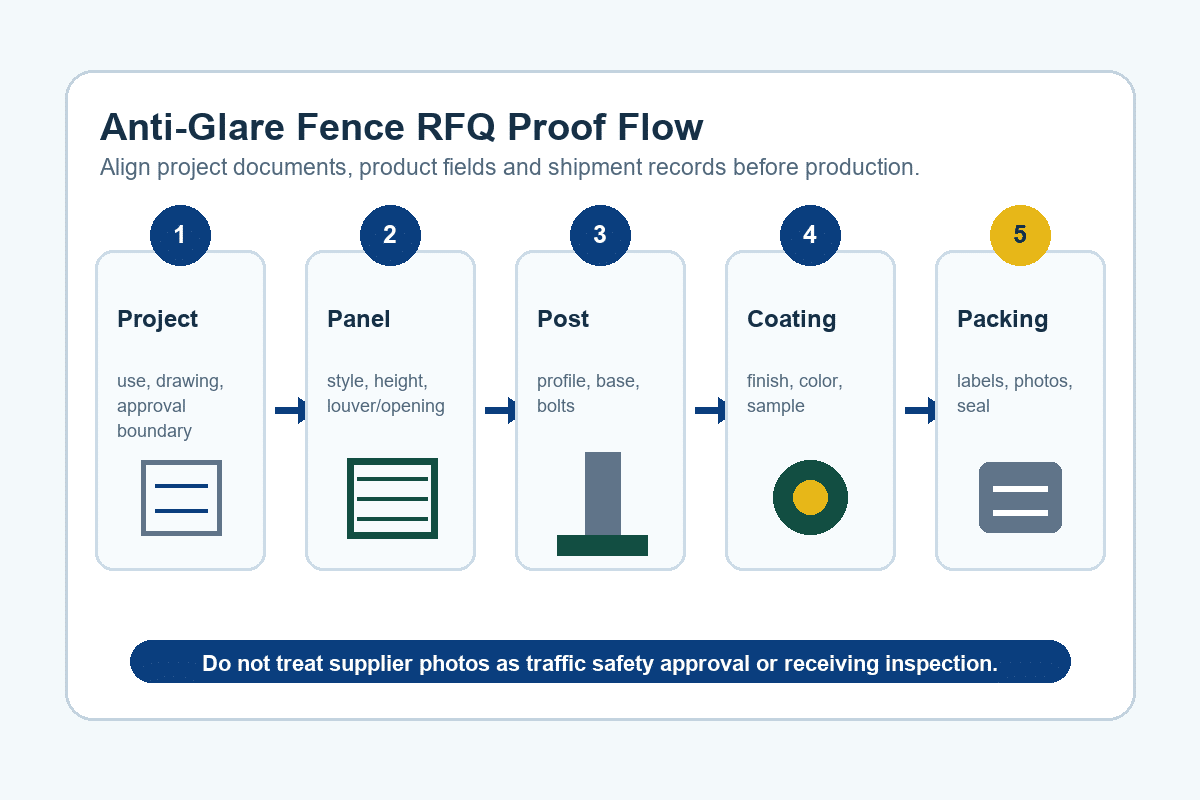
This anti-glare fence RFQ guide helps road, bridge and facility buyers prepare a clearer inquiry before comparing supplier offers. A quote-ready RFQ should define the panel style, panel height, post and base design, coating route, packing method and proof records before production starts.
Anti-glare fence is usually discussed for highway medians, bridge areas, road-side barriers or facility screens where buyers want to reduce direct headlight glare, visual distraction or wind exposure. The product is not the same as a general perimeter mesh fence, because the panel surface, post stability and coating route often carry more project-specific requirements.
This article is a sourcing and specification checklist. It does not claim traffic safety compliance, accident reduction, public-road approval or certified glare reduction. Those points must be confirmed through project authority documents, local regulations and qualified engineering review.
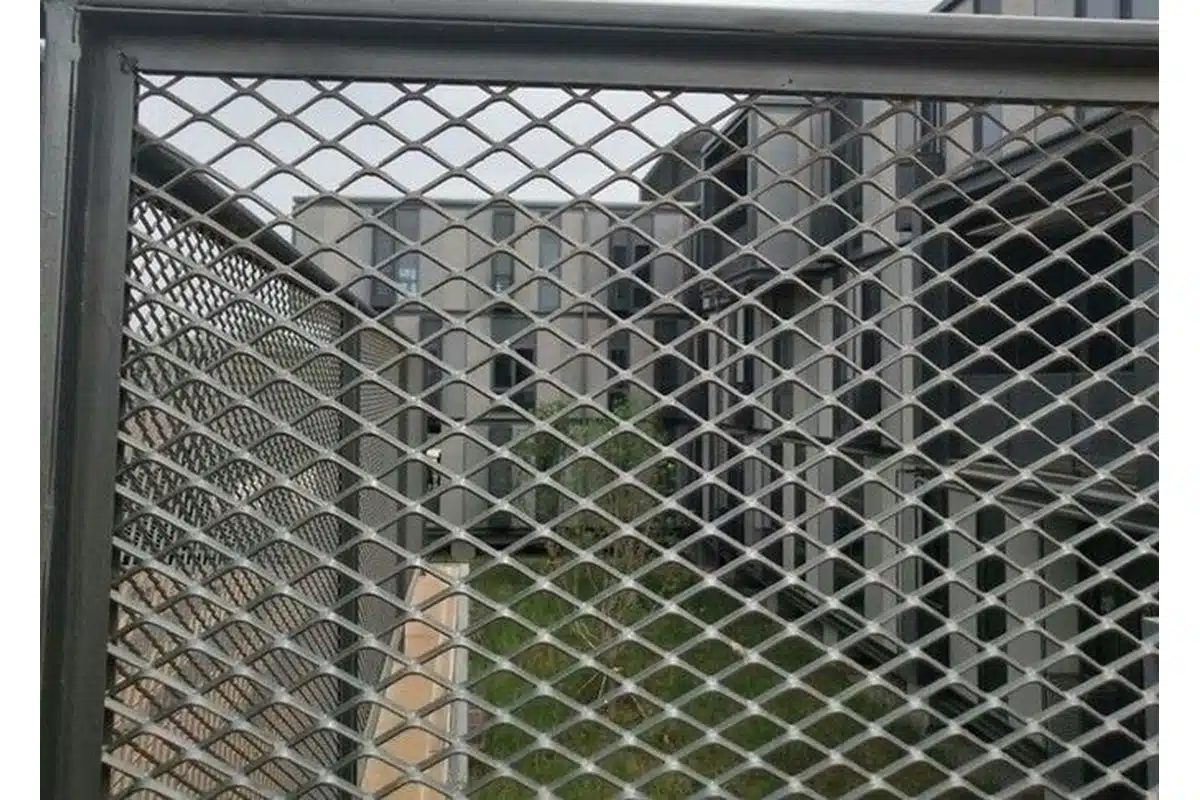
Start with project use and approval boundary
Before asking for a price, buyers should separate product supply questions from project approval questions. A supplier can help discuss panel style, size, post design, coating, packing and shipment proof. The buyer or project authority must still confirm whether the selected product is suitable for a specific road, bridge, public facility or private site.
Useful first questions include:
- Is the fence for a highway median, bridge side, facility boundary, industrial screen or private road?
- Does the buyer already have a drawing, project specification or authority requirement?
- Is the main function glare reduction, privacy screening, wind reduction or visual separation?
- Should the panel be solid, louvered, perforated or mesh-backed?
- Are posts surface-mounted with base plates or embedded into concrete?
- Which coating and color are required for the destination environment?
- What proof photos and packing records are needed before shipment?
This step makes the quotation comparable. It also keeps unsupported performance claims out of the RFQ conversation.
Panel style, height and opening design
Anti-glare fence panels may use different structures depending on the project. Solid panels block more direct line of sight but may create higher wind load. Perforated or louvered panels can reduce direct visibility while allowing more air movement. Mesh-backed designs may be used when a buyer needs a fence-like structure with additional screening.
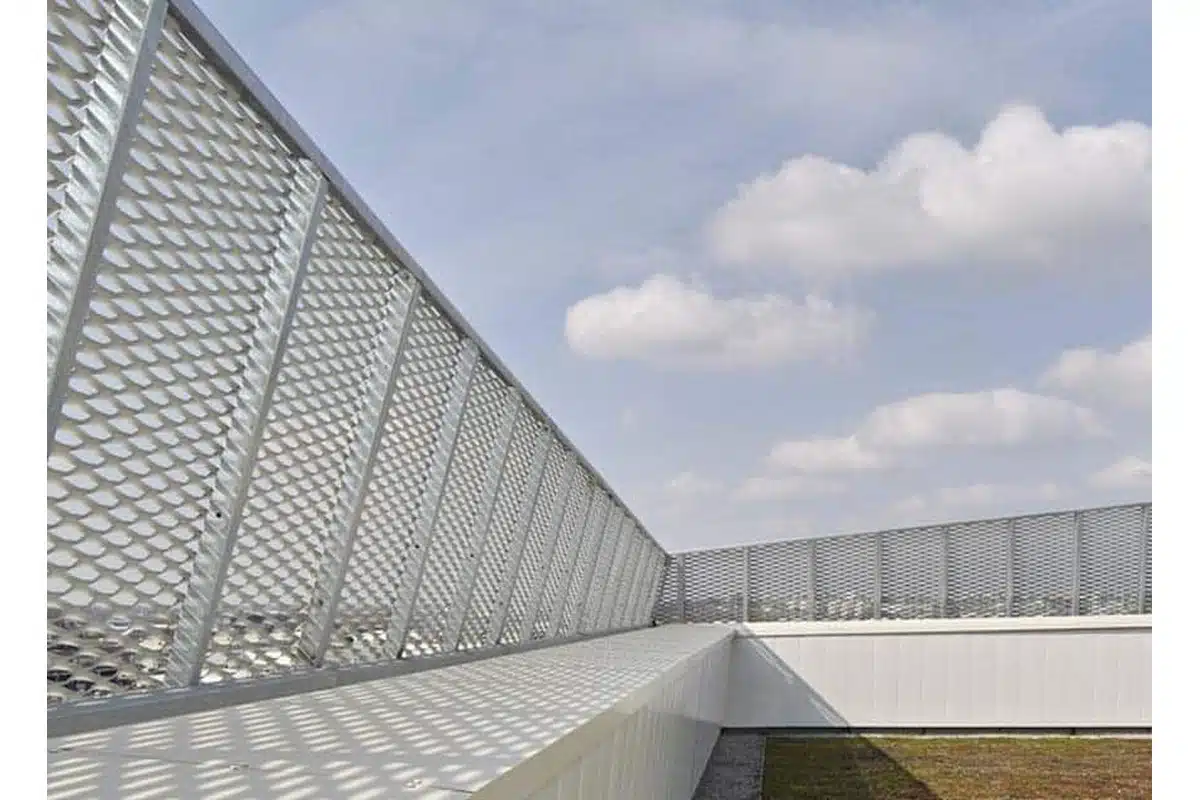
Confirm these panel fields:
- panel height and width in millimetres;
- panel style: solid, louvered, perforated or mesh-backed;
- panel thickness, frame profile or sheet thickness if applicable;
- opening pattern or louver direction if used;
- whether panels are designed for one-side or two-side visual blocking;
- section quantity and any special corner, slope or transition areas;
- approved drawing, sample photo or reference project image.
Buyers should not rely only on a product name. Two suppliers may both quote "anti-glare fence" while using different panel depth, louver direction, post size and packing method.
Post, base plate and installation fields
Posts are a core cost and stability factor in anti-glare fence projects. Solid or semi-solid panels can create higher wind pressure than open mesh panels, so post size, wall thickness and mounting method should be written into the RFQ.
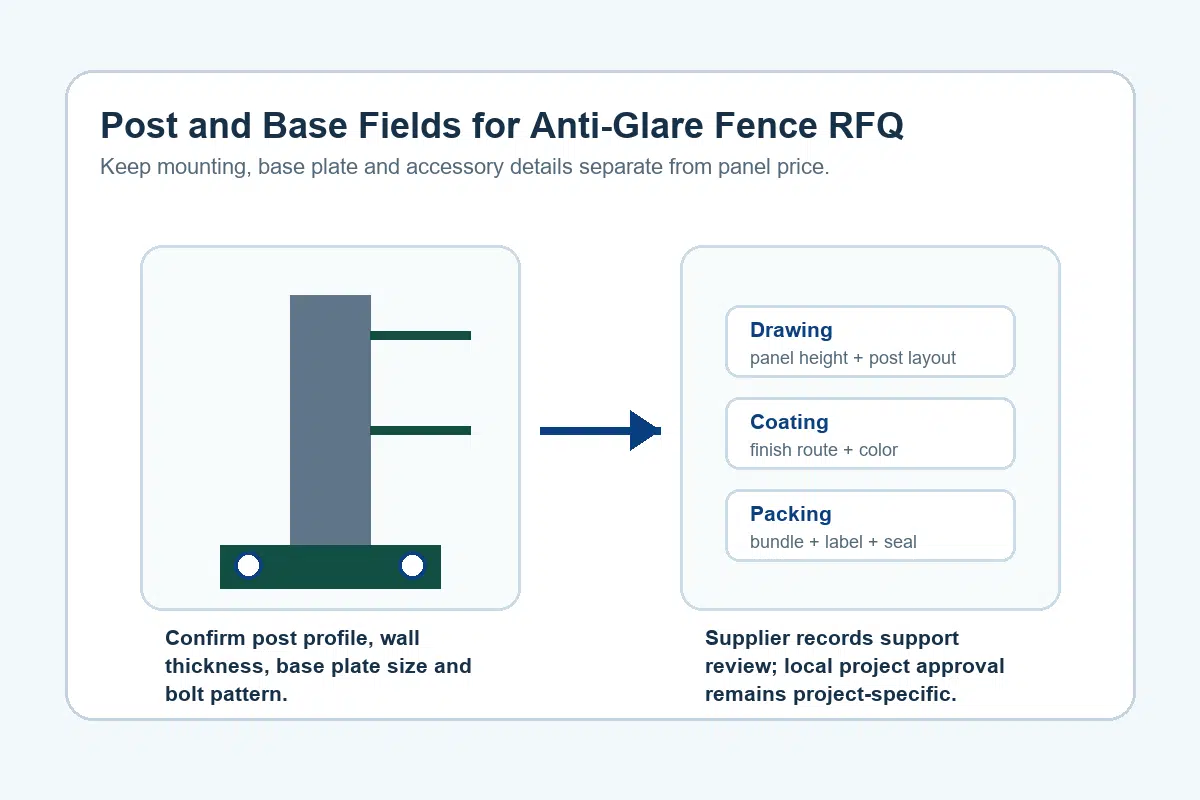
Ask the supplier to separate:
- post profile: square, rectangular, I-beam, H-beam or project-specific;
- post size and wall thickness if required by drawing;
- post height, embedment length or base plate height;
- base plate size, thickness and hole pattern if surface mounted;
- bolt size, anchor type and quantity if supplied;
- stiffener plate requirement if the project drawing includes one;
- post cap, color and accessory list.
Post spacing should not be treated as a universal rule. It should follow the panel width, project layout, foundation condition and local review requirements. If wind-load calculation, traffic approval or public-road certification is required, that should be handled through the project authority, not assumed from a general supplier quotation.
Coating and surface treatment
Anti-glare fence is often exposed to sun, rain, vehicle exhaust, road dust and sometimes coastal or industrial air. The RFQ should define the coating route and the evidence needed to support review.
Common coating routes include:
- hot-dip galvanized finish;
- hot-dip galvanized plus powder coating;
- powder coating after fabrication where agreed by the order;
- other project-specified coating systems.
Useful RFQ fields include:
- coating type and whether fabrication happens before coating;
- zinc coating or powder coating requirement if specified;
- RAL color or approved color sample;
- sample approval requirement for color-sensitive projects;
- coating photos, thickness records or test documents where required.
Do not treat coating as a guaranteed service-life promise. Local environment, installation, damage during handling and maintenance all affect long-term performance. Photos and coating records can support review, but they do not replace order-specific requirements.
Welding, panel consistency and sample review
For anti-glare fence, the buyer should check more than the visible front face. Welded areas, frame connection, panel straightness, louver consistency and edge finishing can all affect installation and appearance.

Before mass production, buyers can request:
- sample or pre-production photo approval;
- panel dimension check photos;
- post-to-panel connection detail;
- coating appearance photos after finishing;
- packing trial photo if panels are large or heavy;
- label format and bundle numbering confirmation.
These records are useful because anti-glare fence orders often involve project-specific dimensions. A small drawing change can affect panel fit, post hole positions, accessory quantity and container packing.
RFQ field table for anti-glare fence
Use this table to keep project, product and shipment fields aligned before comparing supplier quotations.
| RFQ field | What to specify | Why it affects quotation | Proof or document to request |
|---|---|---|---|
| Project use | Road, bridge, facility screen, private road or industrial boundary | Determines whether the inquiry needs project authority review | Drawing, layout or project specification |
| Panel style | Solid, louvered, perforated or mesh-backed | Changes material use, wind exposure and fabrication route | Panel drawing or sample photo |
| Panel size | Height, width, section quantity and special transitions | Affects production, packing and container loading | Dimension drawing and quantity list |
| Post system | Post profile, wall thickness, base plate or embedment | Major cost and structural field | Post drawing and connection detail |
| Coating | Galvanized, powder coated or dual system, color and sample | Affects appearance, corrosion context and lead time | Coating record, color sample or inspection photo |
| Accessories | Bolts, clamps, base plates, caps and spares | Missing small parts delay installation | Accessory list and carton label photos |
| Packing | Panel frame, A-frame, pallet, post bundle and labels | Protects panels and controls receiving | Packing list, bundle photos and labels |
| Shipment proof | Loading photos, seal number and document set | Supports receiving and claim records | Container loading photos and seal record |
Packing and shipment proof
Anti-glare fence panels can be larger and heavier than ordinary mesh panels. Packing should protect coating surfaces, avoid bending and keep panel sections traceable.
Ask before production release:
- How many panels are packed per frame or bundle?
- Are spacers, film, cardboard or edge protection used?
- Are posts bundled separately from panels?
- Are base plates, bolts and small accessories packed in labeled cartons?
- Are bundle numbers connected to the packing list?
- Are net weight and gross weight recorded where required?
- Which photos must be taken before container closing?
Supplier packing photos can support shipment review, but they do not replace receiving inspection. Buyers should still check bundle count, carton labels, visible damage and missing accessories after arrival.
Compare related barrier products only when the project requires it
Anti-glare fence should not be treated as interchangeable with every fence product. Still, buyers may compare nearby barrier options during project planning.

Consider:
- railing fence when the project is a facility barrier or commercial separation area;
- fence posts when post profile, mounting and packing are the main RFQ uncertainty;
- security fence when the project is mainly perimeter security rather than glare control;
- 3D welded mesh fence when open visibility and lower wind load are suitable.
The buyer should choose by project role, not by product name alone. Panel surface, post system, accessory list, coating and packing may all differ.
Common RFQ mistakes to avoid
Avoid these problems before asking suppliers for price:
- asking for anti-glare fence without clarifying solid, louvered or perforated panel style;
- using a reference photo but not providing height, width and post requirements;
- assuming traffic safety approval from a product quotation;
- ignoring wind exposure and foundation questions;
- requesting color without a RAL code or sample reference;
- treating post and base plates as included without listing them;
- requesting proof photos but not defining which product groups must be visible;
- comparing prices without checking packing format and container efficiency.
Clear RFQ fields reduce revision cycles and help buyers compare supplier offers on the same basis.
Frequently asked questions
Is anti-glare fence the same as a certified road safety barrier?
No. Anti-glare fence can be used in road or facility projects, but public-road approval, traffic safety compliance, accident reduction and certified glare reduction require project-specific documents and qualified authority review.
Which panel style should buyers choose?
The choice depends on the project function. Solid panels block more visibility but may increase wind exposure. Louvered or perforated panels can balance visual blocking and air movement. Buyers should confirm the style with drawings and local requirements.
Should coating be galvanized or powder coated?
Many road or outdoor projects use hot-dip galvanized steel or galvanized plus powder coating. The final route should follow the project environment, color requirement and order specification. Coating records and samples can support review.
What proof photos are useful before shipment?
Useful photos include panel overview, post bundles, base plates, accessory cartons, labels, packing frames, container loading and seal number. They support shipment review but do not replace arrival inspection.
Prepare an anti-glare fence RFQ
For order-specific support, send your drawing, reference photo, panel style, height, post requirement, coating request, accessory list and packing preference through the ANJIA inquiry page. The team can review which anti-glare fence, post, coating and shipment proof fields should be confirmed before quotation or sample approval.
About ANJIA GROUP
ANJIA GROUP supplies wire mesh, fencing and related industrial products for global B2B buyers. Contact our team to discuss product specifications, matching accessories and export packing.
Discuss your sourcing requirements
Send your product requirements and any relevant drawings to our team.
Get a Free Business Quote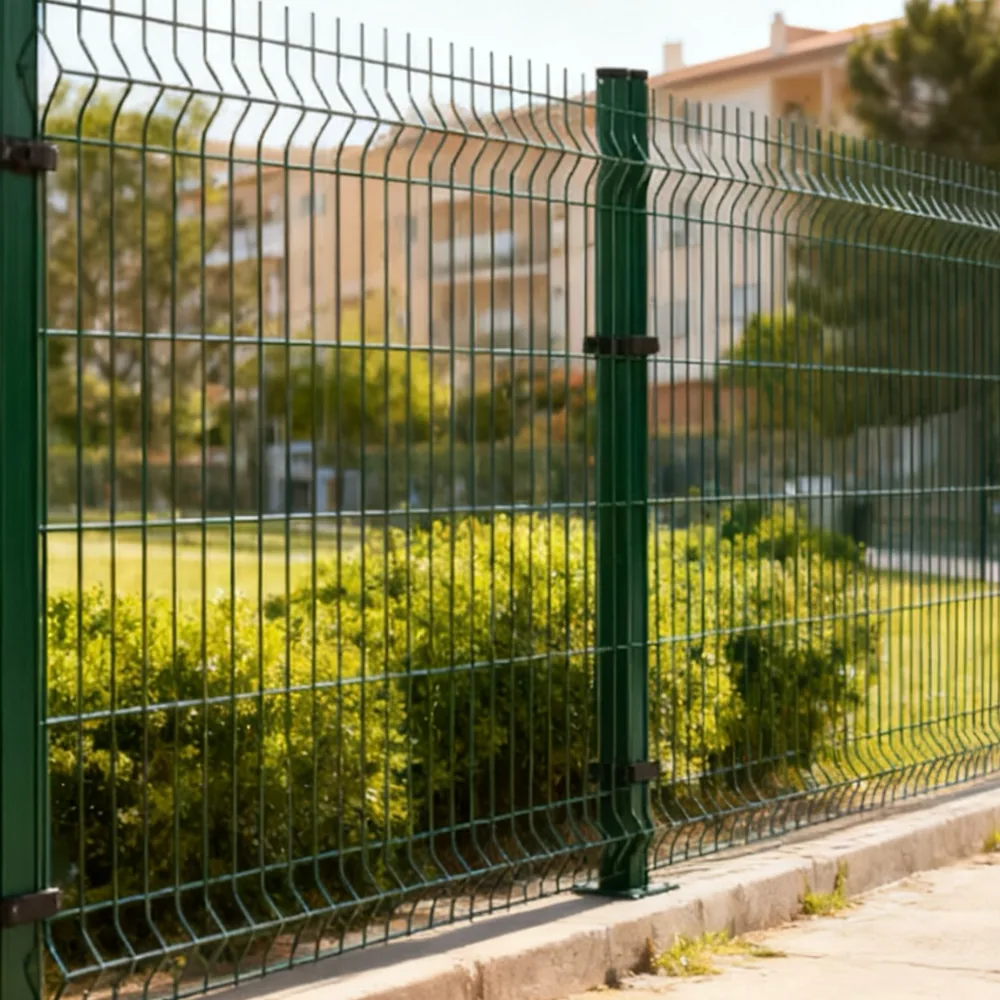 Anti-Glare Fence
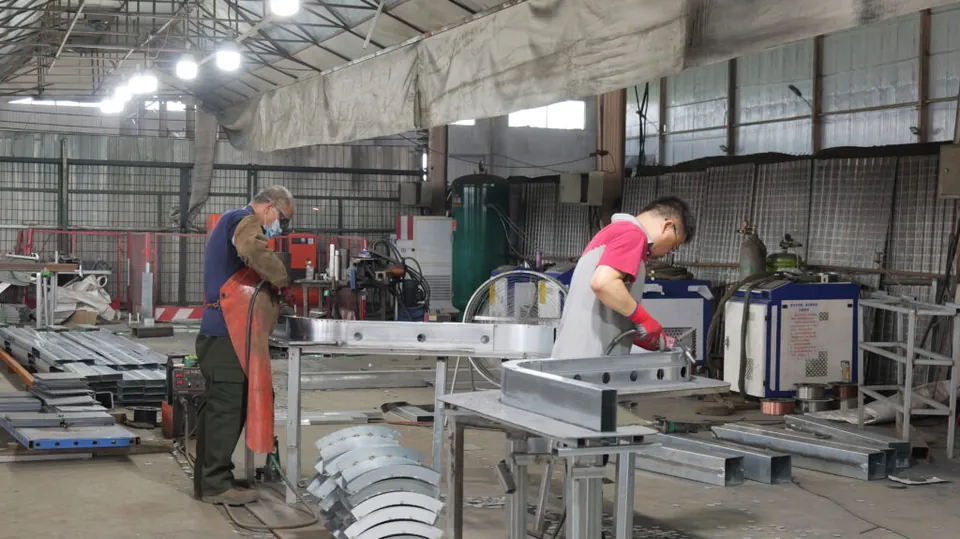 Fence Post
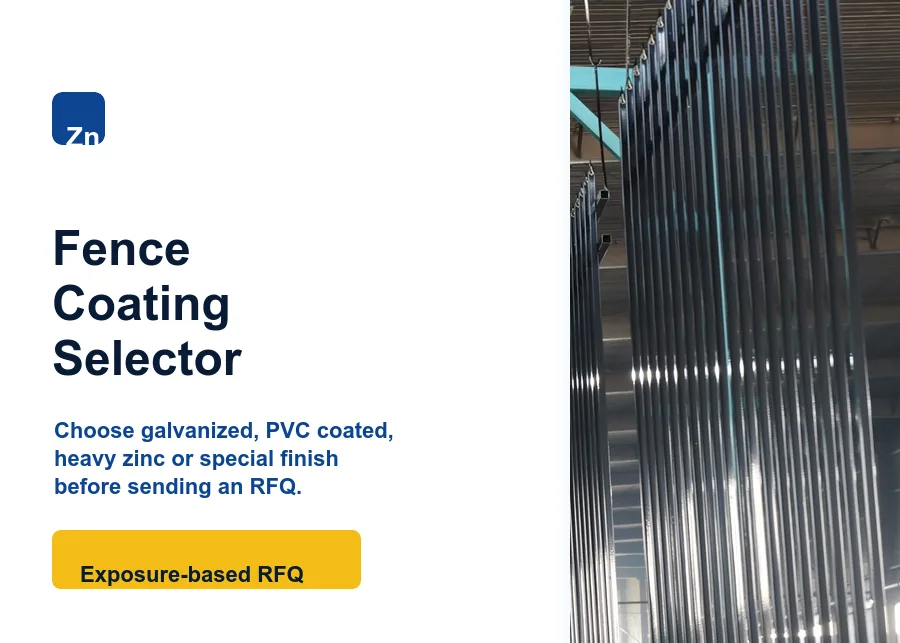 Fence Coating & Exposure Zone Selector
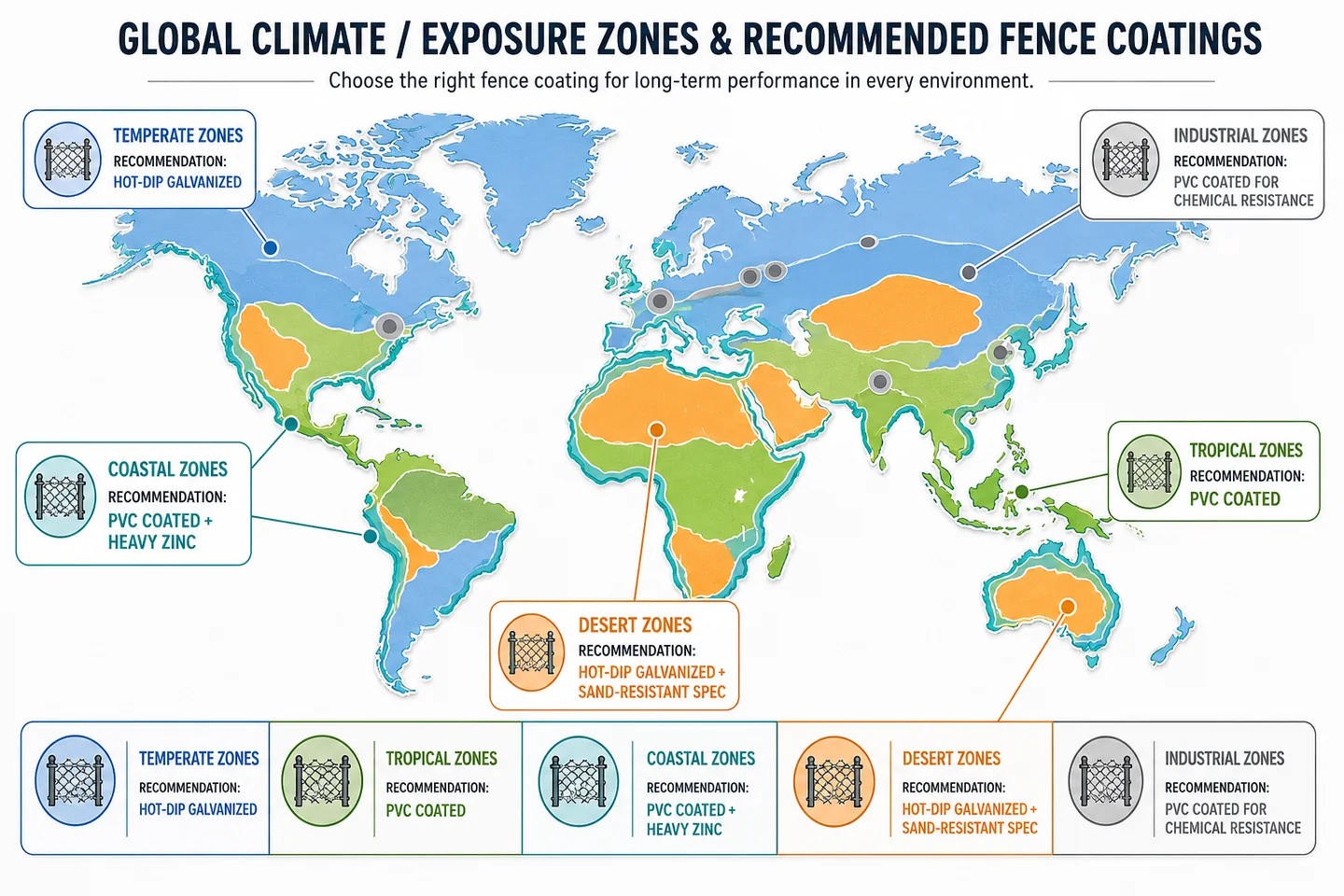 Galvanized vs PVC Coated Wire Mesh Guide