Defensive Bastion Barriers and Anti-Tank Net: Project RFQ Boundaries for Importers
Updated Jun 28, 2026
A cautious RFQ boundary guide for importers sourcing defensive bastion barriers, anti-tank net products, packing records and shipment proof.
Table of contents
This guide helps cautious buyers prepare RFQs for defensive bastion barriers, fillable barrier units and anti-tank net products without turning a product inquiry into an unsupported performance claim. A supplier can discuss dimensions, wire, mesh, lining, coating, packing and shipment proof. Project suitability, legal use and field performance must be confirmed by qualified parties and local requirements.
The goal is to make the buying conversation clearer. Buyers should ask for verifiable product fields, sample or drawing review, packing records and shipment documents. They should not ask a general wire mesh or fence supplier to guarantee official approval, field result, anti-vehicle rating or project performance.
Use this article as an RFQ boundary checklist, not as engineering or security advice.
Start with the boundary between product supply and project performance
The first RFQ decision is not price. It is scope. A buyer needs to decide whether the inquiry is for general product supply or for a certified project system.
A supplier can usually confirm:
- product dimensions and unit format;
- welded mesh panel or roll structure;
- wire diameter and mesh opening;
- lining material if the product uses a lined fillable unit;
- coating or surface treatment;
- flat packing, roll packing, bundles and labels;
- sample photos, inspection photos and loading records.
A supplier should not be treated as the only authority for:
- local legal approval;
- official security classification;
- certified anti-vehicle performance;
- field suitability for a specific risk scenario;
- engineered system design.
This boundary protects both sides. It also keeps the RFQ focused on measurable supply fields.
Defensive bastion barrier fields to confirm
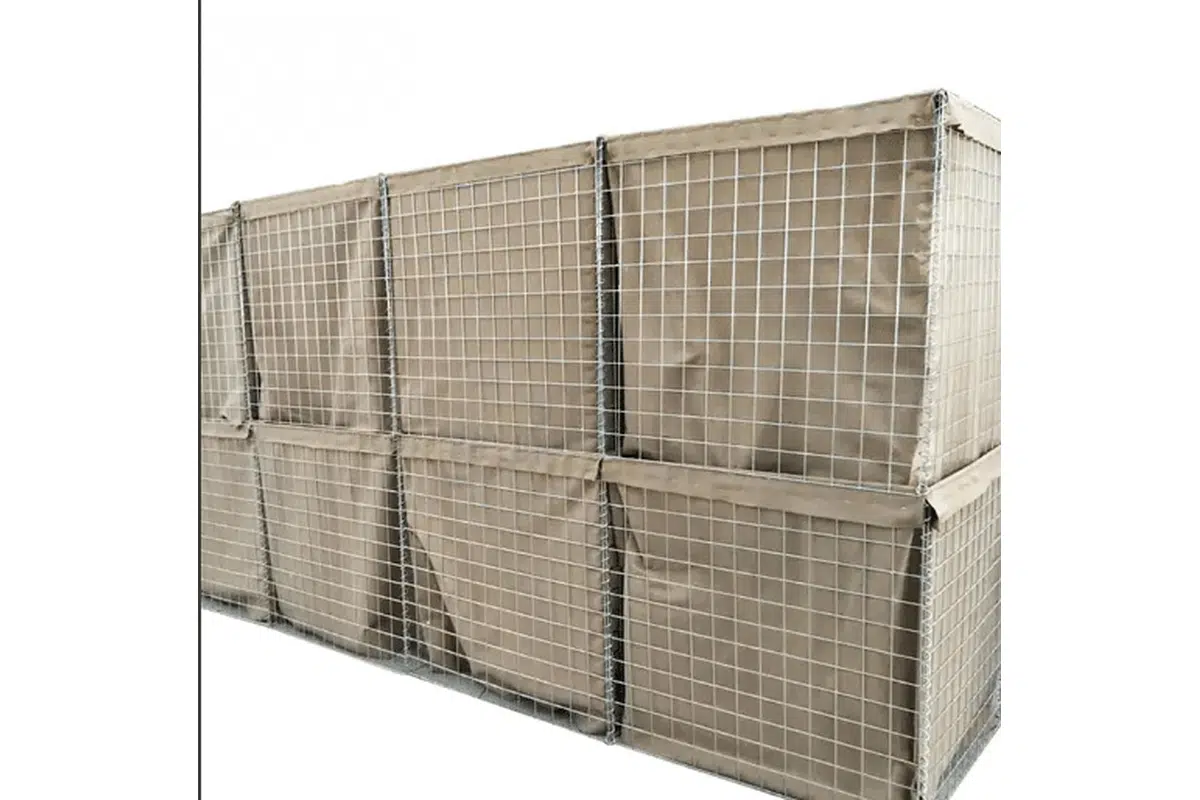
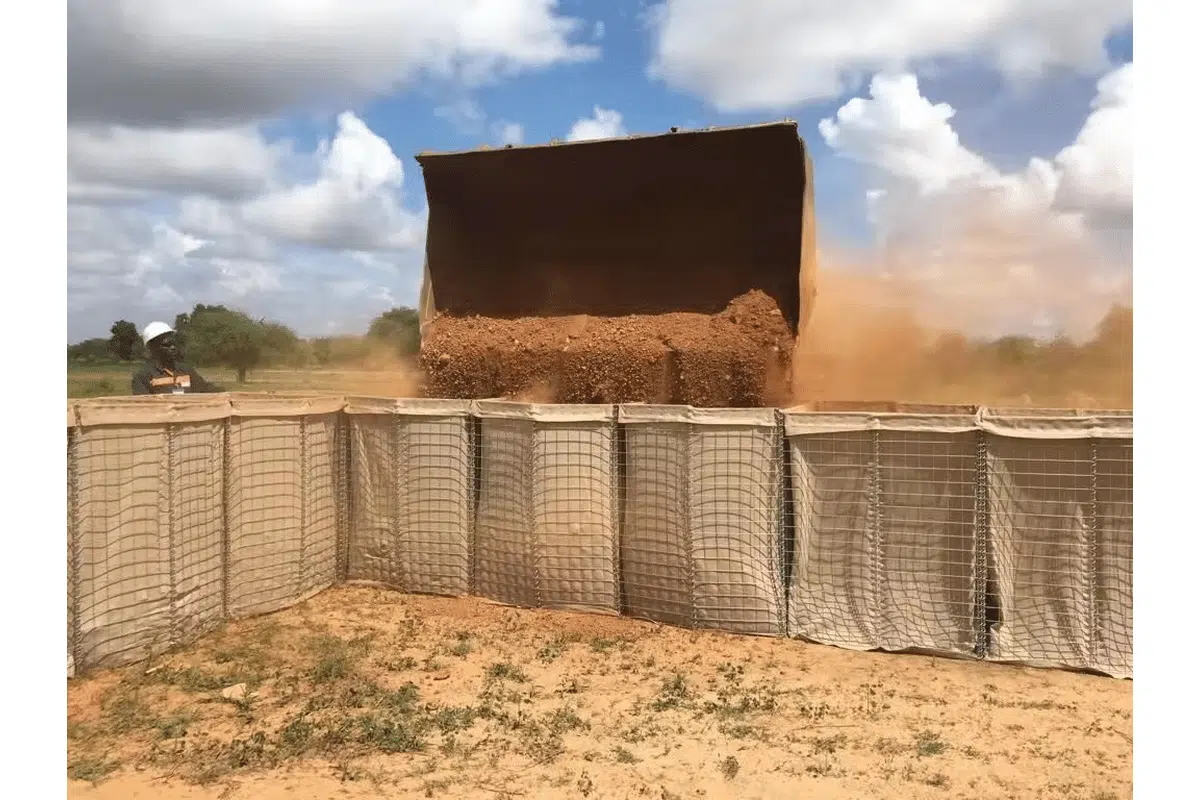
Defensive bastion barriers are often discussed as fillable welded mesh units with a liner. The product name alone is not enough for quotation. Buyers should specify the unit format and how it will be packed and counted.
Confirm:
- unit length, width and height;
- wire diameter and mesh opening;
- panel or unit format supplied by the factory;
- lining material and color if included;
- connection method and accessory list;
- coating or galvanized surface requirement;
- whether units are supplied flat, folded, nested or bundled;
- bundle quantity, bundle dimensions and label format.
Fill material should be treated as a project-side question. A supplier can describe general compatibility and product format, but site material, compaction, foundation and local handling method should be reviewed by the project team.
Anti-tank net fields to confirm
Anti-tank net inquiries require especially careful wording. Buyers can ask for product construction, roll size, wire details and packing. They should not ask the supplier to guarantee project results from a product photo or quotation.
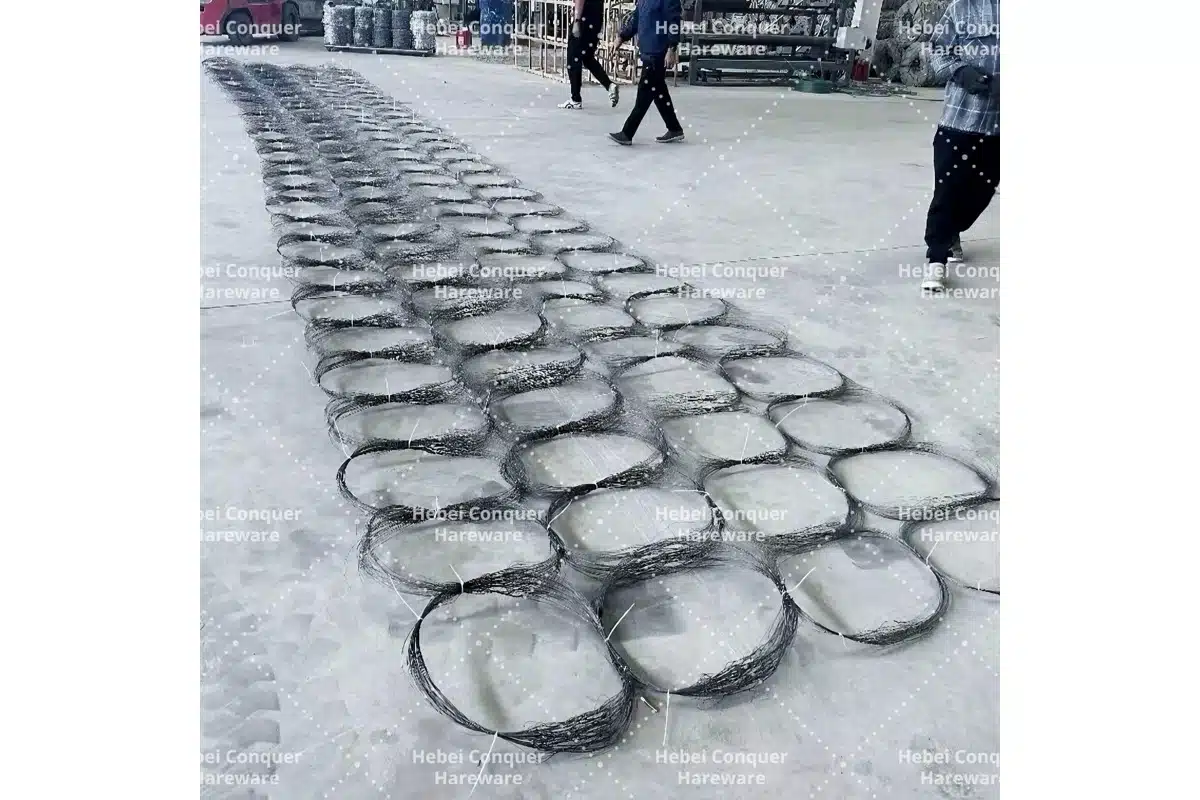
Useful RFQ fields include:
- roll or panel size;
- wire diameter and material;
- mesh opening or net structure;
- edge treatment and connection method if supplied;
- surface treatment or coating route;
- roll weight, bundle weight and packing dimensions;
- label and packing-list format;
- inspection photos needed before shipment.
Keep the wording neutral: ask what the product is, how it is made, how it is packed and what can be measured. Do not ask a general supplier to certify field performance unless a recognized test document and qualified review process exist.
Product evidence that can support a sourcing decision
For these products, useful evidence is practical and measurable. It should show that the shipped goods match the order, not that the project will perform in a particular field condition.
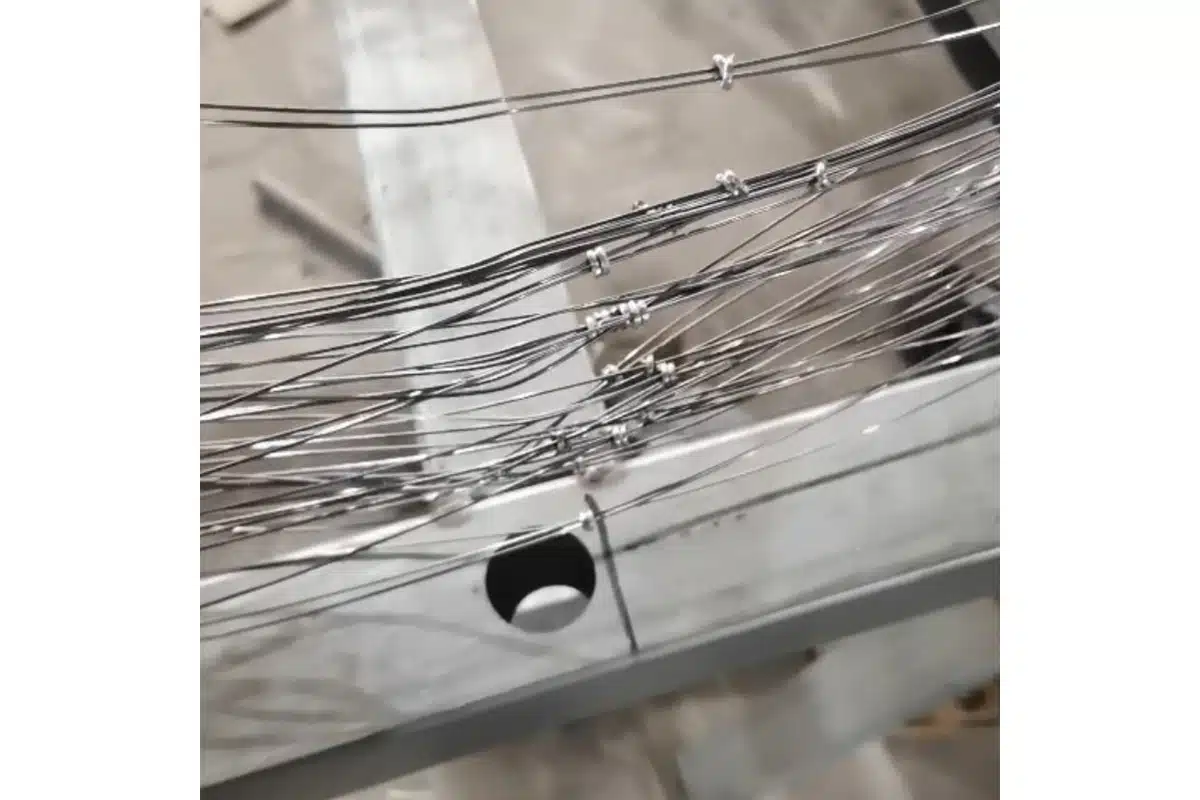
Ask for:
- dimension photos with measuring tape where appropriate;
- close-up photos of mesh, wire and connection details;
- coating or surface appearance photos;
- sample photos before mass production where required;
- packing overview with bundle or roll count;
- label close-ups with sensitive buyer data hidden;
- loading photos and seal record before shipment.
These records support receiving checks and after-arrival dispute documentation. They do not replace site approval, local legal review, engineering design or third-party certification when those are required.
Keep supplier proof and project approval separate
For sensitive barrier-product inquiries, buyers should keep three proof layers separate. Supplier proof can show what was produced and packed; project approval decides whether the product fits a local use case; receiving checks confirm what arrived. Mixing these layers creates unclear responsibility and weak documentation.
| Review layer | What it can answer | What it cannot answer |
|---|---|---|
| Supplier proof | Dimensions, mesh, lining, coating, labels and packing records | Legal use, project-level approval or field result |
| Project-side review | Site need, local rules, drawings and approval path | Factory packing count or shipment release details |
| Receiving check | Delivered quantity, labels, visible condition and package match | Field suitability or long-term project performance |
This separation lets the buyer ask sharper RFQ questions without pushing unsupported claims into the supplier quotation.
RFQ boundary table
Use this table to separate what a supplier can normally confirm from what must remain a project-side decision.

| Topic | Supplier can usually confirm | Buyer or qualified party should confirm | Proof to request |
|---|---|---|---|
| Product format | Unit, panel, roll or bundled format | Whether the format fits the project use | Product drawing and reference photo |
| Dimensions | Length, width, height, roll size or panel size | Project layout and site fit | Dimension photo or approved drawing |
| Mesh and wire | Wire diameter, mesh opening and material | Whether the specification meets project requirements | Close-up photos and material record |
| Lining or accessories | Liner type, connectors, stakes or accessory cartons if supplied | Whether the assembly plan is suitable | Accessory list and packing photos |
| Coating | Surface treatment and finish route | Environmental suitability and acceptance criteria | Coating photo or test document if required |
| Packing | Bundle count, pallet, roll, carton and labels | Site unloading and receiving plan | Packing list, labels and loading photos |
| Performance boundary | Product specification only | Legal use, certification and project performance | Qualified project documents |
Packing and shipment verification
Packing matters because these products can be bulky, heavy or difficult to count after loading. Buyers should confirm the packing method before production release.
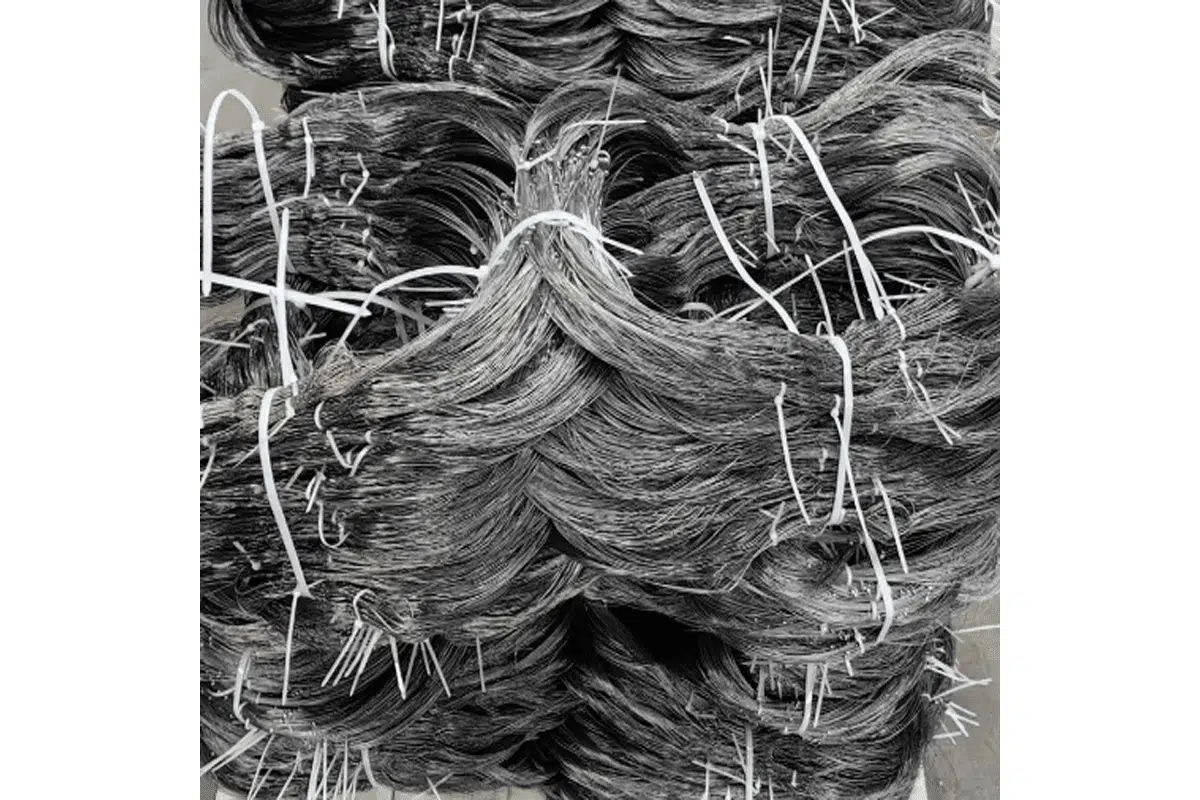
Useful packing questions:
- Are products shipped flat, folded, nested, rolled or bundled?
- How many units or rolls are in each bundle?
- What are the bundle dimensions and approximate weight?
- Are accessories packed separately?
- How are labels connected to the packing list?
- Which photos should show bundle count, roll count, accessory cartons and container seal?
Photos and documents create a record for receiving. They do not prove final project suitability and they do not replace arrival inspection.
When to compare related fence products
Some buyers compare defensive barrier products with other perimeter products. The comparison should be based on project role and RFQ fields, not performance promises.
Consider:
- defensive bastion barriers when the buyer needs a fillable barrier product inquiry;
- anti-tank net when the inquiry is about net structure, roll size, wire and packing fields;
- security fence when the project is mainly perimeter control or access separation;
- welded wire mesh when the buyer needs a general welded mesh material discussion.
Do not treat these products as interchangeable. Their structure, accessory list, packing method and approval boundaries differ.
Common RFQ mistakes to avoid
Avoid these problems before comparing supplier offers:
- asking for certified performance from a general product quotation;
- using a product name without dimensions, wire, mesh and packing fields;
- assuming fill material or site handling is controlled by the supplier;
- comparing flat-packed units and roll-packed nets as if they were the same format;
- asking for sensitive field-use claims in supplier email;
- ignoring local legal or project authority requirements;
- requesting proof photos but not defining which product groups must be visible.
The safer approach is to keep the RFQ measurable, neutral and document-based.
Frequently asked questions
Can a supplier guarantee project performance?
For a general product inquiry, no. The supplier can confirm product specifications and shipment records. Project performance depends on use case, local rules, site conditions, installation, fill material and qualified review.
What can be checked before shipment?
Buyers can check dimensions, wire diameter, mesh opening, coating appearance, unit count, roll count, accessory cartons, labels, packing list and loading photos. These checks support receiving, not project certification.
Should buyers request a sample?
For custom size, unfamiliar structure or first orders, a sample or pre-production photo review can reduce misunderstanding. The sample review should focus on measurable product fields.
Are defensive bastion barriers and anti-tank net the same product?
No. Defensive bastion barriers are usually discussed as fillable unit or panel systems. Anti-tank net is discussed as a net or mesh barrier product. Their packing, unit count, accessory needs and proof records can differ.
Prepare a cautious RFQ
For order-specific support, send product drawings, dimensions, mesh or wire requirements, liner or accessory needs, coating request and packing preference through the ANJIA inquiry page. ANJIA can review supply-side RFQ fields and proof records. Project approval, legal use and certified performance must remain with qualified project parties.
About ANJIA GROUP
ANJIA GROUP supplies wire mesh, fencing and related industrial products for global B2B buyers. Contact our team to discuss product specifications, matching accessories and export packing.
Discuss your sourcing requirements
Send your product requirements and any relevant drawings to our team.
Get a Free Business Quote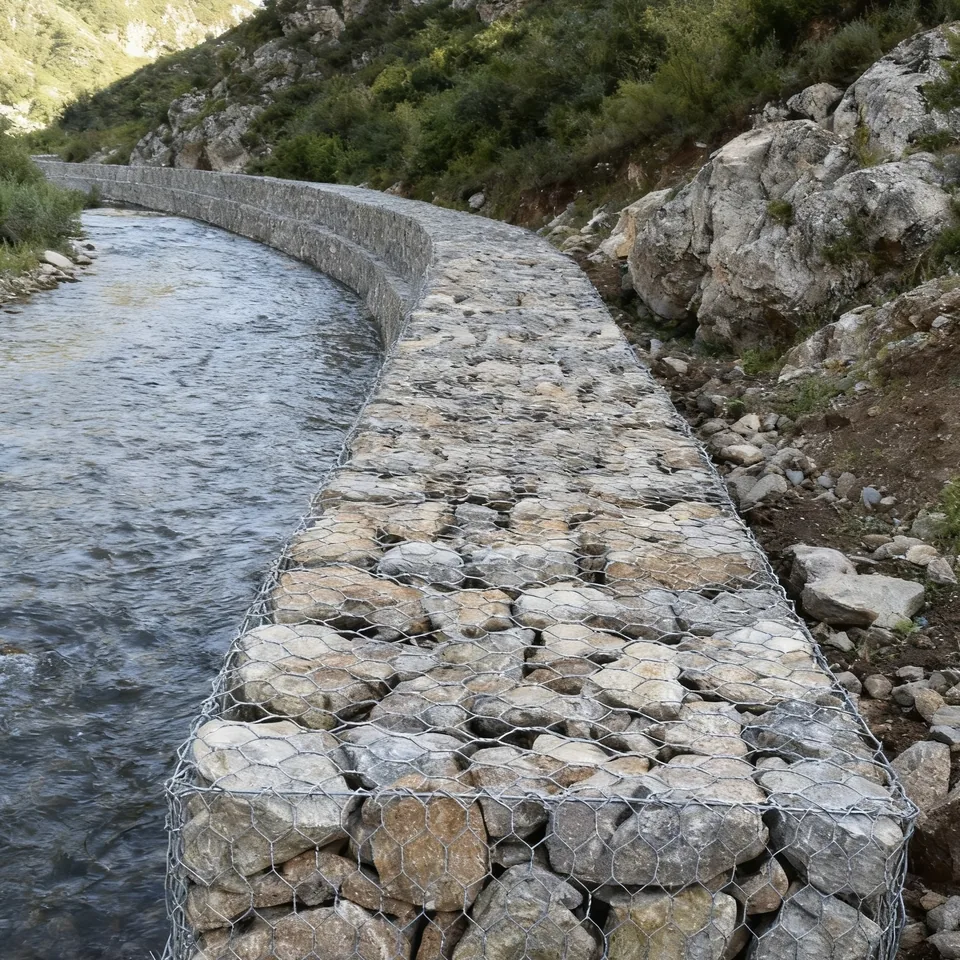 Defensive Bastion Barriers
 Anti-Tank Net
 Wire Mesh RFQ Specification Builder
 Buyer Tools Hub