
Cut Wire Buying Guide: Material, Diameter, Cut Length, Bundle Weight and Packing

Updated Jun 23, 2026
Confirm material, diameter, cut length, U type format, bundle weight, packing and destination before requesting cut wire price.
Table of contents
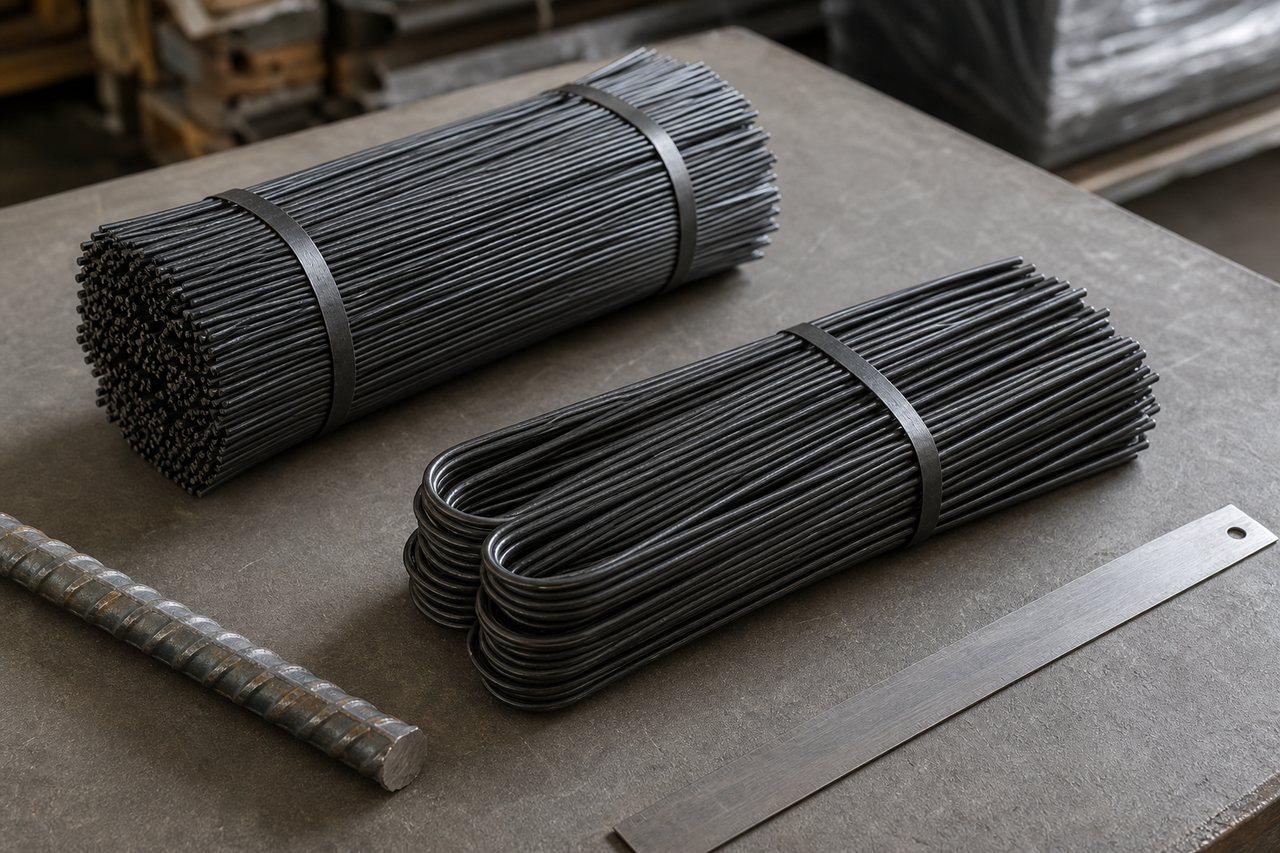
Cut wire is binding wire that has already been straightened, cut to fixed lengths and bundled for use on site. It is commonly used for rebar tying, gabion assembly support, packaging, mesh bundling and general fastening work.
For buyers, the most important point is simple: asking only for "binding wire" usually leads suppliers to quote coil wire. If the project needs straight cut wire or U type wire, the RFQ should state the format, material, diameter, cut length, bundle weight and packing method clearly.
What Cut Wire Is
Cut wire starts from coil wire. The wire is fed through straightening and cutting equipment, then packed in shorter pieces instead of continuous coils. This makes it easier for workers to pick up one piece at a time and repeat the same tying motion.
Straight cut wire is supplied as flat, straight pieces. Workers wrap each piece around the joint or bundle and twist the ends.
U type wire, sometimes called U wire or pre-bent tie wire, is cut wire formed into a U shape. It can be placed around a rebar intersection or other tying point more quickly because the wire is already bent.
| Format | How It Is Used | RFQ Note |
|---|---|---|
| Coil wire | Cut manually on site before tying | Confirm coil weight, softness and packing |
| Straight cut wire | Ready-to-use straight pieces for tying and bundling | Confirm cut length, bundle weight and tolerance |
| U type wire | Pre-bent wire for repeated tying work | Confirm total length, leg length, bend shape and bundle packing |
If the buyer is comparing cut wire with coil format, the binding wire buying guide is a useful companion article.
Material Choice: Black Annealed, Galvanized, PVC Coated or Stainless
Cut wire can be produced from different wire materials. The right choice depends on the application, exposure environment, surface expectation and project documents.
Black annealed cut wire is often selected when softness and easy hand tying are the priority. It is commonly used for construction tying, bundling and indoor or temporary fastening work. For material details, see the black annealed wire buying guide.
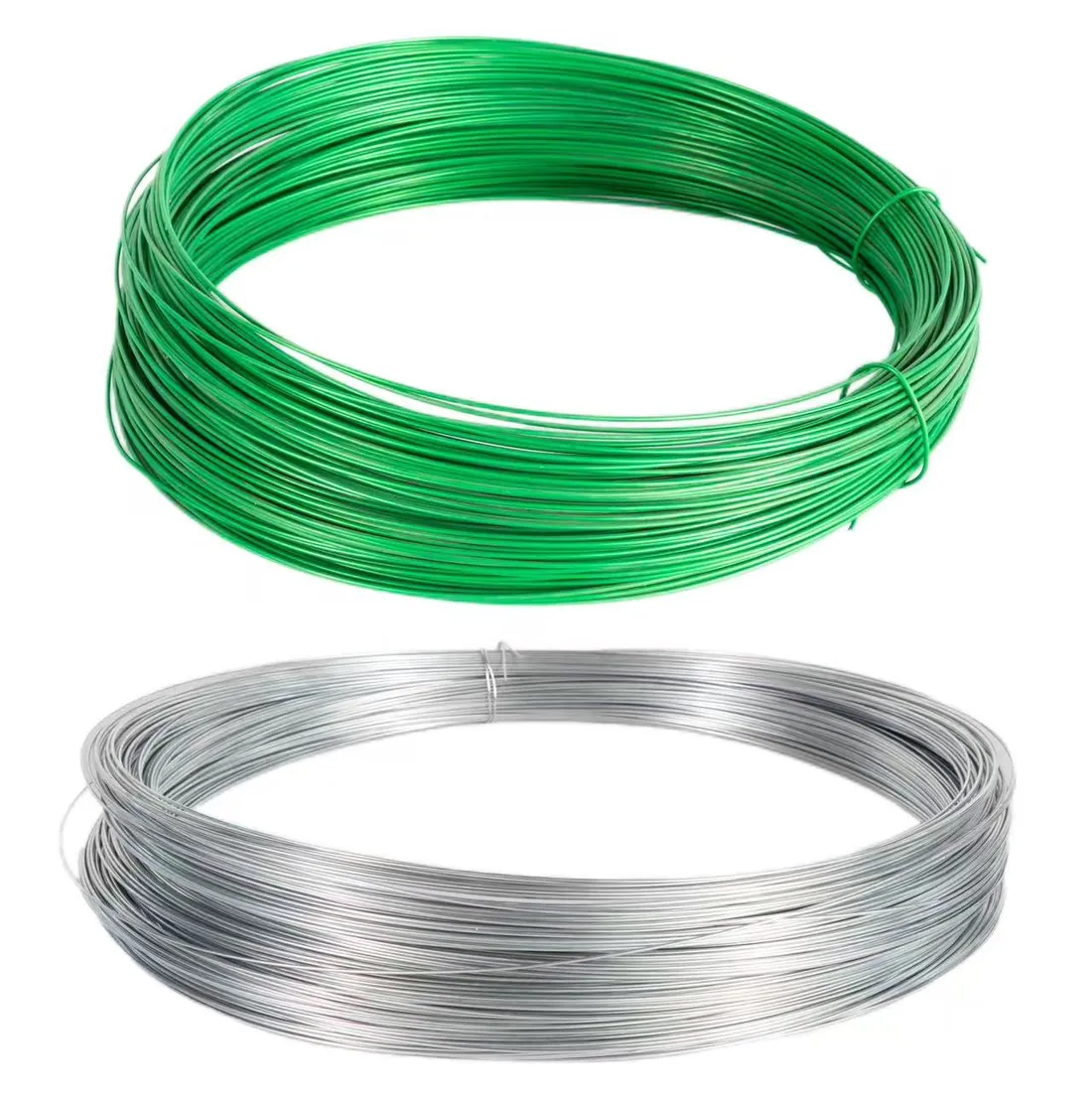
Galvanized cut wire is selected when the buyer needs a zinc-coated surface. It is more suitable for outdoor, farm, fence-related or general fastening work where surface protection matters. See also the galvanized iron wire buying guide.
PVC coated cut wire may be used when color, surface appearance or extra coating is part of the requirement. Buyers should confirm core diameter, finished diameter and color. For coating logic, read the PVC coated wire buying guide.
| Material | Typical Buyer Priority | What to Confirm |
|---|---|---|
| Black annealed wire | Softness and easy twisting | Diameter, cut length, oil condition and packing |
| Galvanized wire | Zinc-coated surface for outdoor or general use | Diameter, zinc basis, cut length and moisture protection |
| PVC coated wire | Color and coated surface | Core diameter, finished diameter, color and packing |
| Stainless steel wire | Special corrosion or clean-use requirements | Grade, diameter, surface, cut length and application |
Diameter, Cut Length and Tolerance
A cut wire RFQ should state the wire diameter in metric size, gauge, or both. Gauge names can vary by market, so adding the millimeter diameter helps avoid conversion mistakes.
Cut length is the key specification. For tying work, the wire must be long enough to wrap around the joint and leave enough tail for twisting. If the piece is too short, workers cannot tie securely. If it is too long, it creates waste and slows down handling.
| RFQ Field | What to Send | Why It Matters |
|---|---|---|
| Diameter | Gauge and/or metric diameter | Controls strength, softness and weight calculation |
| Cut length | Length in millimeters | Defines usability and material consumption |
| Tolerance | Buyer requirement or supplier normal tolerance | Helps keep pieces consistent during repeated tying |
| Format | Straight cut or U type | Changes machine setup, handling and packing |
For U type wire, confirm whether the buyer means total developed length or visible leg length after bending. This detail prevents misunderstandings when comparing supplier quotations.
Application Scene: Rebar Tying and Construction Binding
Cut wire is often ordered when the same tying action will be repeated many times. Rebar tying is a typical example: the worker can take one pre-cut piece, place it around the intersection and twist it without cutting from a coil each time.
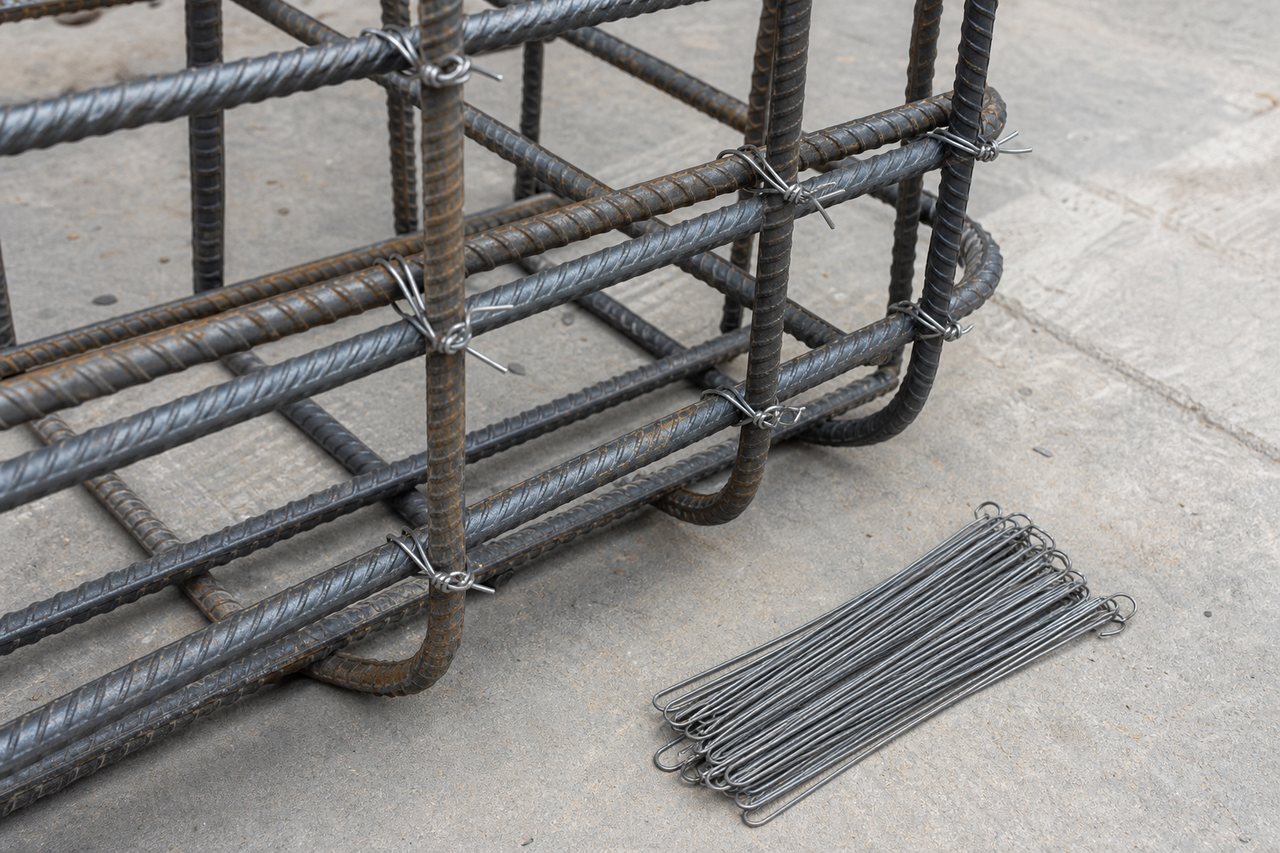
For construction use, describe the rebar size, tying method and whether the wire will be used by hand, pliers or another tool. For packaging or mesh bundling, describe the bundle size, tension requirement and whether the tied product will be stored indoors or outdoors.
Bundle Weight and Pieces Per Bundle
Cut wire is usually packed in small bundles or bags so workers can carry and distribute it easily. The best bundle weight depends on how the buyer uses the wire.
Small bundles are convenient for workers and retail handling. Larger bundles can be better for bulk project supply or distributor stock. When requesting price, state whether the buyer wants pieces per bundle, kilograms per bundle, or both.
| Bundle Detail | Buyer Should Confirm |
|---|---|
| Bundle weight | Weight per small bundle, bag, carton or pallet |
| Pieces per bundle | Useful when the project counts ties or retail packs |
| Inner packing | Paper strap, rubber band, plastic wrap, bag or carton |
| Outer packing | Carton, woven bag, pallet, plywood cover or container loading plan |
Export Packing and Label Checklist
Cut wire needs stable packing because straight pieces can bend during transport and cut ends may damage weak wrapping. For export orders, buyers should confirm inner bundle protection, outer packing, pallet plan, label and loading proof.
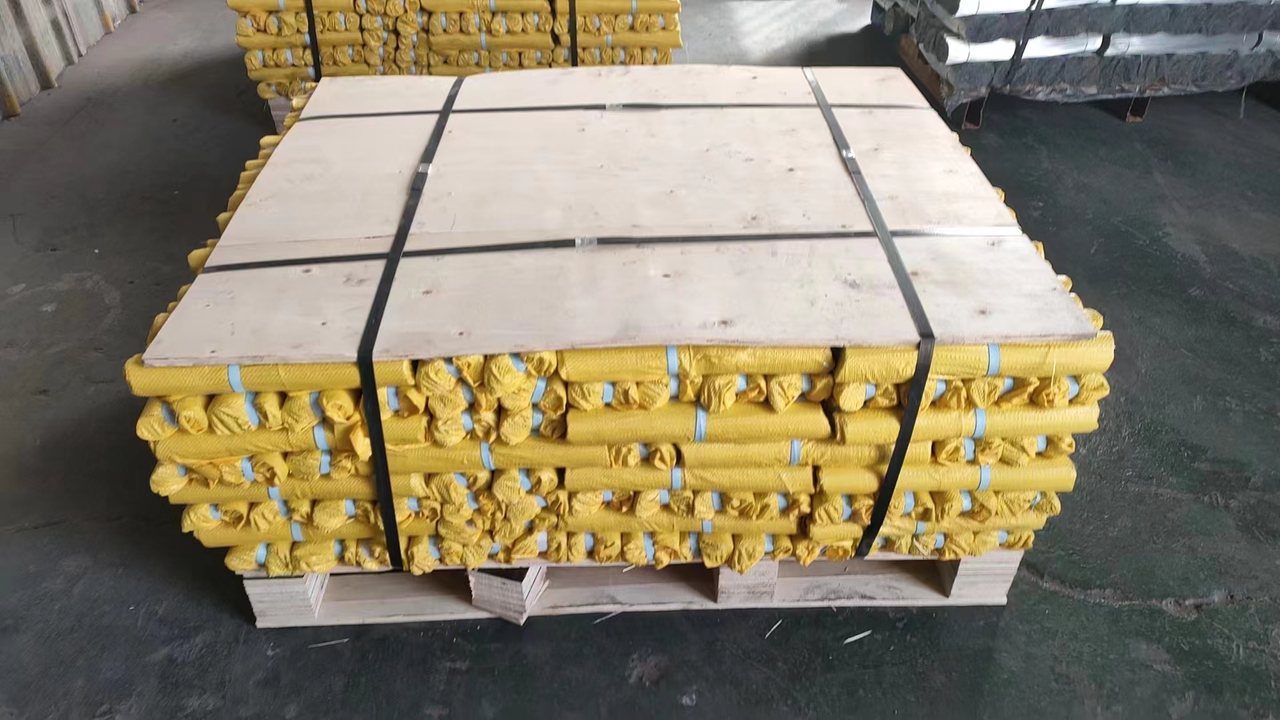
The packing photo above shows a palletized export packing style with bundled wire protected by a top plywood board and strapping. For larger orders, ask the supplier to provide packing photos before shipment, especially when the goods will be mixed with mesh rolls, fence panels or other wire products.
For broader shipment planning, use the export packing checklist to review labels, pallets, accessories, moisture protection and loading proof.
Cut Wire RFQ Checklist
To receive comparable quotations, send the supplier a complete cut wire specification:
| RFQ Field | What to Send |
|---|---|
| Material | Black annealed, galvanized, PVC coated, stainless or other basis |
| Diameter | Gauge and/or metric diameter |
| Format | Straight cut wire or U type wire |
| Cut length | Length in mm, plus tolerance if required |
| Wire condition | Softness, surface oil, zinc basis, PVC color or other surface note |
| Bundle plan | Bundle weight, pieces per bundle, bag/carton/pallet preference |
| Quantity | Trial order, pallet order, container order or repeat program |
| Destination | Country, port and any storage or climate requirement |
Frequently Asked Questions
Is cut wire the same as binding wire?
Cut wire is one supply format of binding wire. Binding wire can be supplied in coils, spools, straight cut pieces or U type pieces. The buyer should specify the exact format in the RFQ.
When should I choose U type wire instead of straight cut wire?
U type wire is useful when the tying action is repetitive and the buyer wants the wire pre-bent before use. Straight cut wire is more flexible for general binding, packaging and mixed fastening jobs.
Can cut wire be packed by piece count instead of bundle weight?
Yes, but piece count depends on diameter and cut length. For export orders, it is often clearer to confirm both bundle weight and approximate pieces per bundle.
What should I send for a faster cut wire quote?
Send material, diameter, cut length, format, bundle weight, packing, quantity and destination. If you have a sample photo, old label or drawing, include it with the inquiry.
Can cut wire be loaded together with other wire mesh products?
Yes. Cut wire can be included in mixed-container shipments with wire mesh rolls, fence materials or related wire products. The packing and loading plan should separate different products clearly and protect bundles from bending or moisture.
Conclusion: Specify the Format Before Comparing Price
Cut wire sourcing becomes easier when the buyer treats format as a real specification. A clear RFQ should state whether the product is straight cut wire or U type wire, then confirm material, diameter, cut length, bundle weight, packing, quantity and destination.
If you are preparing a project order or repeat purchase, send your cut wire specification with material, diameter, length, packing and destination details.
About ANJIA GROUP
ANJIA GROUP supplies wire mesh, fencing and related industrial products for global B2B buyers. Contact our team to discuss product specifications, matching accessories and export packing.
Discuss your sourcing requirements
Send your product requirements and any relevant drawings to our team.
Get a Free Business Quote Cut Wire
 Galvanized Iron Wire
 Wire Mesh RFQ Specification Builder
 Wire Mesh Weight Calculator