
Binding Wire Buying Guide: Gauge, Softness, Coil Weight, Surface and Packing

Updated Jun 24, 2026
Compare binding wire by material, diameter, softness, coil format, surface condition, packing and destination before requesting price.
Table of contents
Binding wire describes a job rather than one single product. It is used to tie, bind, lash or secure materials together: rebar cages, mesh bundles, farm materials, packaging loads, gabion accessories and many other general fastening jobs.
For B2B buyers, the important point is that "binding wire" is not enough for a fair quotation. The buyer still needs to confirm material, diameter, softness, coil format, surface condition, packing and destination.
Quote binding wire by use, weight and proof
The fastest way to make a binding wire inquiry comparable is to connect the final use with the coil basis. A buyer who needs hand tying for rebar, a distributor coil for resale, a spool for machine feeding and a wire bundle for mixed container loading may all use the same product name, but they are not asking for the same supply condition.
Weight is a practical cross-check because binding wire is usually bought and shipped by metal weight. Coil weight, spool weight, bundle weight and total shipment weight help the supplier check whether the quoted diameter, material, surface treatment and packing method are realistic. If a previous order label or receiving record is available, include it with the RFQ so the supplier can compare the new request with a known basis.
Proof should also match the buying stage. Before order, sample photos or a previous coil label can support material and packing discussion. Before shipment, packing photos, pallet labels and loading photos can support receiving checks. These records are useful evidence, but they do not replace agreed specifications, purchase order terms or destination inspection when the buyer has strict acceptance requirements.
For repeat orders, keep a simple reference sheet with material, diameter, coil weight, surface condition, packing style, label wording and destination. Using the same sheet for every supplier reduces price-comparison mistakes and helps ANJIA confirm whether a quotation is based on black annealed, galvanized, PVC coated or cut binding wire.
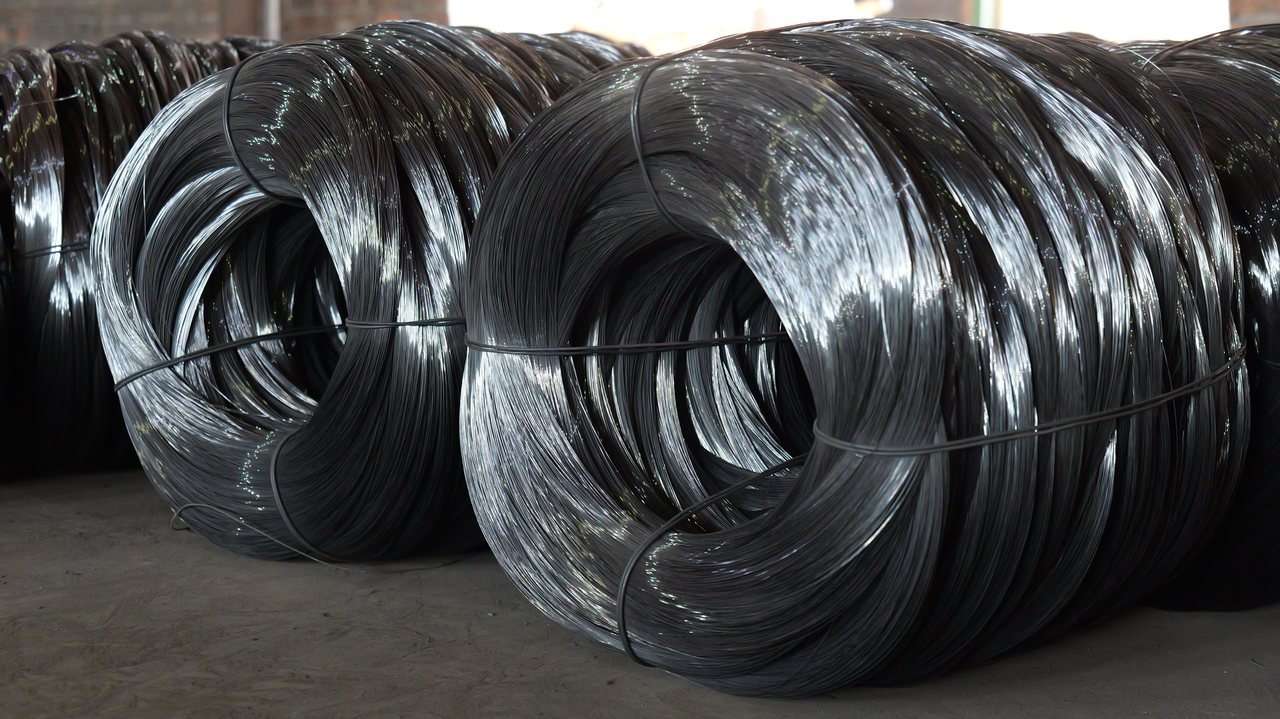
What Binding Wire Is Used For
Binding wire is commonly used for construction tying, agricultural fastening, packaging, mesh bundling, fence installation support and light assembly work. The application decides whether the buyer should choose black annealed wire, galvanized wire, PVC coated wire or cut wire.
For rebar tying and hand binding, softness and easy twisting are usually the priority. For outdoor binding or fence-related use, surface protection becomes more important. For garden or visible use, color and surface appearance may also matter.
Material Choice: Black Annealed, Galvanized or PVC Coated
Black annealed wire is often selected when softness and hand-tying efficiency matter most. It is a common choice for rebar tying, bundling and general indoor or temporary binding work. Buyers should confirm surface oil, storage condition and packing method before bulk orders. See also the black annealed wire buying guide.
Galvanized iron wire is selected when a zinc-coated surface is required. It can support outdoor, agricultural, fence-related or general fastening work where the buyer wants more surface protection than black annealed wire. For wire basis and packing notes, read the galvanized iron wire buying guide.
PVC coated wire is useful when color, surface appearance or an extra coated layer is part of the requirement. It is often considered for garden, farm, fencing and visible binding uses. For the two-layer specification logic, see the PVC coated wire buying guide.
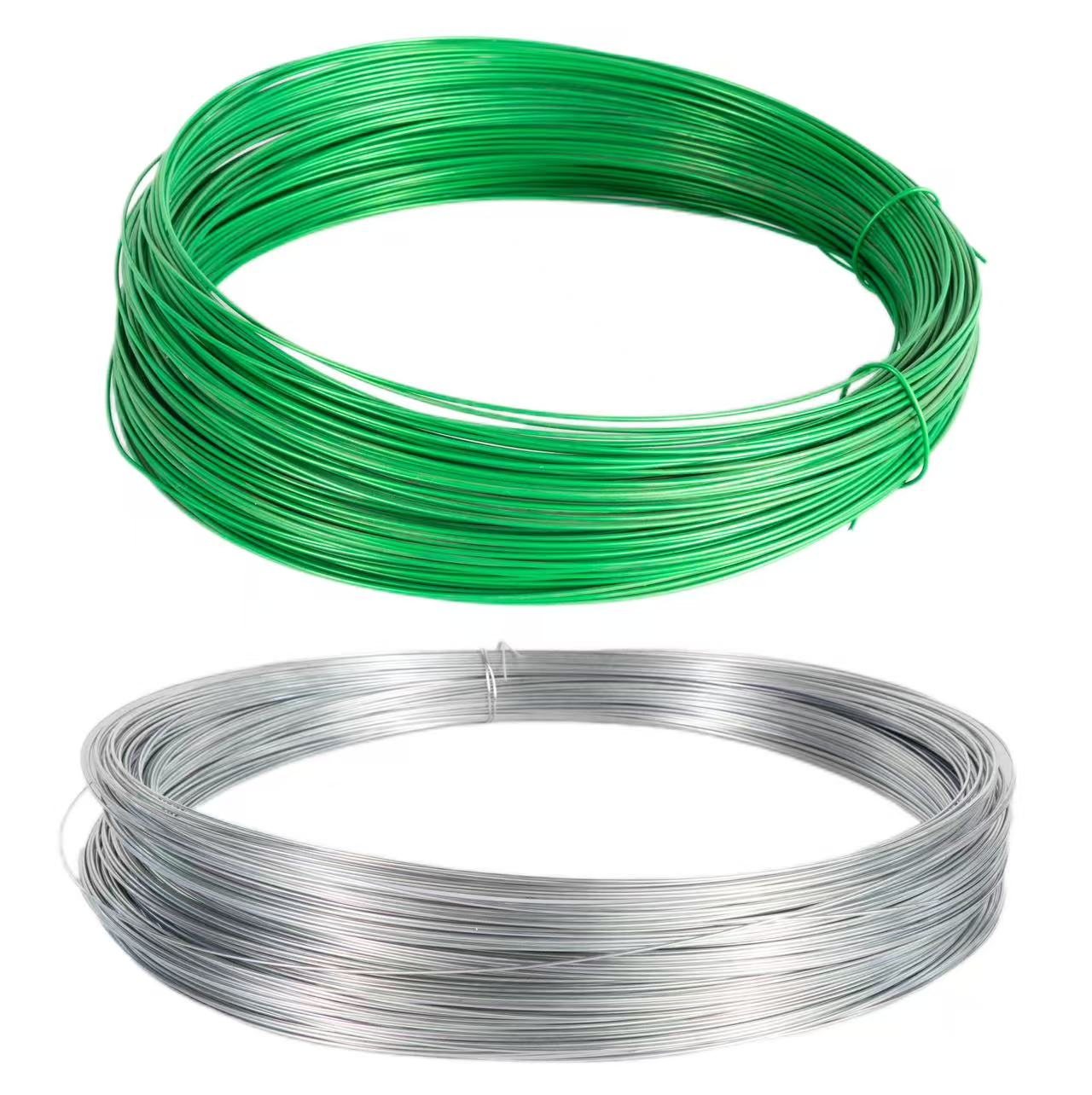
| Material | Typical Buyer Priority | Quotation Note |
|---|---|---|
| Black annealed wire | Softness, easy twisting and general tying | Confirm diameter, surface oil, coil weight and packing |
| Galvanized iron wire | Zinc-coated surface for outdoor or general fastening use | Confirm wire diameter, zinc basis, coil weight and moisture protection |
| PVC coated wire | Color, appearance and coated surface | Confirm core diameter, finished diameter, color and coating expectation |
| Cut wire | Ready-to-use straight lengths | Confirm length, bundle weight, tolerance and packing |
Gauge, Diameter and Softness
A binding wire RFQ should state either wire gauge or metric diameter. If the buyer uses a local gauge system, it is still helpful to add the approximate millimeter diameter to avoid conversion mistakes.
Softness also needs to match the job. Hand-tying normally needs wire that bends and twists easily. Machine feeding, baling or tension use may require a different balance of softness and strength. Instead of asking only for "soft wire", describe the final use and whether the wire will be tied by hand, pliers or machine.
| RFQ Field | What to Confirm | Why It Matters |
|---|---|---|
| Gauge or diameter | Local gauge plus metric diameter when possible | Reduces conversion and quotation mistakes |
| Wire condition | Hand tying, pliers tying, machine feeding or baling | Helps the factory quote the correct softness and strength basis |
| Final application | Rebar tying, bundling, fence support, agriculture or packaging | Connects material choice to real use |
Coil Weight, Spool Format or Cut Wire
Binding wire can be supplied in small coils, medium coils, large spools or cut lengths. The best format depends on how the buyer will use and resell the wire.
Small coils are easier for manual work and retail packing. Medium coils are practical for construction sites and distributor stock. Larger spools may be better for continuous processing or machine feeding. Cut wire is useful when workers need ready-to-use straight lengths.
| Format | Useful For | Buyer Should Confirm |
|---|---|---|
| Small coil | Manual tying, retail and job-site use | Coil weight, label and outer packing |
| Medium coil | Distributor stock and construction supply | Handling method, inner wrap and pallet plan |
| Large spool | Machine feeding or factory processing | Spool size, feeding requirement and equipment compatibility |
| Cut wire | Ready-to-use straight tying lengths | Length, bundle weight and tolerance |
Surface Condition and Storage
Surface condition should be written clearly in the order. Black annealed wire may need oil protection and dry storage. Galvanized wire should be protected from moisture and condensation during long shipment. PVC coated wire should avoid heavy compression or rough handling that may mark the coating.
The quotation should also confirm inner wrapping, outer packing, labels and whether pallets are needed. For mixed shipments with fence or mesh products, ask the supplier to keep different wire types separated and clearly labeled.
Export Packing Checklist
Packing affects unloading, storage, resale and shipment protection. For binding wire orders, confirm coil weight or spool weight, inner plastic film, woven bag, carton or pallet, shipping mark and buyer label.
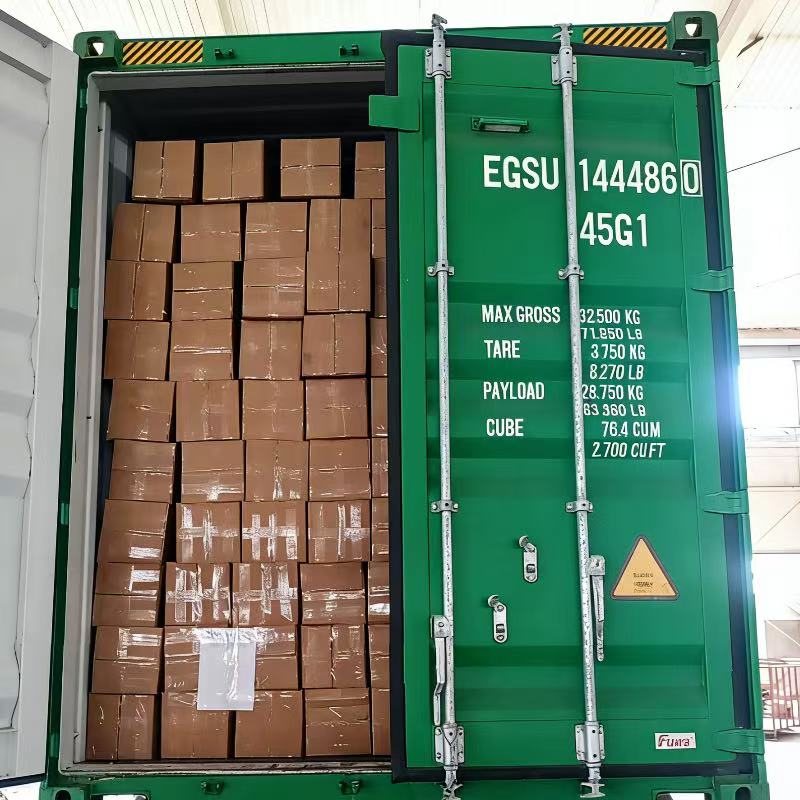
If the order includes mixed wire products, request clear separation and loading photos before shipment. For general shipment preparation, the wire mesh fence export packing checklist can be used as a companion guide.
Binding Wire RFQ Checklist
Before requesting a price, send these details:
| RFQ Field | What to Send |
|---|---|
| Material | Black annealed, galvanized, PVC coated or other basis |
| Diameter | Gauge and/or metric diameter |
| Softness | Hand tying, pliers tying, machine feeding or baling use |
| Coil format | Small coil, medium coil, spool, cut wire or bundle |
| Surface | Oil, zinc coating, PVC color or other surface requirement |
| Packing | Inner wrap, outer bag, carton, pallet, label and shipping mark |
| Quantity | Trial order, pallet order, container order or repeat program |
| Destination | Country, port and any storage or climate requirement |
Frequently Asked Questions
Is binding wire the same as black annealed wire?
Not always. Black annealed wire is one common material choice for binding wire, but galvanized wire, PVC coated wire and cut wire can also be used for binding depending on the application.
Which binding wire is best for rebar tying?
For many standard rebar tying jobs, buyers focus on soft black annealed wire because it is easy to twist by hand. If the project has exposure, coating or document requirements, galvanized wire may be considered. The final choice should follow project documents and site conditions.
What is the difference between binding wire and baling wire?
Binding wire usually emphasizes tying and fastening. Baling wire usually needs to hold compressed materials and may require a different wire condition. Buyers should describe the end use instead of relying only on the product name.
Should I choose small coils or large spools?
Small coils are easier for hand use and resale. Large spools can be more efficient for machine feeding, factory use or bulk processing. Confirm how the wire will be handled before choosing the packing format.
What should I send for a faster quotation?
Send material, diameter, softness or final use, coil weight, surface requirement, packing, quantity and destination. If you have a previous order photo or sample label, include it with the RFQ.
Conclusion: Match Binding Wire to the Application First
Binding wire is easier to source when the buyer starts with the application and then confirms the material, diameter, softness, coil format and packing. A clear RFQ helps suppliers quote the same product basis and reduces avoidable comparison mistakes.
If you are preparing a container order or repeat purchase, send your binding wire specification with material, diameter, coil weight, surface and destination details.
About ANJIA GROUP
ANJIA GROUP supplies wire mesh, fencing and related industrial products for global B2B buyers. Contact our team to discuss product specifications, matching accessories and export packing.
Discuss your sourcing requirements
Send your product requirements and any relevant drawings to our team.
Get a Free Business Quote Binding Wire
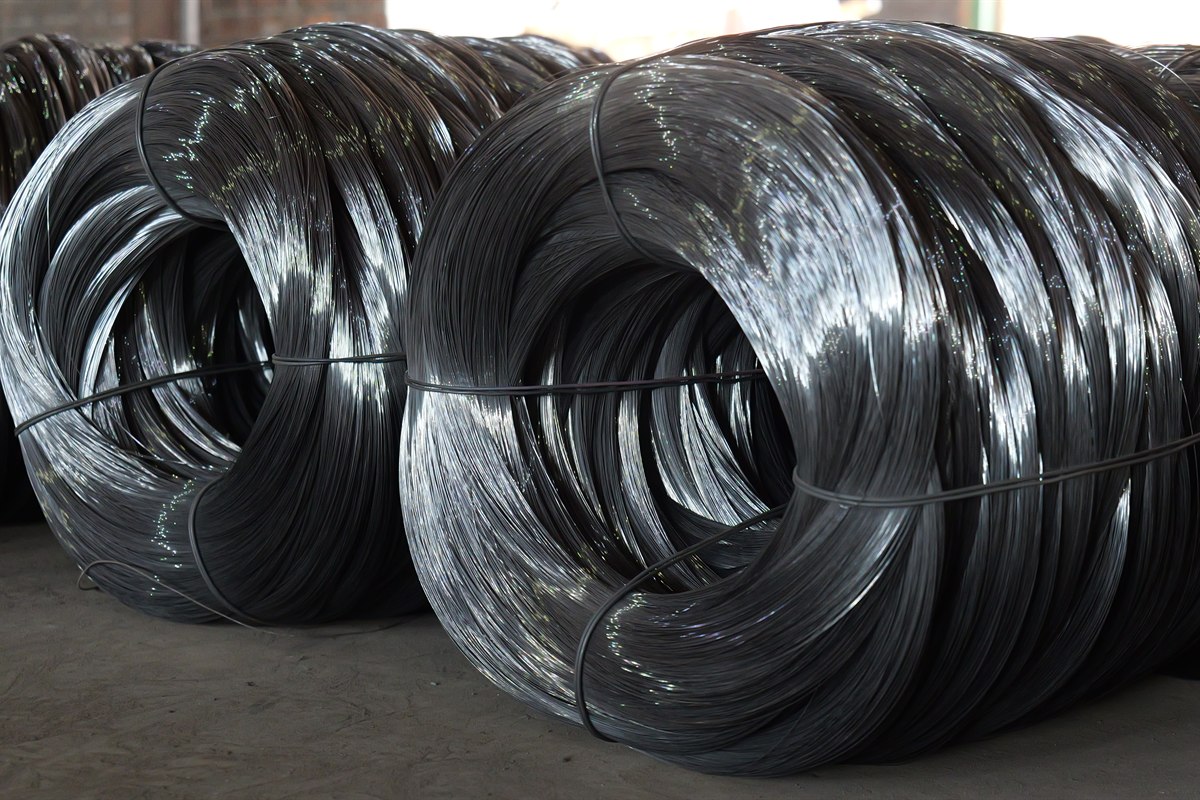 Black Annealed Iron Wire
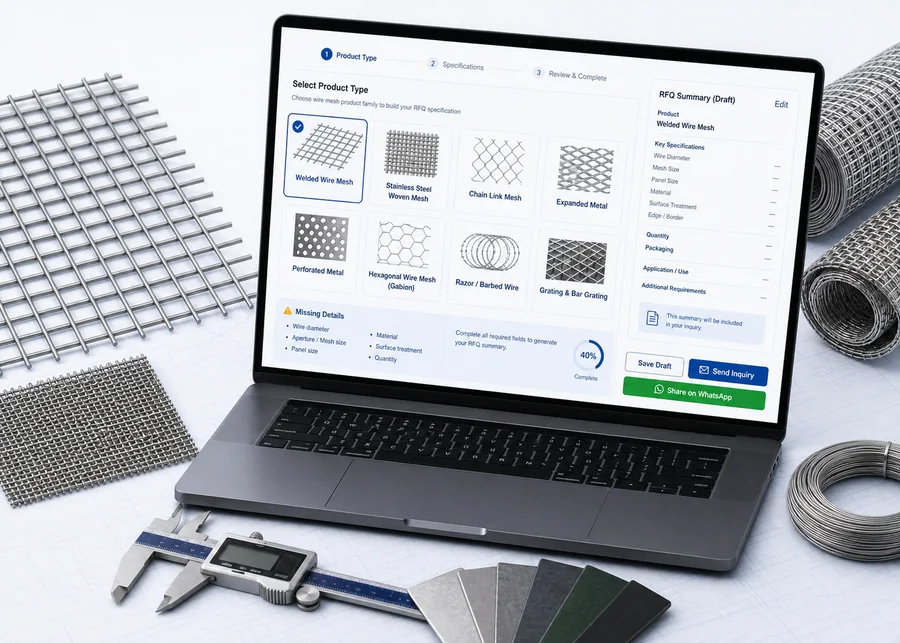 Wire Mesh RFQ Specification Builder
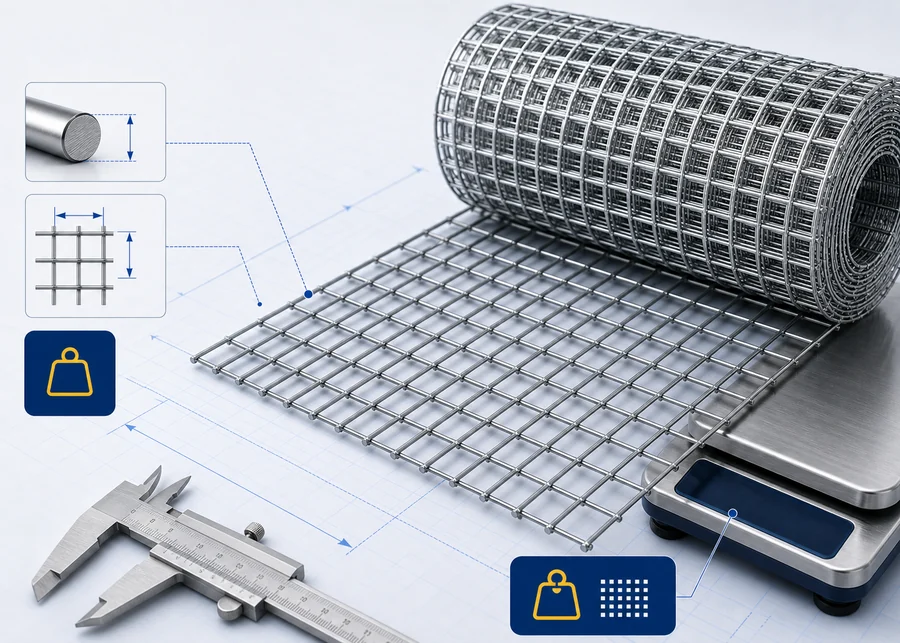 Wire Mesh Weight Calculator