
ANJIA Adds a 63-Ton Deep-Throat Punching Press for Custom Perforated Metal Sheets
ANJIA adds a 63-ton deep-throat punching press for custom perforated metal sheet RFQs, with confirmed hole, thickness and sheet-format review windows.
Table of contents
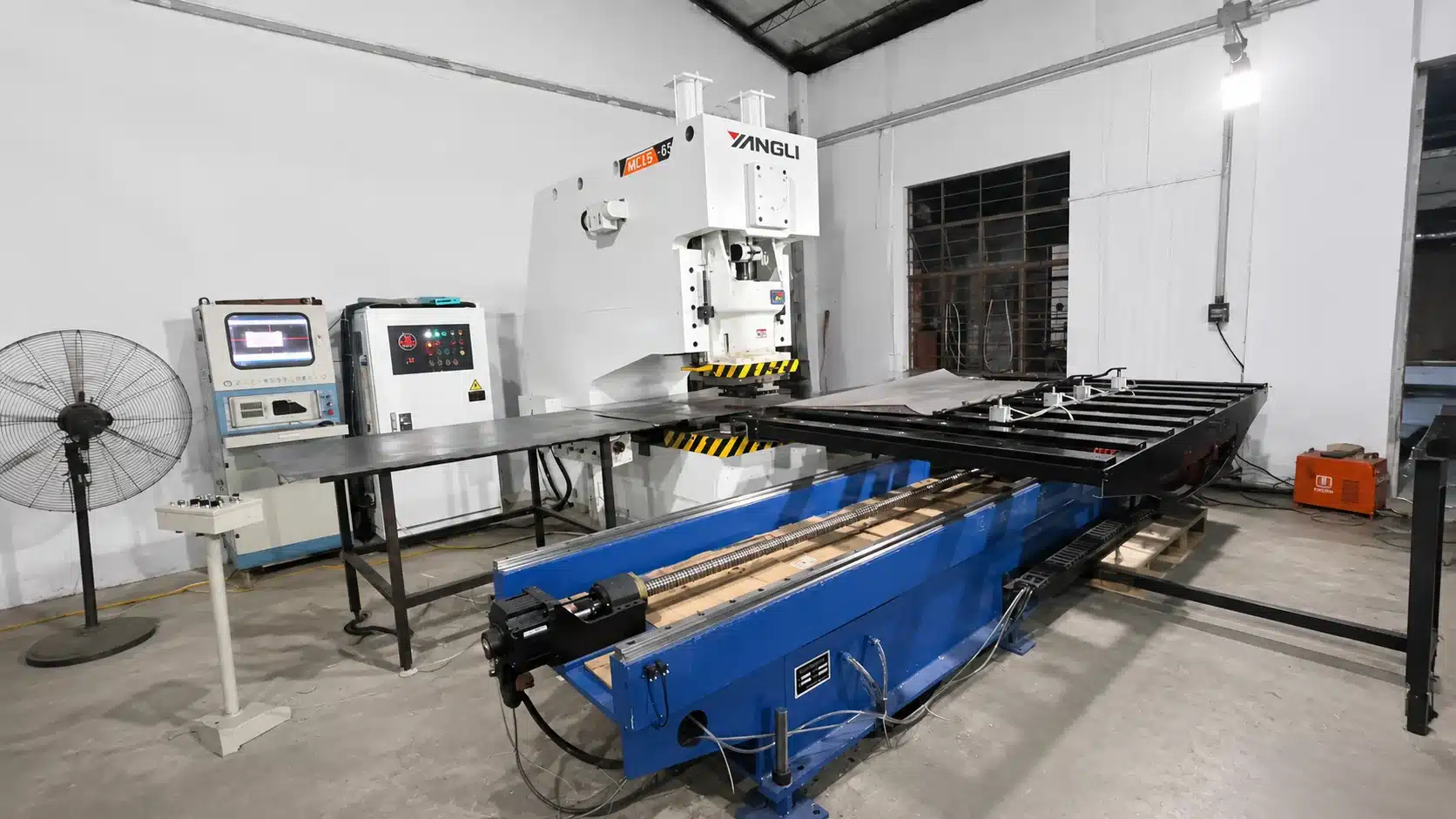
ANJIA has added a 63-ton deep-throat punching press to its Guangzhou Baiyun production site for custom perforated metal sheets. The open-front, single-point press configuration has a 1250 mm throat depth, is configured at 120 strokes per minute (SPM) and is paired with a 3100 mm sheet-feeding system. For buyers preparing a perforated sheet RFQ, the addition creates a clearer starting point for discussing material, perforation pattern, sheet thickness, sheet format and downstream fabrication requirements. Learn more about the group behind this update on the About ANJIA page.
The equipment is intended for perforated sheet projects in galvanized steel sheet, cold-rolled steel sheet, aluminium sheet, stainless steel sheet and other compatible ferrous sheet grades subject to order review. Confirmed operating windows include perforation diameters from 1.5 mm to 30 mm, sheet thickness from 0.5 mm to 3 mm, and common sheet widths of 1000 mm, 1250 mm and 1500 mm. Sheet lengths from 2000 mm to 3200 mm can be reviewed with the drawing and feeding arrangement.
What Has Been Added to ANJIA's Perforated Sheet Production Capability?
The new equipment is a 63-ton deep-throat, open-front single-point punching press for perforated sheet work. In press terminology, this open-front frame is also known as a C-frame or gap-frame configuration. Its 1250 mm throat depth gives the production team additional room to position sheet material during punching, while the 3100 mm sheet-feeding system supports longer-sheet handling within the confirmed setup.
| Equipment or production field | Current confirmed information |
|---|---|
| Equipment | 63-ton deep-throat punching press |
| Throat depth | 1250 mm |
| Configured stroke rate | 120 SPM |
| Sheet-feeding system | 3100 mm |
| Reference daily processing range | 300–400 m² |
| Hole diameter range | 1.5–30 mm |
| Sheet thickness range | 0.5–3 mm |
| Common sheet widths | 1000 mm, 1250 mm, 1500 mm |
| Sheet length review range | 2000–3200 mm, subject to drawing and feeding confirmation |
The reference daily processing range is an equipment-level planning figure, not a delivery promise. Actual output changes with material type, thickness, hole diameter, pitch, open-area pattern, edge margins, tooling, changeovers and inspection requirements.
Equipment Capability in Context
The stated machine configuration and processing window in this update come from ANJIA's Guangzhou Baiyun equipment addition and are supported by the production photographs shown on this page. They help a buyer begin a feasibility discussion; they do not by themselves confirm that a particular drawing, finished panel, material grade, hole pattern or order quantity can be produced exactly as requested. ANJIA reviews the drawing, material, thickness, hole layout, forming requirements, inspection points and packing plan before confirming an order-specific production route, output plan or finished-part requirement.
Perforated Sheet Materials and Custom Hole Requirements
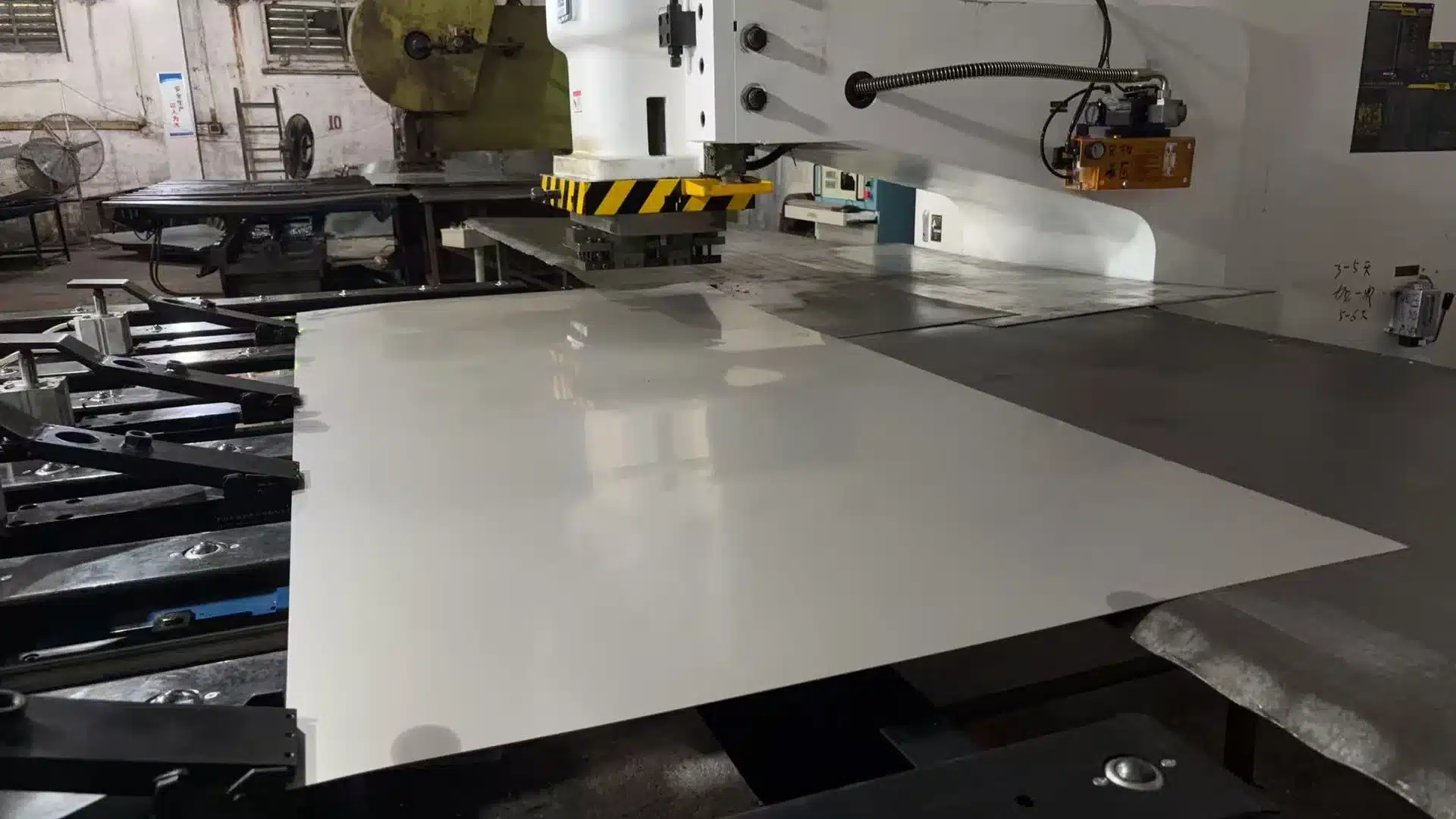
Perforated metal starts with a buyer's material and drawing decision. Galvanized steel sheet and cold-rolled steel sheet may be considered for painted, fabricated or general industrial panels. Aluminium perforated sheet can be discussed for lightweight architectural, interior or equipment-panel requirements. Stainless steel perforated sheet is often reviewed where a buyer specifies stainless material, surface condition or application-specific corrosion considerations.
Hole diameter alone is not enough for a comparable quotation. A useful RFQ identifies whether the pattern is round, square, slotted or another agreed shape; it also records hole diameter or dimensions, pitch, open area where relevant, edge margins, sheet flatness expectations and any later bending, welding, framing or coating steps. Buyers can use ANJIA's perforated metal sheet page and the hole-pattern RFQ guide to organize those fields before sending a drawing.
Applications for Perforated Metal Sheets
The same machine capability can support several product directions, but each application has its own specification and acceptance requirements.
| Application direction | Typical perforated-sheet discussion |
|---|---|
| Hospital and public-building ceiling panels | Material, perforation pattern, panel dimensions, finish, edge treatment and the buyer's applicable project requirements, including any separately specified acoustic backing or performance criteria |
| Furniture panels and protective facings | Sheet thickness, regular appearance, bending or fixing points, finish and packing protection |
| Machine covers, equipment enclosures and guard panels | Perforation pattern, sheet format, forming needs, fixing details and the responsible buyer's safety requirements |
| Perforated seating components | Pattern layout, panel size, forming sequence, edge treatment and surface finish |
| Ventilation, screening and filter-support panels | Aperture pattern, material, sheet thickness, panel format and application-specific airflow or filtration criteria supplied by the buyer |
| Mesh guards, partitions and perimeter-fence infill panels | Panel dimensions, frame or post connection, edge treatment, finish and installation drawing |
| Architectural and decorative panels | Visual pattern, material, finish, edge margin, panel layout and approved sample expectations |
These examples describe sourcing and fabrication directions. They do not establish hospital, machinery, filtration, structural, acoustic, safety or code compliance for a particular project. The purchaser, designer or responsible project party should define the applicable performance and approval requirements.
From Drawing Review to Perforated Sheet Production
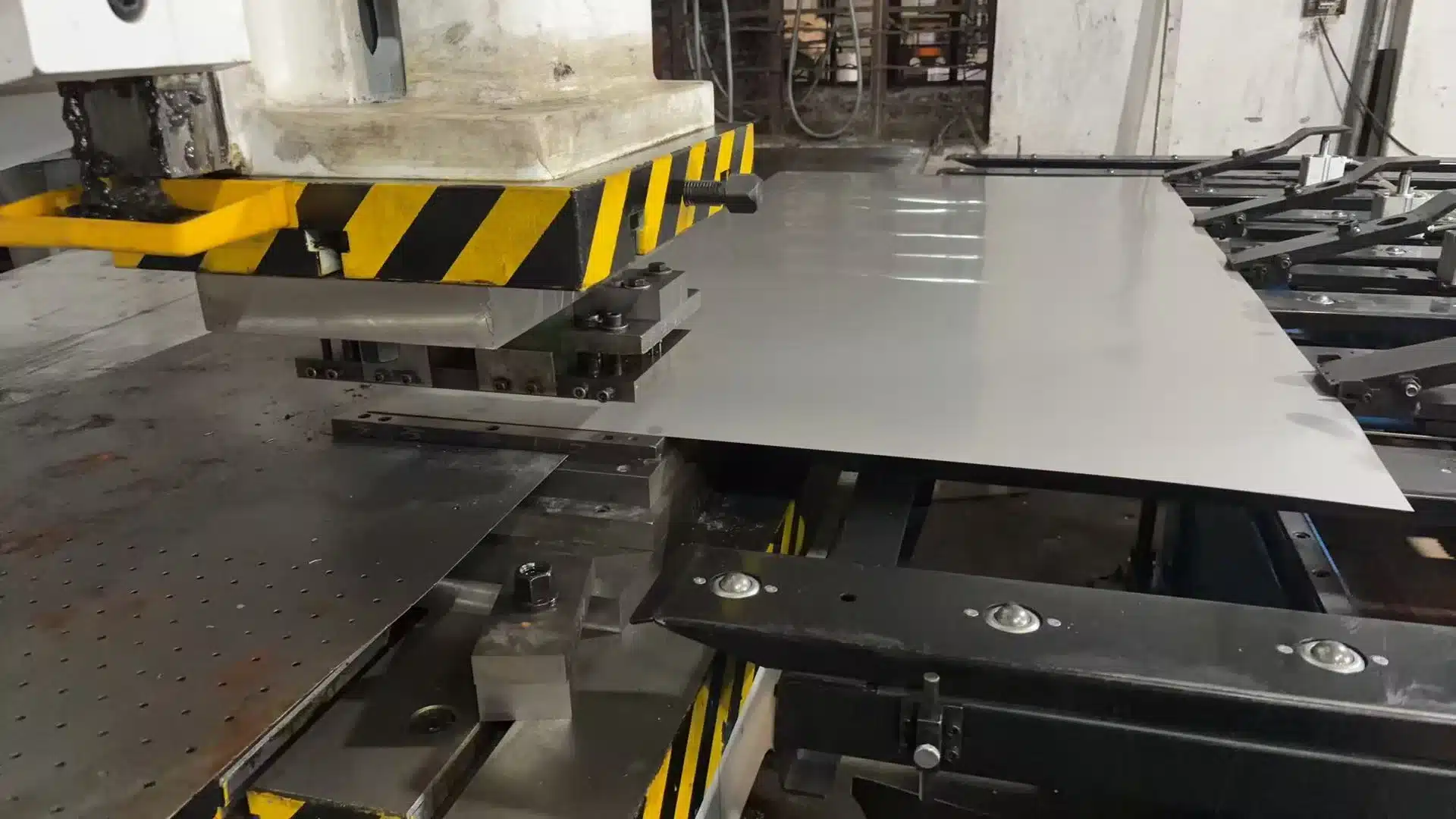
Before punching begins, ANJIA's team reviews the RFQ against the production window and the required finished part. The discussion can include material grade, sheet thickness, hole pattern, sheet dimensions, unpunched margins, burr direction where relevant, later fabrication and packing method. If a drawing, sample or formed panel is part of the request, it should be shared before a quotation is treated as final.
For mixed product or export orders, buyers should also identify how perforated sheets will be protected, stacked, labelled and loaded. A finished sheet may require different packing attention from a roll product or a fence panel. The export packing and RFQ guidance can help buyers separate product specifications from handling and receiving requirements.
What to Include in a Custom Perforated Metal Sheet RFQ
To start a focused discussion, send:
- material and required sheet thickness;
- hole shape, hole diameter or dimensions, pitch and pattern layout;
- sheet width, length, edge margins and any unpunched zones;
- quantity, destination and packing requirements;
- drawing, sample, surface-finish requirement and any later fabrication steps;
- application context and the project-specific criteria that must be met.
The new press addition gives ANJIA a stronger equipment basis for these discussions in Guangzhou. It does not replace drawing review, sample approval or order-specific feasibility confirmation. To discuss a custom perforated metal sheet requirement, send your specifications to ANJIA or email sales@anjiamesh.com.
About ANJIA GROUP
ANJIA GROUP supplies wire mesh, fencing and related industrial products for global B2B buyers. Contact our team to discuss product specifications, matching accessories and export packing.
Discuss your sourcing requirements
Send your product requirements and any relevant drawings to our team.
Get a Free Business Quote Perforated Metal Sheet
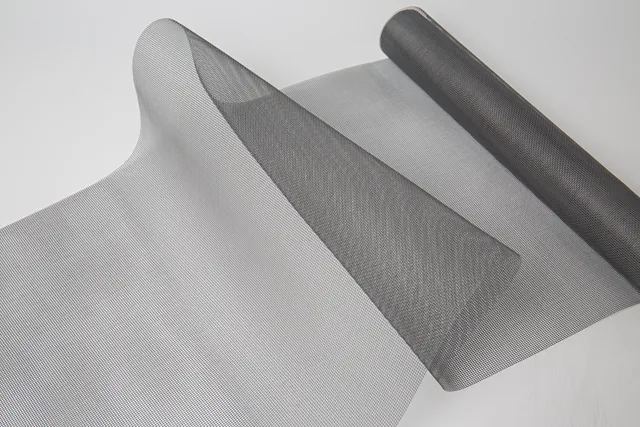 Wire Mesh Products
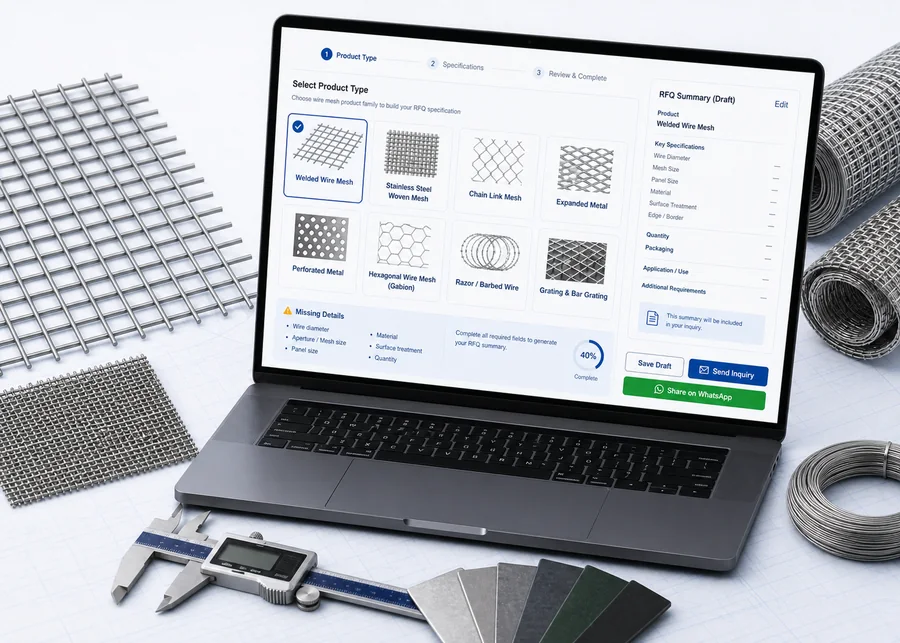 Wire Mesh RFQ Specification Builder
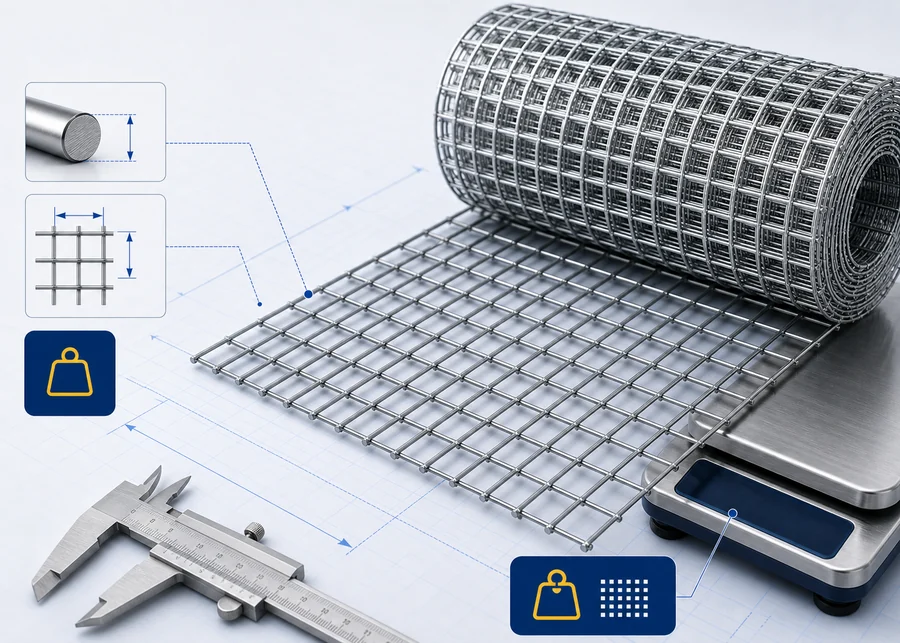 Wire Mesh Weight Calculator