
Round, Square or Slotted Holes? A Perforated Metal Sheet RFQ Guide

A buyer-first guide to round, square and slotted perforated metal hole patterns, with the RFQ fields needed for a clearer quotation.
Table of contents
Round, square and slotted holes are three common ways to describe a perforated metal sheet, but the hole name alone is not enough for a comparable quotation. A clear perforated-sheet RFQ should state the hole shape, hole size or slot dimensions, pitch, pattern layout, material, thickness, sheet size, edge margin, finish, quantity, packing and destination. If a drawing, sample or reference photo exists, it should travel with the same product line. These details let buyers compare like with like and help ANJIA identify which points still need confirmation. Round holes are often used where a regular repeated pattern is wanted; square holes create a different visual grid; slotted holes add direction because the slot has a length and width. The final pattern should follow the buyer's drawing, sample and application requirement rather than a generic assumption about airflow, filtering, appearance or installation.

Start with the difference between a hole shape and a full pattern
When a buyer asks for “round-hole sheet” or “slot perforated metal,” that is only the beginning of the product description. A full pattern also has hole dimensions, spacing, layout and the unperforated area around the sheet edge. Two sheets can both have round holes and still be different products when their diameter, pitch, arrangement, material or sheet dimensions differ.
Hole size is the stated diameter for a round hole, the stated side dimensions for a square hole, or the stated width and length for a slot. Pitch is the center-to-center spacing between repeated holes. Pattern layout describes how the holes repeat across the sheet, such as straight rows or staggered rows where specified. Edge margin is the unperforated border the drawing or sample calls for. These terms give the buyer and supplier a shared way to discuss the sheet before a quotation is compared.
For a wider product-format decision, see Perforated Metal vs Expanded Metal: Application Differences for Buyers. That article compares punched sheet with expanded metal. This guide stays within perforated metal and focuses on the pattern record needed for an RFQ.
Round, square and slotted holes: a sourcing comparison
| Pattern route | What the RFQ needs to identify | Useful drawing or sample reference |
|---|---|---|
| Round holes | Hole diameter, pitch, layout, edge margin and sheet format | A clear hole-detail view plus the overall sheet size and material note. |
| Square holes | Side dimensions, pitch, layout orientation, edge margin and sheet format | A drawing that shows whether rows are straight or otherwise arranged. |
| Slotted holes | Slot width, slot length, slot direction, pitch, layout and sheet format | A drawing or marked sample that shows the long-axis direction and repeated pattern. |
The table is a quotation guide, not a performance ranking. The preferred pattern depends on the buyer's stated product, visual, fabrication and project requirements. A supplier should not infer a sheet's end use from hole shape alone.
Round-hole perforated metal: keep diameter and spacing separate
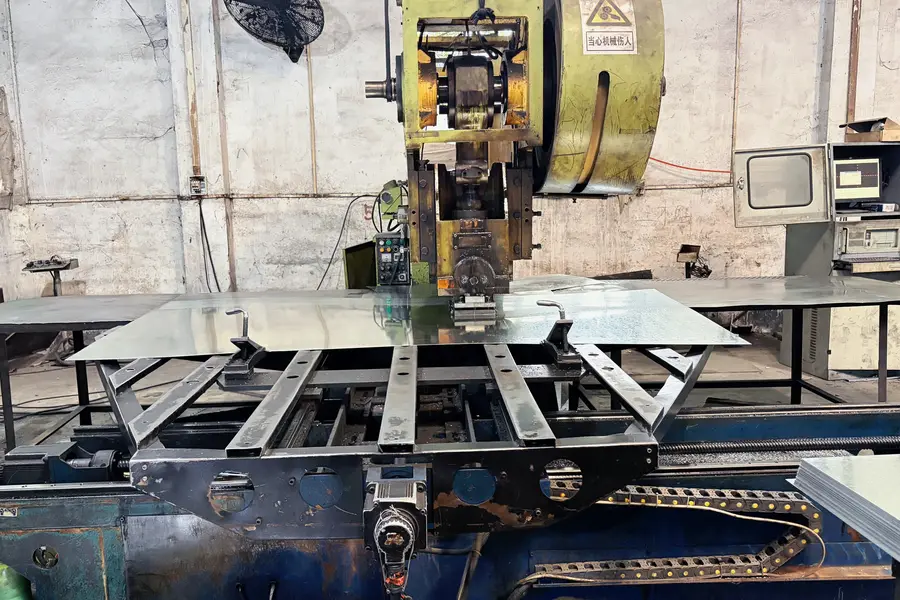
Round holes are frequently described with a single diameter, yet the quote record still needs the pitch and layout. A photo may show that a sheet has circular openings, but it will not reliably establish the stated hole diameter, spacing or edge margin. If the buyer has an existing panel, a dimensioned drawing or approved sample is more useful than an unmarked image.
For a round-hole request, state whether the pattern needs straight or staggered rows when that is relevant to the supplied reference. Also keep the material, thickness, full sheet size, finish and packing fields on the same line. This prevents a regular-looking hole pattern from being compared across different sheet formats.
Square-hole perforated metal: record the grid and orientation
Square-hole patterns are easier to recognize visually than to specify completely. The buyer should state the two side dimensions, their spacing, the layout direction and the unperforated border where these are controlled by a drawing. A square hole can be part of a regular grid, a different repeated layout or a custom panel pattern; the product record should not rely on the word “square” alone.
If the sheet will be cut, framed, folded or combined with another panel, show the relevant edge and orientation on the drawing. ANJIA can use that information to clarify the requested sheet route and packing discussion. The drawing remains the buyer's reference for any fabrication, assembly or final application decision.
Slotted holes: state width, length and direction
A slotted hole has at least two dimensions: width and length. It also has a long-axis direction. These details matter when a buyer wants several sheets to follow the same pattern direction or when a sample includes slots aligned vertically, horizontally or in another stated orientation.
Describe the slot as a width-by-length field and add the direction, pitch and layout. If the ends of a slot have a particular profile in the drawing, provide the drawing or a close reference image rather than substituting a general product name. Keep the sheet dimensions and edge margin with the same specification line so the repeated slot pattern can be understood in context.
Open area is a calculation reference, not a shortcut for the whole RFQ
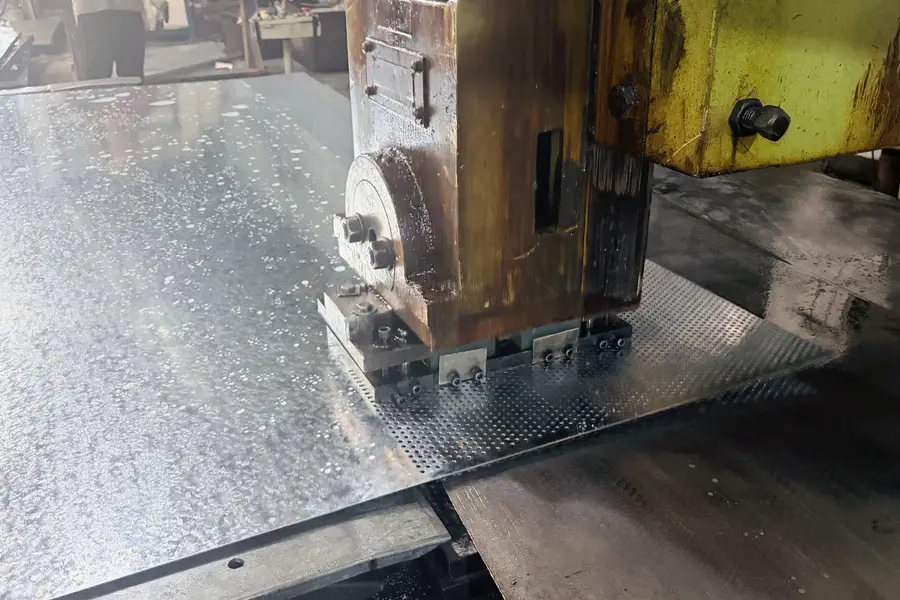
Open area is the proportion of a sheet surface represented by openings, expressed as a stated percentage when the hole geometry and pattern are known. It can be a useful comparison field, but it does not replace the underlying pattern record. The same approximate open-area result can come from different hole shapes, pitch arrangements, sheet sizes and edge margins.
Use the Perforated Metal Open Area Calculator to organize an initial pattern calculation where its inputs match the stated design. Then send the hole dimensions, pitch and layout with the RFQ. For a custom drawing, the drawing should remain the controlling reference rather than an estimated calculator result.
Material, thickness and sheet size still belong in the pattern request
The hole pattern does not replace the base-sheet description. A complete request keeps the material, stated thickness, full sheet dimensions and surface route alongside the perforation details. ANJIA's Perforated Metal Sheets page provides product-family context, while the RFQ should identify the actual material and format that the buyer needs quoted.
Buyers can also clarify whether a sheet is supplied as a full panel, a cut piece or another agreed format. Where a drawing shows a border, mounting area, fold, frame or finishing step, include the drawing in the request. Do not assume that a reference photo identifies all of those details.
10 checks before sending a perforated-sheet RFQ
- Confirm that the requested product is perforated metal sheet rather than expanded metal or another open-sheet format.
- State the hole route: round, square, slotted or another pattern shown in the drawing.
- List the stated hole diameter, square side dimensions, or slot width and length.
- Record pitch and pattern layout, including any stated row arrangement.
- For slots, identify the long-axis direction and repeat orientation.
- Include the material, thickness and full sheet size for each product line.
- Show the required edge margin, border, cut area, frame or fold only where the buyer's drawing specifies it.
- State the finish or surface route required for the quoted sheet.
- Attach a dimensioned drawing, approved sample photo or pattern reference and keep it tied to the correct SKU.
- Confirm quantity, packing, destination and any requested product, measurement or loading photographs.
This checklist organizes a commercial request. It does not replace a project drawing, fabrication approval, material selection review or final acceptance process.
Packing and reference documents
Perforated sheets can have different handling needs depending on the supplied sheet size, finish and product format. Buyers should state whether the order needs separation by SKU, protective interleaving, pallet preference, carton or crate instruction, labels, unloading constraints or specific pre-shipment photographs. Those requests should be agreed before packing is planned.
When a buyer has several hole patterns or sheet sizes in one order, the packing record should keep each product line distinct. A named pattern, drawing revision or sample reference can help the receiving team match a stack of sheets to the applicable commercial record without putting customer names or private order data into public-facing material.
Frequently asked questions
Does a round-hole sheet need a pitch value?
Usually, yes. The stated diameter identifies the hole, while the pitch and layout identify how the holes repeat across the sheet. Send the drawing or sample if the pattern needs to match an existing panel.
Is slotted hole size written as one number?
No. A slot should normally be described by its width and length, then supported by the stated direction, pitch and layout. A drawing helps clarify the pattern when several sheets need the same orientation.
Can open area replace the hole-pattern drawing?
No. Open area can support a comparison or initial calculation, but it does not show the full hole geometry, pitch, layout, edge margin or sheet format. Use the drawing or approved sample as the controlling reference.
Can ANJIA help prepare a quote-ready perforated-sheet record?
Yes. Send the pattern, material, thickness, sheet size, finish, quantity, packing requirements, destination and any drawing or sample through the ANJIA inquiry page. We can help organize the product and export fields for a clearer quotation discussion.
About ANJIA GROUP
ANJIA GROUP supplies wire mesh, fencing and related industrial products for global B2B buyers. Contact our team to discuss product specifications, matching accessories and export packing.
Discuss your sourcing requirements
Send your product requirements and any relevant drawings to our team.
Get a Free Business Quote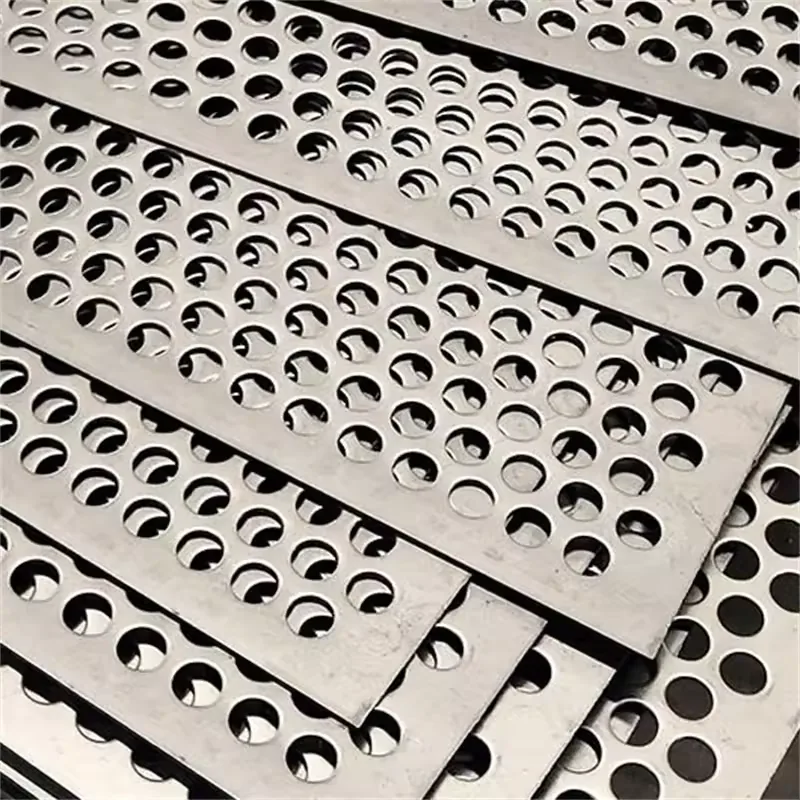 Perforated Metal Sheet
 Wire Mesh Products
 Wire Mesh RFQ Specification Builder
 Wire Mesh Weight Calculator