
Stainless Steel Wire Mesh Applications: Filtration, Food Handling, Architecture and Industrial Screens
Compare stainless steel wire mesh uses across filtration, food handling, architectural panels and industrial screens before preparing a quote-ready RFQ.
Table of contents
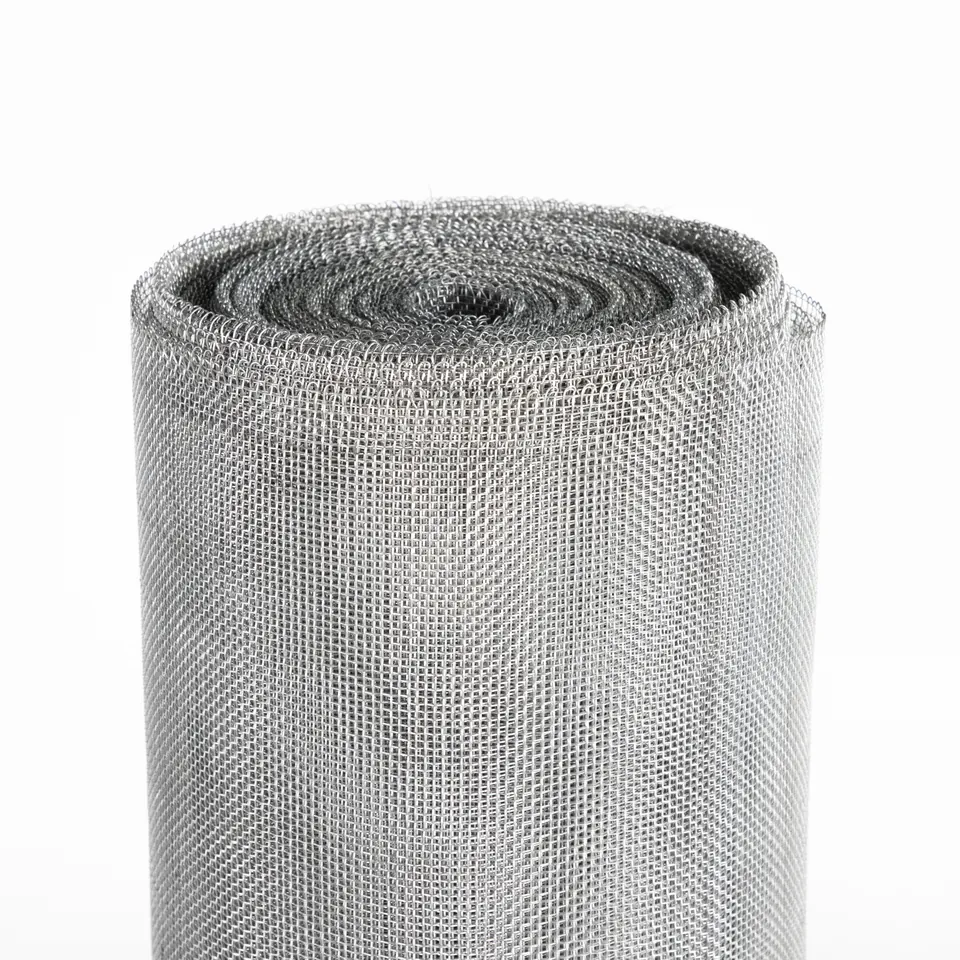
Stainless steel wire mesh is selected when buyers need corrosion resistance from the wire material itself rather than from a coating. That makes it useful for projects where coating flaking, cleaning cycles, moisture, chemical exposure or appearance requirements make galvanized or PVC-coated mesh less suitable.
For importers and distributors, the buying question is rarely only "what is the price per roll?" A quote-ready inquiry should connect the application with grade, weave type, mesh count or opening, wire diameter, roll or sheet size, surface condition and packing. This guide explains common stainless steel wire mesh applications and the specification questions buyers should prepare before asking for a quotation.

Start with the application before choosing grade or mesh count
Stainless steel mesh is used across filtration, screening, food handling equipment, architectural panels, ventilation guards and industrial equipment covers. The same grade and mesh count can behave differently depending on the installation environment, cleaning method, pressure, airflow, contact material and mounting frame.
Before comparing prices, buyers should define the application in simple terms:
- What will pass through the mesh, and what should be retained?
- Will the mesh contact water, salt, acid, cleaning chemicals or outdoor weather?
- Is the mesh used as a roll, cut sheet, framed panel, basket, guard or filter element?
- Are appearance, flatness, surface finish or edge treatment important?
- Does the end customer require specific documents, test reports or material declarations?
These answers help the supplier recommend a practical specification instead of guessing from a mesh count alone.
Filtration and screening applications
Filtration and screening are among the most common stainless steel wire mesh application areas. Stainless mesh may be used for liquid filtration, particle screening, straining, filter discs, filter elements and process screens in industrial, food, water treatment and chemical-related projects.
Mesh count is usually the first specification point. Mesh count means the number of openings per linear inch. Fine filtration may require high mesh counts, while coarse straining and screening often use lower mesh counts or larger openings. However, mesh count alone is not enough because wire diameter changes the actual opening and open area.
Wire diameter affects flow, strength and open area. A finer wire can increase open area but may reduce mechanical strength. A heavier wire may improve stability but reduce flow. Buyers should confirm both mesh count and wire diameter, or provide the target opening size in millimeters if that is how the end customer defines the screen.
Weave type also matters. Plain weave is a common choice for general screening and medium-fine mesh. Twilled weave can support heavier wire at finer counts in some filtration uses. Dutch weave is usually discussed when buyers need a tighter filtration surface with a support structure behind it.
For filtration-related wire mesh products, the RFQ should include the material grade, mesh count or opening, wire diameter, weave type, roll width, roll length or cut size, and any document requirements.
Food handling equipment and clean processing areas
Stainless steel wire mesh is also used in food handling and clean processing equipment, including conveyor sections, drying racks, screening trays, fryer baskets, sorting screens and washable equipment guards. In these uses, buyers often care about cleanability, smooth surface condition, corrosion resistance and whether the mesh can match the end customer's operating requirements.
SS304 is commonly discussed for general food handling and washable indoor equipment. SS316 may be considered when the mesh may contact salt, acidic products, chloride-based cleaning agents or more aggressive environments. The final grade should match the buyer's destination market, equipment design and end-customer requirements.
Surface finish and edge condition should also be discussed. A smooth, burr-controlled surface is easier to clean and less likely to trap particles. If electropolishing, special cleaning, welding, framed panels or basket fabrication is required, those details should be confirmed before production rather than after the mesh arrives.
Buyers should avoid relying on a generic "food grade" label without checking the actual material grade, surface condition, documents and destination-market requirements. When the order will be used in regulated equipment, the buyer should state the required standards or documents in the inquiry.
Architectural screens and decorative panels
Architectural mesh is specified for building facades, interior partitions, ceiling panels, sun screens, balcony infill, wall cladding and decorative panels. In these projects, appearance can be just as important as strength.
The visual result depends on the weave pattern, wire diameter, opening size, panel size, surface reflection and frame design. Larger openings and heavier wires may create a stronger visual pattern from a distance, while finer mesh can create a more subtle surface. Flatness and edge finish are often important because the mesh is visible after installation.
For indoor decorative panels, SS304 may be enough in many projects. For exposed exterior, coastal or polluted environments, SS316 is often discussed as a more conservative option. Buyers should also confirm whether they need raw mesh rolls, cut sheets, pre-framed panels or local fabrication after import.
Industrial guards, ventilation screens and equipment covers
Industrial uses include machine guards, ventilation screens, compressor intake screens, exhaust protection, equipment covers, baskets and safety-related barriers. Stainless steel may be preferred when moisture, heat, cleaning or corrosion exposure makes painted or galvanized surfaces less suitable.
For guards and screens, the opening size must balance visibility, airflow and protection requirements. Heavier wire and smaller openings can improve rigidity, but they also change weight, price and airflow. The buyer should confirm how the mesh will be mounted, whether the edges need bending or framing, and whether the screen needs to match a machine or housing drawing.
High-temperature or chemically aggressive applications require extra caution. Grades such as SS309, SS310, SS316L or other specialty materials may be discussed for specific projects, but availability, lead time, minimum order quantity and suitability should be confirmed case by case.

Grade selection: SS201, SS304, SS316 and specialty grades
The stainless grade affects corrosion resistance, cost and sourcing availability.
SS201 is usually considered for dry indoor or decorative applications where cost is important and corrosion exposure is limited. It should be used carefully in wet, coastal or chemically exposed environments.
SS304 is a common general-purpose stainless steel grade for many mesh applications. It is often used for indoor architectural panels, food handling equipment, general screening and industrial guards when the environment is not highly chloride-rich.
SS316 contains molybdenum and is commonly selected for better resistance in chloride or coastal environments. It is often discussed for marine, coastal, chemical-related and more demanding food handling applications.
Specialty grades such as SS316L, SS309, SS310 or SS430 may be relevant for welding, high-temperature, magnetic or cost-sensitive requirements. These grades are more order-specific, so buyers should confirm availability and documents before finalizing the quotation.
For a deeper material comparison, buyers can also review the SS304 vs SS316 stainless steel wire mesh buying guide.
Weave type, mesh count and opening details
Stainless steel wire mesh is commonly supplied in plain weave, twilled weave and Dutch weave constructions. The right choice depends on whether the buyer needs general screening, precision filtration, airflow, appearance or mechanical support.
Plain weave has a simple over-under structure. It is widely used for general screening, sorting, architectural panels and many standard mesh rolls.
Twilled weave uses a different wire crossing pattern that can allow certain finer mesh counts with heavier wire. It is often discussed for stronger or more demanding screening and filtration uses.
Dutch weave uses different warp and weft wire arrangements to create a tighter filtration surface. It is usually specified for filter discs, filter elements and precision filtration-related applications rather than general decorative mesh.
Buyers should avoid sending only "100 mesh stainless steel" when the end use is important. A better RFQ includes grade, weave, mesh count, wire diameter, roll width, roll length or cut size, tolerance requirements if any, and the application.

Packing notes for stainless steel wire mesh orders
Stainless steel mesh can be supplied in rolls, sheets, discs, strips or fabricated components. Packing should protect the surface, edges and roll shape during export handling.
Fine mesh rolls are commonly wrapped with protective paper or film and packed in cartons or wooden cases depending on mesh count, roll weight and shipment requirements. Sheets or panels may need interleaving paper, flat stacking, corner protection and wooden case packing. For mixed-grade shipments, clear labels help the buyer's warehouse separate SS201, SS304, SS316 and different mesh counts after arrival.
If stainless mesh is ordered together with other products, buyers should confirm whether consolidated packing is practical and whether the mesh needs separate protection from heavier items.

Application reference table
| Application area | Common specification questions | Buyer note |
|---|---|---|
| Fine filtration | Grade, mesh count, wire diameter, weave type, open area, roll or disc size | Confirm retention and flow requirements instead of relying on mesh count alone. |
| Coarse screening | Opening size, wire diameter, roll or sheet format, edge finish | Provide the material being screened and the target retained size. |
| Food handling equipment | SS304 or SS316, surface finish, cleanability, fabrication method, documents | Confirm end-customer and destination-market requirements before production. |
| Architectural panels | Visual pattern, opening, wire diameter, flatness, sheet size, frame method | Specify whether the order is raw mesh, cut sheets or framed panels. |
| Industrial guards | Opening size, wire diameter, strength requirement, mounting method, edge treatment | Share drawings or photos when the mesh must fit existing equipment. |
| Ventilation screens | Opening, airflow requirement, frame details, cleaning exposure | Balance airflow, protection and cleanability. |
| High-temperature or special use | Grade, temperature exposure, chemical environment, availability, documents | Confirm suitability and supply conditions case by case. |
Frequently asked questions
What is the difference between mesh count and opening?
Mesh count is the number of openings per linear inch. Opening, or aperture, is the clear distance between adjacent wires. The same mesh count can have different openings if the wire diameter changes, so buyers should confirm both when precision matters.
Is SS304 enough for outdoor stainless steel mesh?
SS304 may be suitable for some protected or mild outdoor environments, but coastal, chloride-rich or chemically exposed locations often require a more conservative grade discussion such as SS316. The installation environment should be described in the inquiry.
Can stainless steel wire mesh be supplied as cut sheets or framed panels?
Yes, depending on mesh type, size and project requirements, stainless mesh can be supplied as rolls, sheets, strips, discs or fabricated components. Buyers should provide drawings, dimensions, edge treatment and packing expectations before quotation.
Which weave type should buyers choose for filtration?
Plain weave may be suitable for many screening uses. Twilled weave and Dutch weave may be discussed for finer or more demanding filtration. The best choice depends on retention, flow, pressure, strength and cleaning requirements.
What documents should be requested with stainless steel wire mesh?
Common document requests may include material grade information, packing list, commercial invoice, quality inspection photos or order-specific test documents when required and applicable. Buyers should state required documents before production.
How should buyers request a stainless steel wire mesh quotation?
Send the application, grade, mesh count or opening, wire diameter, weave type, roll or sheet size, quantity, packing requirement and any document expectations. For uncertain projects, sample photos or drawings help the supplier review the inquiry faster.
Match the mesh to the actual buying situation
Stainless steel wire mesh is not a one-specification product. Filtration, food handling, architectural panels and industrial guards all use different buying logic. A successful inquiry starts with the application and then turns that use case into grade, weave, opening, wire diameter, format, packing and document requirements.
If you are comparing stainless steel mesh options for import or distribution, send your application notes and target specification through the ANJIA inquiry page. The ANJIA team can review the order context and discuss suitable stainless mesh options before quotation.
About ANJIA GROUP
ANJIA GROUP supplies wire mesh, fencing and related industrial products for global B2B buyers. Contact our team to discuss product specifications, matching accessories and export packing.
Discuss your sourcing requirements
Send your product requirements and any relevant drawings to our team.
Get a Free Business Quote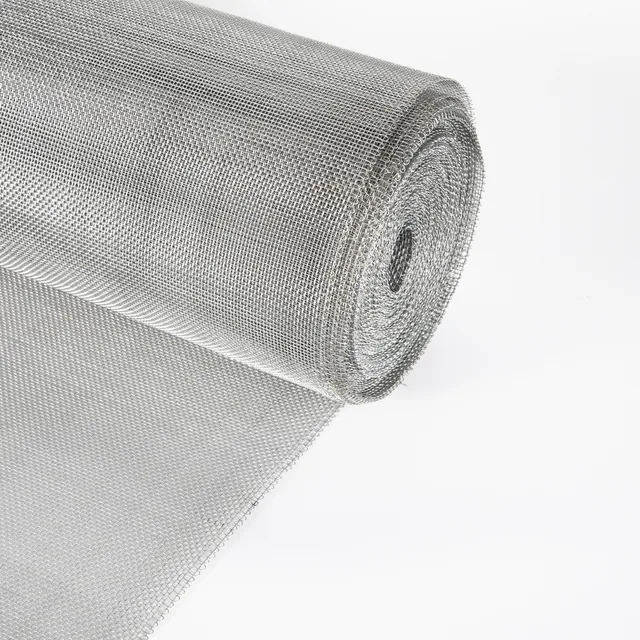 Stainless Wire Mesh
 Stainless Steel Wire
 Galvanized vs PVC Coated Wire Mesh Guide
 Fence Coating & Exposure Zone Selector