
Temporary Fence Quotation Checklist: Panels, Bases, Clamps, Coating and Packing

Updated Jun 23, 2026
Use this checklist to compare temporary fence quotations by full system scope, not only by panel price.
Table of contents
Temporary fence prices are difficult to compare when one quotation includes only panels and another includes panels, bases, clamps, braces, packing and loading details. For contractors, rental companies, wholesalers and project buyers, the lowest panel price may not be the lowest complete system cost.
This checklist explains what buyers should confirm before requesting a temporary fence quotation. The goal is simple: make every supplier quote the same scope so price, quality and shipment risk can be compared clearly.
Compare temporary fence as a full system
Temporary fence quotations should be checked as a system, not as a panel-only price. Panel frame, wire diameter, mesh opening, bases, clamps, braces, gates, coating, packing and loading plan all affect the real cost. If one supplier excludes bases or clamps while another includes them, the unit panel price is not a fair comparison.
Weight is also useful for temporary fence RFQs because it connects material cost, handling and loading. Panel weight, base weight, clamp quantity and total shipment weight can help the supplier check whether the quoted tube, wire, base and packing basis match the buyer's expected system. If the buyer cannot provide weight, the quotation should still state the assumed panel and accessory scope clearly.
| Comparison field | Why it matters | Proof or boundary |
|---|---|---|
| Panel and frame basis | Tube size, wall thickness, wire diameter and mesh opening change weight and price. | Use drawing, previous order sheet or sample photos; do not compare panel size alone. |
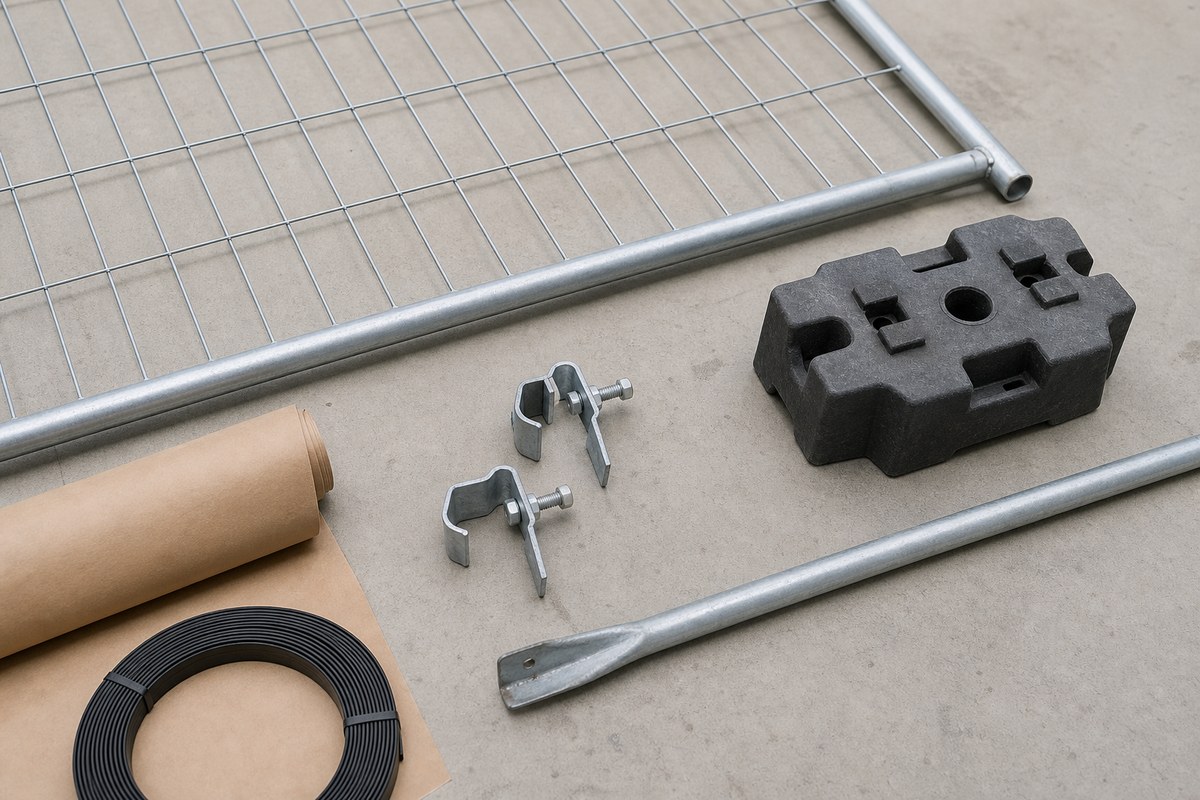
| Base and clamp scope | Missing bases, clamps or braces can make a quote look cheaper than the real system cost. | Ask the supplier to list accessories separately or confirm they are included. |
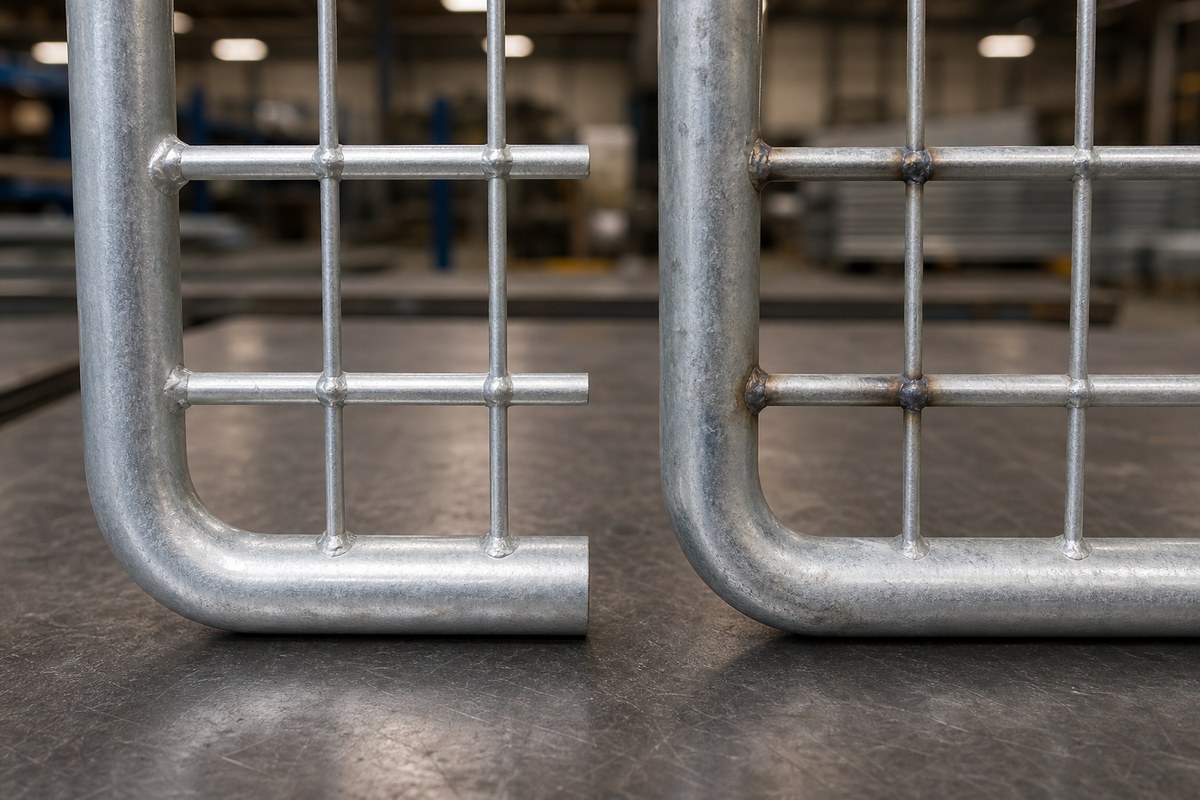
| Coating and reuse plan | Short-term project use and repeated rental use may need different finish expectations. | Request surface photos or coating route notes; photos do not replace agreed coating terms. |
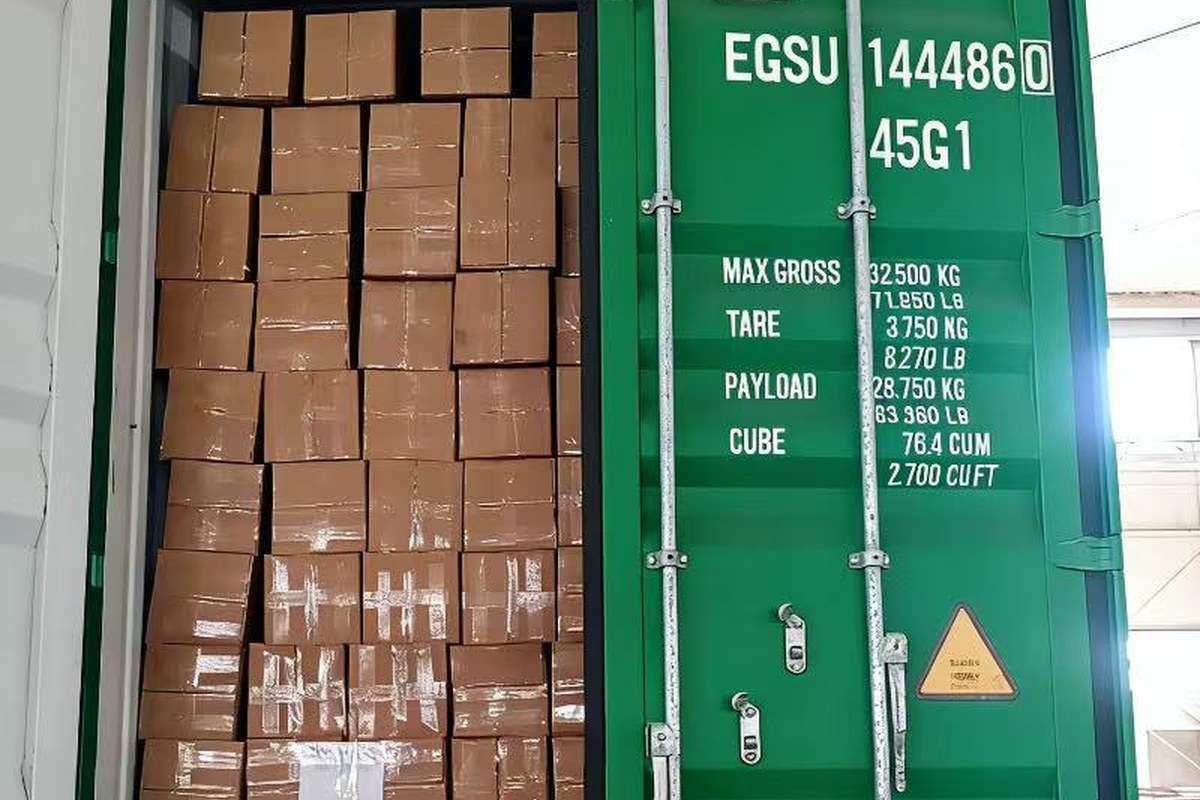
| Packing and loading | Panels, bases and clamps need separation, labels and loading control. | Request packing photos and loading photos before shipment when order value justifies it. |
This proof package supports purchase review and receiving preparation, but it does not replace local site design, wind-load assessment, installation rules or the buyer's project safety responsibility.
1. Quick Checklist Before Asking for Price
Before asking for unit price, prepare the main system details. If some fields are not confirmed, tell the supplier the project use and ask for a comparable quotation basis.
| RFQ Item | What Buyer Should Confirm | Why It Affects Price |
|---|---|---|
| Panel | Height, width, frame tube, wire and mesh opening | Controls steel weight, welding time and packing quantity |
| Base | Plastic, concrete, steel foot, or project-required base type | Changes stability, weight, loading and freight cost |
| Clamp | Clamp type, material, bolt set and quantity per joint | Affects installation compatibility and accessory cost |
| Brace / stay | Whether bracing is required for corners, gates or exposed areas | Changes accessory scope and system completeness |
| Coating | Galvanized, powder coated, PVC coated or project environment | Determines corrosion protection and appearance |
| Packing | Pallet, bundle, wrapping, label and loading requirement | Protects panels during export and storage |
| Destination | Port, country, unloading condition and mixed-container plan | Affects packing method and shipping basis |
2. Panel Size, Frame Tube and Mesh Details
The panel is usually the largest cost component, but buyers should avoid comparing panels only by overall height and width. A complete panel specification should include frame tube, wall thickness basis, wire diameter, mesh opening, welding quality and whether the panel needs a special corner, gate or foot connection.
Different markets often use different temporary fence formats. Instead of assuming one universal size, ask the supplier to quote according to your drawing, previous purchase record or local rental standard. If you do not have a fixed specification, the supplier should mark the proposed panel size clearly in the quotation.
3. Bases, Clamps and Accessories Are Part of the System
A temporary fence panel without the right base and clamp is not a complete system. Bases affect stability and loading weight. Clamps affect whether panels connect smoothly on site. Braces, stays and gates may be needed depending on project layout.
When comparing offers, check whether bases and clamps are included in the panel price, listed separately, or missing entirely. This is one of the easiest ways for quotations to look cheaper than they really are.
- Confirm the base type and quantity ratio.
- Confirm clamp type and quantity per connection.
- Confirm whether gates, braces, stays and extra bolts are included.
- Confirm whether accessories are packed separately with clear labels.
4. Coating Should Match Outdoor Use and Reuse Plan
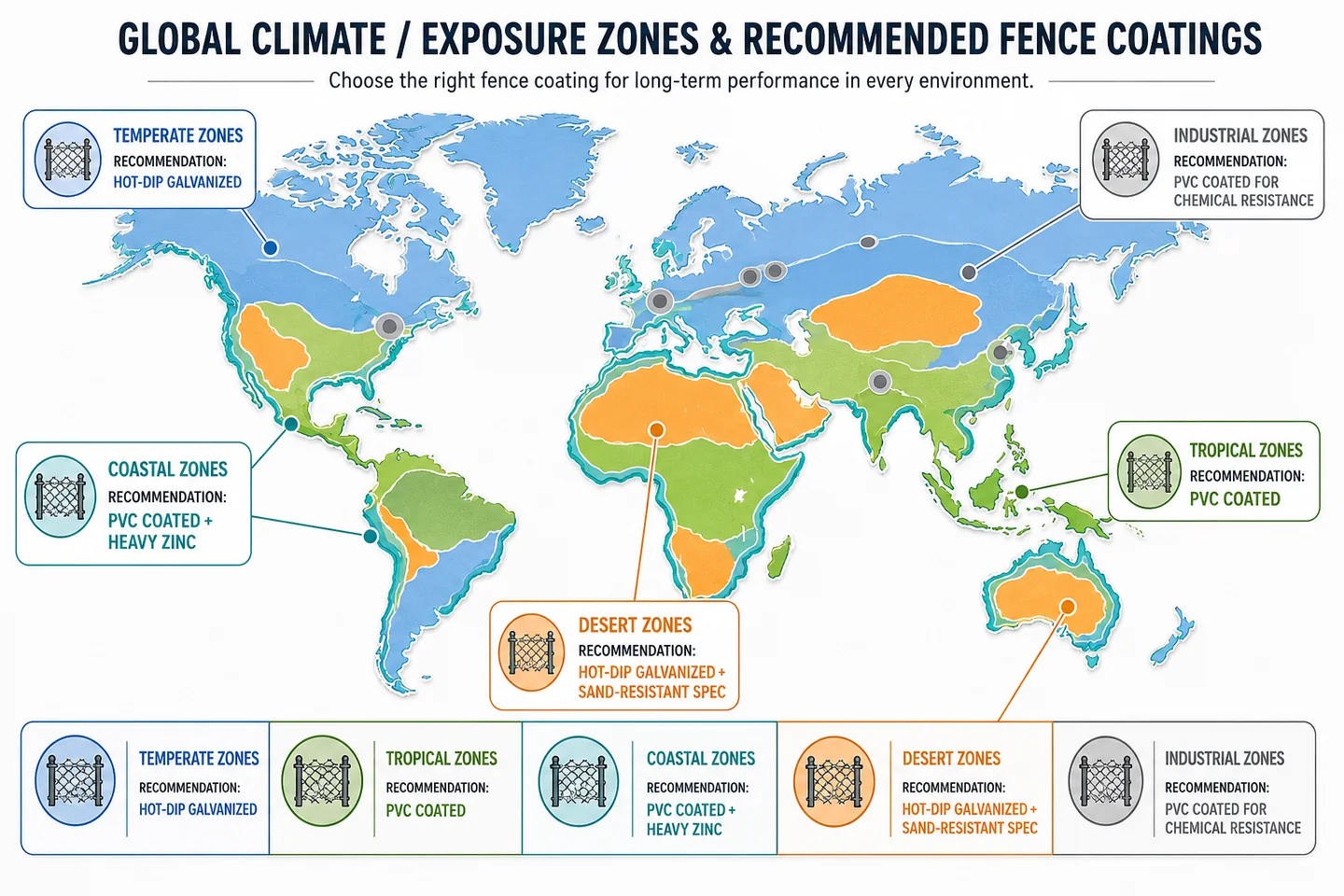
Surface treatment changes both appearance and long-term usability. A rental buyer who reuses panels many times may choose a different coating basis from a one-time project buyer. A buyer near coastal or humid areas may also need stronger coating than an inland short-term project.
Common quotation language may include galvanized, hot-dip galvanized after welding, powder coated, or other buyer-specified finishes. The important point is not the label alone. Buyers should ask how the coating is applied, whether weld areas are protected, and what inspection or photos can be provided before shipment. For a deeper coating comparison, review the welded wire mesh fence coating guide.
5. Packing and Loading Decide Arrival Condition
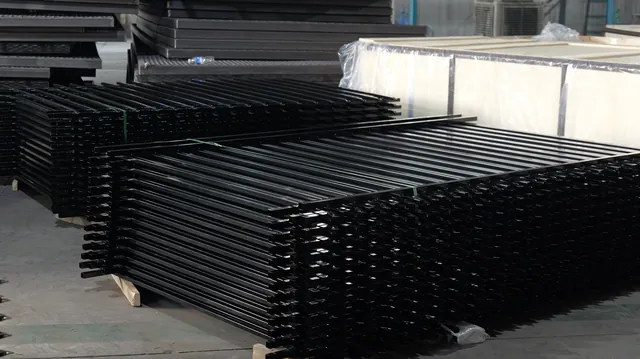
Temporary fence panels are large, repetitive and easy to scratch when packing is weak. For export orders, ask for the packing method before confirming price. Packing may include steel or wooden pallets, bundle strapping, corner protection, film wrapping, labels and accessory cartons.
For resale or rental buyers, visible scratches, missing clamps or mixed accessories can create extra labor after unloading. A practical quotation should show how panels, bases and clamps are packed and how the supplier plans container loading. The wire mesh fence export packing checklist can be used as a supporting reference.
6. Quantity, Destination and Mixed-Container Planning
Quantity changes the quotation because it affects material planning, accessory counting, packing method and container utilization. Destination also matters because unloading condition, label requirement, packing protection and freight basis may change from market to market.
If the buyer plans to combine temporary fence with other products, such as welded mesh fence or chain link fence, the supplier should check loading sequence and accessory separation before final quotation.
7. How to Compare Two Quotations
A fair comparison should put both quotations into the same checklist. If one offer is missing bases, clamps, bracing, packing or destination terms, it is not directly comparable.
| Quote Line | Supplier A | Supplier B | Buyer Action |
|---|---|---|---|
| Panel specification | Complete or missing | Complete or missing | Request same panel basis |
| Base and clamp | Included or separate | Included or separate | Compare full system cost |
| Coating | Declared finish | Declared finish | Ask for coating photos or inspection basis |
| Packing | Method and labels | Method and labels | Confirm export protection |
| Destination | FOB / CIF / other basis | FOB / CIF / other basis | Use same trade term and port |
Frequently Asked Questions
What details are needed for a temporary fence quotation?
Send panel size, frame tube, wire diameter, mesh opening, base type, clamp type, coating, accessory quantity, packing method, total quantity and destination port. If drawings or previous purchase specs are available, include them.
Why do temporary fence prices vary between suppliers?
Prices vary because suppliers may quote different wire, tube, base, clamp, coating and packing scopes. A lower panel price may exclude accessories or use a lighter specification.
Should bases and clamps be included in the same quotation?
Yes. Temporary fencing is normally purchased as a system. Quoting panels separately can make the initial price look lower but create compatibility and accessory-count problems later.
How should temporary fence panels be packed for export?
The packing method should match handling and destination needs. Buyers should confirm pallets or bundles, strapping, corner protection, labels, accessory cartons and loading photos before shipment.
Can temporary fence panels, bases and clamps be loaded in one container?
Yes, if the loading plan accounts for weight, space and accessory separation. Ask the supplier to provide a loading plan and mark accessories clearly to reduce unloading confusion.
Conclusion: Better RFQ, Better Quotation
A temporary fence quotation is not only a panel price. It is a complete system price built from panels, bases, clamps, braces, coating, packing, quantity and destination. Buyers who define these fields clearly will receive quotations that are easier to compare and easier to verify before shipment.
For a more complete RFQ structure across fence products, buyers can also review the wire mesh fence quotation checklist before sending project details.
About ANJIA GROUP
ANJIA GROUP supplies wire mesh, fencing and related industrial products for global B2B buyers. Contact our team to discuss product specifications, matching accessories and export packing.
Discuss your sourcing requirements
Send your product requirements and any relevant drawings to our team.
Get a Free Business Quote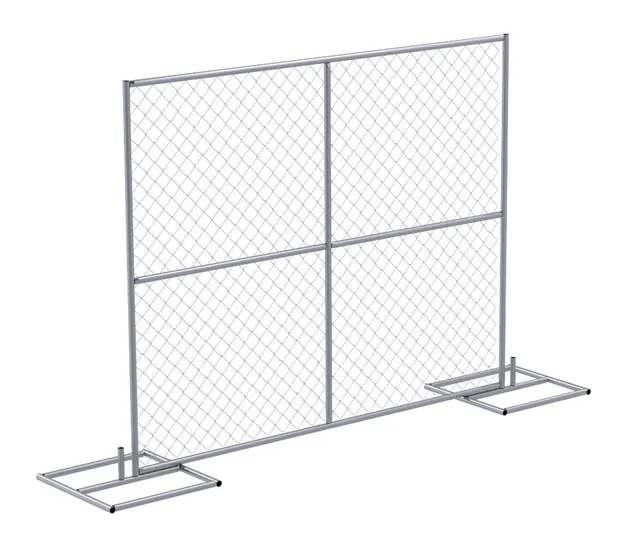 Temporary Fence
 Fence Products
 Fence Coating & Exposure Zone Selector
 Galvanized vs PVC Coated Wire Mesh Guide