
Field Fence Buyer Guide: Choosing Mesh for Cattle, Sheep and Deer

Updated Jun 23, 2026
Compare woven wire field fence, welded panels, barbed wire and high-tensile wire by animal type, mesh opening, coating, packing and RFQ details.
Table of contents
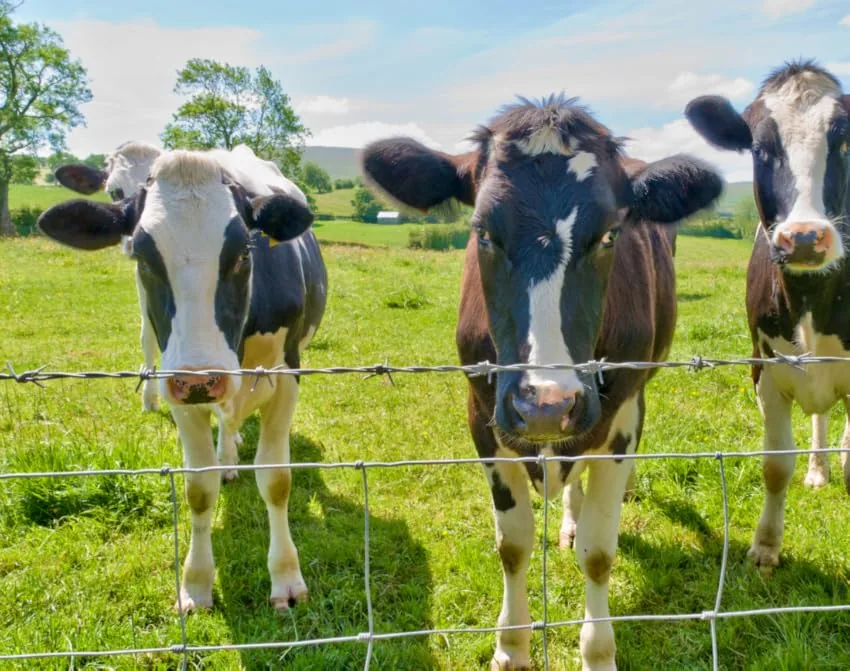
Choosing the right field fence is not only a price decision. For farms, ranches, distributors and agricultural projects, the fence specification affects animal containment, repair frequency, installation work, packing cost and repeat purchasing.
A buyer may ask for "field fence" and receive very different quotations: hinge joint woven wire, fixed knot fence, welded wire panels, barbed wire sets or high-tensile wire. These products are not interchangeable. The right choice depends on animal type, terrain, expected service condition, roll format and the buyer's quotation basis.
Why Field Fence Selection Matters
Field fence is infrastructure. A low initial price can become expensive if the fence does not match the animal pressure, post spacing, coating requirement or packing method. For B2B buyers, a clear specification also makes supplier quotations easier to compare.
The most important starting point is application. Cattle, sheep, goats, deer and mixed livestock do not create the same pressure on a fence. A good RFQ should tell the supplier what animals will be contained, whether the fence is for perimeter use or internal division, and whether posts, gates, accessories or mixed container loading are required.
Four Common Field Fence Types
Woven Wire Field Fence
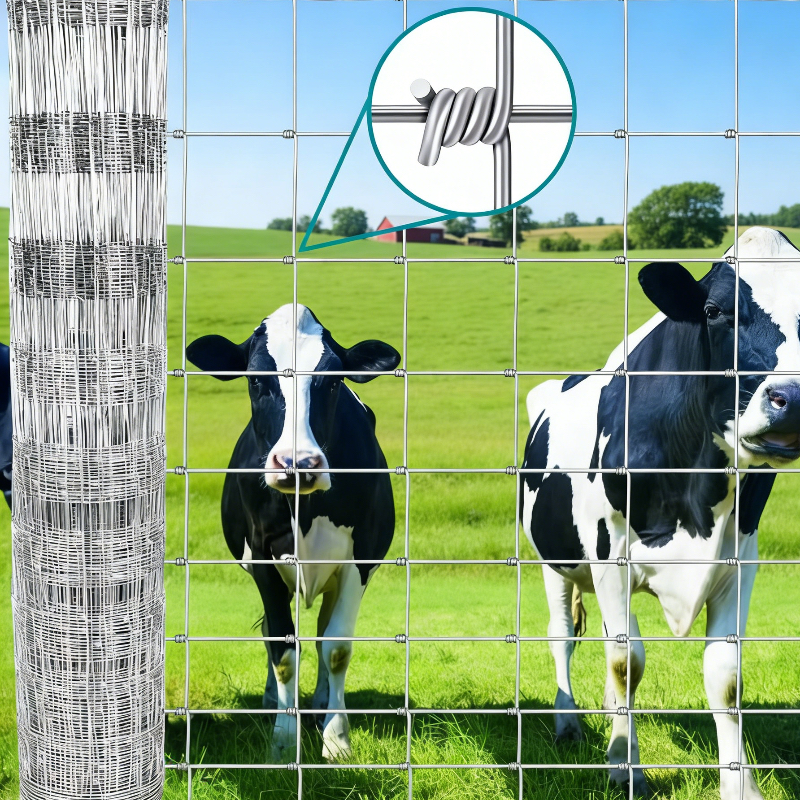
Woven wire field fence is a common farm and livestock fence structure. It uses horizontal line wires and vertical stay wires to form rectangular openings. Hinge joint and fixed knot styles are often used where flexibility, roll installation and animal containment are important.
Graduated mesh is useful for mixed livestock because the lower openings can be smaller while the upper openings can be larger. This helps contain lambs, calves and smaller animals near ground level while keeping the overall roll practical for transport and installation.
Welded Wire Mesh Panels
Welded wire mesh panels use welded intersections and a more rigid structure. They are often selected for smaller pens, garden protection, poultry areas or places where a straight panel appearance is required. Panels are usually compared by wire diameter, mesh size, panel size, coating and post/accessory scope.
Barbed Wire
Barbed wire is widely used for cattle perimeter fencing and large ranch boundaries. It is not a physical mesh barrier, so buyers should treat it as a different system from woven wire field fence. It may be used alone in some ranch conditions or combined with other fence structures.
High-Tensile Wire
High-tensile wire systems rely on wire tension and suitable post/corner construction. They can reduce material weight in large acreage projects, but they require proper installation and periodic tension control. For buyers importing materials, it is important to clarify whether the supplier is quoting wire only or a complete fence package.
| Fence Type | Common Buying Use | Main Specification Focus | Procurement Note |
|---|---|---|---|
| Woven wire field fence | Cattle, sheep, goats, mixed livestock | Height, wire diameter, mesh opening, knot style, coating, roll length | Good starting point when buyers need roll-based livestock containment. |
| Welded wire panels | Pens, poultry, garden, small enclosure, rigid fence areas | Panel size, wire diameter, mesh size, coating, post system | Better when rigidity and neat panel appearance matter. |
| Barbed wire | Large ranch perimeter, cattle boundary support | Wire diameter, strand count, barb spacing, coating, roll weight | Clarify animal type and whether it is used alone or with another fence. |
| High-tensile wire | Large acreage, long fence lines, tension-based systems | Wire tensile basis, diameter, coating, accessories, post spacing plan | Installation quality has a strong effect on final performance. |
Choose Mesh by Animal Type
Animal type is the most useful way to start a field fence discussion. Cattle need a strong visible boundary. Sheep and goats require smaller lower openings. Deer need more height and a more careful site-specific design. A mixed livestock farm usually needs a more conservative mesh choice than a single-animal project.
| Animal / Use | Common Fence Direction | Buyer Should Confirm |
|---|---|---|
| Cattle | Woven wire field fence, fixed knot fence, barbed wire support in some projects | Fence height, animal pressure, post spacing, corner treatment and whether barbed wire is included. |
| Sheep | Graduated woven wire with smaller lower openings | Bottom opening, roll height, wire diameter and whether lamb containment matters. |
| Goats | Smaller mesh openings and stronger containment planning | Opening size, height, post strength and escape-risk areas. |
| Deer | Taller woven wire or project-specific deer fence system | Required height, mesh opening, post design and local project guidance. |
| Poultry / garden | Welded mesh panels, hexagonal mesh or smaller opening wire mesh | Opening size, coating, roll/panel size and packing. |
If the buyer is unsure, it is safer to send the animal type, fence height target, total length, terrain condition and destination first. A supplier can then suggest whether the RFQ should focus on fixed knot livestock fence, standard woven wire, welded panels or a mixed fence package.
Wire Gauge, Coating and Roll Format
After the fence type is selected, the quotation should lock down wire diameter, mesh opening, height, roll length and surface treatment. These details can change material weight and packing method, so they should not be left open.
Wire diameter affects strength and material weight. Mesh opening affects containment and animal safety. Fence height affects both use case and loading volume. Coating affects corrosion resistance and outdoor service expectations. Roll length and packing affect handling, container loading and landed cost.
| RFQ Field | What to Send | Why It Matters |
|---|---|---|
| Fence type | Woven wire, fixed knot, hinge joint, welded panel, barbed wire or mixed package | Prevents suppliers from quoting different systems. |
| Animal / project use | Cattle, sheep, goats, deer, farm perimeter, internal division or garden use | Helps match mesh opening and strength requirement. |
| Size | Height, roll length, panel size, mesh opening and wire diameter | Forms the core price basis. |
| Surface treatment | Hot-dipped galvanized, PVC coated or other buyer-required finish | Affects outdoor corrosion resistance and appearance. |
| Accessories | Posts, gates, clips, tension wire, barbed wire, fasteners or tools | Determines whether the quote is product-only or a fence package. |
| Packing | Roll wrapping, pallet, label, bundle method and loading requirement | Affects shipment protection and warehouse handling. |
| Quantity and destination | Trial order, container load, monthly supply, port/country | Helps calculate packing plan and freight basis. |
Sourcing Field Fence at Scale
For importers and distributors, a field fence order is often more than a single roll type. A practical container may include woven wire rolls, barbed wire, posts, gates, clips and other accessories. If a buyer compares only one roll price without checking the loading plan, the final landed cost can be misleading.
Ask the factory to clarify the packing basis before confirming the order. Useful proof can include roll wrapping photos, label samples, pallet/bundle information, loading photos and a packing list. This is especially important when the order includes several roll sizes or mixed accessories.
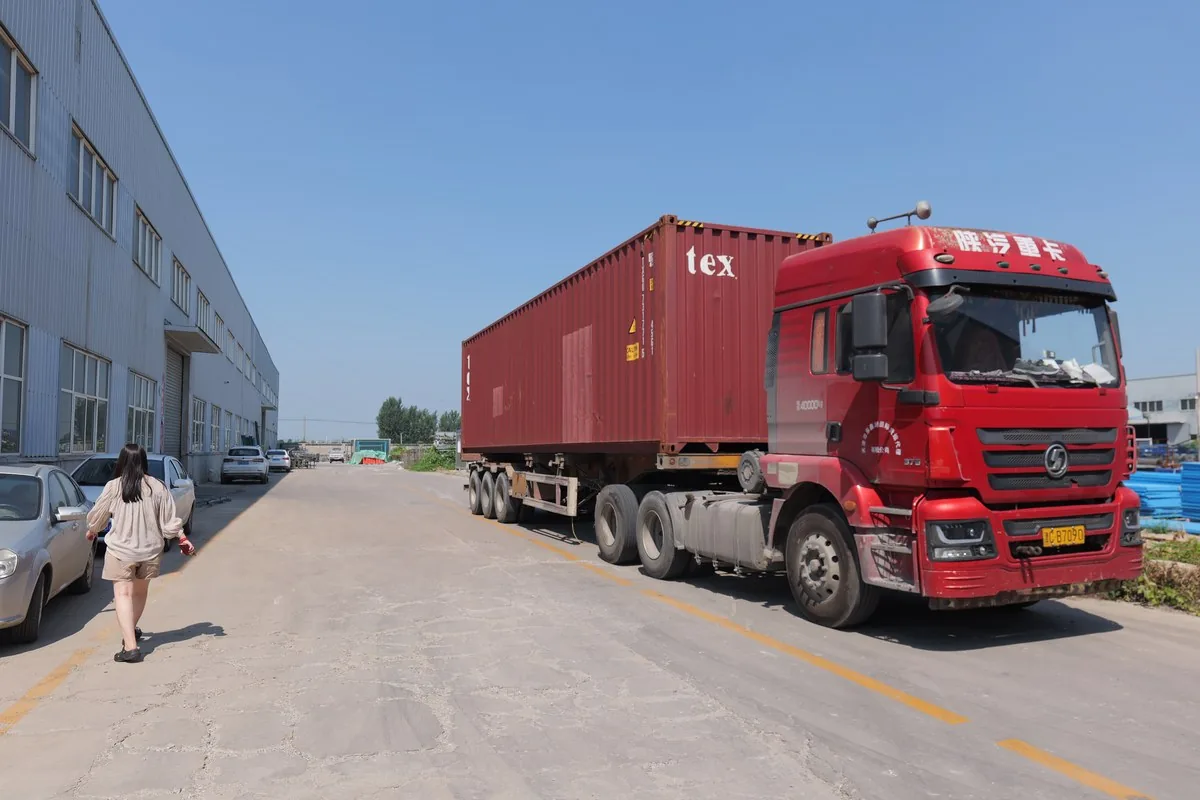
For packing and loading checks, the same logic used for fence panels and wire mesh rolls also applies to farm fence orders. The wire mesh fence export packing checklist gives a more detailed pre-shipment review framework.
Field Fence RFQ Checklist
Before asking for price, prepare the following details. This keeps the supplier from guessing and makes quotations easier to compare.
- Animal type or project use: cattle, sheep, goats, deer, farm perimeter, garden or mixed use.
- Fence structure: woven wire, fixed knot, hinge joint, welded panel, barbed wire, high-tensile wire or mixed package.
- Height, roll length or panel size.
- Mesh opening and wire diameter, or a reference sample/photo if the buyer is unsure.
- Surface treatment and color requirement if applicable.
- Posts, gates, clips, barbed wire, tension wire and other accessories.
- Packing method, label requirement, pallet/bundle basis and loading proof request.
- Quantity, destination port/country and expected delivery timing.
If you are comparing multiple fence systems, use this checklist together with the wire mesh fence quotation checklist and the welded mesh fence vs chain link fence comparison.
Frequently Asked Questions
What type of field fence is commonly used for cattle?
Woven wire field fence, fixed knot fence and barbed wire systems are commonly discussed for cattle projects. The right choice depends on animal pressure, fence length, terrain, post plan and whether the buyer needs a physical mesh barrier or a boundary support system.
Is woven wire field fence better than welded wire panels?
Not always. Woven wire rolls are usually more practical for long farm fence lines. Welded wire panels can be better for smaller pens, neat panel layouts or areas where rigidity is important. Buyers should compare by application, not only by unit price.
What information should I send for a field fence quotation?
Send animal type, fence type, height, roll length, wire diameter, mesh opening, coating, accessories, packing method, quantity and destination. Photos of the current fence or target design can also help.
Can field fence be shipped with posts and accessories?
Yes, many B2B orders are prepared as mixed fence packages. The buyer should confirm whether posts, gates, clips, barbed wire, tension wire and labels are included in the quotation and loading plan.
How should I compare two field fence quotations?
Compare the same structure, wire diameter, mesh opening, height, roll length, coating, packing and delivery basis. If one quote includes pallets, accessories or custom labels and another does not, the price is not directly comparable.
Conclusion: Start With Use Case, Then Lock the Specification
A good field fence order starts with the animal or project use, then moves into mesh opening, wire diameter, height, coating, accessories and packing. This helps buyers avoid vague quotations and makes it easier to compare suppliers.
If you are preparing a field fence order, send your animal type, fence height, roll length, coating, packing requirement, quantity and destination. The factory can then quote on the same specification basis.
About ANJIA GROUP
ANJIA GROUP supplies wire mesh, fencing and related industrial products for global B2B buyers. Contact our team to discuss product specifications, matching accessories and export packing.
Discuss your sourcing requirements
Send your product requirements and any relevant drawings to our team.
Get a Free Business Quote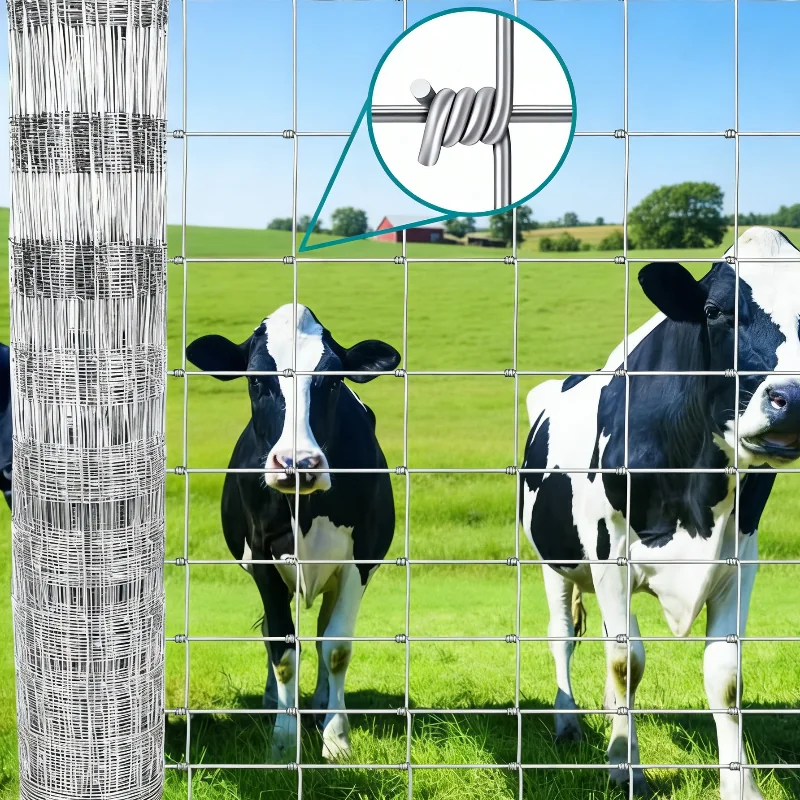 Field Fence
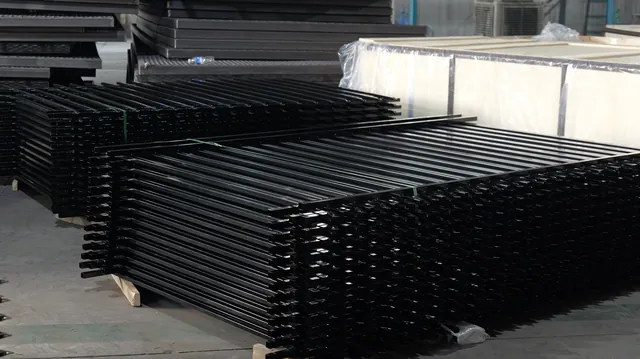 Fence Products
 Fence Coating & Exposure Zone Selector
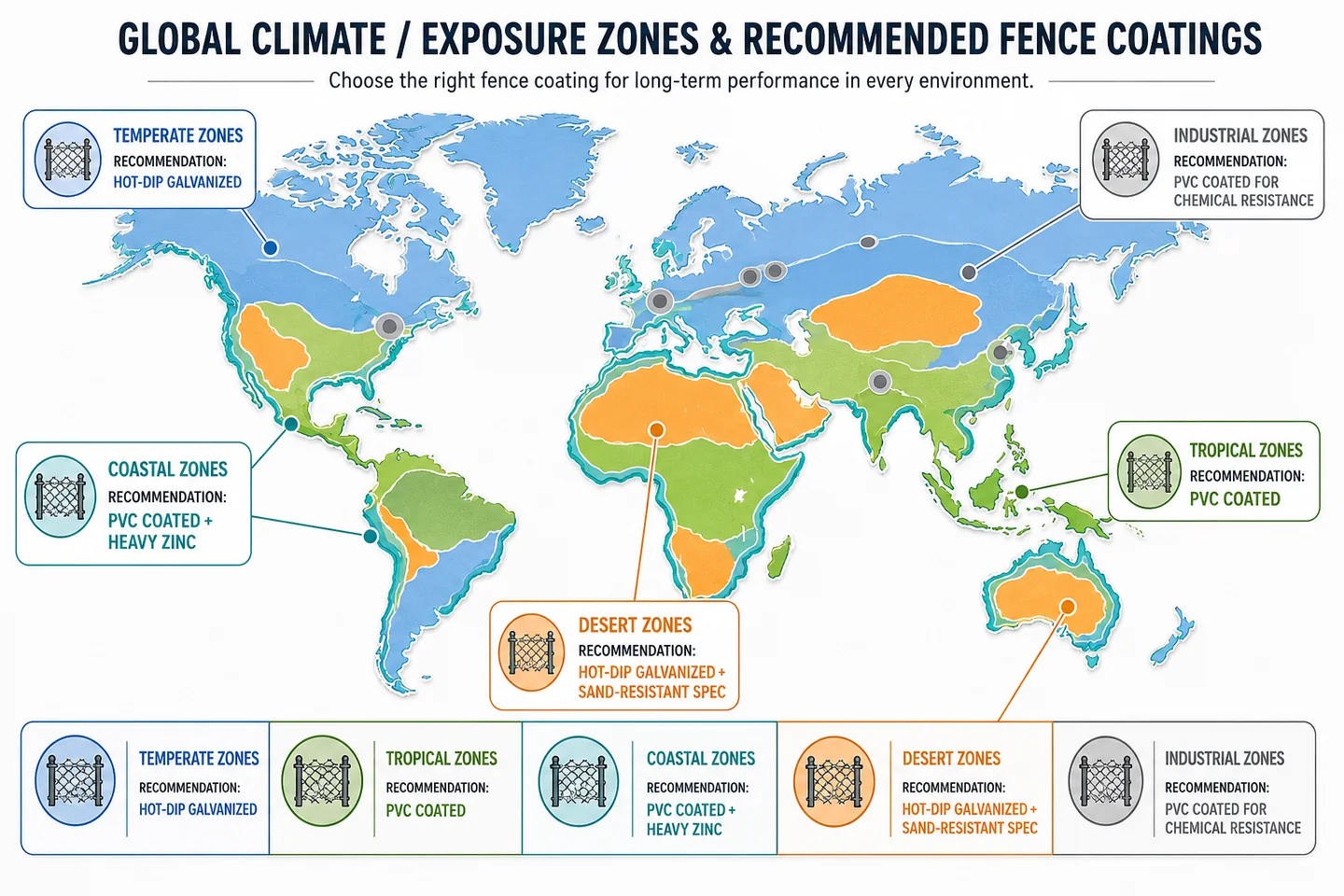 Galvanized vs PVC Coated Wire Mesh Guide