
Window Screen Material Selection Guide: Plastic, Electro Galvanized and Enamelled Iron
Updated Jul 12, 2026
A practical material selection guide for importers comparing plastic, electro galvanized and enamelled iron window screen rolls before RFQ.
Table of contents
Plastic window screen, electro galvanized window screen and enamelled iron window screen are often quoted together, but they do not solve the same buyer problem. A useful RFQ should start with the destination market, expected environment, mesh count, roll width, roll length, material finish, roll weight and packing labels before comparing unit prices.
This window screen material selection guide is written for importers choosing roll products for insect protection, ventilation and resale markets. It does not claim universal service life, UV aging results, fire-rating suitability, food-contact suitability or local building approval. If a project or local market needs a test report, the requirement should be stated before quotation.
Use the guide to narrow material choice and prepare a proof-ready inquiry, not to treat every window screen roll as interchangeable.

Start with the market and environment
The most useful first question is not "which screen is best?" It is "which material matches the buyer's market, environment and price position?"
For a dry inland market, a basic metal screen may be enough. For a humid or coastal market, the buyer may prefer non-rusting plastic or another corrosion-resistant alternative. For a residential market where appearance matters, an enamelled surface may be easier to sell than a plain metallic finish. For a distributor selling several grades, the material range should be separated clearly by label, roll color, carton mark and packing list.
Before asking for price, confirm:
- target market and installation environment;
- required material type and color;
- mesh count or opening size;
- roll width, roll length and roll weight;
- core, film, carton or pallet packing;
- label language and private-label requirements;
- whether samples, documents or test reports are required.
This gives the supplier enough information to quote comparable options.
Plastic window screen: when it fits
Plastic window screen is usually selected when the buyer needs a lightweight, non-metallic insect screen roll. It is often discussed for corrosion-sensitive markets, light handling, simple retail packaging or price-driven distribution.
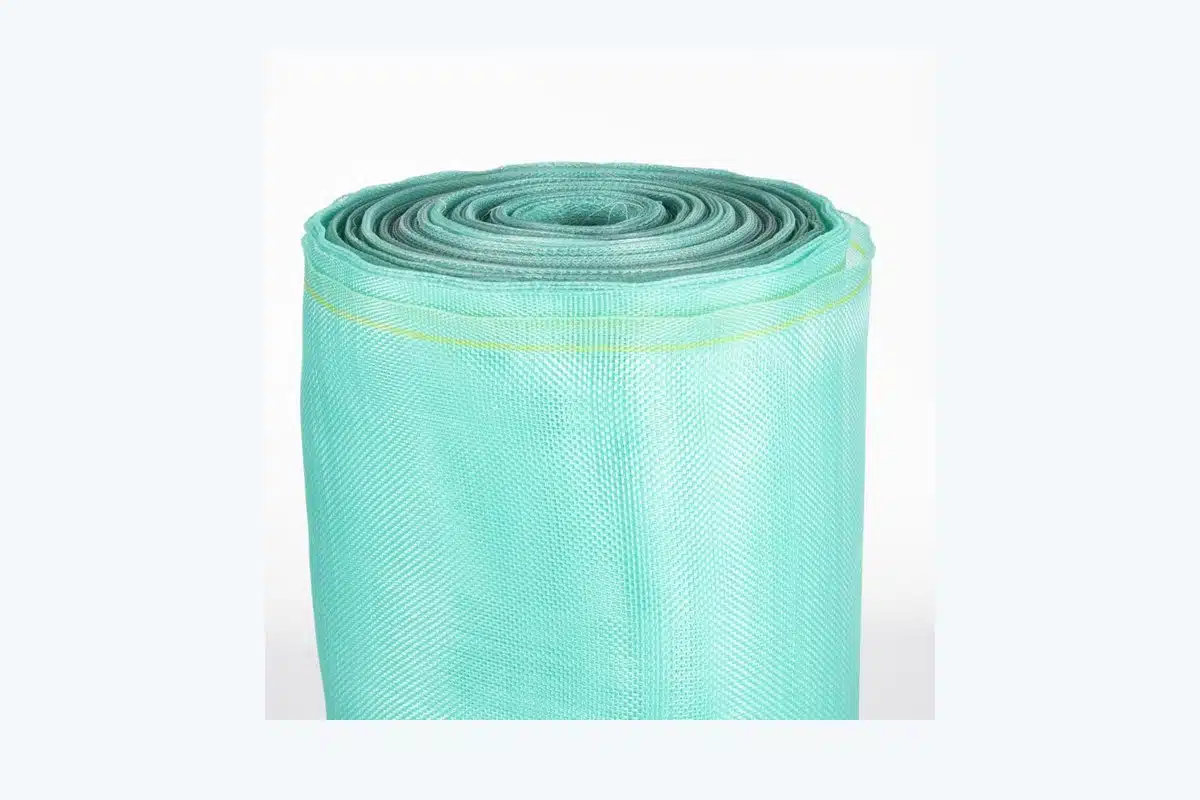
Useful RFQ fields include:
- material type, such as PVC, PE or buyer-specified plastic;
- mesh count and actual opening size;
- roll width and roll length;
- color, such as green, gray, white or buyer sample color;
- roll weight or grams per square meter if the buyer uses weight to compare cost;
- roll core, film wrap, carton or pallet requirement;
- sample approval and color tolerance.
Plastic screen does not rust, but that does not mean every plastic screen has the same UV stability, temperature behavior or service life. Those claims need test documents or buyer-specific acceptance criteria.
Electro galvanized window screen: when it fits
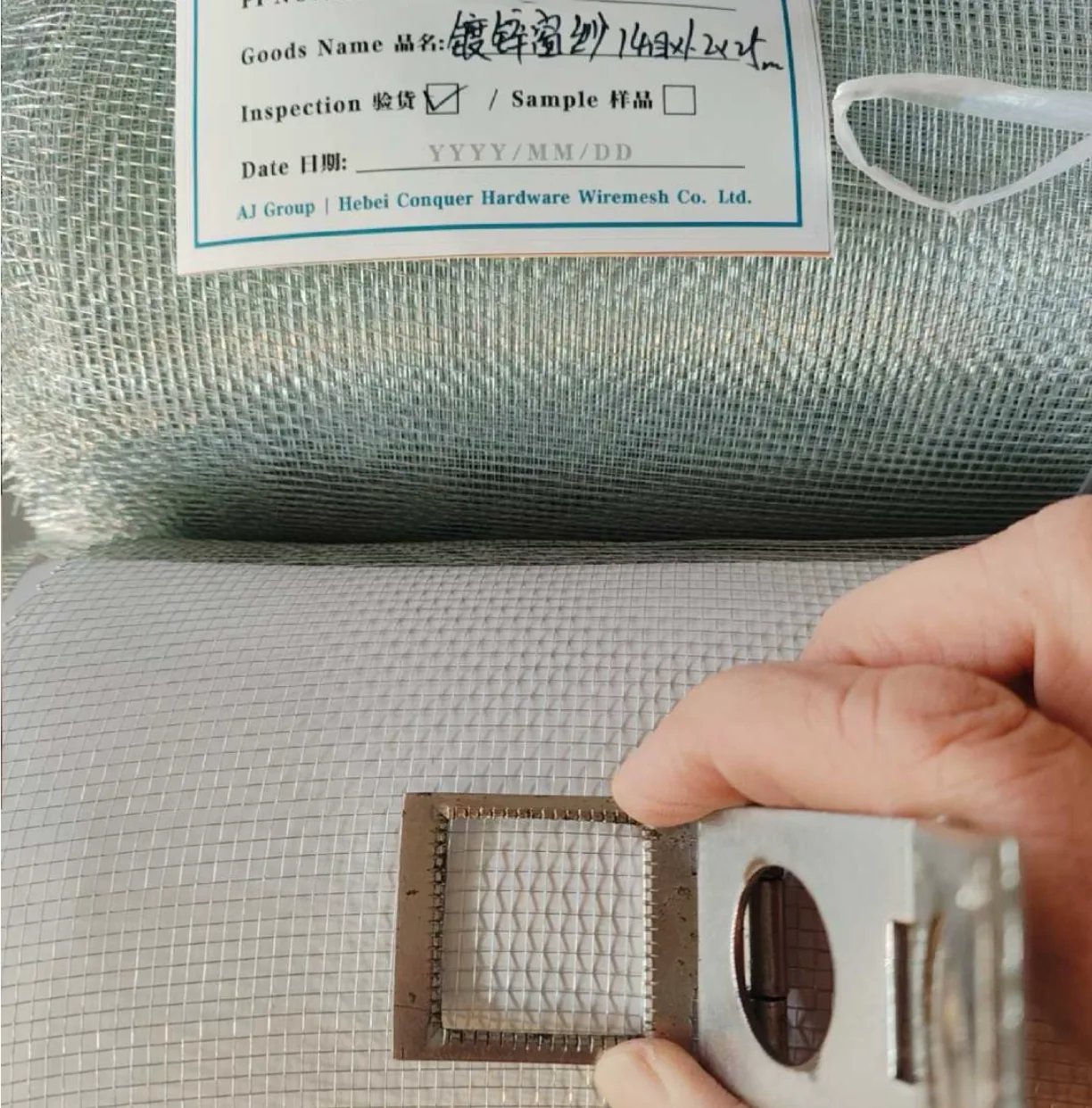
Electro galvanized window screen is a metal screen made from low-carbon steel wire with an electro zinc coating. It is normally positioned as a cost-conscious metallic option for standard window screen markets.
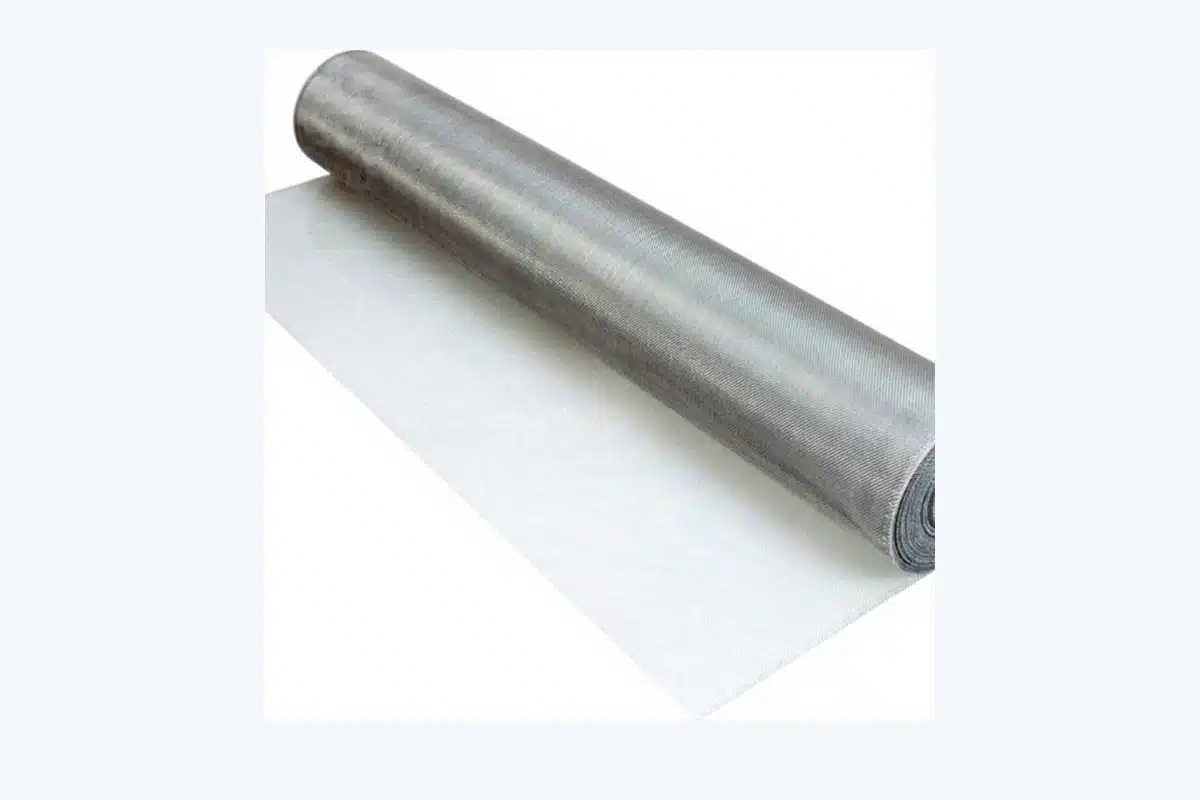
Buyers should confirm:
- mesh count, such as 14 x 14, 16 x 16 or another market requirement;
- wire diameter and tolerance;
- whether wire diameter is measured before or after coating;
- zinc coating expectation if the buyer has a defined requirement;
- roll width, roll length and roll weight;
- surface appearance and acceptable oxidation marks;
- packing and label format.
Electro galvanized screen can be a practical low-cost choice in suitable markets, but it should not be described as a universal corrosion solution. Humid, coastal or chemical environments may require another material or a documented test requirement.
Enamelled iron window screen: when it fits
Enamelled iron window screen is usually selected when the buyer wants a coated metal screen with a more finished appearance. The enamel coating helps create color and a smoother visual finish, which can matter for residential resale and decorative screen markets.
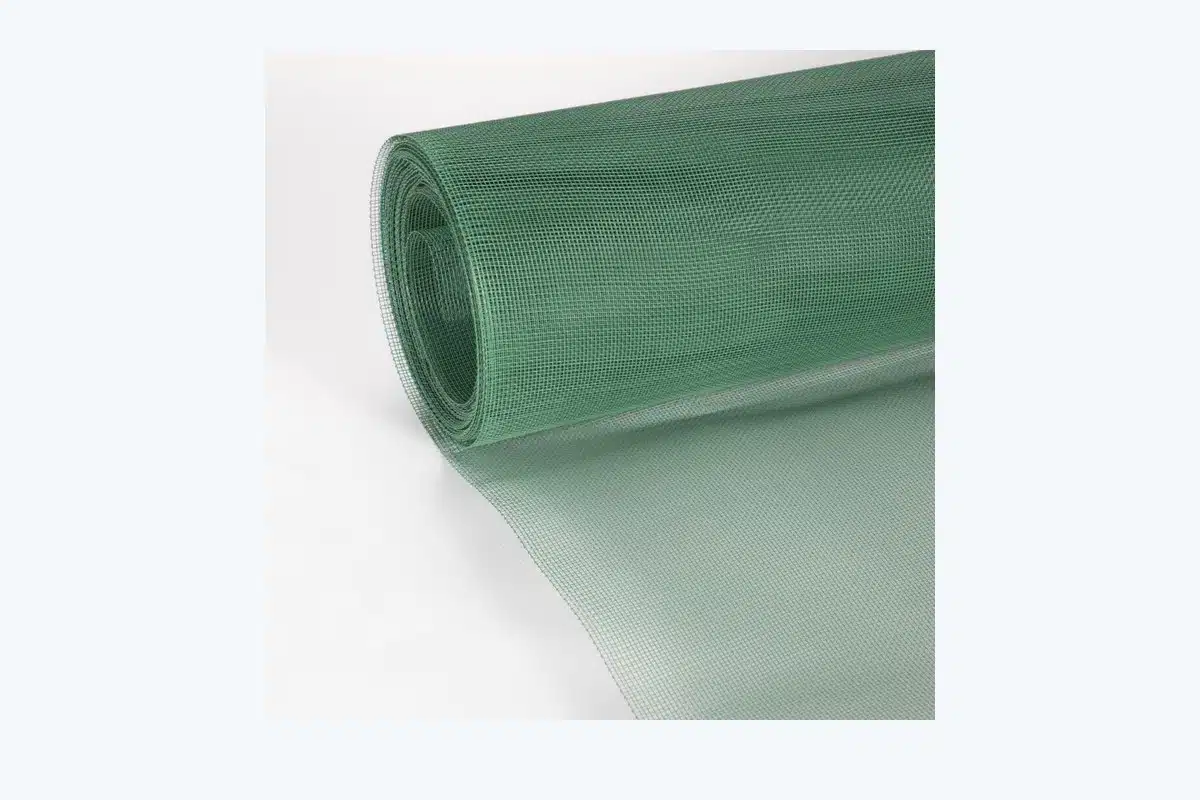
Confirm:
- base wire material and wire diameter;
- mesh count or opening;
- enamel color, gloss and sample matching method;
- whether the diameter includes coating thickness;
- roll width, length and roll weight;
- packing protection to reduce coating scratches;
- label and carton marks for mixed-material shipments.
Enamelled screen is not automatically better for every order. If the coating appearance is the main selling point, sample approval and packing protection become more important than a generic material name.
Comparison matrix for RFQ review
The table below helps buyers compare these materials as sourcing options. Actual quotation should still follow the order specification and sample approval.
| RFQ field | Plastic window screen | Electro galvanized window screen | Enamelled iron window screen | Buyer check |
|---|---|---|---|---|
| Main role | Lightweight non-metallic insect screen | Low-cost metallic insect screen | Coated metal screen with stronger appearance focus | Match material to market position |
| Corrosion context | Does not rust, but plastic aging depends on formula and use | Zinc coating offers basic protection in suitable environments | Coating acts as a surface barrier if intact | Avoid universal corrosion-life claims |
| Appearance | Green, gray, white or buyer color | Silver metallic | Black, green, blue or other coated finish | Confirm sample and color tolerance |
| Mesh and opening | Mesh count and opening must be specified | Mesh count plus wire diameter | Mesh count plus coated wire diameter | Check actual opening if critical |
| Weight and cost | Usually light; compare area weight | Metal weight affects cost and freight | Coating and wire weight affect cost | Ask for roll weight when pricing is unclear |
| Packing risk | Roll deformation, color mix, label mix-up | Rust mark risk if stored poorly | Coating scratch risk | Confirm wrap, carton, pallet and labels |
| What additional confirmation may be needed | Photos and samples support review | Photos, samples and weight checks support review | Samples and packing photos support review | Test reports are needed for formal claims |
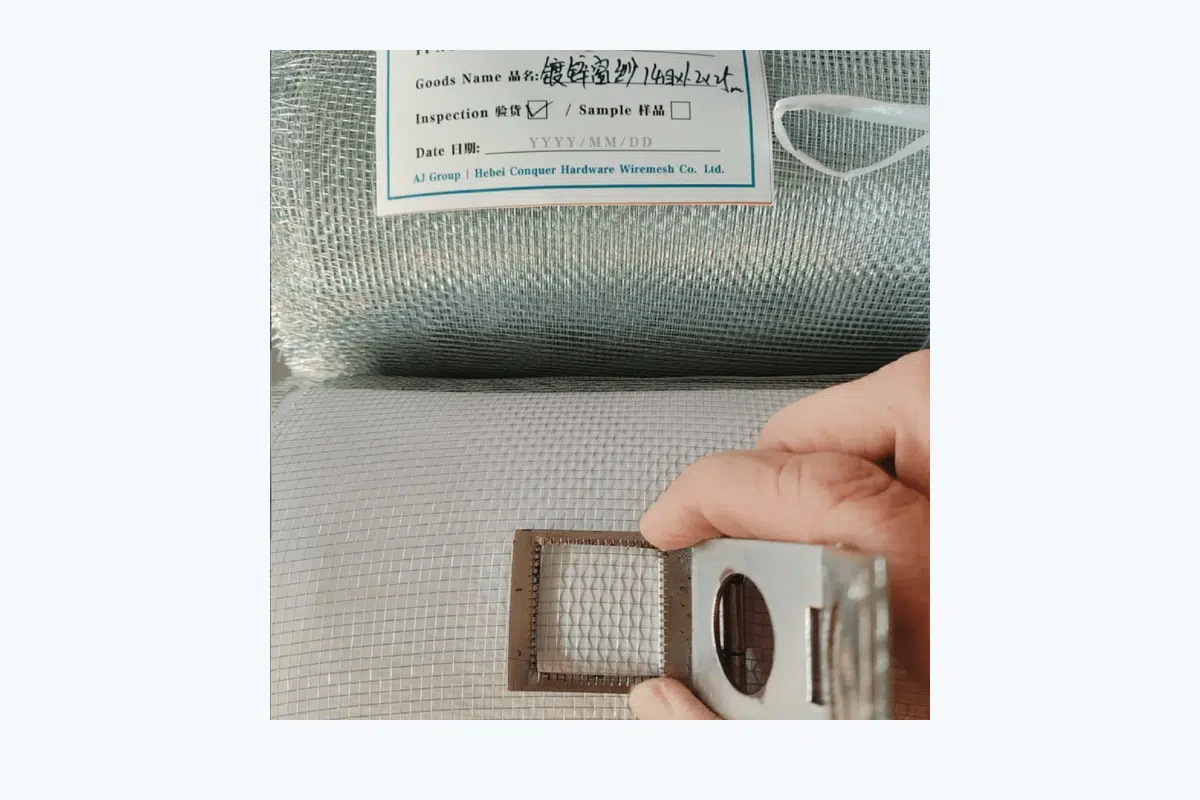
Weight, roll size and price should be checked together
For window screen rolls, price differences often come from material, wire or yarn diameter, mesh count, roll width, roll length and roll weight. If two offers look similar but roll weight is very different, the buyer should check whether the material thickness or actual roll length differs.
Practical checks include:
- compare roll width and roll length before comparing price per roll;
- ask for roll weight or area weight when the material is cost-sensitive;
- confirm whether the sample matches bulk weight and texture;
- check whether carton quantity and pallet quantity match the packing list;
- avoid mixing plastic and metal screens under one generic "window screen" item code.
Weight is not a replacement for specification, but it is a useful cross-check. It can reveal under-specified material, shorter roll length, changed wire diameter or packing differences before shipment.
Packing and labels for mixed window screen orders
Mixed window screen shipments need stricter label control because roll products can look similar in cartons or pallets. Plastic, electro galvanized and enamelled screen should be separated by material name, mesh count, roll size, color and quantity.
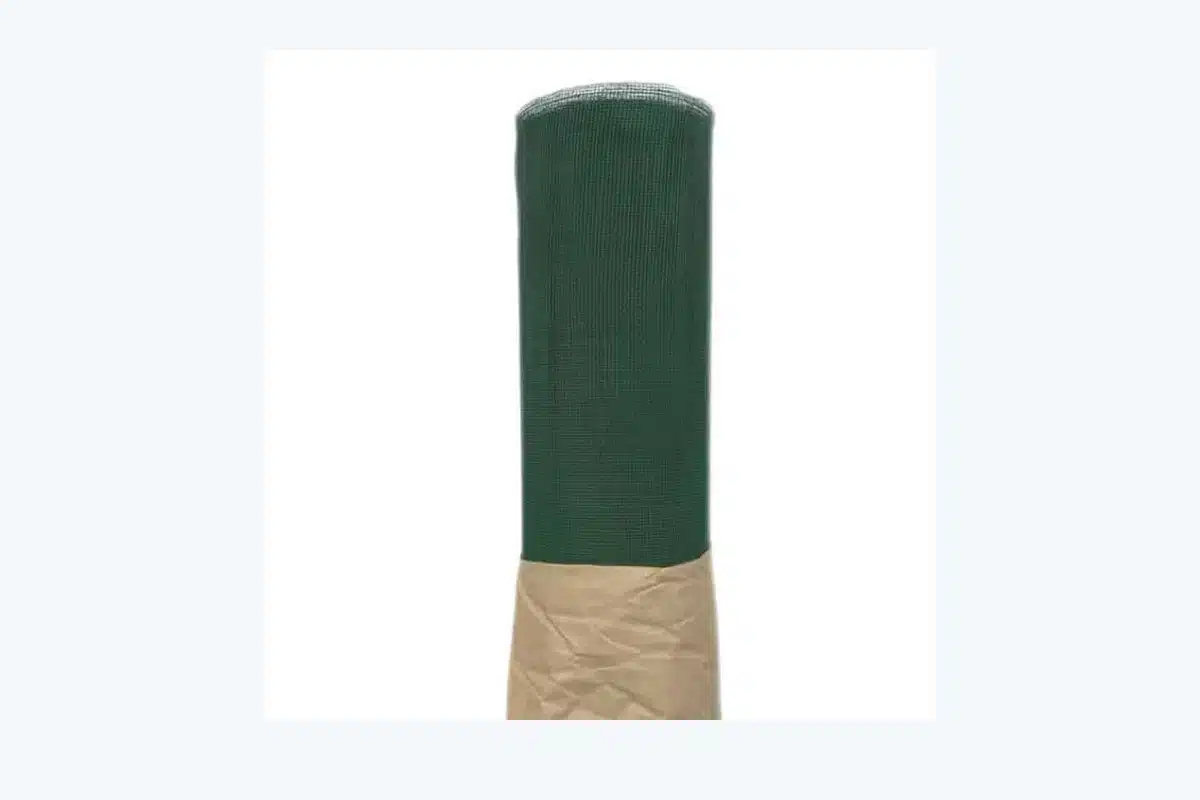
Ask for label photos that show:
- material type;
- mesh count or opening;
- roll width and roll length;
- color or finish;
- roll count, carton count or pallet count;
- gross weight and net weight if required;
- buyer item code if used.
Packing photos help the buyer review shipment organization, but they do not replace receiving inspection. For private-label orders, photos should hide buyer-sensitive data, barcodes and PO numbers before being reused publicly.
When to compare aluminum or stainless alternatives
The three materials in this guide cover common low-to-mid window screen choices. Some buyers should still compare alternatives:
- aluminum window screen when the buyer wants a lightweight metallic screen and a different corrosion profile;
- stainless steel window screen when the buyer needs a more durable stainless option and is willing to accept higher material cost;
- security screen mesh when the discussion is about a heavier protective screen rather than a standard insect screen.
Keep the comparison tied to buyer use. Adding every possible screen material to an RFQ can create confusion unless the buyer is building a range for resale.
Common RFQ mistakes to avoid
Avoid these issues before supplier comparison:
- asking for "window screen" without material and mesh count;
- comparing prices without roll width, roll length and roll weight;
- assuming plastic screen always means the same formula or UV behavior;
- assuming electro galvanized screen is suitable for every humid market;
- accepting enamelled screen color without sample approval;
- mixing several materials in one container without clear labels;
- using product photos as proof of lifespan or compliance.
Clear RFQ fields reduce quotation revisions and help receiving teams match rolls to the packing list.
Frequently asked questions
Which window screen material is lowest cost?
Plastic and electro galvanized options are often price-competitive, but the actual answer depends on mesh count, roll size, weight, packing and order quantity. Buyers should compare equivalent specifications before choosing only by unit price.
Which material is better for humid or coastal markets?
Plastic screen does not rust, while electro galvanized and enamelled iron are metal products with different surface protection. For harsh environments, buyers should define the environment and required proof before selecting material. Stainless or aluminum alternatives may also be considered.
Why should roll weight be requested?
Roll weight helps buyers check whether two offers use similar material quantity. When width, length and mesh count are fixed, a large weight difference may indicate a different yarn or wire diameter, shorter roll, or different packing unit.
Can three materials be shipped in one container?
Yes, but each material should be packed and labeled separately. Mixed shipments should include clear packing lists, label photos and roll count checks so receiving teams can identify each material.
Do samples prove long-term lifespan?
No. Samples help verify appearance, mesh count, roll feel, color and basic specification. Long-term aging, corrosion, UV behavior or compliance claims require test documents or buyer-defined acceptance criteria.
Prepare a window screen material RFQ
For order-specific support, send material type, target market, mesh count, roll width, roll length, color, roll weight expectation, packing method and label requirements through the ANJIA inquiry page. ANJIA can review supply-side window screen fields and proof records before quotation or sample approval.
About ANJIA GROUP
ANJIA GROUP supplies wire mesh, fencing and related industrial products for global B2B buyers. Contact our team to discuss product specifications, matching accessories and export packing.
Discuss your sourcing requirements
Send your product requirements and any relevant drawings to our team.
Get a Free Business Quote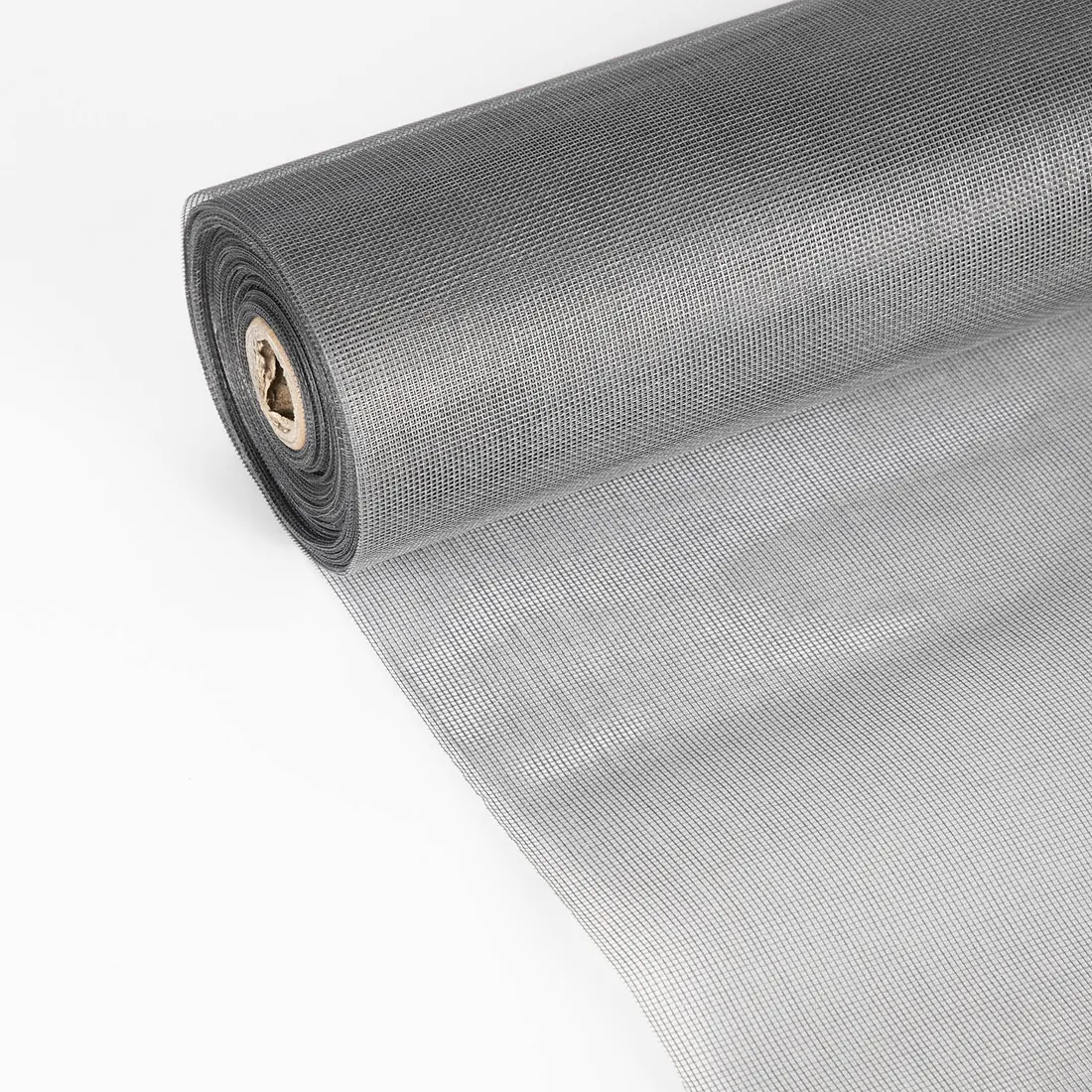 Plastic Window Screen
 Electro Galvanized Window Screen
 Galvanized vs PVC Coated Wire Mesh Guide
 Fence Coating & Exposure Zone Selector