
UAE Construction Buyer Visits ANJIA’s Guangzhou Factory to Review Brick Mesh, Binding Wire and Perforated Metal
Updated Aug 28, 2026
During a recent factory visit, a Sharjah-based UAE construction contractor reviewed brick mesh, binding wire and perforated metal with ANJIA's team to prepare a clearer RFQ.
Table of contents
During a recent visit to our Guangzhou factory, a Sharjah-based construction contractor from the UAE reviewed brick mesh, binding wire and perforated metal with our team. Our General Manager, Mr. Li, hosted the walkthrough so the visiting team could compare product form, material handling and the production details that affect an RFQ. For buyers sourcing construction materials from China, an in-person factory visit can help turn a broad product request into defined information: the intended application, product dimensions, material and finish, drawing or sample reference, quantity, packing method and inspection expectations. The visit focused on those practical questions instead of a generic showroom presentation. We use the same discussion sequence when buyers visit in person or send us a product file remotely. It helps align the quotation with the requested scope before any production arrangement, sample decision or shipment planning begins.

Why this factory visit mattered to the buyer
For construction contractors and materials buyers, a first factory visit is most useful when it links the product discussion to the next purchasing decision. The visiting team came to look beyond a catalogue image and discuss how each requested product should be described, checked and packed before an inquiry moves forward.
We welcomed the UAE-based visitor to our Guangzhou facility and introduced the production areas relevant to the request. The conversation covered three product directions: brick mesh for masonry reinforcement, wire suitable for binding and tying work, and perforated metal sheets. Each has different quotation fields, handling needs and drawing requirements.
The visitor did not need a broad factory promise. He needed a clearer way to compare product options and prepare the right details for a practical quotation. That is the purpose of a factory review: turn a general material list into an RFQ that both sides can read in the same way.

How to prepare a focused factory visit
The most useful visit begins before the buyer arrives. We recommend sharing a short item list in advance and grouping products by application rather than by a broad category name. For brick mesh, a buyer can bring the wall or blockwork reference, the required width and the preferred roll or strip format. For binding wire, the use case and coil expectation are usually more helpful than a material name alone. For perforated metal, a drawing or a clear photograph with dimensions gives the workshop discussion a much stronger starting point.
This preparation lets us arrange the conversation around the requested products, identify the questions that need a drawing or sample, and make time for packing and inspection expectations. A buyer does not need a final purchase order to have a productive factory visit. A clear initial brief is enough to create a practical review agenda and identify what still needs to be confirmed in the later RFQ.
Products reviewed during the visit
| Product direction | What we discussed during the walkthrough | What a buyer should define before requesting a quote |
|---|---|---|
| Brick mesh | Product form, width, roll or strip format, opening, material and packing direction for masonry reinforcement. | Application, width, length, opening, wire or strand size, coating, roll or strip requirement, quantity and packing. |
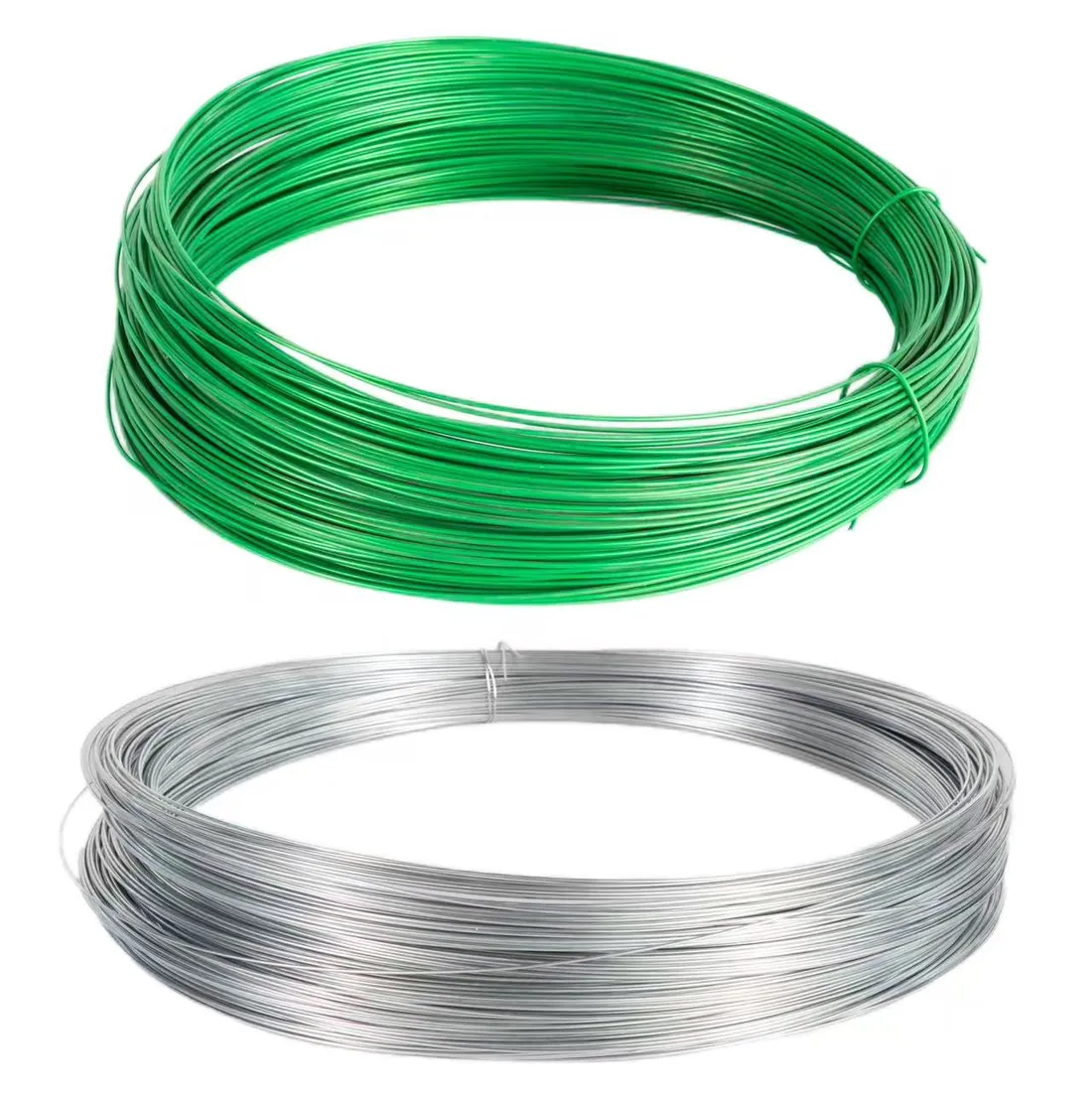
| Binding wire | Wire use, softness or tensile expectation, coil or bundle format and handling during tying work. | Material, wire diameter or gauge, finish, softness requirement, coil weight, packing and intended use. |
| Perforated metal | Sheet format, hole pattern, punching direction, edge treatment and how flat sheets should be protected in packing. | Material, thickness, hole shape and size, pitch, sheet size, finish, drawing, quantity and packing. |

For the binding-wire discussion, we use galvanized iron wire as a starting point when a buyer needs zinc-coated wire coils. Some projects may need another wire finish or handling characteristic, so the final requirement should always follow the application and the buyer's product file.
Reviewing perforated metal in the workshop
The perforated-metal discussion took place beside the equipment and material handling area. For a buyer, this makes it easier to connect a drawing with the questions that can otherwise remain unclear in an email: whether the requested sheet needs round, square or slotted holes; how the pitch is measured; whether a margin is required; and how sheets should be stacked to protect the surface during export handling.
We explained that a drawing should carry more than an overall sheet size. Hole shape, hole size, pitch, thickness, material, finish and edge details can all affect the product discussion. If the buyer is comparing perforated metal with another open-sheet product, our perforated metal versus expanded metal guide gives a useful first comparison before the RFQ is prepared.

What buyers can check during a factory visit
We structure a visit around the same decision points we use for remote sourcing. Buyers do not need to inspect every operation. They should focus on the checkpoints that make the requested product, quotation and evidence plan easier to confirm.
| Factory-visit checkpoint | Why it helps the buyer | Follow-up information to send us |
|---|---|---|
| Product sample or material reference | Confirms that both sides are discussing the same product form. | A physical sample, clear photos or an item code. |
| Dimension and drawing review | Separates the critical measurements from general product language. | Drawing, width, length, opening, thickness or wire-diameter requirements. |
| Material and finish discussion | Helps define the appropriate material wording and surface expectation. | Material grade where specified, coating or finish requirement, and intended exposure. |
| Packing and handling review | Brings receiving, unloading and surface protection into the RFQ early. | Bundle, pallet, label, loading and receiving requirements. |
| Pre-shipment proof plan | Lets us agree which photos, measurements or third-party checks matter before release. | Inspection points, photo requirements, document requests and acceptance process. |
Brick mesh and binding wire: details that change the RFQ
Brick mesh and binding wire can both be described with short product names, yet the quotation becomes unreliable if the material format is left open. For brick mesh, we ask whether the buyer needs expanded brick mesh, welded ladder-style reinforcement or another defined construction format. We then confirm the measurements, material, coating and packing unit against the requested application.
For wire used in binding work, diameter alone does not explain the full requirement. The buyer should also state the intended tying task, finish, softness expectation, coil weight and preferred packing. This is particularly useful for contractors who are comparing material lists from more than one supplier and need the quotations to cover the same basis.
Our brick mesh RFQ and packing guide and galvanized iron wire buying guide set out the relevant fields in more detail. They are useful before a factory visit as well as after one, when the buyer is turning notes and photos into a purchase request.
A clearer sequence from visit to inquiry
After a factory walkthrough, we recommend that buyers follow a simple sequence:
- Confirm the product family and application for each line item.
- Send the drawing, sample photo or local specification that controls the product form.
- List the dimensions, material, finish, quantity and packing requirement separately for each product.
- Tell us which production, measurement, packing or loading evidence is needed before shipment.
- Ask for a quotation only after the scope is clear enough to compare.
This approach helps a visiting buyer and a remote buyer work from the same sourcing record. It also gives our team a practical basis for checking whether the requested brick mesh, binding wire and perforated metal items should be quoted as separate products or as part of one coordinated purchase plan.
What a factory visit can confirm, and what still needs a product file
A factory visit can give a buyer useful first-hand context: how a product is discussed on the shop floor, which dimensions deserve attention, how material is handled and which packing questions need to be addressed. It can also help the buyer decide which samples, photos or measurement points should be included in a later review. That is why we encourage visitors to bring an item list, sample or drawing rather than relying only on a product name.
The visit does not replace the formal documents that control an order. Final product feasibility, quantity, specification, finish, packing, inspection scope and shipment arrangement should still be confirmed from the buyer's approved RFQ and the agreed order documents. A construction contractor may have several line items, different end uses and different receiving conditions, so each item should be recorded separately.
For the UAE visit, this distinction kept the discussion practical. Brick mesh, binding wire and perforated metal were reviewed as separate material directions, then linked back to the drawings, samples and packing expectations the buyer will need for the next sourcing step. This gives buyers a more dependable path from an initial factory impression to a comparable quotation.
Plan a factory visit or send us your RFQ
We welcome buyers who want to review product samples, production context and packing expectations in person. If you are sourcing brick mesh, binding wire, perforated metal or related construction materials from China, send us your product list, drawings, expected quantity, destination and inspection requirements through the ANJIA inquiry page or email sales@anjiamesh.com. Our team will help you prepare a factory-visit agenda or a quotation-ready RFQ that matches the products you need to review.
About ANJIA GROUP
ANJIA GROUP supplies wire mesh, fencing and related industrial products for global B2B buyers. Contact our team to discuss product specifications, matching accessories and export packing.
Discuss your sourcing requirements
Send your product requirements and any relevant drawings to our team.
Get a Free Business Quote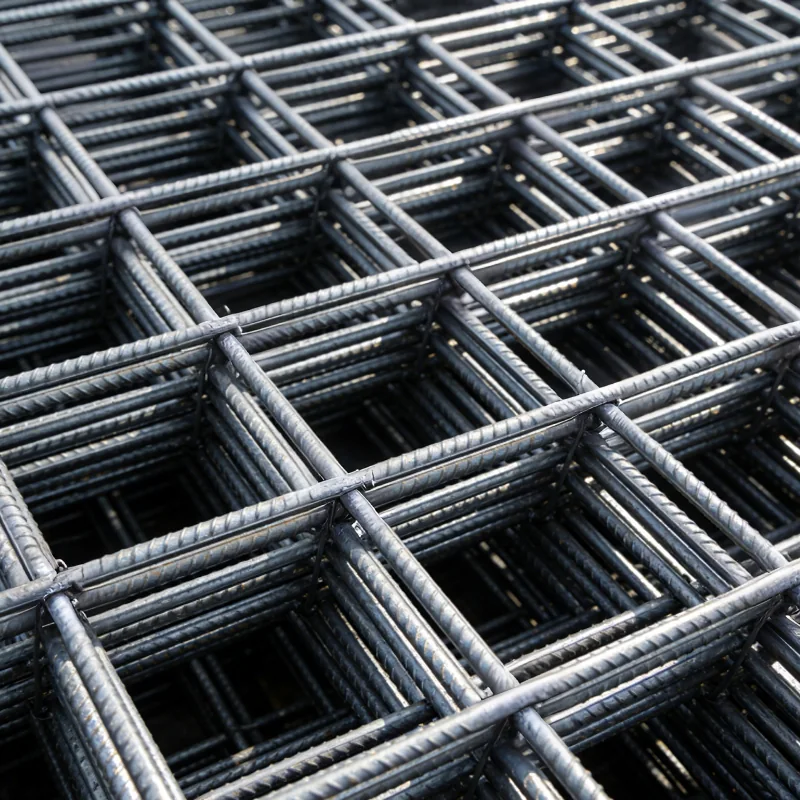 Brick Mesh
 Galvanized Iron Wire
 Wire Mesh RFQ Specification Builder
 Wire Mesh Weight Calculator