Galvanized vs PVC Coated Wire Mesh: Application Differences for B2B Buyers
Updated Jun 24, 2026
Compare galvanized and PVC coated wire mesh by appearance, application fit, color control, handling, packing risk and RFQ questions for B2B buyers.
Table of contents
When buyers compare galvanized vs PVC coated wire mesh, the decision is usually not about which finish is better in every situation. It is about which finish is easier to specify, install, protect during shipment and use in the final application.
Galvanized wire mesh gives a metallic zinc finish. PVC coated wire mesh gives a colored outer coating that is often selected for fencing, landscape, garden and visible public-area projects. Both can be practical choices, but they create different questions for RFQ, packing review and on-site handling.
This guide compares the two options by appearance, application fit, handling, color control, packing risk and RFQ details. For buyers still building a general specification, the wire mesh buying guides hub can also help connect coating selection with mesh opening, wire diameter, packing and shipment checks.
Appearance: metallic finish vs colored coating
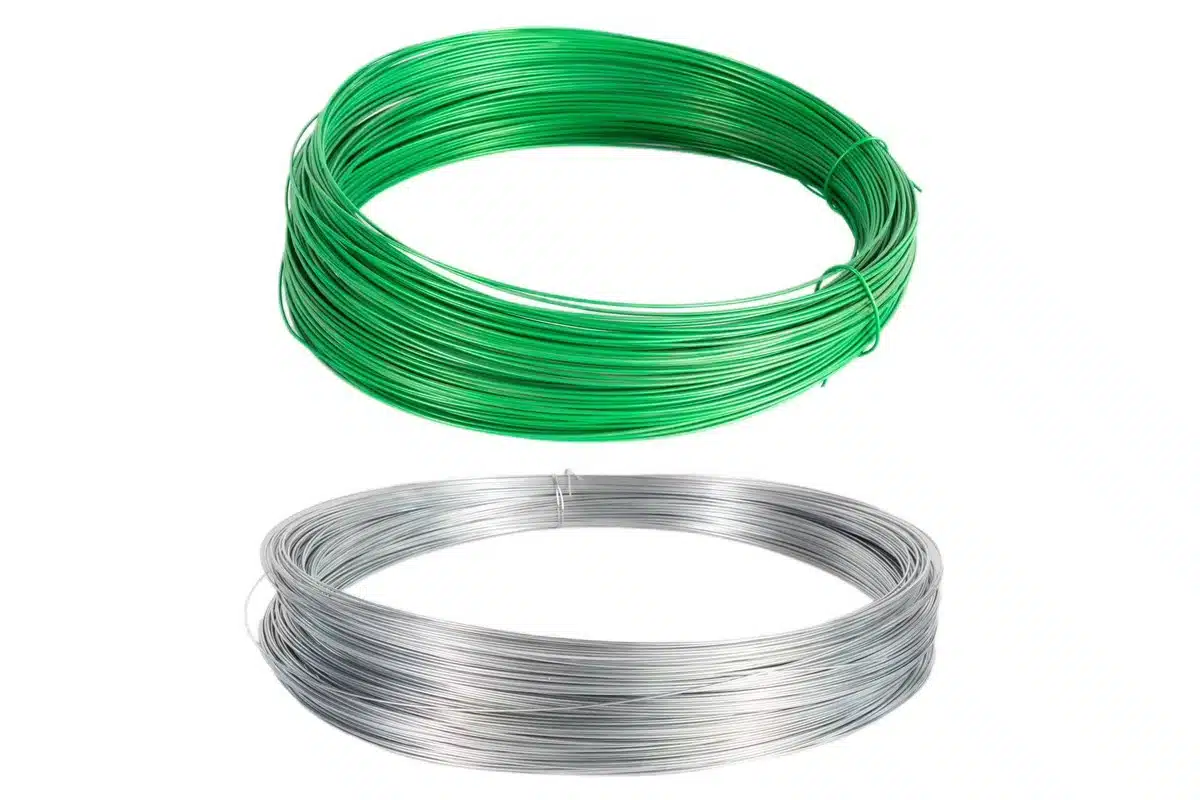
The most visible difference is the surface. Galvanized mesh has a silver or gray metallic appearance. Depending on the process and product, the surface may look bright, matte or slightly patterned. For construction, agriculture, industrial storage, temporary works and hidden installation positions, this appearance is often acceptable because function matters more than color matching.
PVC coated mesh has a colored outer surface. Green, black and gray are common buyer references, but the exact color range depends on product type, production route and order requirement. This finish is often preferred when the mesh remains visible after installation, such as garden fencing, commercial perimeter fencing, public landscaping or animal enclosure projects.
The buyer's first question should be practical: will the mesh be visible after installation? If the answer is no, galvanized may be enough. If the mesh needs to match a fence line, landscape or building environment, PVC coating may be worth discussing.
Application fit: where each option is usually considered
Galvanized wire mesh is often considered for applications where strength, production practicality and straightforward handling are more important than color. Examples include:
- welded wire mesh used for construction, cages, shelving, partitions and general industrial use;
- agricultural mesh, livestock enclosures and utility fencing;
- gabion baskets, retaining structures and drainage-related mesh products;
- general wire mesh rolls and panels where metallic finish is acceptable;
- base material or pre-finished components that will not be judged mainly by color.
PVC coated wire mesh is often considered for applications where appearance and visual integration matter. Examples include:
- garden, park and landscape fencing;
- residential or commercial perimeter fencing;
- animal enclosures in public-facing areas;
- chain link fence and hexagonal wire netting where green or black finish is preferred;
- visible mesh products where color should match a buyer's project design.
There are also neutral cases. For temporary fence panels, warehouse partitions, sports field fencing or project fencing, either finish may be possible depending on buyer preference, budget range, packing requirement and local installation practice. Buyers can review available product categories through the ANJIA product center before sending a coating-specific inquiry.
Handling and installation: what changes on site
The coating choice can affect installation work. PVC coated wire normally has an additional outer layer, so a comparable product may feel slightly heavier or thicker than its galvanized version. The difference may be small on one panel or one roll, but it can matter when the buyer is calculating container loading, pallet weight or installation labor.
Cutting and bending also need attention. Both galvanized and PVC coated products can be cut with appropriate tools, but a cut point on PVC coated mesh may expose the base wire or base coating. For visible fencing projects, buyers should ask how cut ends, trimmed panels or field adjustments will be handled. Some projects may require touch-up treatment or controlled cutting positions. The exact method should be confirmed according to the product and installation requirement.
Welding after coating is another practical issue. PVC coated mesh should not be treated like plain wire during high-heat work. If the project requires on-site welding, the buyer should confirm the installation route before choosing a finished PVC coated product. For many fence projects, bolts, clips, clamps or posts are a more realistic connection method than welding after coating.

Color control: do not rely on a color name alone
PVC coating is attractive because it gives the buyer a color option. But color is also one of the most common sources of misunderstanding if the RFQ is too vague.
Instead of writing only "green PVC coated mesh", a buyer should provide a clearer color reference when appearance matters. A RAL color code, previous approved sample, project photo or physical swatch can reduce ambiguity. For repeat orders, the buyer should also keep the reference sample from the first approved shipment so future batches can be compared against the same baseline.
Buyers should also confirm whether the required color is a normal production color or a special color. Special colors may affect production planning, minimum quantity or delivery time. Those details should be confirmed before order confirmation, not after production begins.
For galvanized mesh, the color question is simpler because the finish is metallic silver or gray. But buyers should still confirm the required galvanizing route, expected surface appearance and whether the product is galvanized before or after forming, welding or weaving when that detail affects the final product.
Packing and abrasion risk during export shipment
Packing requirements are not identical for every coating. Galvanized products are generally more forgiving in normal handling because minor scuffs are less visible on a metallic surface. PVC coated products need more attention because scratches, dents or edge damage can be easier to see on a colored surface.
For PVC coated mesh, buyers should ask how the supplier protects contact points. Useful packing questions include:
- Are panels separated by paper, plastic film, cardboard, foam or another material where coating-to-coating friction is a risk?
- Are corners, edges and straps protected where the coating may be compressed?
- Are rolls wrapped in a way that avoids rubbing during transport?
- Are mixed cargoes arranged so heavy items do not press directly against visible coated products?
- Can the supplier provide packing photos before shipment?
This does not mean every PVC coated order needs the same expensive packing method. It means the buyer should make packing expectations visible in the RFQ. For more detail, importers can use the wire mesh export packing photo checklist to request order-specific visual proof before shipment.

Galvanized vs PVC coated wire mesh comparison checklist
Use this quick comparison as a buyer checklist:
| Decision point | Galvanized wire mesh | PVC coated wire mesh |
|---|---|---|
| Visible appearance | Metallic silver or gray finish. | Colored outer surface for visible fence, garden or landscape use. |
| RFQ detail | Confirm galvanizing route, wire diameter, opening, size and packing. | Add color reference, coating route and surface-protection packing details. |
| Handling focus | Check bundle stability, moisture protection and surface condition. | Check abrasion, edge protection, interleaving and strap contact points. |
| Best-fit thinking | Often practical when function matters more than color. | Often useful when appearance and color consistency matter after installation. |
- Surface appearance: galvanized wire mesh gives a metallic silver or gray finish; PVC coated wire mesh gives a colored outer surface.
- Typical visual use: galvanized is often used where function, industrial use or hidden installation matters most; PVC coated mesh is often chosen when the finished installation remains visible.
- Color selection: galvanized finish is limited to the metallic appearance; PVC coating can support color requirements when the production route and order conditions allow it.
- Handling sensitivity: galvanized products are usually more tolerant of normal scuffs; PVC coated products need more attention because visible scratches can affect the finished look.
- Cutting on site: both options need proper tools, but visible PVC coated projects should plan how cut points will be handled.
- Packing focus: galvanized orders should still check bundle stability, labels, pallet strength and moisture protection when needed; PVC coated orders should add coating-safe interleaving, edge protection and strap-contact checks.
- RFQ focus: galvanized RFQs should clarify galvanizing route, wire diameter, mesh opening, product format and packing; PVC coated RFQs should also clarify base material, color reference, coating route, wire diameter before and after coating if relevant, and surface-protection packing.
- Best-fit mindset: galvanized is usually the more straightforward functional option; PVC coating is stronger when appearance, color and visible installation quality matter.
RFQ questions buyers should ask
A clear RFQ helps the supplier quote the same product the buyer expects. For galvanized mesh, buyers should confirm:
- product type, mesh opening and wire diameter;
- whether the product is welded, woven, twisted or formed before the final finish;
- the expected galvanizing route or surface requirement;
- roll or panel dimensions;
- packing format, pallet requirement and destination handling needs;
- whether inspection photos or pre-shipment photos are required.
For PVC coated mesh, buyers should add:
- required color reference, such as RAL code or sample;
- whether the coating is over galvanized wire or another prepared base;
- wire diameter before and after coating if that affects the specification;
- expected product use and whether the surface will be visible;
- interleaving, wrapping, edge protection or strap protection requirements;
- whether cut ends, accessories or installation adjustments need a specific treatment.
For first cooperation, it is also useful to request sample photos, production reference photos, packing photos and a clear written specification. Buyers who want supplier evidence before production can also review raw material and pre-production checks.
Common mistakes when comparing the two options
The first mistake is comparing only unit price. A lower unit price may not be the better choice if the final project requires color matching, special packing, cleaner appearance or lower visible damage risk.
The second mistake is using vague coating words. "Galvanized" and "PVC coated" are not complete specifications. Buyers still need wire diameter, mesh opening, roll or panel size, base material, surface requirement, packing and destination details.
The third mistake is assuming one finish works for all applications. A product hidden in concrete, soil or stone fill does not have the same priorities as a fence panel installed in front of a commercial building. The coating decision should follow the application.
The fourth mistake is leaving packing until the end. If the buyer expects careful edge protection or coating-safe packing, that should appear in the RFQ and order confirmation. It should not be discovered only when loading photos arrive.
FAQ
Is PVC coated wire mesh always better than galvanized wire mesh?
No. PVC coated mesh can be a better fit when color and visible appearance matter, but galvanized mesh may be more practical for industrial, agricultural, construction or hidden-use applications. The right choice depends on the application, product format, installation route and packing expectation.
Is PVC coated wire mesh always more expensive?
PVC coating adds process and material considerations, but the final quotation depends on specification, product type, color requirement, quantity, packing and market conditions. Buyers should compare both options against the same mesh opening, wire diameter, size and packing basis.
Can PVC coated mesh be used for concrete reinforcement?
For concrete reinforcement, buyers should be cautious with PVC coated mesh because the outer coating can affect direct bonding between steel and concrete. Galvanized or other project-specified reinforcement mesh is usually discussed separately. The buyer should follow the project engineer's specification and not substitute coating types without technical confirmation.
Does the galvanized base under PVC coating matter?
Yes, if the product uses PVC coating over a galvanized or prepared base, the base finish is part of the overall specification. Buyers should ask the supplier to state the coating route clearly rather than assuming every PVC coated product is built the same way.
How should I ask ANJIA for a side-by-side quotation?
Send the product type, mesh opening, wire diameter, roll or panel size, quantity, expected application, preferred coating option, color reference if needed, packing requirement and destination through the ANJIA inquiry page. The team can then discuss galvanized and PVC coated options based on the actual sourcing requirement.
The decision should follow the project, not the label
"Galvanized" and "PVC coated" are useful starting words, but they are not complete buying decisions. The stronger approach is to define where the mesh will be used, whether it will be visible, how it will be installed, how it should be packed and what proof the buyer needs before shipment.
Galvanized wire mesh is a practical option when metallic finish is acceptable and the buyer wants a straightforward, functional product path. PVC coated wire mesh is useful when color, appearance and visible installation quality carry more weight. For B2B buyers, the most reliable decision comes from matching coating, product form, packing and RFQ details to the project, then asking the supplier to quote both options on a clear and comparable basis.
About ANJIA GROUP
ANJIA GROUP supplies wire mesh, fencing and related industrial products for global B2B buyers. Contact our team to discuss product specifications, matching accessories and export packing.
Discuss your sourcing requirements
Send your product requirements and any relevant drawings to our team.
Get a Free Business Quote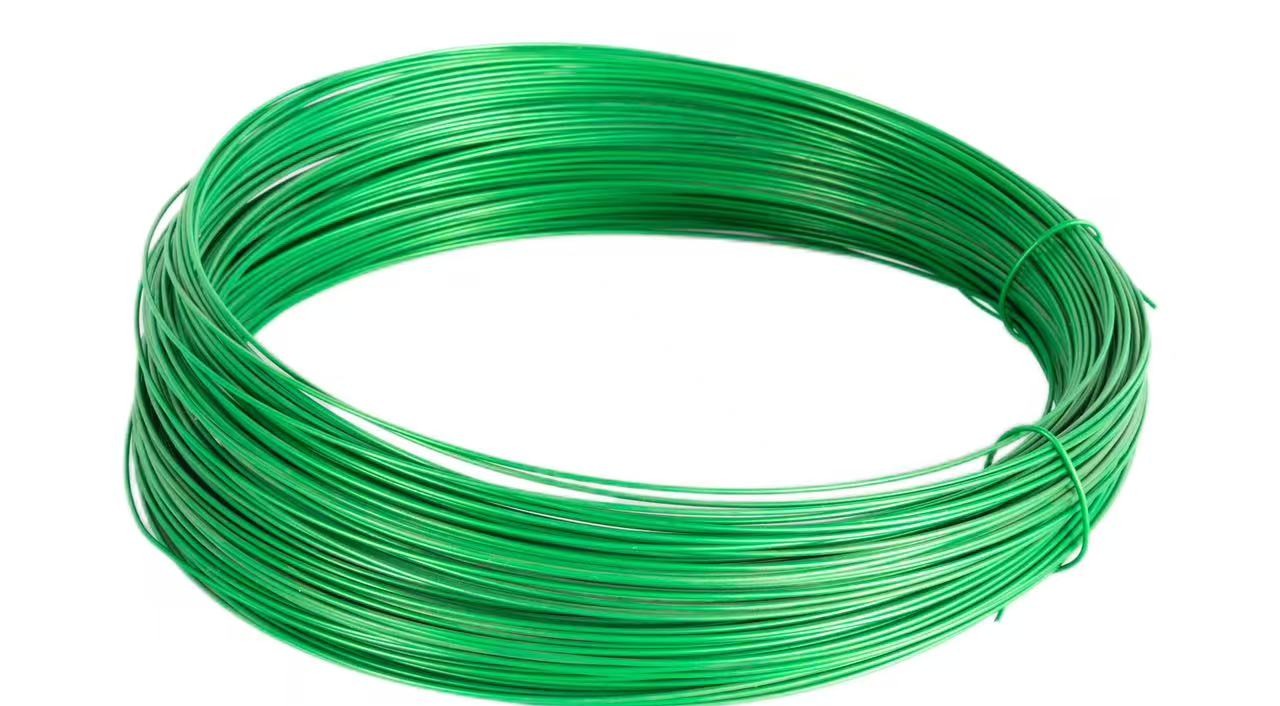 PVC Coated Wire
 Wire Mesh Products
 Fence Coating & Exposure Zone Selector
 Galvanized vs PVC Coated Wire Mesh Guide