
Window Screen Applications: Insect Protection, Ventilation and Roll Packing for Importers
Updated Jun 30, 2026
A practical guide to window screen applications, covering insect protection, ventilation, replacement, retail rolls and packing details.
Table of contents

Window screen mesh is used for insect protection, ventilation, window replacement, balcony screening, light commercial openings and roll supply programs. For importers and building-material distributors, the practical question is not only "fiberglass or aluminum?" The better question is: where will the screen be used, how will it be packed, and what mesh count, width, color and roll format should be confirmed before ordering?
This article reviews common window screen applications and the sourcing details buyers should prepare before requesting a quotation. It is a buyer reference, not a building-safety document. Final material choice, installation method, frame system and project requirement should be confirmed by the buyer, installer or project owner.
Quick answer for importers
Window screen sourcing should start with the application, then move to material and packing. A residential replacement roll, retail roll, balcony screen, commercial maintenance order, industrial ventilation screen and greenhouse ventilation screen can all use different mesh counts, wire or yarn diameters, colors, roll widths, roll lengths and labels. Fiberglass screen is often discussed for flexible insect-screen rolls, aluminum for lightweight metallic screening, stainless steel for stronger material discussions, and plastic, galvanized or enamelled screen for market-specific cost and packing needs. A quote-ready RFQ should state application, material, mesh count or opening, diameter, roll size, color, quantity, label, carton or pallet plan, destination and any certificate or inspection expectation. Photos, samples, label artwork and packing references help reduce mismatch before production, support distributor catalog planning and make repeat orders easier to control across SKUs.
Application decision snapshot
| Application route | Better starting point | RFQ details to confirm |
|---|---|---|
| Residential insect protection | Fiberglass, aluminum or plastic window screen | Mesh count, roll width, color, small-roll or bulk-roll packing |
| Commercial replacement program | Aluminum, fiberglass or stainless steel screen | Repeat SKU size, label, carton, pallet and warehouse receiving needs |
| Coastal or demanding exposure | Stainless steel window screen route | Grade, wire diameter, mesh count, sample and material document expectation |
| Greenhouse or ventilation opening | Application-specific screen roll or cut piece | Airflow need, roll size, UV or corrosion exposure, packing and destination |
Why application matters before choosing material
Window screen products can look similar in roll photos, but the correct order may differ by application. A retail replacement program may need carton packing, barcode labels and common roll widths. A building project may need consistent color and roll length. A coastal or commercial maintenance order may ask for aluminum or stainless options when fiberglass is not the preferred material.
Before comparing suppliers, buyers should confirm application, material, mesh count or opening requirement, roll width, roll length, color, edge, core, carton, label, pallet packing, quantity and destination.
Residential insect protection and natural ventilation
Residential window and door screens remain the main application for window screen mesh. The screen allows air to pass through an opening while reducing the entry of insects and larger debris. In many markets, standard residential orders are supplied as rolls for local frame assembly, replacement work or retail sales.
Fiberglass screen is often discussed for residential use because it is flexible, easy to cut and suitable for many common window and door frames. Buyers should confirm mesh count, yarn diameter, roll width, roll length, color and packing format before comparing prices. If the order is for a specific window system, the buyer should also confirm spline, frame groove and installation requirement locally.
Replacement, repair and retail roll supply
Retail and repair programs usually need convenient roll sizes and consistent carton packing. Hardware stores, distributors and repair-service buyers may order window screen rolls for replacement jobs, small contractors and local installers.
For this application, packaging can be as important as the mesh itself. Buyers should confirm carton size, roll label, shrink film, inner core, barcode or item code, and whether rolls are sold individually or in multi-roll cartons. If the buyer plans to mix fiberglass, aluminum and accessories in one shipment, the packing list should be defined before production.
For material selection details, buyers can also review the fiberglass window screen buying guide and the fiberglass vs aluminum window screen comparison.

Balcony, porch and light project screening
Balcony, porch and light building projects may use window screen mesh for wider openings than a standard window frame. In these cases, buyers should pay attention to roll width, tension during installation, color consistency and whether the material will be exposed to sun, rain or frequent cleaning.
Fiberglass screen may be suitable for many general projects, while aluminum screen may be discussed when the buyer needs a more rigid mesh appearance or a metallic material. Stainless steel mesh may be considered for some demanding environments, but it should be specified by the project requirement rather than used as a general replacement for every order.
Commercial maintenance and property management
Hotels, apartments, schools, offices and property-management buyers may need screen mesh for repeated replacement and maintenance. These buyers often care about consistent specification across many rooms or buildings, easy stock keeping and predictable packing.
For commercial maintenance, buyers should confirm the existing frame system, roll width, color, expected replacement frequency, packing label and whether the order will be stored locally before installation. If a project asks for special safety or project documentation language, the buyer should provide the official project requirement instead of relying on a general product name.
Industrial ventilation and equipment openings
Window screen and related fine mesh can also be used on ventilation openings, equipment covers, louvers and light industrial air-intake areas. The purpose is usually to support airflow while reducing the entry of insects, leaves or larger debris.
For industrial ventilation, the correct material depends on exposure condition and cleaning method. Fiberglass may be used in general light-duty applications. Aluminum may be discussed for a more rigid screen. Stainless steel wire mesh may be considered when the project requires metal mesh and higher corrosion resistance.
The buyer should confirm opening size, mesh count, material, frame or fixing method, cleaning requirement and whether the screen will be cut into panels locally or supplied as rolls.
Agricultural and greenhouse ventilation
Greenhouses, garden structures and agricultural buildings may use screen mesh for ventilation openings and insect reduction. These applications should balance airflow, light, pest pressure and installation cost.
The correct mesh count depends on the target use and local project requirement. A very fine mesh may reduce airflow, while a more open mesh may not match the intended insect-control purpose. Buyers should send application details and local installation notes before ordering.
Material options by application
| Application | Common material discussion | Buyer should confirm |
|---|---|---|
| Residential windows | fiberglass or aluminum screen | mesh count, color, roll width, roll length |
| Door screens and replacement | fiberglass, aluminum or stronger project-specified mesh | frame groove, spline, roll format, carton packing |
| Balcony or porch screening | fiberglass or aluminum | wider roll needs, tension, exposure, color |
| Retail roll supply | fiberglass and aluminum rolls | carton, label, barcode, roll core, pallet plan |
| Commercial maintenance | fiberglass, aluminum or stainless when specified | existing frame, replacement plan, storage and packing |
| Ventilation openings | aluminum, galvanized or stainless mesh depending on requirement | airflow, cleaning, corrosion exposure, fixing method |
| Greenhouse ventilation | project-specified screen mesh | airflow, light, target insect size and local installation |
Packing and export considerations
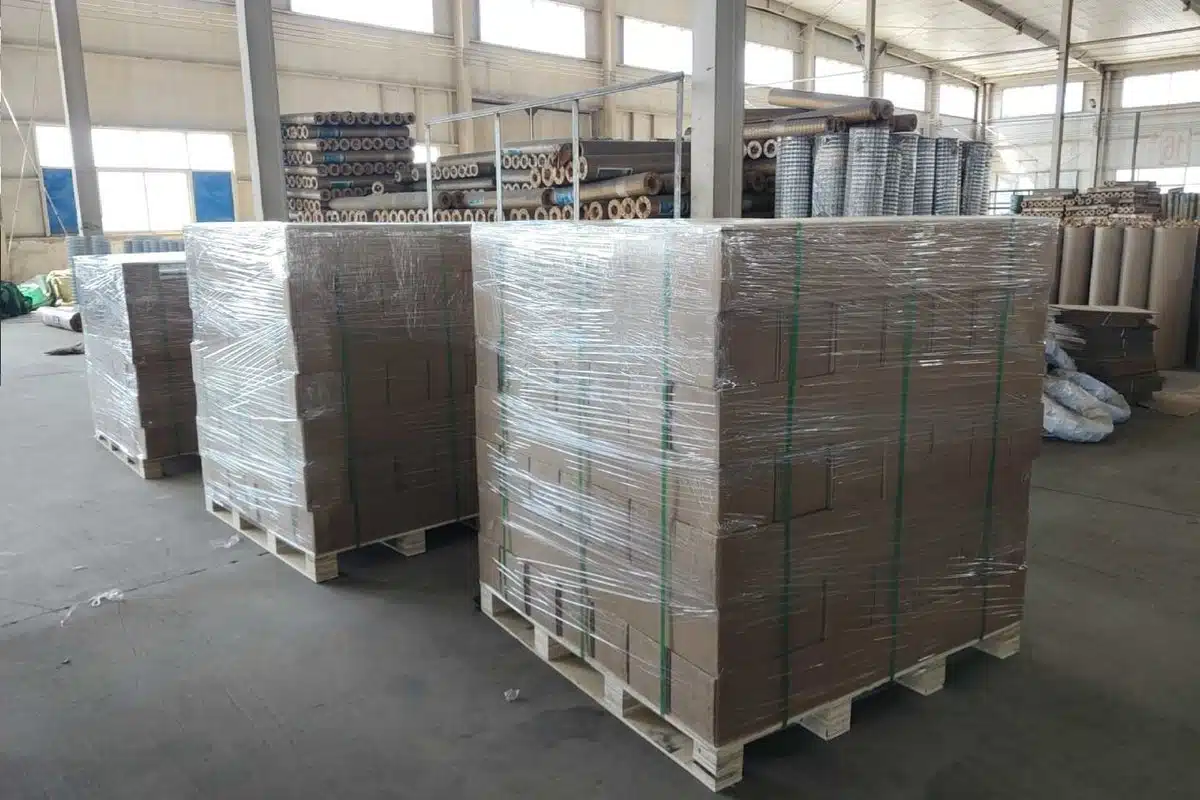
Window screen is commonly shipped in rolls. Rolls may be packed with plastic film, paper core, carton, woven bag, pallet or wooden case depending on order size and buyer requirement. Good packing communication helps the importer receive, store and sell the products more easily.
- Confirm roll width and roll length.
- Define roll core diameter and inner packing.
- Confirm carton size, carton marks and label language.
- Decide whether rolls are packed by material, color or size.
- Confirm pallet size, pallet wrapping and loading plan.
- Confirm whether packing photos and loading photos are needed.
For broader export packing checks that also apply to many wire mesh shipments, see the wire mesh fence export packing checklist.
RFQ checklist for window screen applications
- Application and target market.
- Material: fiberglass, aluminum, stainless steel or other requirement.
- Mesh count or opening.
- Wire, yarn or strand diameter if specified.
- Color.
- Roll width and roll length.
- Quantity.
- Packing format.
- Carton, label or barcode requirement.
- Destination and loading requirement.
- Sample, photo or inspection requirement if applicable.
Buyers can send these details through the inquiry page. For broader product context, review products and wire mesh.
FAQ
What are the most common window screen applications?
Common applications include residential insect protection, window and door replacement, balcony screening, retail roll supply, commercial maintenance, ventilation openings and greenhouse ventilation.
Is fiberglass or aluminum better for window screen?
Neither is universally better. Fiberglass is flexible and widely used for general residential replacement. Aluminum is more rigid and may be discussed for some commercial or project uses. The final choice depends on application, frame system, color, roll size and buyer requirement.
Can stainless steel mesh be used as window screen?
Stainless steel mesh can be discussed when a project requires metal mesh, stronger material or better corrosion resistance. It is usually a project-specific option rather than the default choice for standard residential insect screen.
What packing details matter for importers?
Important packing details include roll width, roll length, core, film, carton, label, barcode, pallet size, mixed-size packing and loading photos. These details should be confirmed before production.
What should buyers send before requesting a window screen quotation?
Send application, material, mesh count, color, roll width, roll length, quantity, packing format, label requirement, destination and any project-specific document or sample request.
Conclusion
Window screen applications are broad, but the sourcing logic is simple: start with the use case, then confirm material, mesh count, roll size, color, packing and destination. A residential replacement roll, a balcony project and an industrial ventilation screen should not be quoted as the same product without checking details.
ANJIA GROUP can help importers and distributors review window screen material options, roll packing and export order requirements based on the target market and application. Clear RFQ details make quotations easier to compare and reduce order mistakes before shipment.
About ANJIA GROUP
ANJIA GROUP supplies wire mesh, fencing and related industrial products for global B2B buyers. Contact our team to discuss product specifications, matching accessories and export packing.
Discuss your sourcing requirements
Send your product requirements and any relevant drawings to our team.
Get a Free Business Quote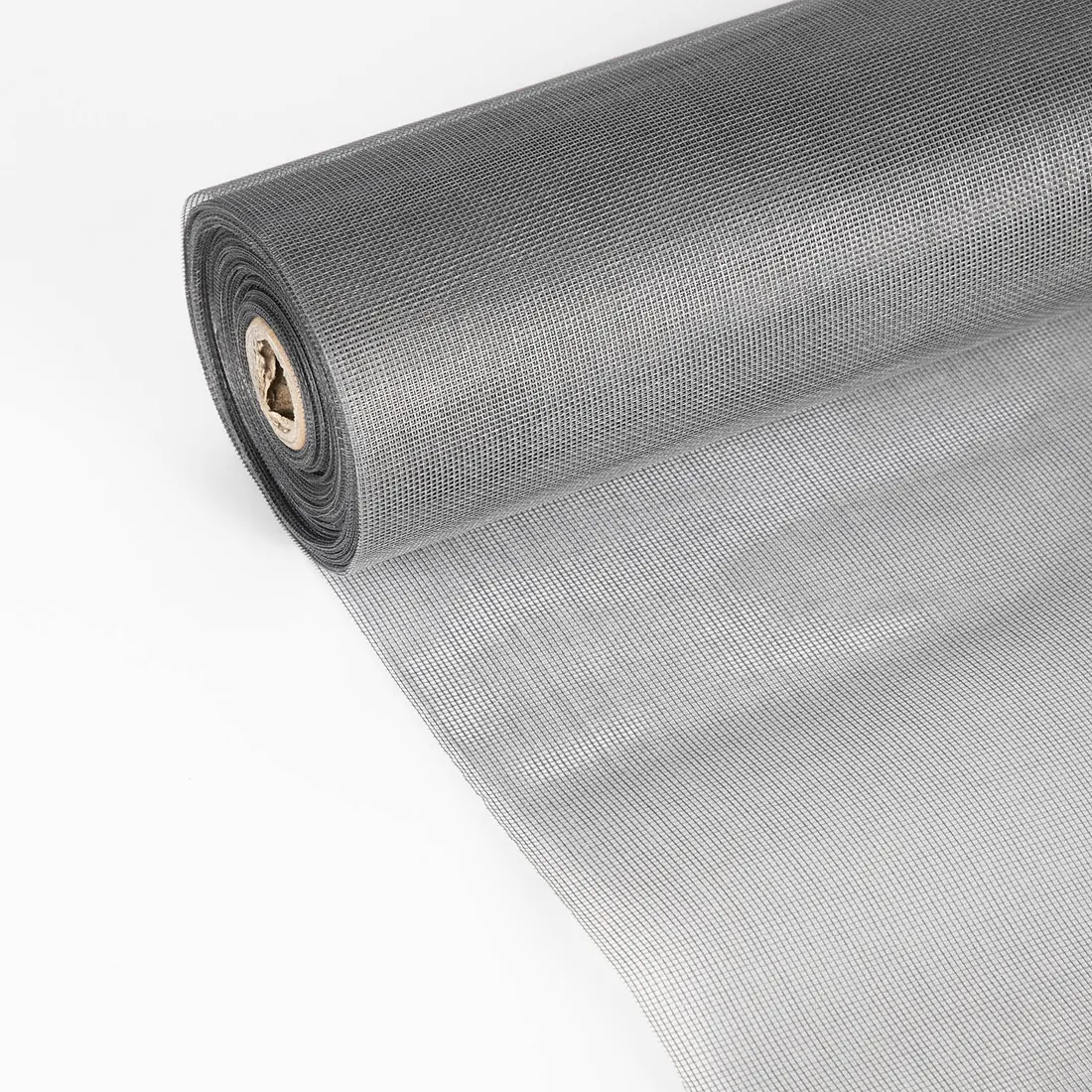 Fiberglass Window Screen
 Aluminum Window Screen
 Galvanized vs PVC Coated Wire Mesh Guide
 Fence Coating & Exposure Zone Selector