
Security Screen Mesh and Stainless Steel Window Screen: How Buyers Compare Protective Window Mesh
Updated Jun 30, 2026
A buyer comparison guide for security screen mesh and stainless steel window screen RFQs, including material grade, sample checks and packing proof.
Table of contents
Security screen mesh and stainless steel window screen can appear in the same buyer inquiry, but they are not the same product. A useful RFQ should separate the intended window or door use, mesh opening, wire diameter, stainless grade, finish, roll or panel format, packing and proof records before price comparison.
This comparison is written for importers preparing protective window mesh inquiries. It does not claim a security rating, entry-resistance certificate, corrosion life or building approval. If a project requires certified performance, the buyer should provide the required test standard and work with qualified parties.
Use this article to compare product roles and measurable fields, not to treat every stainless screen as the same application.

Quick answer for buyers
Security screen mesh and stainless steel window screen should be quoted as different product routes. Security screen mesh is usually a heavier protective window or door mesh specification, while stainless steel window screen is usually a lighter insect-screen and ventilation roll route. A quote-ready comparison should confirm intended use, stainless grade, wire diameter, mesh opening or mesh count, roll or sheet format, finish, packing and any sample or material-record requirement. Buyers should not treat the word "security" as proof of a certified rating. If a project needs tested performance, the required standard, sample method and document scope should be provided before quotation. For import orders, the strongest evidence is measurable: caliper photos, mesh or opening photos, label and packing photos, agreed material documents and receiving checks where relevant. This keeps supplier comparison focused on verifiable specification details rather than broad product names.
Buyer evidence snapshot
| Evidence item | What it confirms | What it does not prove |
|---|---|---|
| Close-up mesh photo | Opening style, weave route and surface appearance | Certified security performance or long-term corrosion life |
| Wire diameter or caliper photo | Whether the quoted wire matches the RFQ value | Full production tolerance unless an inspection method is agreed |
| Material record or XRF check | Stainless grade reference when required | Suitability for every local code or project requirement |
| Sample label and packing photo | Roll size, label content and shipment identification | That different screen mesh products are interchangeable |
Start with the buyer use case
The first question is the product role. A buyer asking for "stainless screen" may need simple insect screening, a stronger protective screen, a decorative facade mesh, or a material sample for local fabrication. Those needs should not be quoted with one generic specification.
Ask:
- Is the screen mainly for insect protection, window ventilation, a stronger protective screen, or a custom frame system?
- Will the product be supplied as rolls, cut panels, framed samples or sheet pieces?
- Is the destination coastal, humid, industrial or standard indoor/outdoor use?
- Does the buyer need 304 stainless steel, 316 stainless steel or another grade?
- Is a test report, material certificate or XRF check required?
- How should labels, roll width, roll length and packing be confirmed?
This keeps the comparison practical. It also prevents a common mistake: buying a standard window screen when the project actually needs a heavier protective mesh, or overbuying a heavy screen when standard insect protection is enough.
Security screen mesh: what to confirm
Security screen mesh is usually discussed as a heavier stainless screen product for window or door protection projects. The exact construction should still be confirmed by the order, not assumed from the product name.
Useful RFQ fields include:
- stainless grade, commonly 304 or 316 where specified;
- wire diameter and tolerance;
- opening size or mesh count;
- surface finish, powder coating or color if applicable;
- roll width, sheet size or panel format;
- edge condition if cut pieces are supplied;
- sample size and approval requirement;
- packing method and label format.
The word "security" should be treated carefully. It can describe the product category and buyer expectation, but it does not automatically prove a certified security rating. If the buyer needs a tested rating, the required standard and documents should be stated before quotation.
Stainless steel window screen: what to confirm
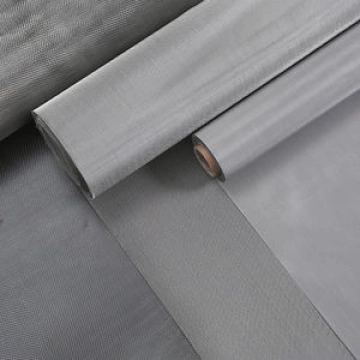
Stainless steel window screen is usually a lighter screen roll for insect protection, ventilation and corrosion-resistant window applications. It can be a good fit when the buyer needs a more durable material than fiberglass or some galvanized options, but does not need a heavy protective screen.

Confirm:
- mesh count, such as 14 x 14, 16 x 16 or 18 x 18 when applicable;
- wire diameter;
- roll width and roll length;
- stainless grade;
- roll core, wrapping and carton or pallet packing;
- label fields, including product name, specification and quantity;
- whether a material record or test document is required.
For import orders, roll width and weight matter as much as the headline material name. Two offers can both say "304 stainless steel window screen" but differ in wire diameter, roll length, packing and total weight.
Comparison table: product role and RFQ fields
Use this table to keep the discussion based on measurable fields.

| RFQ field | Security screen mesh | Stainless steel window screen | Buyer check |
|---|---|---|---|
| Main role | Heavier protective window or door mesh | Insect screen and ventilation screen | Confirm primary use before price comparison |
| Wire diameter | Usually thicker, order-specific | Usually finer, order-specific | Request millimetre value and tolerance |
| Opening | Depends on product design and frame system | Common window screen mesh counts | Confirm mesh count and actual opening if critical |
| Material | 304, 316 or specified stainless grade | 304, 316 or specified stainless grade | Confirm grade and required document |
| Format | Rolls, cut pieces or framed samples | Rolls or cut panels | Confirm width, length and packing unit |
| Proof records | Sample, close-up photos, material record | Roll label, sample, material record | Use records to confirm order fields |
| Boundary | Product specification, not a rating by itself | Not intended as a security product | Do not infer certified performance |
Material grade: 304 vs 316
Both product categories may use 304 or 316 stainless steel. The grade should be chosen based on environment, buyer requirement and budget.
- 304 stainless steel is common for general window screen and many indoor or outdoor applications.
- 316 stainless steel has better resistance to chloride exposure and is often discussed for coastal or more corrosive environments.
- Other grades or coatings should be stated clearly if required by the project.
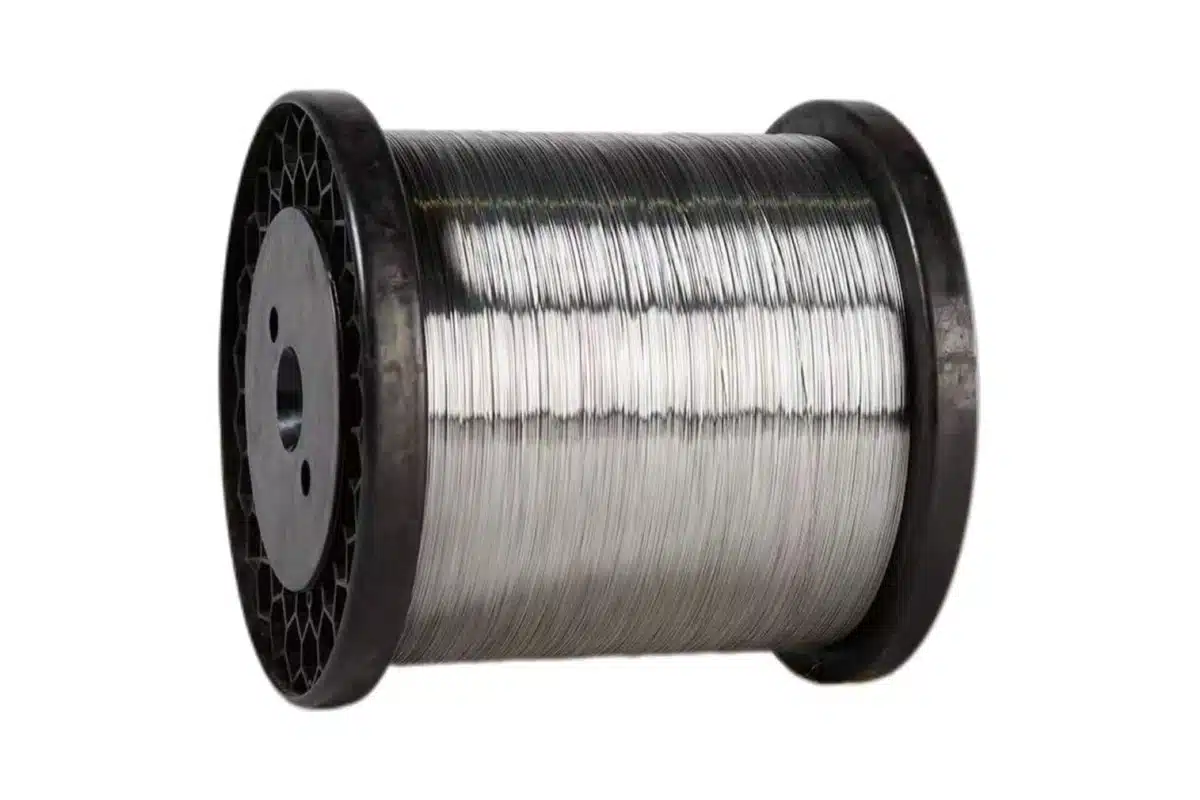
Material grade cannot be confirmed from a product photo alone. Buyers can request supplier documents, sample review, XRF checking or other agreed verification methods. The level of proof should match the order value and project requirement.
Sample review and measurable proof
Before a bulk order, samples help confirm the difference between a heavier protective mesh and a standard stainless window screen roll.
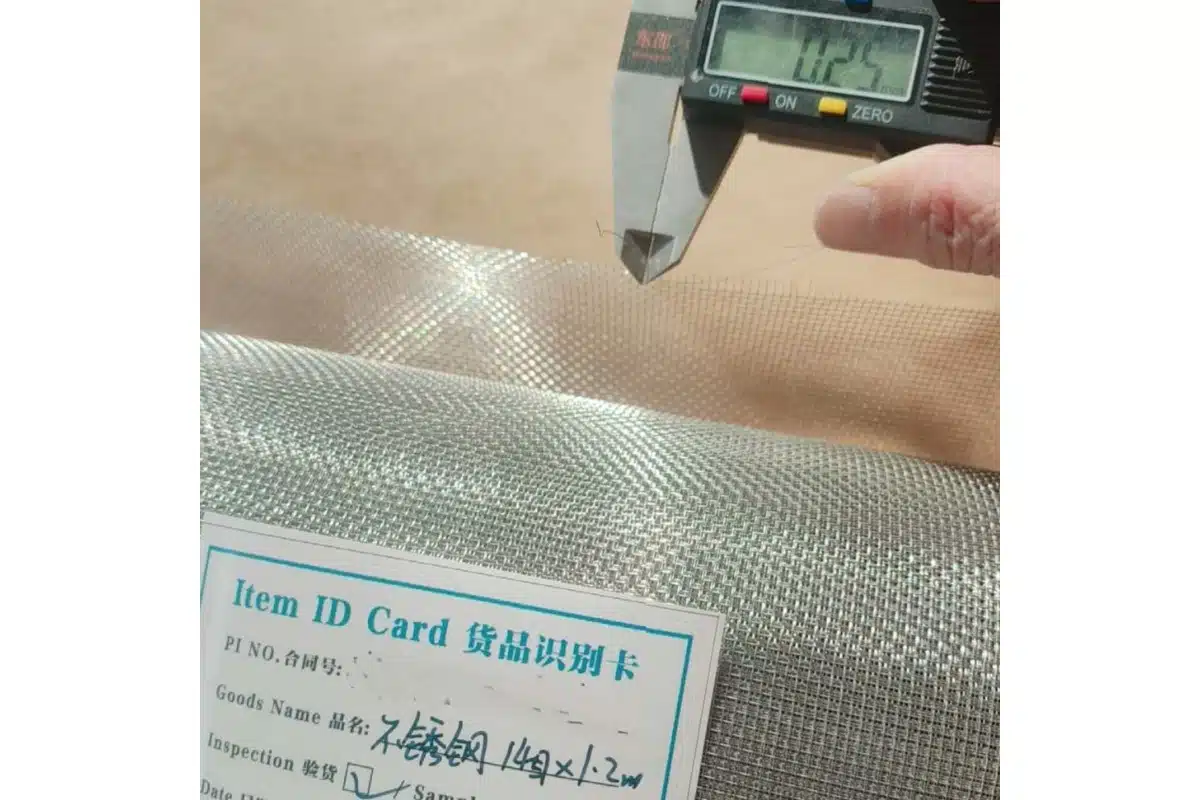
Useful checks include:
- wire diameter by caliper or agreed method;
- mesh count and opening consistency;
- roll width and roll length;
- surface finish and visible defects;
- material grade document or test check if required;
- sample label and batch reference.
Samples support product comparison. They do not prove long-term corrosion performance, building approval or a certified security rating. Those topics require the correct test method and qualified review.
Packing, labels and receiving checks
Screen mesh orders are often shipped as rolls. Packing must protect the roll surface, keep labels readable and make receiving checks easier.
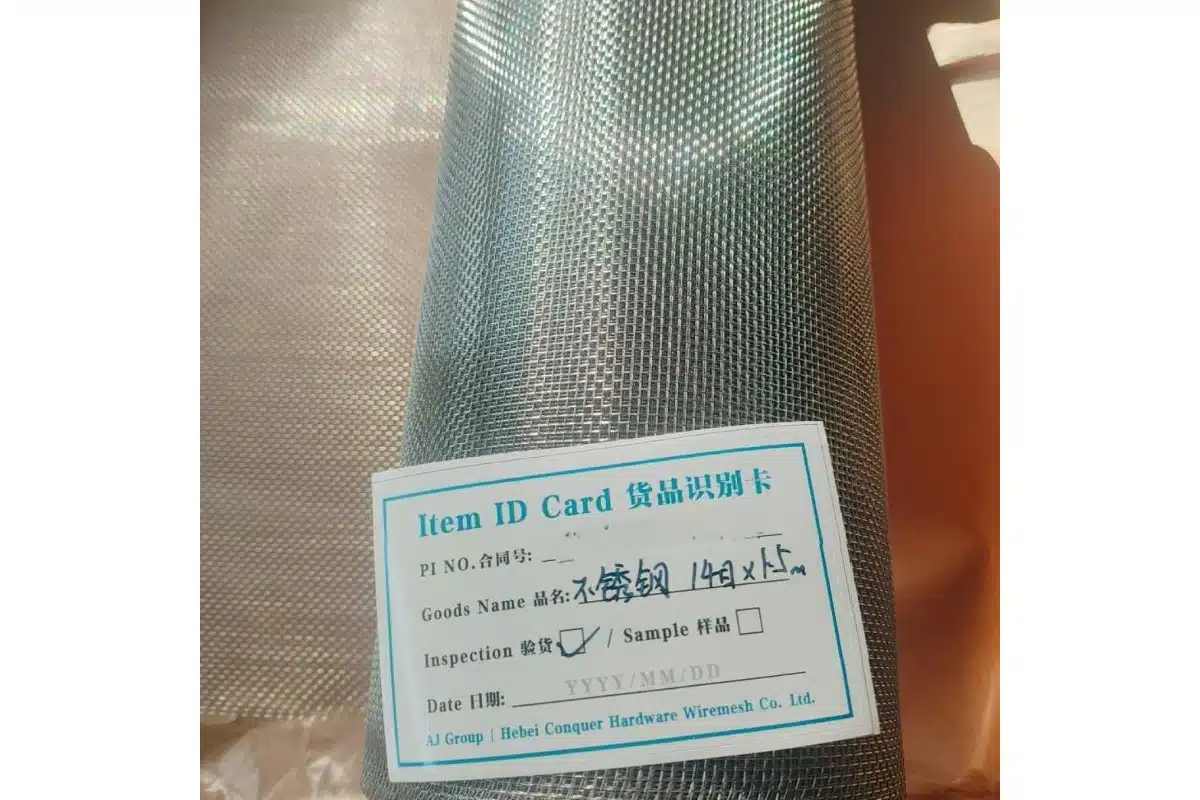
Confirm:
- roll width and roll length;
- core type and roll wrapping;
- rolls per carton, pallet or bundle;
- gross weight and net weight if required;
- label format and private buyer information handling;
- packing list fields and photos before shipment;
- whether mixed screen materials are packed separately.
For mixed screen shipments, do not rely only on carton count. Ask for label photos and packing-list matching so receiving teams can distinguish security screen mesh, stainless steel window screen, aluminum screen or fiberglass screen.
When to compare related screen materials
Security screen mesh and stainless steel window screen are not the only options. Related materials may be appropriate when the buyer's priority changes.
Consider:
- security screen mesh when the buyer needs a heavier protective mesh specification;
- stainless steel window screen when the buyer needs stainless insect screen rolls;
- stainless steel wire when the discussion is about wire material or grade source;
- aluminum window screen or fiberglass screen when the buyer is comparing lighter standard screen materials.
The comparison should follow application and RFQ fields, not keyword matching.
Common RFQ mistakes to avoid
Avoid these problems before supplier comparison:
- asking for "security screen" without wire diameter, opening and grade;
- assuming a product name equals a certified security rating;
- comparing 304 and 316 only by price without environment context;
- ignoring roll width, roll length and roll weight;
- accepting product photos without sample or specification checks;
- mixing several screen products in one container without clear labels;
- treating standard window screen and heavier protective mesh as interchangeable.
Clear RFQ fields reduce quotation revisions and receiving disputes.
Frequently asked questions
Is security screen mesh the same as stainless steel window screen?
No. Security screen mesh usually refers to a heavier protective screen product, while stainless steel window screen usually refers to a lighter insect screen roll. The exact specification must still be confirmed by wire diameter, opening, grade and format.
Does security screen mesh have a certified rating?
Not automatically. The product name does not prove a rating. If a buyer needs certified performance, the required test standard and documents should be stated before quotation.
When should buyers choose 316 stainless steel?
316 stainless steel is often considered for coastal, chloride or more corrosive environments. Final selection should follow the destination condition, buyer requirement and budget.
What should buyers inspect on arrival?
Check roll width, roll length, label, visible damage, mesh opening, wire diameter, material documents where required, and whether the packing list matches received rolls or panels.
Prepare a protective window mesh RFQ
For order-specific support, send the intended application, material grade, mesh opening, wire diameter, roll width, roll length, sample requirement and packing preference through the ANJIA inquiry page. ANJIA can review supply-side screen mesh fields and proof records before quotation or sample approval.
About ANJIA GROUP
ANJIA GROUP supplies wire mesh, fencing and related industrial products for global B2B buyers. Contact our team to discuss product specifications, matching accessories and export packing.
Discuss your sourcing requirements
Send your product requirements and any relevant drawings to our team.
Get a Free Business Quote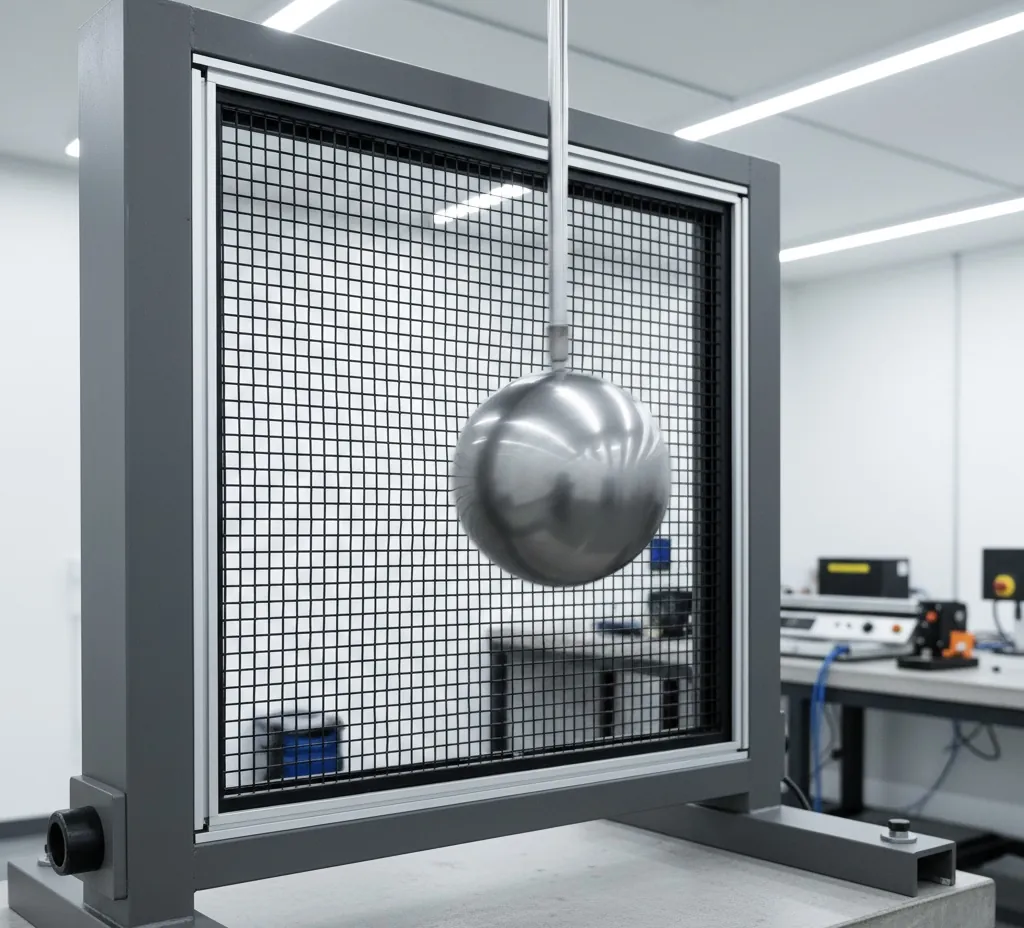 Security Screen Mesh
 Stainless Steel Window Screen
 Galvanized vs PVC Coated Wire Mesh Guide
 Fence Coating & Exposure Zone Selector